




Global agriculture hinges on the smooth movement of cereals, oilseeds and pulses from producing regions to consuming markets. When grain shipments stall, farmers and traders face mounting costs and lost revenue. Understanding how logistics bottlenecks affect export performance is essential for stakeholders striving to stabilize the international market and secure global food supplies.
Impact of Port Congestion on Grain Exports
Major exporting nations depend on coastal terminals to load millions of tonnes of agricultural commodities annually. However, limited berth availability and inadequate handling equipment often spark long queues of vessels at anchor. Port congestion generates several adverse effects:
- Delays in loading schedules, prolonging voyage times and raising charter rates.
- Higher storage costs at silos and terminals when grain cannot be shipped promptly.
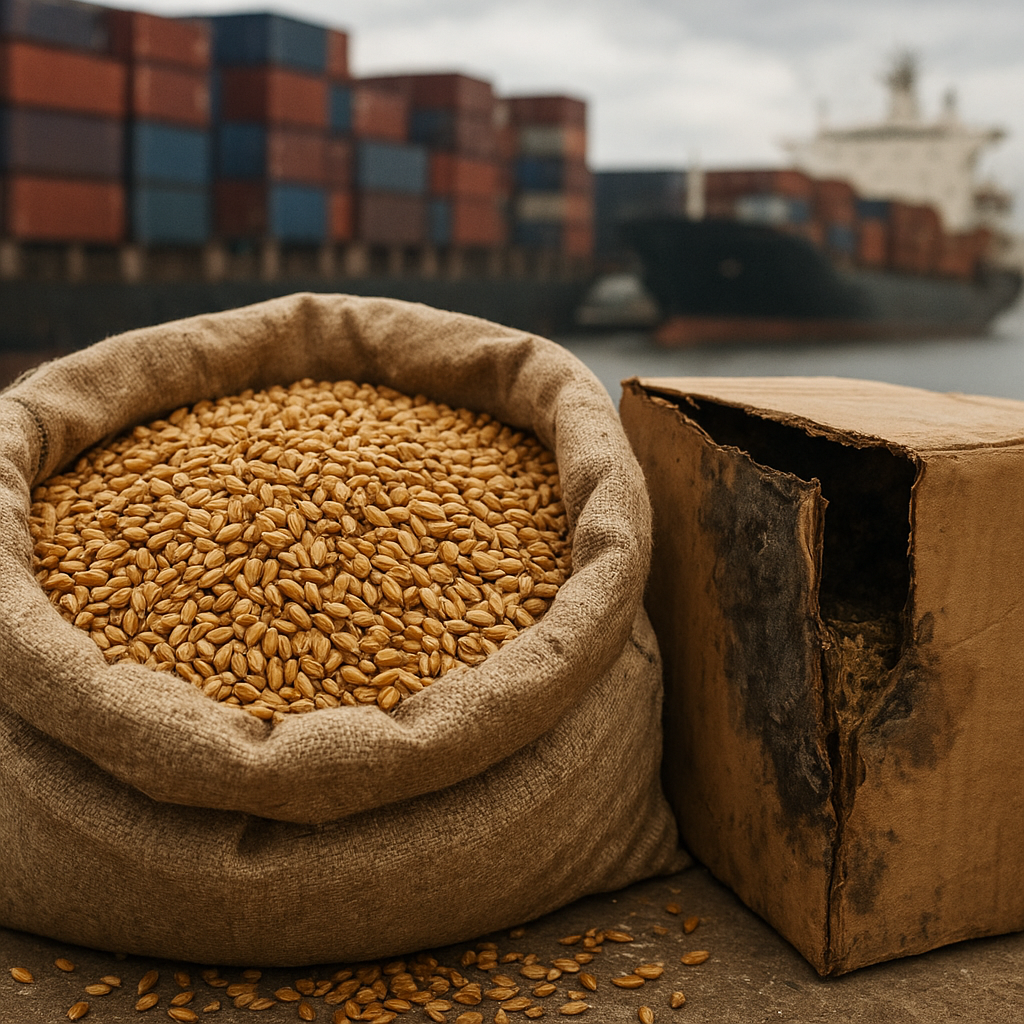
- Increased risk of quality deterioration due to extended grain exposure to humidity and pests.
For instance, the coastal complexes serving the Black Sea region have experienced surges in ship waiting times, sometimes exceeding two weeks. Such interruptions force exporters to renegotiate contracts, apply demurrage charges and even reroute cargoes to alternative ports, driving up overall transaction costs.
Transportation Challenges and Infrastructure Deficits
Beyond the docks, inland conveyance networks play a crucial role in feeding terminals with harvested cereals. Limitations across highways, rail links and river systems exacerbate port pressures:
Rail Freight Constraints
- Scarcity of dedicated grain wagons leads to competition with other bulk commodities.
- Track maintenance backlogs cause train cancellations or speed restrictions.
- Understaffed loading yards slow down turnaround times, reducing daily rail throughput.
Road Haulage Obstacles
- Poor highway conditions and seasonal weather hazards increase transit times.
- Stringent weight regulations limit truck payloads, requiring more trips to move the same volume.
- Fuel price volatility amplifies operational expenses for trucking firms.
Moreover, many inland storage facilities lack modern aeration and temperature control systems. When trucks queue for entry or exit, onsite silos accumulate grain more slowly than harvest volumes arrive, creating local bottlenecks that echo back to farm gates. These logistical snags often hit hardest in regions where the infrastructure modernization pace lags behind production growth.
Effects on Global Grain Prices and Farmer Revenues
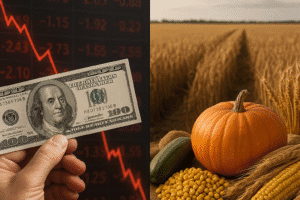
When supply chain delays ripple through export channels, global commodity benchmarks react swiftly. Price distortions emerge from uncertainty, as buyers hedge against potential shortfalls. Key consequences include:
- Volatility spikes in futures markets for wheat, corn and soy, driven by speculation on shipping backlogs.
- Widening of basis differentials between inland and port locations, reflecting regional logistic constraints.
- Reduced bargaining power for farmers, compelled to accept lower local prices to offload stock.
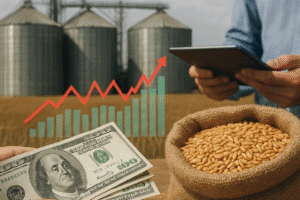
For small-scale growers relying on a narrow margin, delayed sales can translate into cash flow crises. Without timely revenue from export shipments, agricultural cooperatives struggle to finance next-season planting, purchase inputs or service loans. Conversely, large trading houses with chartering capabilities may reroute cargo through underutilized corridors, capturing arbitrage gains while smaller players absorb losses.
Strategies to Mitigate Grain Logistics Chokepoints
Industry participants and governments are exploring a range of solutions to alleviate supply chain pressures:
Public-Private Partnerships (PPPs)
- Joint investments in port expansions, including new berths and automated bulk loaders.
- Shared financing of multimodal terminals that integrate rail, road and inland waterways.
Digitalization and Data Sharing
- Real-time tracking platforms enable exporters to plan vessel arrivals and reduce anchorage wait times.
- Warehouse management systems optimize inventory flows, cutting idle storage days.
Regulatory Reforms
- Streamlining customs clearance procedures to shorten border delays.
- Incentivizing private logistics firms through tax credits for equipment upgrades.
Adopting these measures can boost overall supply chain resilience. For example, pilot programs in South America have linked rail gauge standardization with centralized grain content monitoring, slashing transit times by up to 25%. Similarly, North American grain cooperatives deploying predictive analytics for silo occupancy have avoided costly overflows during peak harvest.
Concluding Observations
Addressing the complex interplay of port congestion, transport limitations and storage inadequacies demands coordinated action. By prioritizing strategic investments and fostering collaboration across stakeholders, the agricultural sector can reduce costly bottlenecks and secure more reliable access to world markets. Sustained focus on logistics enhancements will not only support exporter competitiveness but also enhance food security for import-dependent nations.