


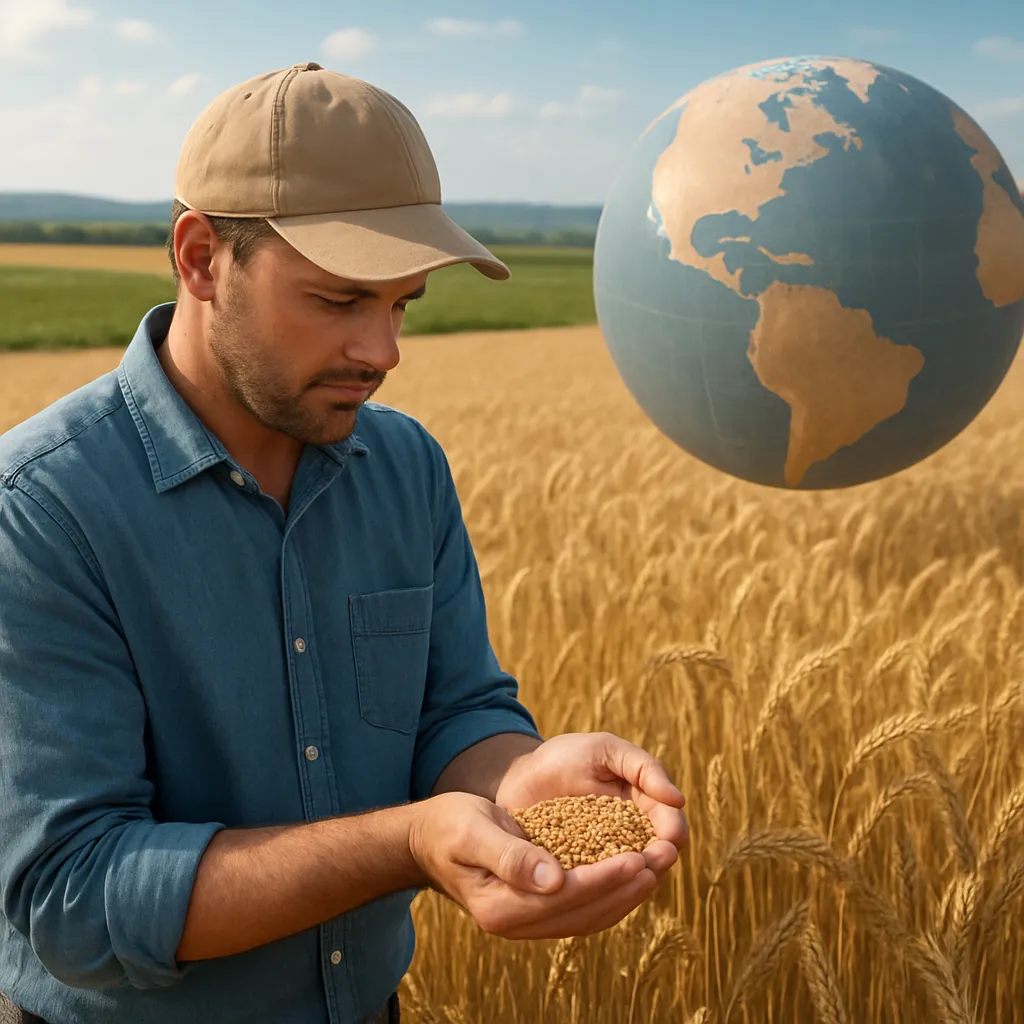
Farmers around the world make daily choices shaped by forces far beyond their own fields. Among the most powerful of these forces are global grain markets, which translate shifting demand, trade policies and weather patterns into constantly moving prices. Through tools such as grain market analysis, producers try to interpret these signals and decide what to plant, when to sell and how much risk to take. Whether a smallholder in Africa or a large commercial farm in North America, every producer responds to a web of incentives created by markets for wheat, corn, rice and other staples. Understanding how grain markets influence farm decisions worldwide is essential for building more resilient food systems, anticipating responses to price shocks and designing smarter agricultural policies.
The power of price signals in grain markets
Grain markets transmit information primarily through prices. When the price of wheat or corn rises, it indicates that buyers are willing to pay more for limited supplies or growing demand. When prices fall, it suggests that supplies are abundant or consumption is weakening. These signals guide millions of individual farm decisions, even when farmers never directly see a futures contract or global price index.
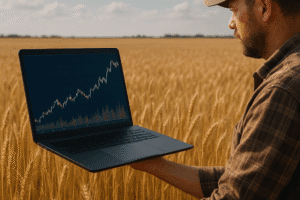
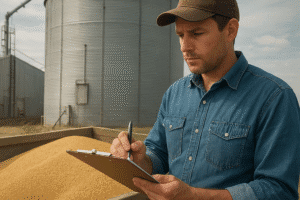
In regions with well-developed market infrastructure, farmers can access daily or even hourly price quotes from local elevators, cooperatives or digital platforms. They adjust planting plans, fertilizer use and storage strategies according to expected margins. A producer who sees strong prices for corn relative to soy or barley may shift acreage to corn, invest in better seed or delay selling the previous harvest in anticipation of further gains.
Where market information is scarce, decisions are more uncertain. Farmers may rely on traders, neighbors or past experience instead of timely price data. This can lead to slower responses to changing conditions, higher risk of oversupply and greater income volatility. Still, even in remote regions, buyers and traders eventually pass on the effects of global price movements, influencing local farm revenues and production choices.
Production decisions: what to plant and how much
One of the most direct ways grain markets shape agriculture is through crop choice. Farmers compare expected profits of different grains, taking into account not only current prices but also their own land quality, climate and access to inputs. For example, a farmer with irrigated land might favor rice or high-yielding wheat, while a producer in a drier zone might opt for sorghum or millet, even if international corn prices look attractive.
Relative prices matter as much as absolute levels. If corn prices rise but soybeans or rapeseed rise even faster, farmers may still reduce corn acreage. This interplay of price ratios among grains and oilseeds drives large shifts in global cropping patterns from year to year. Governments often watch these movements closely because they affect food security, export revenues and rural employment.
Farmers also react to longer-term price trends. A few consecutive years of favorable grain prices can justify investing in new machinery, irrigation, improved storage or more advanced seed varieties. These investments, in turn, lock in certain production patterns. A farm that buys a specialized corn planter or grain dryer is more likely to keep corn in its rotation, even when short-term prices fluctuate.
On the other hand, extended periods of low prices may push farmers to diversify away from grains or reduce planted area. They might shift land into higher-value crops, forage for livestock or even non-agricultural uses. This dynamic can be seen in regions where low global grain prices coincide with growing urban land demand, encouraging permanent conversion of farmland.
Global supply, demand and trade flows
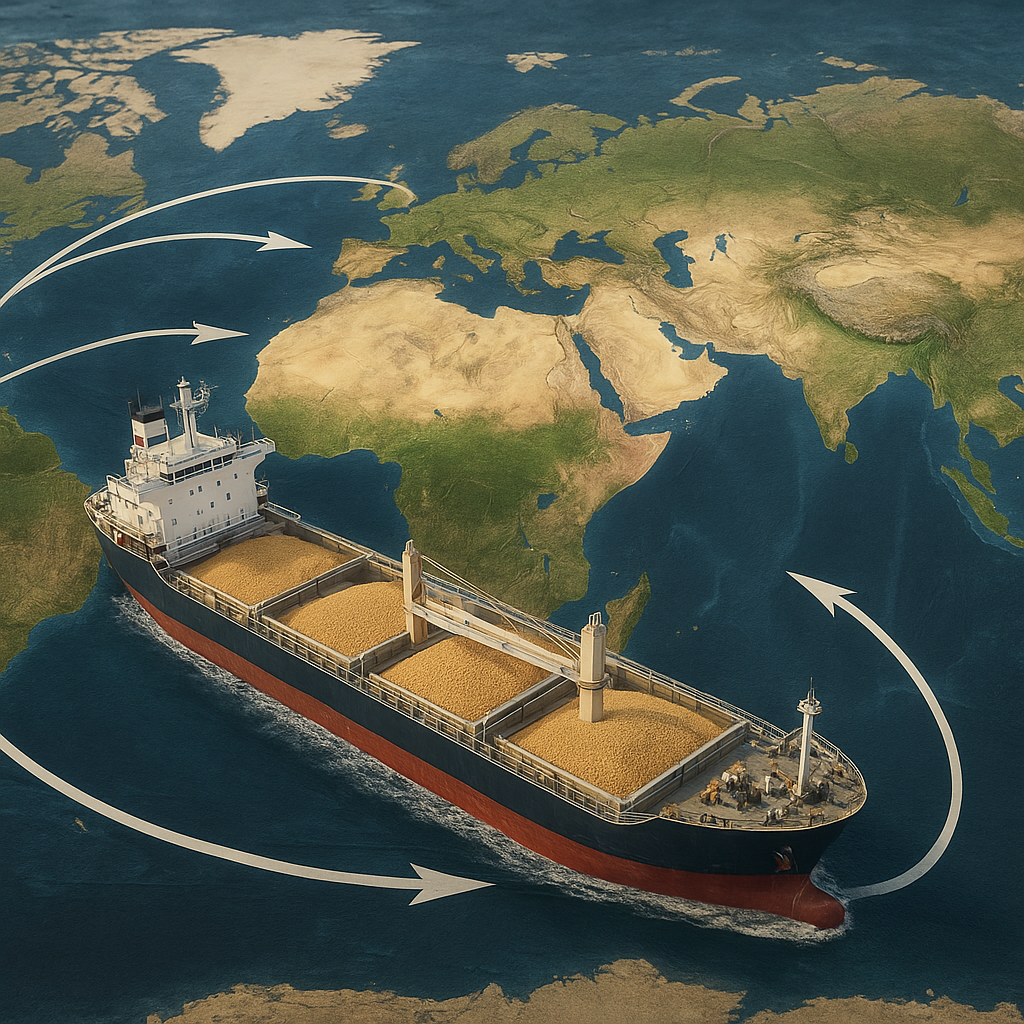
Grain markets operate on a global scale, linking producers in exporting regions with consumers and processors worldwide. Major exporters such as the United States, Brazil, Argentina, Ukraine and parts of Europe respond strongly to international price incentives because a large share of their production targets foreign markets. When world prices rise, these countries generally expand output, drawing more land and inputs into grains.
Import-dependent countries watch the same price signals from a different angle. Rising world prices increase the cost of food and feed imports, sometimes forcing difficult policy choices: subsidize grain to protect consumers, or let domestic prices rise and risk social tensions. Farmers in these countries may be encouraged to expand local production if domestic prices climb high enough to cover costs, especially when supported by credit or input programs.
Trade policies amplify or dampen these responses. Export bans, tariffs, quotas and sanitary rules can suddenly shift where grain is shipped and at what price. Farm decisions are heavily influenced by the perceived stability of trade access. If producers fear that a key export market might close due to political tension or regulatory changes, they may hesitate to invest in expanding grain production even when prices are favorable.
Over time, the interaction of production responses and trade patterns shapes regional specialization. Some areas focus on being reliable grain exporters, investing in storage, transport and port infrastructure. Others accept dependence on imports but seek to protect vulnerable consumers through safety nets and strategic reserves. In both cases, global market conditions and policy frameworks directly guide farming strategies.
Risk management and price volatility
Grain markets are notorious for volatility. Weather shocks, geopolitical tensions, currency swings and changes in biofuel policies can all trigger sudden price spikes or collapses. For farmers, this volatility is both a threat and an opportunity. Managing it effectively has become a central element of modern farm decision-making.
Producers with access to futures and options markets can hedge against unexpected price moves by locking in sales or protecting a minimum price level. Large commercial farms and cooperatives often use these tools as part of a broader risk strategy that includes diversified crops, crop insurance and flexible marketing plans. This reduces income uncertainty and makes it easier to plan investments several years ahead.
Many small and medium-scale farmers, especially in developing countries, lack formal hedging instruments. They manage price risk through simpler methods: selling part of the crop at harvest and storing the rest, forward contracts with local traders, or diversifying into livestock or non-farm activities. Household members may work off-farm to provide a more stable income when grain prices fall.
The degree of price volatility also shapes decisions about technology and input use. When farmers fear sharp price drops, they may avoid expensive fertilizers and improved seeds that increase yields but require significant upfront cash. Stable or predictable price environments encourage higher productivity because farmers feel more confident that extra output will be sold at remunerative prices.
Technology, information and digital tools
Advances in communication and data technologies are changing how grain markets influence farm decisions. Mobile phones, satellite imagery, farm management software and digital payment systems allow producers to access information that was once limited to traders and large companies. With better data on prices, weather and input availability, farmers can align their planting, input use and marketing more closely with market conditions.
Real-time price alerts from local and regional markets help farmers decide when to sell. If they know that prices typically rise several months after harvest, they may invest in basic on-farm storage, such as sealed bags or metal silos, rather than selling everything immediately at lower prices. This ability to time the market, even in a modest way, can significantly improve incomes.
Digital tools also support more precise production planning. Yield maps, soil sensors and climate models allow farmers to estimate potential output and compare it with forward prices. When combined with advisory services, these tools help determine optimal planting dates, fertilizer rates and irrigation schedules that fit both agronomic and market realities.
However, access to technology remains uneven. Farmers with limited connectivity or low digital literacy may not benefit fully from market information. Bridging this gap is one of the keys to ensuring that grain markets contribute to more equitable rural development rather than widening existing disparities.
Policy environments and government interventions
Public policy strongly mediates how grain markets affect farm decisions. Governments often seek to stabilize prices, protect consumers and ensure adequate supplies, especially for staple cereals such as wheat, maize and rice. They use tools such as minimum support prices, public procurement, strategic reserves, subsidies and trade controls.
Minimum price guarantees can encourage farmers to produce more grain by reducing downside risk. When growers know that a public agency will purchase at a set floor price, they are more likely to invest in inputs that increase yields. Yet if support prices are too high relative to world markets, they may distort cropping patterns, leading to overproduction and fiscal pressures from large stockpiles.
Input subsidies for fertilizer, irrigation or fuel can also alter responses to market signals. By lowering production costs, they make grain cultivation attractive even when market prices are moderate. This can support food security and rural livelihoods, but may also lead to environmental pressures such as overuse of water or nutrients if not carefully managed.
Trade policy is another decisive factor. Import tariffs can shield domestic producers from low world prices, giving them breathing space to modernize. Conversely, export restrictions during times of high prices can keep food affordable for local consumers but discourage farmers from expanding production. The balance between producer incentives and consumer protection is delicate, and missteps can generate long-term distortions in both markets and farm behavior.
Climate change, shocks and grain market resilience
Climate change is reshaping the link between grain markets and farm decisions. More frequent droughts, floods, heatwaves and storms increase yield variability, making global supplies less predictable. As a result, markets react more sharply to news about crop conditions in key exporting regions, and price spikes become more likely.
Farmers adapt by diversifying crops, adopting drought-tolerant or heat-resistant varieties and adjusting planting calendars. But these choices depend heavily on the incentives created by grain prices. If markets reward high yields of a vulnerable crop more than modest but stable yields of a resilient one, producers may stick with risky practices, hoping for short-term gains.
Extreme events such as regional crop failures or disruptions to major shipping routes can create sudden gaps in world supply, sending prices soaring. Farmers with surplus or stored grain may benefit from these spikes, but consumers and net buyers suffer. Over time, such shocks encourage some regions to seek greater self-sufficiency, while others choose to deepen trade relationships and invest in more robust supply chains.
Building resilience requires aligning farm-level adaptation with market structures that support stability. Insurance schemes, weather-indexed products, early warning systems and transparent market data all help reduce uncertainty and guide better decisions. When producers trust that they can manage risk, they are more likely to adopt sustainable practices that protect soils, water and long-term productivity.
Social and structural impacts on farm households
Beyond technical and economic choices, grain markets influence the social fabric of farming communities. Periods of prolonged low grain prices can accelerate consolidation, as economically stronger farms buy or lease land from those who cannot cover costs. This can improve efficiency but may reduce rural employment and weaken local services.
High and volatile prices, meanwhile, can widen inequalities within regions. Farmers with access to storage, credit and market information are better positioned to benefit from price surges. Marginal producers who must sell at harvest to pay debts capture lower prices, even when international markets are booming. Over time, this shapes who remains in agriculture and how land is distributed.
Household decisions about education, health and migration are also tied to grain revenues. Stable incomes from grain sales encourage investment in schooling and improvements to housing or farm infrastructure. Volatile or declining prices push some family members to seek work in cities or abroad, changing labor availability on the farm and altering future production potential.
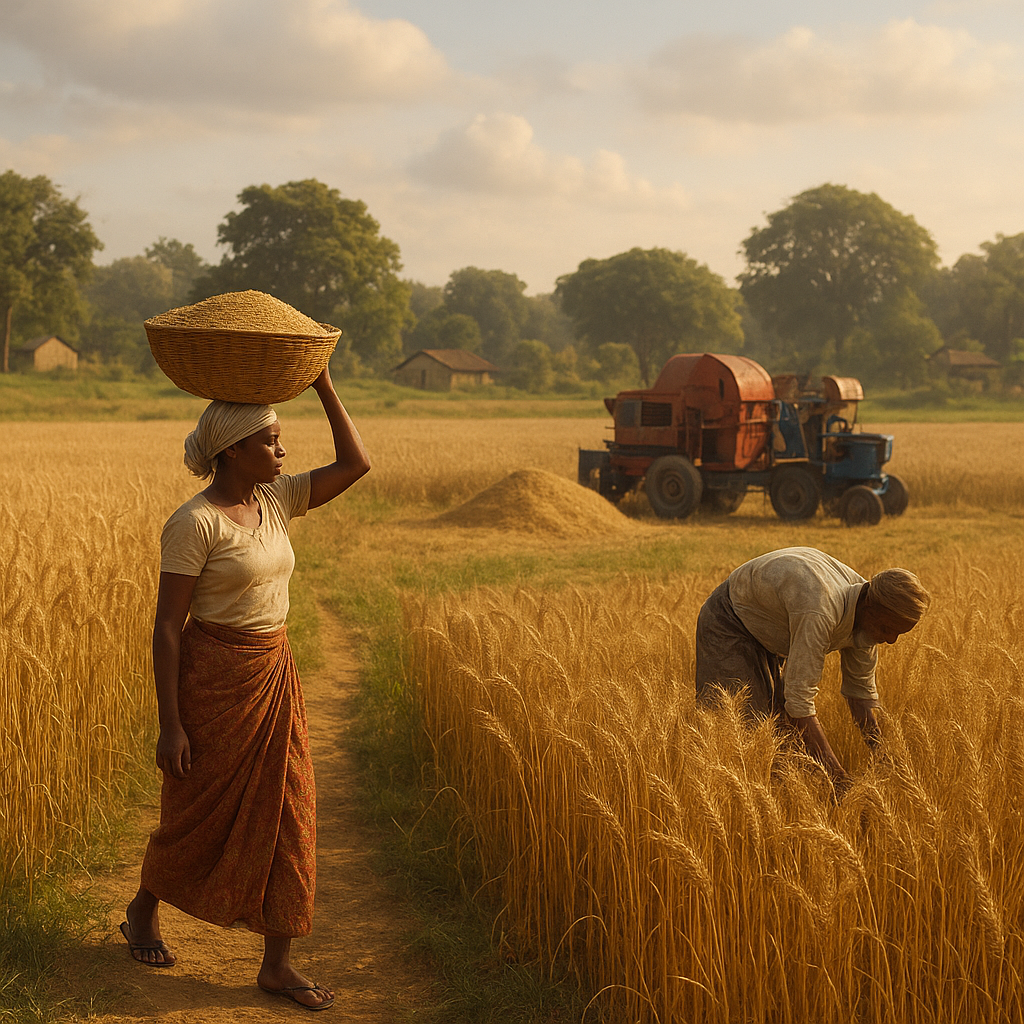
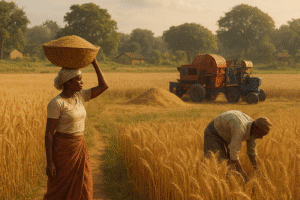
Gender roles intersect with these dynamics. Women often play central roles in grain production, storage and local marketing, yet may have less control over land, credit and formal market channels. When grain markets expand or modernize, benefits may not automatically reach them. Policies and programs that recognize and strengthen women’s roles in market participation can make overall farm decision-making more inclusive and effective.
Toward more sustainable and inclusive grain markets
As global population grows and diets evolve, grain markets will continue to exert a powerful influence over farm decisions. The challenge is to ensure that the incentives they create support not only higher production but also environmental sustainability and social inclusion. This involves refining policy tools, improving transparency and investing in rural infrastructure and knowledge.
Clear and timely market information helps align farmer decisions with real demand, reducing wasteful overproduction and shortages. Better storage and transport systems lower post-harvest losses, smoothing seasonal price swings and giving farmers more options about when and where to sell. Financial services tailored to agriculture, including credit, insurance and savings products, enable producers to respond to price signals without taking on unsustainable risks.
At the same time, integrating environmental costs and benefits into grain markets is becoming increasingly important. Incentives for conservation agriculture, soil health, reduced emissions and efficient water use can be designed to complement rather than compete with traditional price signals. When farmers are rewarded for both quantity and sustainability, their decisions better serve long-term food security.
Ultimately, grain markets are not abstract mechanisms; they are human systems shaped by institutions, technology and collective choices. By improving how these markets function and how farmers engage with them, societies can support more resilient rural economies and a more secure global food supply. The decisions made on individual farms each season, guided by the subtle and powerful pull of grain prices, will continue to shape landscapes, livelihoods and diets around the world.