



The global grain market is characterized by unprecedented volatility that affects food security, economic stability, and geopolitical relations around the world. Sharp price swings in staples such as wheat, corn, and rice can lead to social unrest, disrupt trade flows, and undermine agricultural productivity. Understanding the intricate interplay of factors driving these fluctuations is essential to building a more resilient and sustainable supply network. This article explores key market dynamics, identifies root causes, and proposes actionable solutions to stabilize grain markets and safeguard the welfare of producers and consumers alike.
Market Dynamics and Price Fluctuations
Grain prices respond to a complex blend of supply-and-demand signals, global trade policies, and external shocks. Over the past decade, price peaks in wheat and corn have coincided with droughts in major exporting regions, surging energy costs, and shifting consumption patterns in emerging economies. While some fluctuations reflect normal seasonal cycles, others stem from structural vulnerabilities that amplify small disturbances into major market swings.
- Supply Variability: Yields depend on weather, soil health, and technological inputs.
- Demand Shocks: Changes in biofuel mandates, livestock feed needs, and dietary shifts in developing nations.
- Trade Barriers: Export restrictions, tariffs, and embargoes can trigger panic buying or oversupply.
- Currency Movements: Exchange-rate fluctuations alter competitive positions of exporters.
These dynamics create an environment where even minor disruptions—such as a cold snap in the Midwest or a logistical bottleneck at a major port—can send ripples through the entire system, leading to sudden price surges or collapses.
Underlying Causes of Volatility
Climate and Environmental Pressures
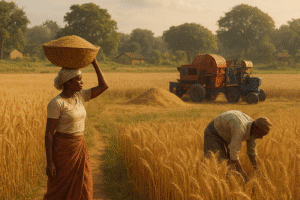
Extreme weather events, driven by climate change, are becoming more frequent and severe. Prolonged droughts, unseasonal frosts, and intense heatwaves reduce crop yields and shrink buffer stocks. Soil degradation and water scarcity further undermine productivity, forcing farmers to rely on expensive inputs to maintain output levels. As weather patterns grow less predictable, market participants struggle to forecast supply accurately, driving speculative positions that can exacerbate price swings.
Geopolitical Tensions and Trade Policies
Political conflicts and sanctions in key grain-producing regions can instantly disrupt export flows. For instance, tensions in Eastern Europe or trade disputes between major powers may lead to sudden imposition of tariffs or quotas. Such measures not only disrupt bilateral trade but also spark a domino effect as countries scramble to secure alternative supplies. Governments sometimes deploy export bans to protect domestic markets, but these actions tighten global availability and fuel price spikes.
Speculation and Financialization
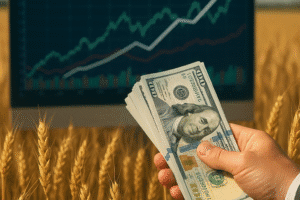
The growing presence of financial investors in commodity markets has amplified price volatility. Futures contracts and derivative products allow traders to take large positions with relatively small capital outlays, magnifying the impact of market sentiment. During periods of uncertainty, speculative capital can flood into grain futures, driving prices away from fundamental supply-and-demand balances. This speculation can provide liquidity but also intensify rapid swings that penalize end-users and producers.
Supply Chain Disruptions
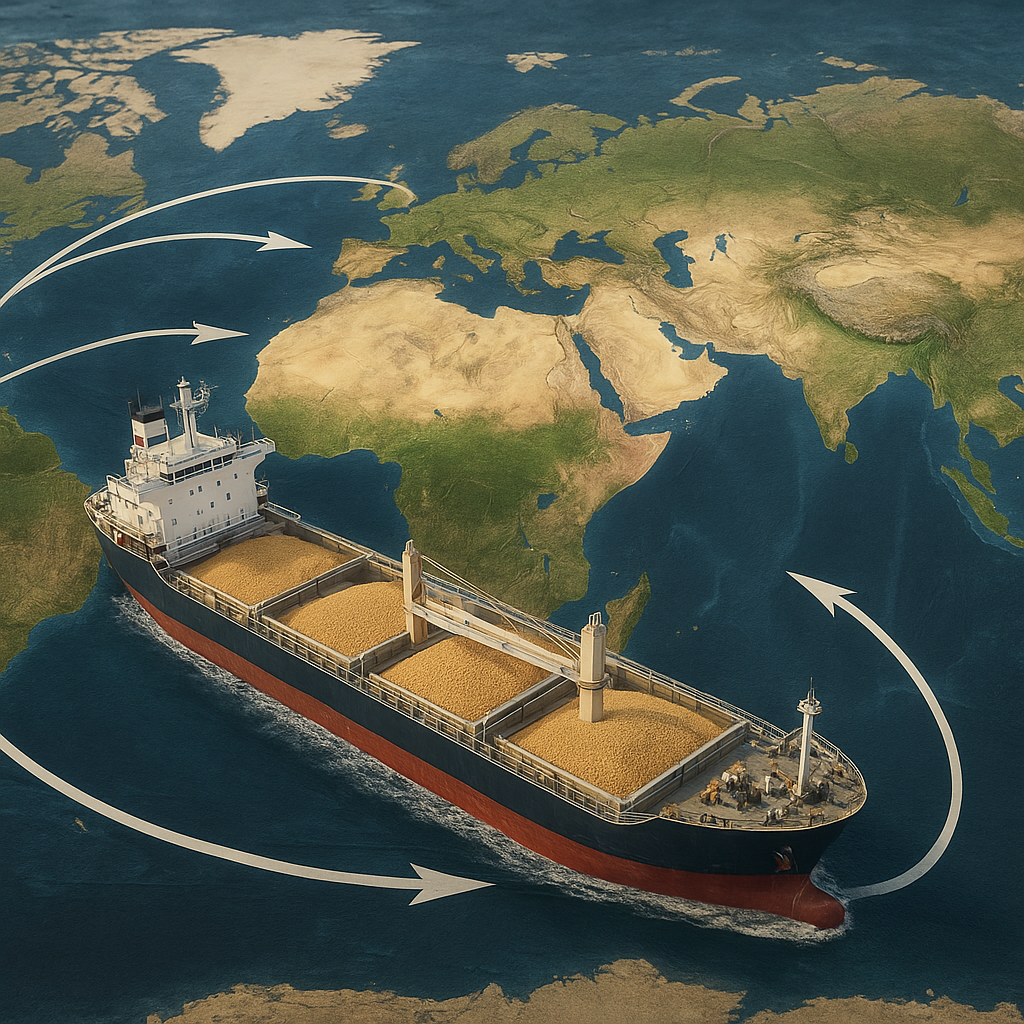
Modern grain supply chains rely on timely transportation, storage facilities, and logistical coordination. Port congestions, labor strikes, or infrastructure failures can delay shipments and reduce effective supply. For example, a shutdown at a key grain port can force exporters to reroute shipments over longer distances, raising costs and delaying deliveries. The increased complexity of global logistics makes the system more efficient under normal conditions but also more fragile when unexpected events occur.
Potential Solutions and Mitigation Strategies
Investment in Sustainable Agriculture
Enhancing on-farm efficiency and ecological resilience is paramount. Practices such as conservation tillage, crop rotation, and precision farming can boost yields while reducing vulnerability to environmental stressors. Encouraging farmers to adopt drought-resistant seed varieties and integrated pest management lowers production risks. Public-private partnerships to fund research and extension services can accelerate the diffusion of best practices and support long-term resilience.
Market Transparency and Data Sharing
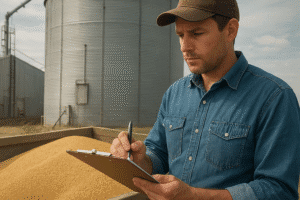
Improved access to real-time market data helps stakeholders make informed decisions and reduces the scope for panic-driven trades. Centralized platforms that aggregate information on planting intentions, harvest forecasts, stock levels, and shipping schedules foster greater transparency. Early warning systems for extreme weather and logistic disruptions enable traders and policymakers to anticipate shortages and implement targeted interventions before prices spiral out of control.
Diversification of Trade Partnerships
Relying on a narrow set of suppliers increases exposure to regional shocks. By expanding trade networks across multiple continents, importing countries can buffer against localized crop failures or political upheavals. Strategic grain reserves, managed at national or regional levels, further smooth out short-term supply gaps. Collaborative agreements that reduce tariffs and standardize quality metrics can facilitate reliable cross-border flows and diminish the likelihood of protectionist retaliation.
Technological Innovation and Infrastructure Upgrades
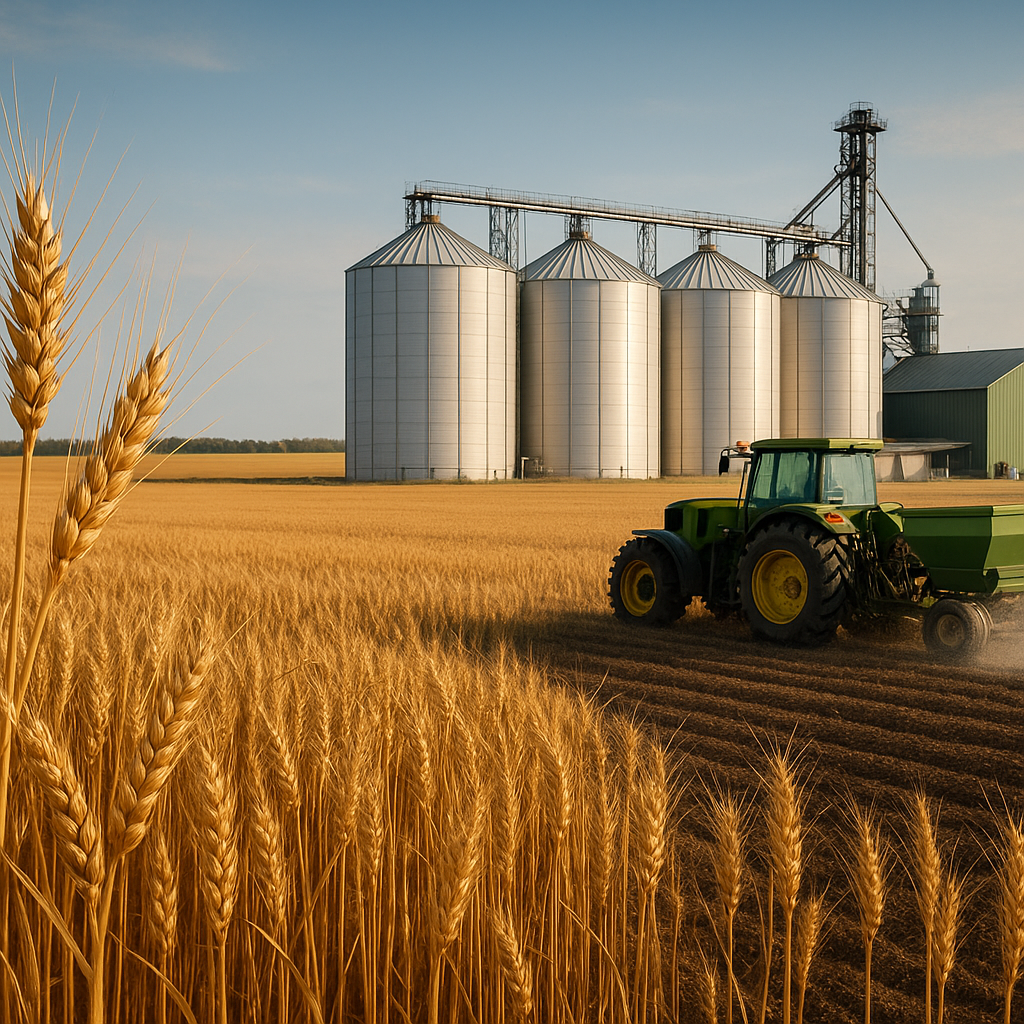
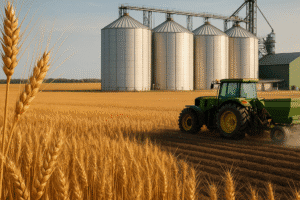
Advances in storage, handling, and transport technologies can significantly lower post-harvest losses and enhance supply chain robustness. Grain elevators with climate-controlled silos, blockchain-enabled traceability systems, and automated loading facilities increase efficiency and accountability. Investments in railways, inland waterways, and rural road networks reduce dependency on congested seaports. Deploying digital platforms for contract enforcement and insurance schemes helps producers hedge price risks and secure financing.
Policy Coordination and International Cooperation
Effective solutions require collaboration among governments, multilateral organizations, and private-sector actors. Harmonizing export guidelines, reducing redundant inspections, and establishing emergency grain corridors can alleviate bottlenecks during crises. Coordinated responses—such as joint purchases for humanitarian programs—help stabilize demand and signal collective commitment to market stability. International frameworks that discourage unilateral export bans and promote equitable access to essential grains are critical for long-term price moderation.