




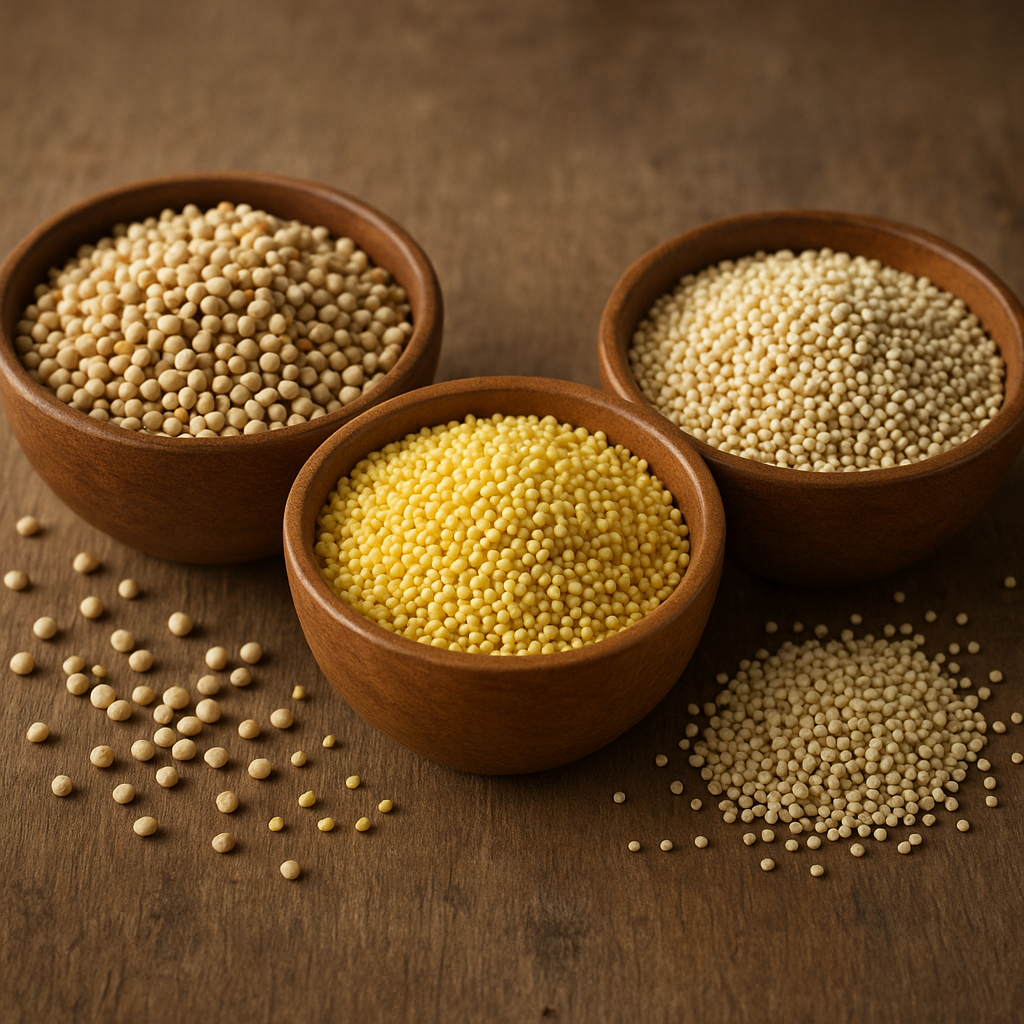
The global shift toward diverse and resilient food systems has put a spotlight on sorghum, millet, and quinoa as viable alternatives to conventional staples. These grains are celebrated for their unique agronomic traits, robust nutrition profiles, and promising roles in reshaping both local and international market landscapes. From the drought-tolerant fields of sub-Saharan Africa to the Andean highlands, these crops are redefining the future of sustainable agriculture and dietary innovation.
Historical Significance and Cultural Roots
For millennia, communities have cultivated sorghum, millet, and quinoa under varying environmental pressures. Their long-standing presence in agrarian societies highlights an inherent resilience that modern breeding programs strive to amplify.
- Sorghum: Native to Africa, sorghum’s cultivation dates back over 5,000 years. It became a dietary mainstay in regions where maize and wheat struggled to thrive, embodying remarkable adaptability to heat and poor soils.
- Millet: An umbrella term for several species, millet was among the earliest domesticated grains in East Asia and Africa. Its small seeds have supported communities facing erratic rainfall, securing its place in traditional porridges, flatbreads, and fermented beverages.
- Quinoa: Revered by Andean civilizations, quinoa has been called the “mother of grains.” Its cultural importance spanned sacred rituals to staple meals, providing both spiritual and practical sustenance at elevations above 3,000 meters.
Beyond sustenance, these grains often featured in ceremonial dishes and local economies, underpinning trade networks long before the emergence of global supply chains.
Nutritional Profiles and Health Benefits
Nutritionists classify sorghum, millet, and quinoa as nutrient-dense options. Their composition offers a wealth of proteins, vitamins, and minerals with minimal processing.
Sorghum
- Protein content of 10–15%, rich in essential amino acids.
- High in antioxidants like phenolic compounds, which support oxidative stress reduction.
- Gluten-free, making it suitable for celiac and gluten-sensitive consumers.
Millet
- Contains beneficial fibers aiding digestion and glycemic control.
- Source of magnesium, phosphorus, and B vitamins critical for metabolism.
- Low glycemic index, helping to stabilize blood sugar levels.
Quinoa
- Complete protein profile with all nine essential amino acids.
- High levels of iron, zinc, and lysine support immune function and growth.
- Rich in unsaturated fatty acids, promoting cardiovascular health.
Consumers increasingly seek these gluten-free grains for their functional properties. From bakery goods to breakfast cereals, the versatility of these ingredients has catalyzed an explosion of health-oriented product development.
Market Dynamics and Economic Potential
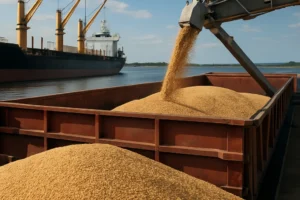
The trade of sorghum, millet, and quinoa has surged as both public and private sectors invest in sustainability and dietary diversity. Analysts project double-digit growth for alternative grains over the coming decade.
- Global quinoa exports rose by over 200% in the past decade, driven by consumer demand in North America and Europe.
- Millet production remains steady in Asia and Africa, yet value-added processing lags behind, indicating untapped export potential.
- Sorghum’s role in animal feed is well-established, but new ethanol and human-food applications are boosting its profitability.
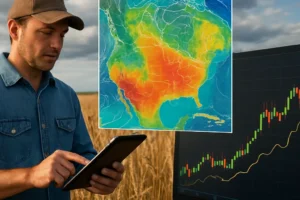
Price volatility remains a concern, as smaller-holder farmers face market access barriers and fluctuating input costs. To foster equitable growth, stakeholders promote collective marketing strategies and direct-to-consumer branding, ensuring farmers capture a fair share of value chains.
Agronomic Practices and Sustainability
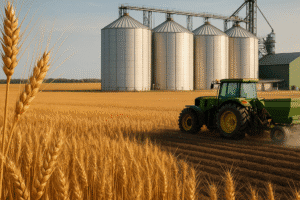
Modern agriculture is challenged by climate change, resource constraints, and land degradation. Sorghum, millet, and quinoa offer strategies to mitigate these pressures through inherent biodiversity and low-input requirements.
- Water Efficiency: Sorghum and millet can thrive on as little as 300–400 mm of annual rainfall, compared to 600–800 mm required for maize.
- Climate Adaptation: Quinoa’s frost tolerance and sorghum’s heat resistance provide buffers against temperature extremes.
- Soil Health: Intercropping millet with legumes improves nitrogen fixation, reducing the need for synthetic fertilizers.
Agroecological approaches that integrate these grains into rotation systems have shown to increase overall farm resilience and carbon sequestration, promoting long-term soil fertility and ecosystem services.
Innovations in Processing and Product Development
Food scientists and entrepreneurs are unlocking new applications for these grains, transforming traditional staples into contemporary delicacies.
- Extruded sorghum snacks infused with superfood extracts for functional snacking.
- Milled millet flours blended with pulses to create high-protein baking mixes.
- Quinoa-based pasta and crispbreads offering superior texture and amino acid balance.
- Fermented sorghum and millet beverages that cater to craft-brewing markets.
Cross-disciplinary innovation has led to the encapsulation of millet peptides for nutraceuticals, while quinoa starches are used in biodegradable packaging films. These advancements illustrate the multifaceted potential of alternative grains in both food and non-food industries.