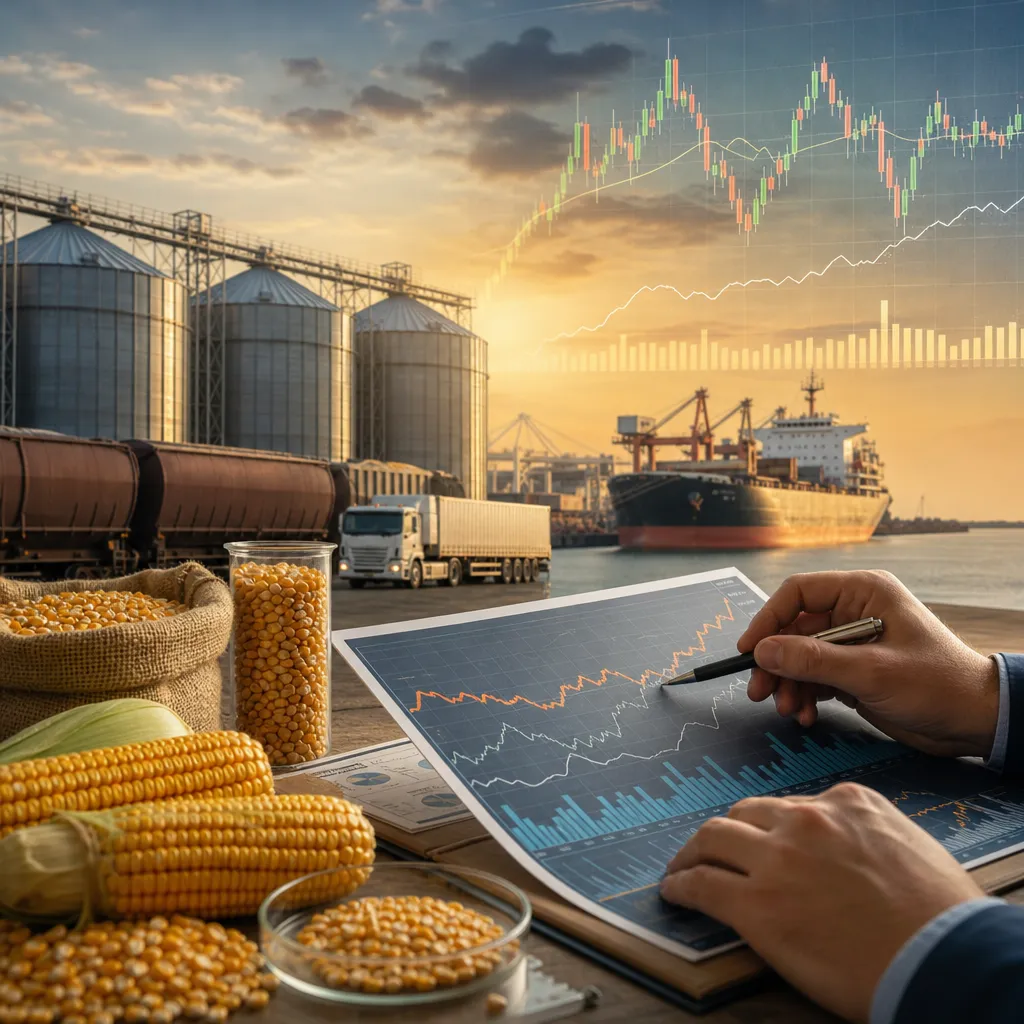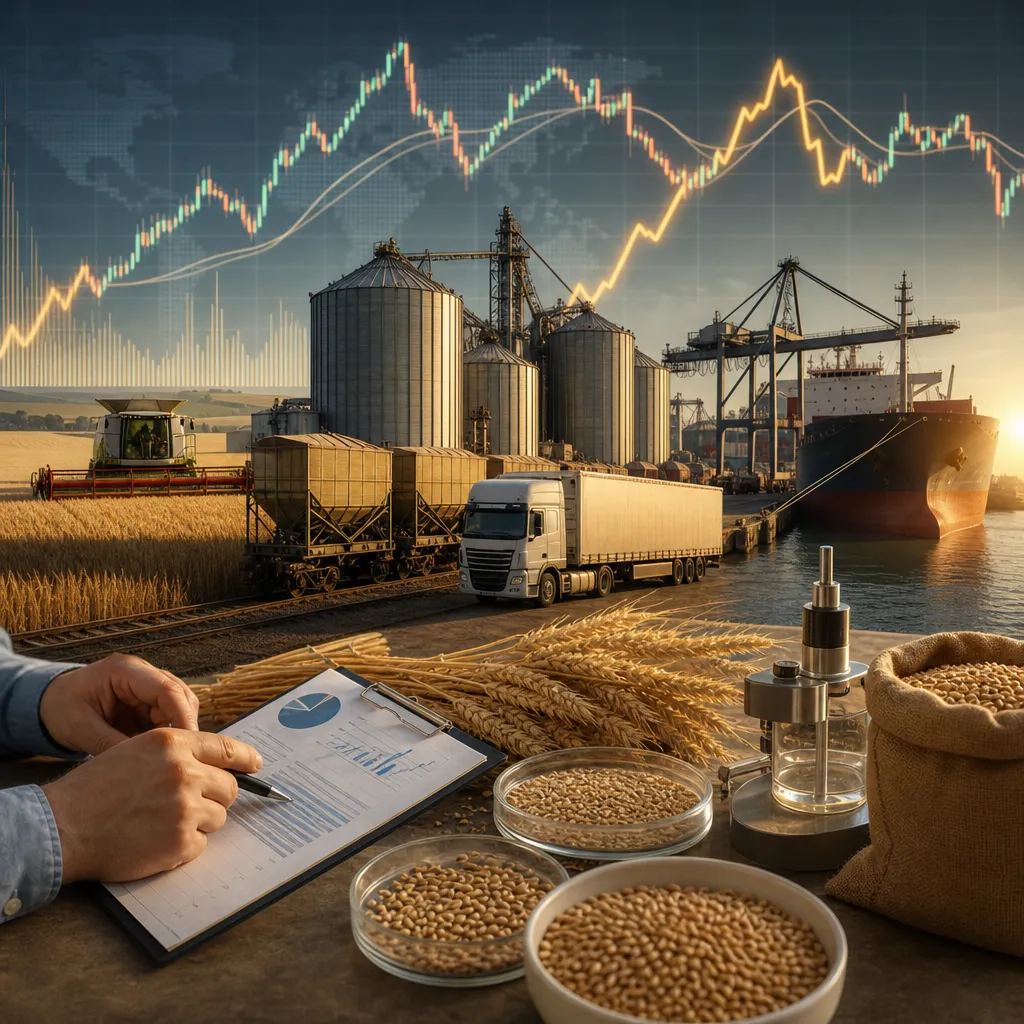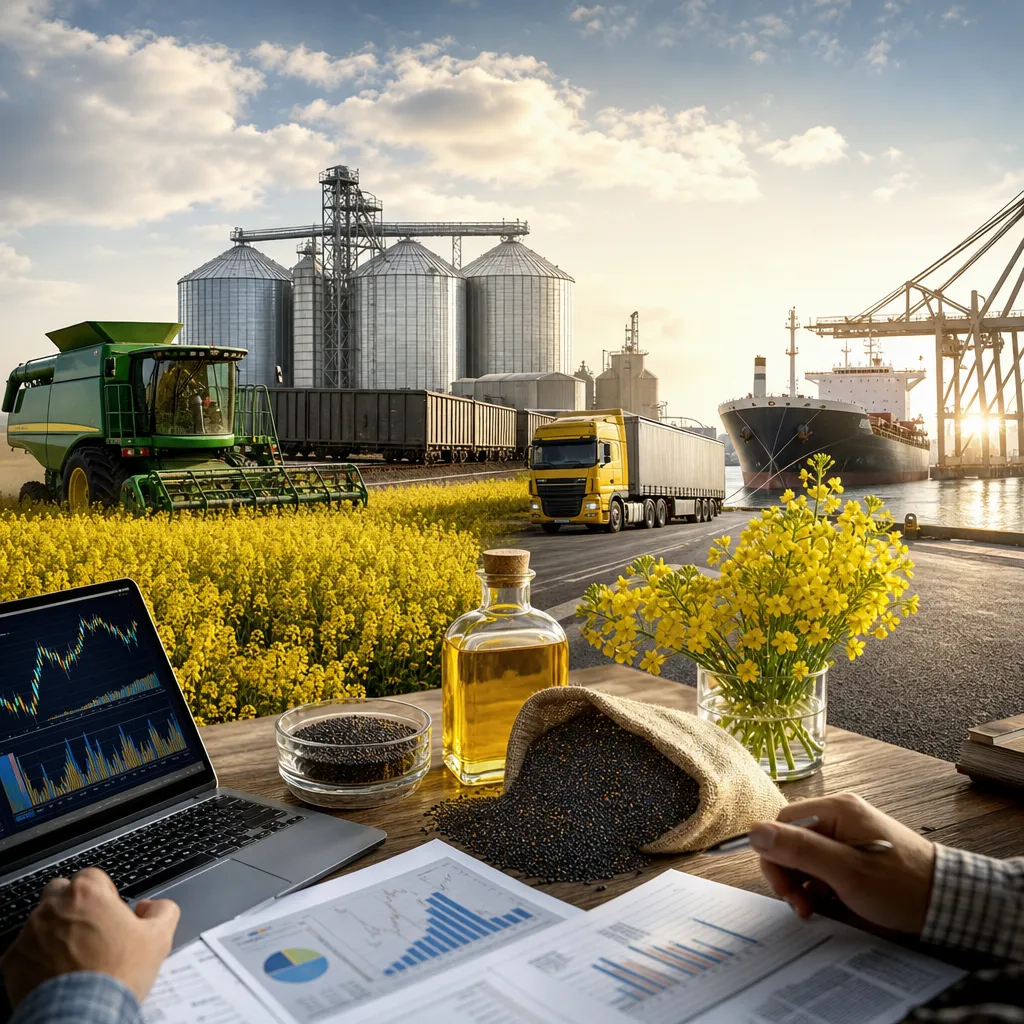






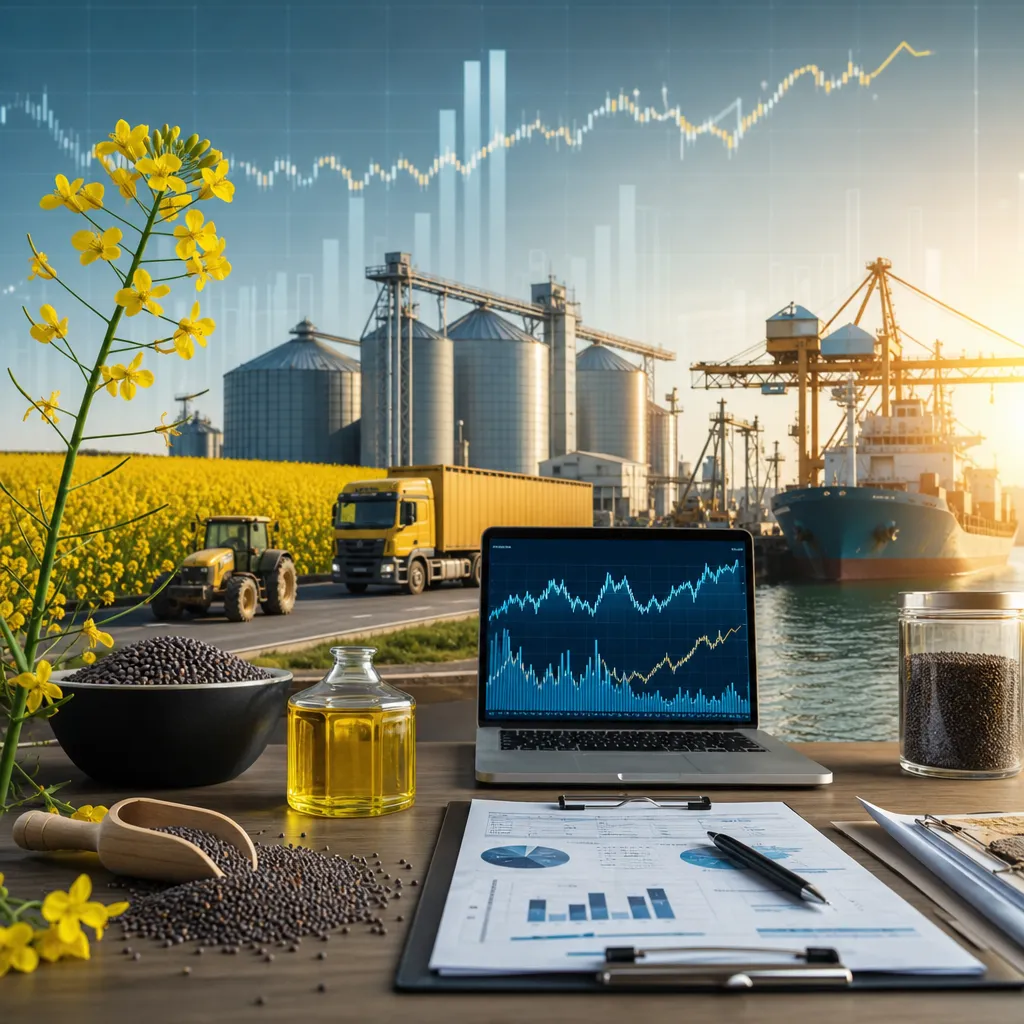
The EU rapeseed futures market is the main listed price benchmark for rapeseed in Europe, even though the European Union itself is not an exchange. In practice, when traders, crushers, merchants, and farmers refer to “EU rapeseed futures,” they usually mean the rapeseed futures contract traded on Euronext, the exchange that serves as the core derivatives marketplace for much of the European grain and oilseed trade. The market is quoted in euros per metric tonne and is used to manage price risk, monitor sentiment, and help value physical cargoes and inland cash transactions. It matters well beyond the exchange screen because it influences farm marketing, crusher procurement, import economics, and export competitiveness across the EU.
Geographically, this is a European market centered on the EU rapeseed supply chain, with particular relevance for major producing and consuming countries such as France, Germany, Poland, Romania, and other member states involved in oilseed crushing and biodiesel demand. The listed futures benchmark is financial and exchange-traded, but it is closely connected to physical rapeseed moving by truck, rail, barge, and vessel within Europe and through import channels from non-EU origins. Understanding the market requires separating the futures benchmark from local cash prices, basis, and delivered values. It also requires knowing where reliable price information can actually be checked and how physical grain and futures are used differently.
What the EU rapeseed futures market means
The EU rapeseed futures market is a benchmark market for pricing and hedging rapeseed in Europe. The underlying commodity is rapeseed, an oilseed used mainly for vegetable oil, biodiesel feedstock, and rapeseed meal for animal feed. In most market commentary, “EU rapeseed futures” refers to the Euronext rapeseed contract, often still informally called MATIF rapeseed because of the market’s historical identity.
This benchmark matters because Europe has a large crush industry and significant biofuel-linked demand. At the same time, the EU can be both a major producer and a major importer, depending on crop size and demand conditions. That makes rapeseed prices in Europe sensitive not only to domestic weather and yields, but also to global vegetable oil markets, Black Sea supply, Canadian canola trends, import flows, energy prices, and currency movement.
The standard market language is euro per metric tonne. Futures prices are not the same thing as the price a farmer receives at the farm gate, the price a crusher pays delivered to plant, or the value of an imported cargo at port. They are the benchmark around which many physical prices are negotiated.
Where the market operates
The futures market operates on Euronext, the major European exchange group. For rapeseed, Euronext provides the central listed marketplace used by commercial hedgers and financial participants to discover price and manage risk. The contract is relevant across the EU, even though physical rapeseed is grown, processed, stored, and transported in many different countries and regions.
The physical market operates through a much broader network. Rapeseed is bought and sold inland by cooperatives, country elevators, grain merchants, crushers, feed manufacturers, and exporters or importers. Some transactions are farm-gate, some are ex-warehouse, and others are delivered to a crusher, river terminal, rail point, or seaport. In practical terms, the “EU rapeseed market” is therefore not one single location but a connected regional market with Euronext acting as the benchmark point for pricing risk.
France is especially important because of its role in Euronext grain trading and its place in EU oilseed production and logistics. Germany is a key crushing and consumption market. Other member states contribute production, internal trade, and supply to crushers and export channels. Imports from non-EU origins can also play a major role in balancing the market.
How prices are formed
EU rapeseed prices are formed through the interaction of futures, basis, quality, logistics, and local supply and demand. The futures price reflects the value discovered on the exchange. That value reacts to expectations about production, stocks, energy prices, vegetable oil markets, macro sentiment, and related oilseed markets. But a physical buyer does not simply pay the screen price.
A local cash bid is usually built from a benchmark futures value plus or minus a basis. Basis is the difference between the local cash price and the relevant futures contract. A stronger basis may reflect tight local supplies, strong crusher demand, or advantageous logistics. A weaker basis may reflect harvest pressure, high transport costs, storage congestion, or limited buyer competition.
Different physical prices can exist at the same time:
| Price type | Where quoted | What it means |
|---|---|---|
| Futures price | Euronext | Exchange-traded benchmark in euro per tonne for a specified contract month |
| Cash bid | Cooperative, merchant, crusher | Price for physical seed in a local market, often linked to futures plus or minus basis |
| Delivered price | Plant, terminal, warehouse | Physical price including delivery to a named location |
| FOB price | Export port market | Price of goods loaded on board at the port of shipment |
| CIF price | Import market | Imported cost including freight and insurance to the destination port |
Local prices can diverge from futures because of oil content, moisture, impurities, sustainability requirements, timing, storage costs, freight costs, and nearby buyer demand. Currency matters as well. The futures benchmark is in euros, but imported rapeseed or competing oilseeds may be valued relative to international trade flows that are influenced by other currencies and freight economics.
How rapeseed is actually bought, sold, traded, and hedged
Physical and futures trading should be kept separate.
Physical grain and oilseed trade
In the real-world rapeseed market, farmers typically sell to a cooperative, collector, merchant, or directly to a crusher where that channel exists. Contracts may be spot, forward, or basis-based. The buyer will usually define quality terms, delivery window, location, and payment terms. A crusher may prefer delivered or ex-store material that meets specific processing requirements. Export or import traders may buy larger parcels for terminal movement or vessel execution.
Merchants then assemble physical volume, manage storage and transport, and resell into domestic processing, export channels, or intra-EU trade. Imported seed enters through port logistics and is then moved inland to crushers or other users. Physical trade depends on counterparty quality, contract performance, and logistics execution as much as on headline market price.
Futures and options market use
Futures trading takes place through Euronext access via a broker or a trading platform connected to a clearing member. A futures position gives price exposure, not physical ownership in the same sense as buying a truckload or cargo of seed. Commercial participants use futures to hedge price risk. For example, a crusher buying physical rapeseed may sell futures to protect margins, while a merchant holding stock may hedge against a fall in benchmark prices. Farmers or cooperatives may also use hedging, directly or indirectly, where local market infrastructure supports it.
Speculators also trade the contract, adding liquidity but not necessarily handling physical seed. Futures involve margining and leverage, which means gains and losses are settled financially as market prices move. Hedging reduces benchmark price risk, but it does not remove basis risk. A merchant can hedge the futures component and still face changes in local basis, freight, or quality spreads.
Where to check prices and market information online
Readers looking for current or recent EU rapeseed futures prices should check the official exchange and recognized market information providers rather than rely on generic references. The most direct benchmark source is Euronext, which publishes contract information and market data for rapeseed futures. Depending on access level, delayed or end-of-day information may be easier to obtain than live professional data.
For broader market context, useful official and institutional sources include the European Commission for EU agricultural and oilseed market analysis, and the USDA for global oilseed balance sheets, trade flows, and comparative supply-demand context. Eurostat is also useful for trade and production data, though not for live exchange pricing.
For local cash prices, the best practical sources are often not the exchange at all. Farmers and physical traders usually check:
- local cooperatives and grain merchants for spot and forward bids,
- crusher procurement indications,
- national market reporting services where available,
- broker and trading platform screens for listed futures,
- official market bulletins from relevant public institutions.
A key practical point is that a Euronext rapeseed futures quote is not the same as a local farm bid in Poland, Germany, or France. Cash bids may include local discounts or premiums for transport, quality, timing, and buyer competition.
| Source type | What it helps with | Best use |
|---|---|---|
| Euronext | Benchmark futures prices and contract information | Checking the listed EU rapeseed benchmark |
| European Commission | EU agricultural market outlook and sector context | Following policy, supply-demand themes, and market commentary |
| USDA | Global oilseed production, trade, and stocks analysis | Comparing the EU market with world oilseed fundamentals |
| Cooperatives, merchants, crushers | Actual physical buying prices | Checking local bids and delivery terms |
What drives the EU rapeseed market
EU rapeseed futures respond to a mix of regional and global drivers. Weather during planting, winter survival, spring development, and harvest can quickly change production expectations. Acreage shifts matter because farmers can switch some land between oilseeds and cereals depending on relative returns, agronomy, and input economics.
Demand from the crushing industry is central. Rapeseed oil demand is shaped by food use and especially biofuel demand, while rapeseed meal demand is influenced by livestock feeding economics and competition from other protein meals. Energy prices therefore matter indirectly, sometimes strongly, because biodiesel economics can influence crush margins and rapeseed demand.
Imports are another major factor. If the EU crop is small or crushers need additional supplies, import program economics become important. That links the market to global oilseed competition and trade policy. Movements in related markets such as Canadian canola, soybean oil, palm oil, and crude oil can also influence price direction through substitution and oilseed complex relationships.
- EU weather and crop condition changes
- Harvest quality and yields
- Crusher margins and biodiesel demand
- Import availability and trade flows
- Energy prices and vegetable oil markets
- Currency movement, especially for import competitiveness
- Farmer selling pace and stockholding
How the futures market connects to exports and imports
The EU rapeseed market is not purely domestic. The region can import rapeseed to supplement internal production and meet crusher demand. When imports are needed, port values, freight, cargo availability, sustainability specifications, and destination crushing margins all influence the inland market. A port-based import value may set the ceiling or floor for some regional cash prices after adjusting for inland logistics.
Where export business exists, inland prices can be strengthened by demand for shipment through ports. Where import competition is heavy, domestic sellers may need to price against imported alternatives. This means physical price formation can depend on delivered parity or import parity, not only on local harvest size.
For merchants and processors, the practical sequence is often: assess physical supply, calculate delivered value to crusher or terminal, compare with benchmark futures, and then manage the futures exposure separately. That is why a rapeseed merchant may be long physical grain while short futures, or vice versa, depending on the book position.
Outlook: what to watch in forecasts
Any forecast for the EU rapeseed futures market should be treated as scenario-based rather than certain. Prices can move sharply when weather changes, government policy shifts, energy markets swing, or import assumptions are revised.
A bullish scenario usually involves some combination of tighter EU production, poor crop conditions, lower imports, stronger vegetable oil demand, or supportive energy prices. A bearish scenario is more likely if the EU crop improves, imports are ample, crushers slow demand, or competing global oilseed supplies weigh on the broader oilseed complex.
Readers should watch not just one headline number but the interaction of multiple factors:
| Factor | Potential effect | Why it matters |
|---|---|---|
| EU acreage and yield | Higher or lower local supply | Changes dependence on imports and crusher coverage needs |
| Import availability | Can cap or support prices | Imported seed competes with domestic rapeseed |
| Biofuel and energy trends | Affects oil demand and crush economics | Rapeseed oil has strong energy-linked relevance in Europe |
| Competing oilseeds and vegetable oils | Influences overall oilseed complex pricing | Substitution and global pricing relationships matter |
| Currency movement | Changes import and export competitiveness | The benchmark is in euros, but trade is internationally exposed |
Practical FAQ
What is the main benchmark for EU rapeseed prices?
The main benchmark is the rapeseed futures contract traded on Euronext. It is the reference price used widely across the European rapeseed trade, but it is not the same as a local physical cash bid.
In what currency and unit is EU rapeseed futures usually quoted?
The benchmark is generally discussed in euros per metric tonne. Physical prices in Europe are also commonly negotiated in euro per tonne, although local contract terms can differ by market and delivery point.
Where can I check current EU rapeseed futures prices?
The most relevant official place is Euronext. Market participants may also use broker platforms and professional data services. For local physical prices, check cooperatives, merchants, crushers, or official national market reporting where available.
Why is my local rapeseed bid different from the futures price?
Because a local bid reflects basis as well as futures. It may include transport, storage, quality adjustments, crusher demand, regional supply pressure, and timing. Futures are only the benchmark component.
Can a farmer sell rapeseed directly on the futures exchange?
Not in the same way as selling a truckload to a local buyer. A farmer can gain futures exposure through a broker if eligible and properly set up, but that is a financial hedge, not the normal physical grain sale channel. Most physical sales still happen through cooperatives, merchants, or processors.
How do crushers use the EU rapeseed futures market?
Crushers use it mainly for hedging procurement and margin risk. They buy physical seed for processing, but may use futures to lock in or protect the benchmark part of the price while managing physical basis and processing exposure separately.
Does the EU rapeseed market depend on imports?
Often yes. The degree depends on the size and quality of the EU crop and the level of crushing demand. When domestic supply is not enough, import economics become an important part of price formation.
Is EU rapeseed the same as canola?
They are closely related oilseeds, but not identical market references. In practice, European rapeseed prices are strongly influenced by the wider global oilseed complex, including Canadian canola, yet the EU benchmark remains its own market with its own logistics, regulations, and demand structure.
Sources
- Euronext
- European Commission
- USDA Foreign Agricultural Service