


The global agricultural sector is experiencing profound shifts in how cereals move across borders and respond to evolving trade patterns. By examining the complex web of producers, consumers, and intermediaries, one can uncover the pivotal factors that shape the supply chains for staple crops. In this exploration, our focus is on understanding the dynamics of the grain economies and the broader market forces driving cross-border exchanges.
Major Grain Commodities and Their Roles
Four primary cereals dominate international exchanges: wheat, corn (maize), rice, and barley. Each of these staples fulfills distinct dietary and industrial requirements, reflecting regional cultural preferences and climate suitability. Wheat is prized for its baking quality and is a strategic crop in temperate zones. Corn serves dual roles as both a foodstuff and a biofuel feedstock, shaping its price sensitivity to energy markets. Rice, while crucial for over half of the world’s population, remains less traded globally due to localized consumption patterns. Barley finds demand in livestock feed and brewing industries, offering moderate trade volumes but high value in specialized markets.
Wheat Belt and Exporters
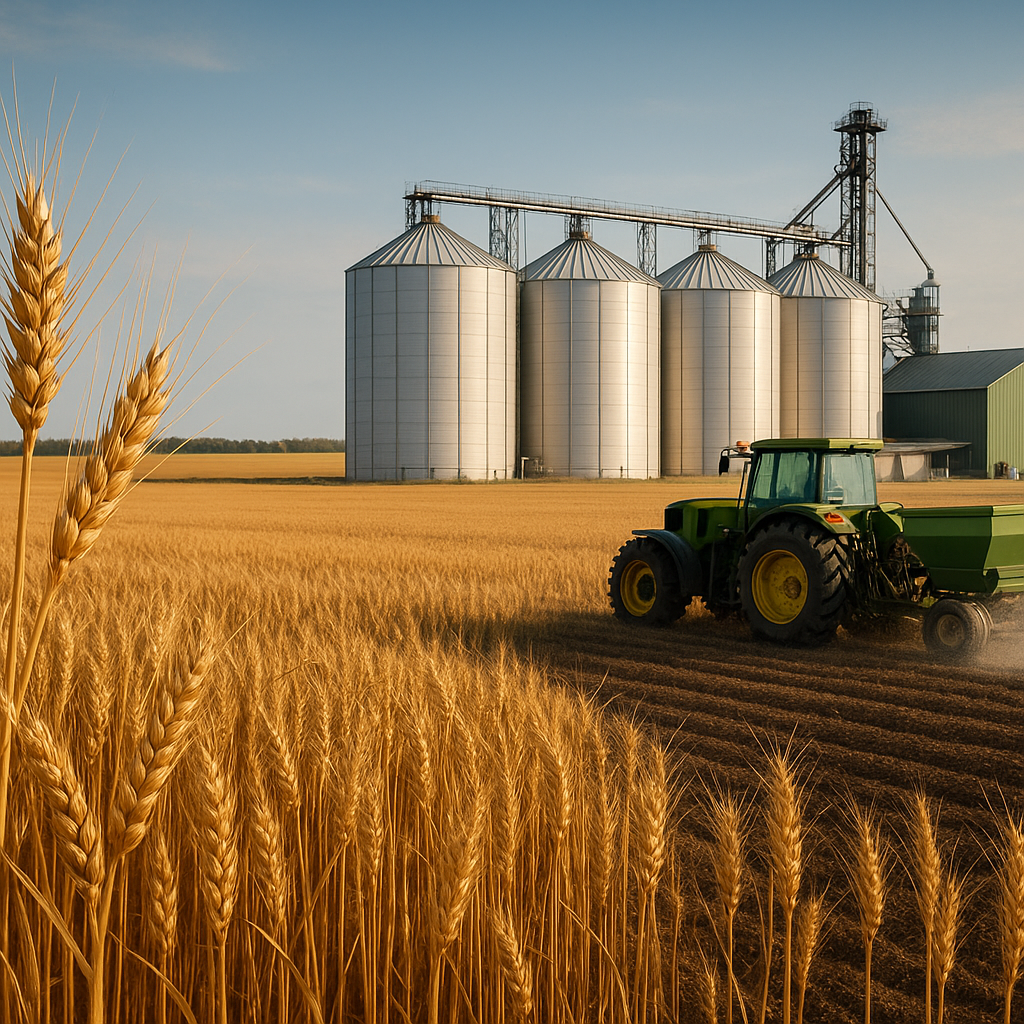
Major exporters such as the United States, Russia, Canada, and Australia leverage mechanized agriculture and favorable climatic conditions. Their capacity to stockpile and manage inventories grants them influence over seasonal pricing. Export strategies often include marketing programs, governmental subsidies, and long-term contracts that stabilize revenue streams.
- United States: advanced logistics and port infrastructure
- Russia: expanding Black Sea capacity and inland rail networks
- Canada: quality grading systems and proximity to growing Asian demand
- Australia: dryland farming innovations and seasonal hedging
Corn and Emerging Producers
The United States remains the largest corn exporter, but nations like Brazil and Argentina have ramped up production, driven by improved seeds and agricultural technology. These producers challenge traditional suppliers and diversify routes to Europe and Asia via both maritime and onshore corridors.
Dynamics of Global Grain Trade Flows
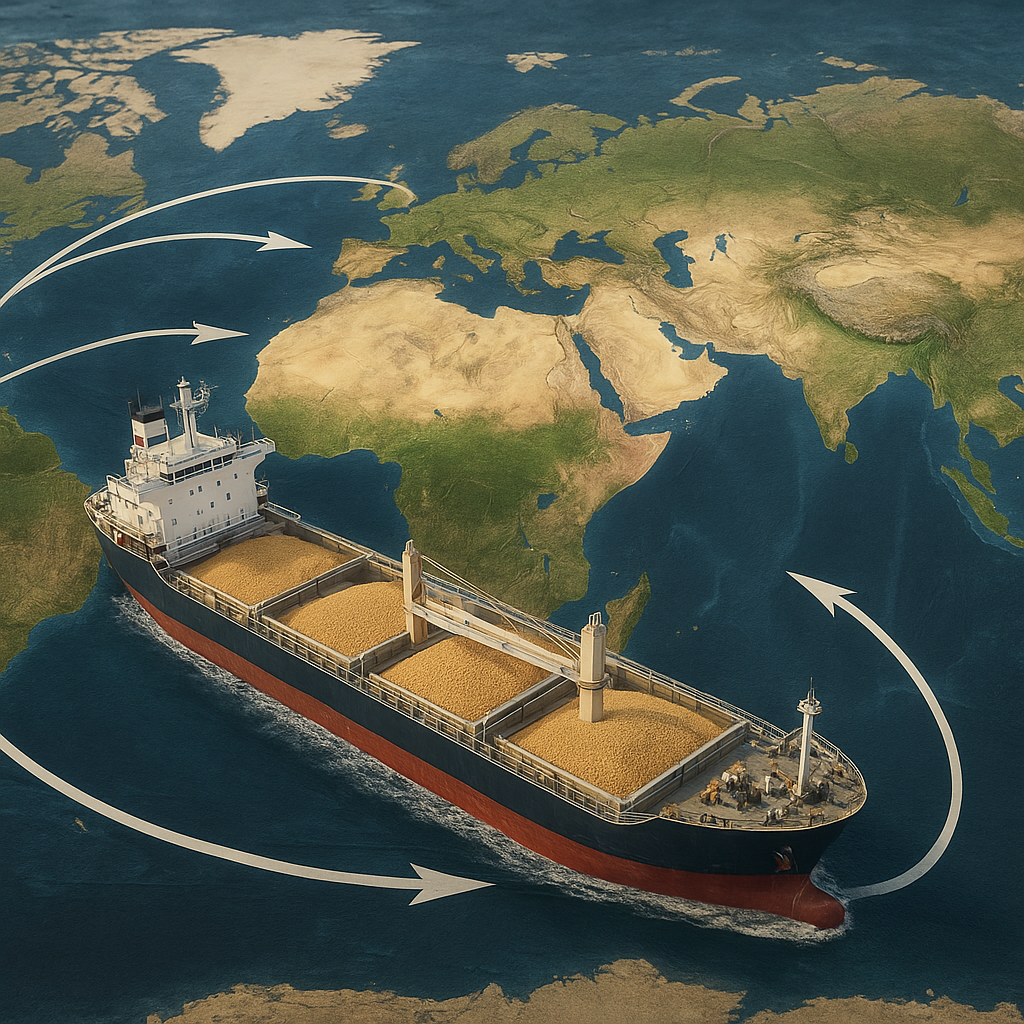
International cereal exchanges depend on seasonal harvest cycles, shipping capacities, and regulatory environments. Demand peaks in import-dependent regions—North Africa, the Middle East, and parts of Southeast Asia—coincide with harvest gaps and climatic vulnerabilities.
Seasonality and Routing
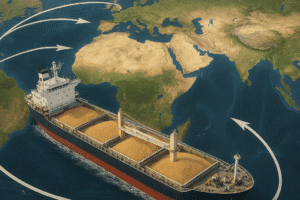
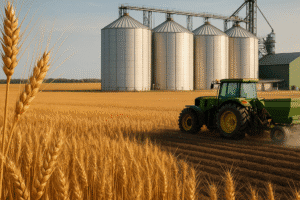
Grain shipments follow cyclical patterns. For example, Southern Hemisphere harvests in Argentina and Australia can supplement Northern Hemisphere shortages from June through September. Chartering bulk carriers and utilizing Panamax or Capesize vessels are critical decisions determined by volume and port accessibility. Storage facilities near ports ease logistical burdens but require substantial capital investment.
Risk Management and supply Chains
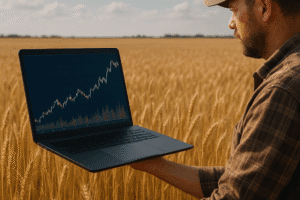
Producers and traders employ hedging strategies in futures markets to mitigate price swings. Effective risk management also includes diversifying export destinations and maintaining flexible contracts that accommodate shipping delays or quality discrepancies. Modern digital platforms enable real-time tracking of shipments, enhancing transparency across the chain.
- Inventory rotation in silos and on barges
- Transshipment hubs in Europe and Southeast Asia
- Cross-border rail corridors linking inland producers to seaports
- Insurance mechanisms for cargo loss and contamination
Trade Policies and Tariffs Impact
Government interventions profoundly influence cereal exchange volumes. Export quotas, import levies, and price supports can either facilitate or hinder trade. Nations enact measures to protect domestic farmers during price downturns, while consumer-facing regulations aim to secure affordable staples.
Protectionist Measures
High tariffs on imported wheat in regions seeking self-sufficiency can distort global price signals, incentivizing overproduction elsewhere. Conversely, tariff reductions through free-trade agreements have opened corridors, lowering costs for importers and expanding market access for exporters.
Subsidies and Support Programs
Large-scale subsidy schemes—common in North America and the European Union—artificially bolster producer revenues. While these programs can stabilize rural economies, they also prompt international disputes at forums such as the World Trade Organization (WTO).
- Countervailing duties in response to unfair pricing
- Safeguard clauses to limit import surges
- Technical barriers, including phytosanitary standards
- Export credit guarantees to underwrite shipment financing
All these factors intersect with the necessity for agile logistics networks. From inland grain elevators to deepwater ports, the alignment of infrastructure investments with policy frameworks determines the efficiency of global cereal distribution.
Sustainability and Future Outlook
As climate variability intensifies, stakeholders prioritize resilient agricultural practices. Soil conservation, precision farming, and drought-resistant crop varieties aim to ensure stable yields. At the same time, shifting dietary trends and population growth drive evolving demand patterns.
Environmental Concerns
Greenhouse gas emissions from fertilizer use and mechanized operations prompt calls for low-carbon cultivation models. Carbon offset programs and regenerative agriculture certifications are emerging to valorize eco-friendly practices. Companies that integrate sustainability metrics into procurement policies can unlock premium markets.
Technological Innovations
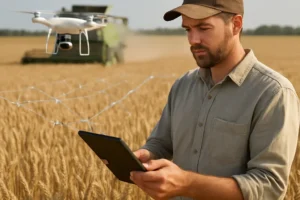
Digital agriculture platforms harness satellite imagery and AI-driven analytics to optimize planting schedules and resource allocation. Such technologies help farmers adapt to erratic weather and reduce water consumption. Enhanced traceability systems also bolster consumer confidence by verifying origin claims and quality parameters.
- Blockchain-enabled supply chain audits
- IoT sensors for real-time crop monitoring
- Gene editing techniques for pest-resistant varieties
- Renewable energy integration in processing facilities
Looking ahead, the global cereal ecosystem will be defined by the balance between traditional trade patterns and innovation-driven transformations. Stakeholders who anticipate shifting regulatory landscapes, embrace digital tools, and champion environmental stewardship are best poised to navigate forthcoming challenges in the world’s most vital demand-sensitive sector rife with volatility.