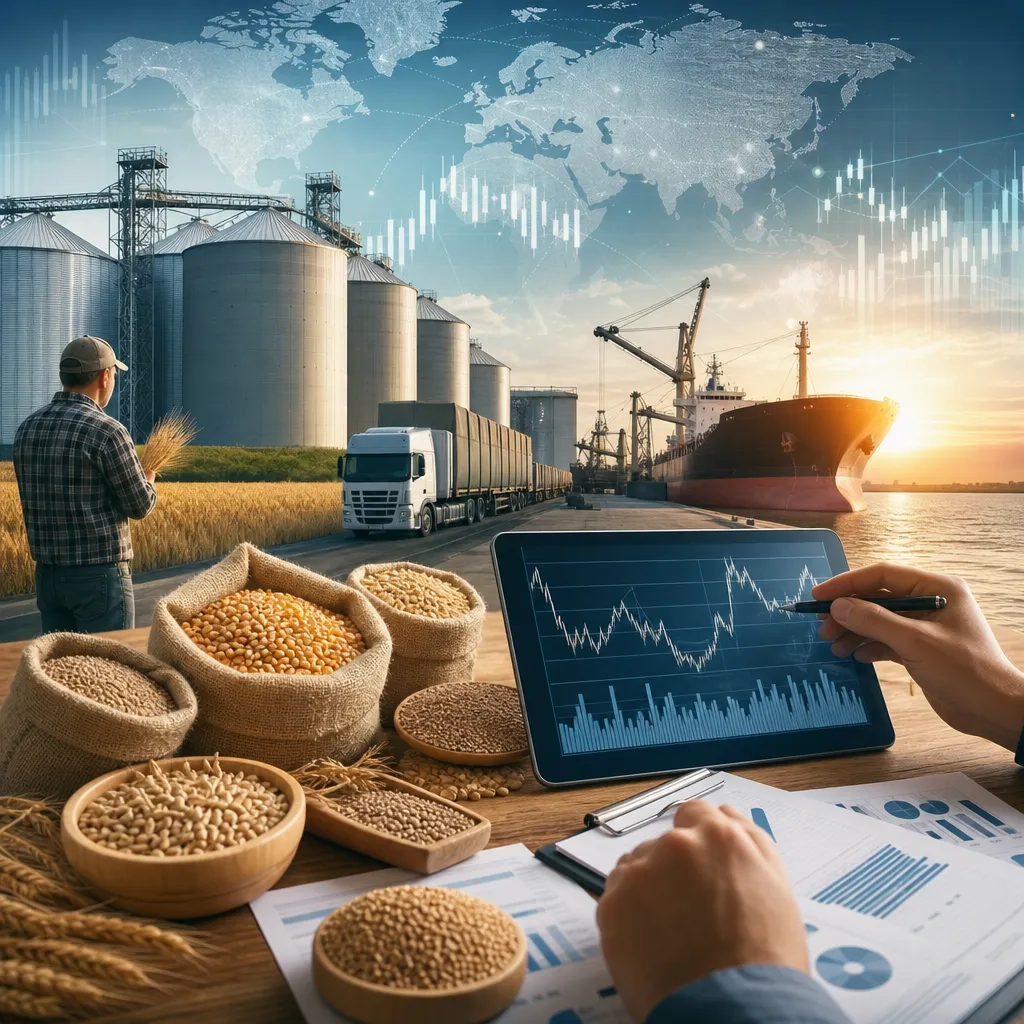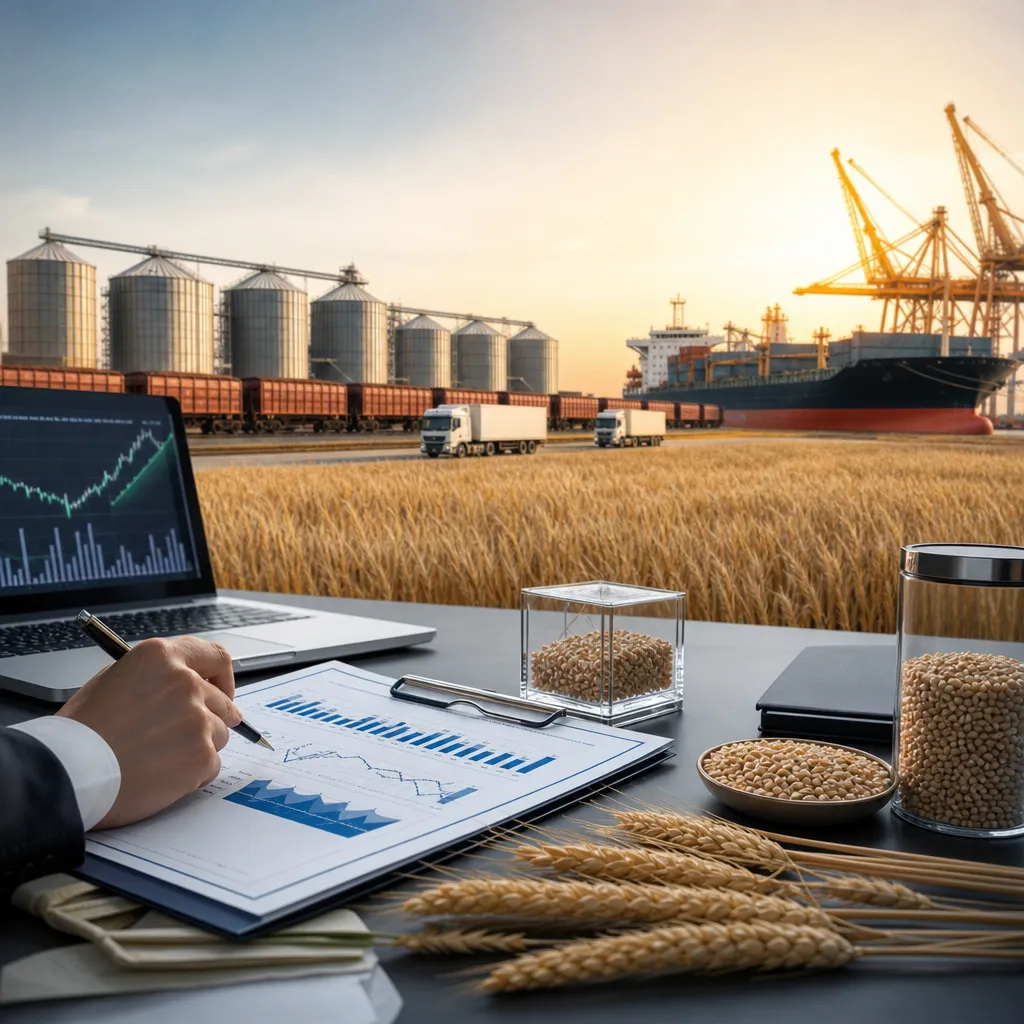
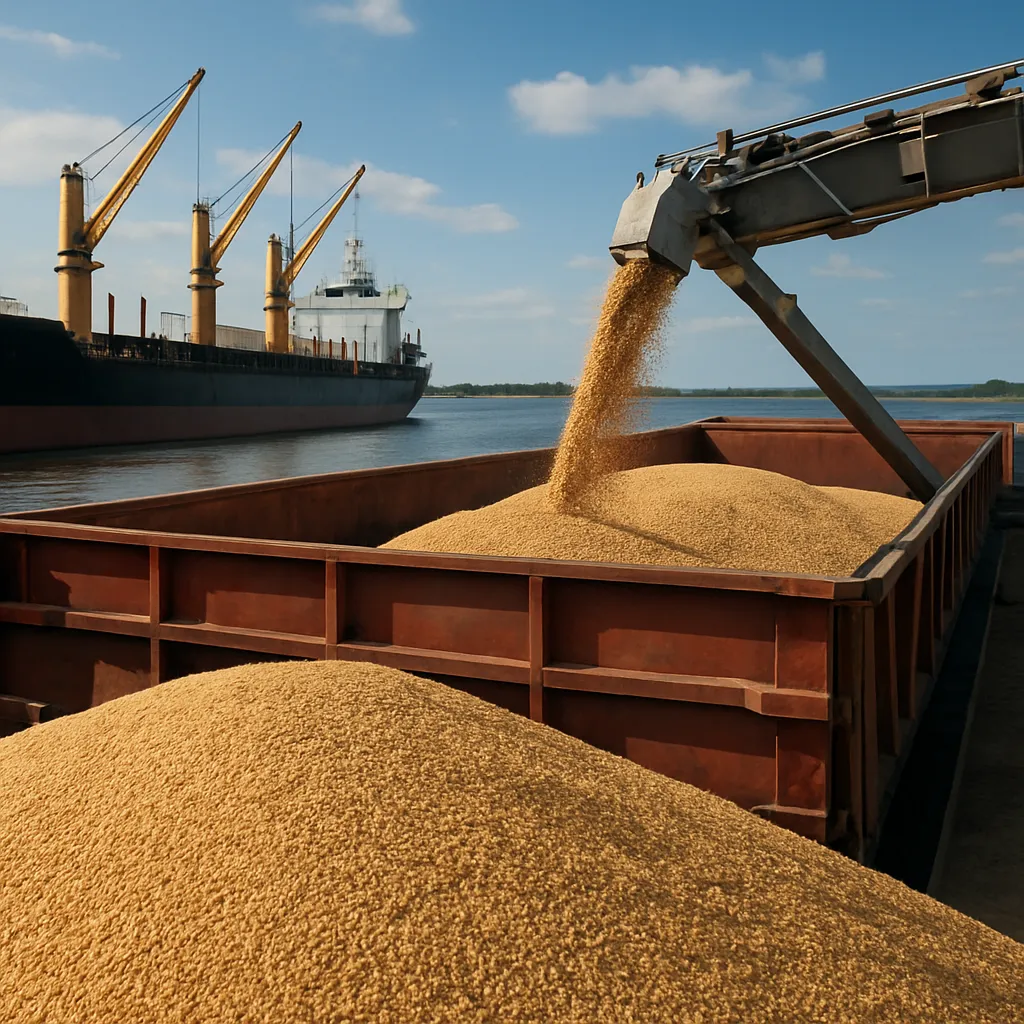
This article explores the multifaceted relationship between international trade policies and grain export performance. By examining theoretical foundations, real-world data, and policy considerations, it highlights how the removal of barriers and the introduction of new mechanisms shape the global grain market. Through this analysis, readers will gain insights into the dynamics that drive export growth, the challenges that arise, and the strategies that stakeholders adopt to remain competitive in volatile environments.
Theoretical Foundations of Trade Liberalization
Comparative Advantage and Specialization
At the heart of trade liberalization lies the principle of comparative advantage. When countries reduce tariffs and non-tariff barriers, they enable producers to focus on crops that can be grown most efficiently. This process fosters efficiency and encourages farmers to adopt best practices, leading to higher yields and lower unit costs. Specialized production, in turn, can boost export volumes as nations concentrate on their most competitive grains, whether wheat, maize, or rice.
Market Access and Price Signals
Removing constraints on cross-border trade enhances transparency in pricing. Importers gain access to a wider array of suppliers, while exporters respond to global price signals rather than distorted domestic incentives. As a result, currency exchange rates, freight costs, and world market prices play a larger role in steering production and sales decisions. Market liberalization transforms local grain markets into integrated nodes within a global network, aligning supply with international demand patterns.
Role of Subsidies and Domestic Support
Trade liberalization often includes commitments to reduce agricultural subsidies. While subsidies can protect smallholders and stabilize rural incomes, excessive support distorts competition by enabling low-cost exports that undercut producers elsewhere. Multilateral agreements seek to strike a balance between social objectives and fair competition. Gradual subsidy reduction compels farmers to innovate, improving competitiveness via mechanization, crop diversification, and investments in post-harvest technology.
Impact on Grain Export Volumes and Market Dynamics
Expansion of Export Networks
As barriers fall, new export corridors emerge. Developing countries historically excluded by high tariffs gain entry into lucrative markets. For instance, Southeast Asian producers of broken rice accessed African markets after tariff reductions, while Eastern European wheat found new buyers in the Middle East. These shifts accelerate globalization of grain supply chains and facilitate the movement of large quantities of staple crops across continents.
- Lower logistical costs encourage bulk shipments via rail and sea.
- Cultivation zones expand into marginal lands to meet rising demand.
- Technology transfers support improved storage and processing.
Price Volatility and Risk Management
Trade liberalization can amplify price swings. While open markets enable supply to redistribute geographically, they also transmit shocks rapidly. Droughts in major exporting countries or sudden policy shifts can trigger global shortages and price spikes. To manage risk, exporters utilize futures markets and insurance instruments. Strengthening financial infrastructure becomes essential for stabilizing incomes and ensuring accountability in transactions.
Diversification and Value Addition
Facing competitive pressures, exporters increasingly pursue diversification beyond raw grains. Value-added products—such as milled flour, fortified cereals, and bran-based animal feeds—offer higher margins and help buffer producers against commodity price fluctuations. Processing industries flourish when trade policies permit intermediate inputs to flow freely, enabling integrated supply chains that capture more value domestically.
Challenges and Policy Implications
Infrastructure Bottlenecks
Even with liberalized trade, an exporter’s performance is constrained by transport and storage. Insufficient roads, outdated rail networks, and lack of silo capacity lead to post-harvest losses. Governments and private investors must collaborate on upgrading ports, modernizing warehousing, and implementing digital tracking systems. Improved infrastructure not only reduces spoilage but also enhances trust among trading partners.
Environmental and Social Sustainability
Expansion of grain exports must be balanced against environmental concerns. Monoculture expansion can degrade soils, deplete water resources, and reduce biodiversity. Adopting sustainable practices—such as crop rotation, conservation tillage, and integrated pest management—becomes critical in liberalized markets where scale intensifies environmental footprints. Policies should support agroecological research and encourage producers to obtain certification for sustainability to access premium markets.
Trade Disputes and Geopolitical Risks
Open trade regimes are vulnerable to sudden policy reversals. Export restrictions imposed during supply shortages undermine market confidence and provoke retaliation. Geopolitical tensions can disrupt maritime routes, increase insurance costs, and trigger protectionist measures. To mitigate these risks, nations engage in multilateral forums, negotiate bilateral agreements, and establish grain reserves. Strategic reserves act as buffers against extreme volatility, even as markets remain largely liberalized.
- Early warning systems for weather and pest outbreaks.
- Regional cooperation on sanitary and phytosanitary standards.
- Investment in research on climate-resilient crop varieties.
Strategies for Sustainable Growth
Public–Private Partnerships
Collaboration between governments and private firms can catalyze export growth. Joint initiatives on cold chains, quality testing labs, and digital marketplaces reduce transaction costs and enhance market intelligence. PPP models spread risk, attract financing, and align incentives across the value chain. When institutional frameworks support partnerships, smallholders integrate into international supply chains and benefit from economies of scale.
Capacity Building and Knowledge Transfer
Trade liberalization often entails compliance with complex standards. Technical assistance programs help exporters meet phytosanitary regulations and quality benchmarks. Training in post-harvest handling, certification processes, and contract negotiation empowers producers. Capacity building fosters a workforce adept in resilience strategies, enabling adaptation to market shifts and regulatory changes.
Innovations in Finance and Technology
Financing mechanisms such as warehouse receipt systems offer collateral for small-scale exporters. Digital platforms streamline transactions, reducing reliance on intermediaries. Blockchain applications enhance traceability and build consumer trust in the provenance of grain shipments. Precision agriculture tools optimize input use, lowering costs and diminishing environmental impact. Embracing innovation ensures that liberalization delivers benefits equitably across regions and scales of operation.