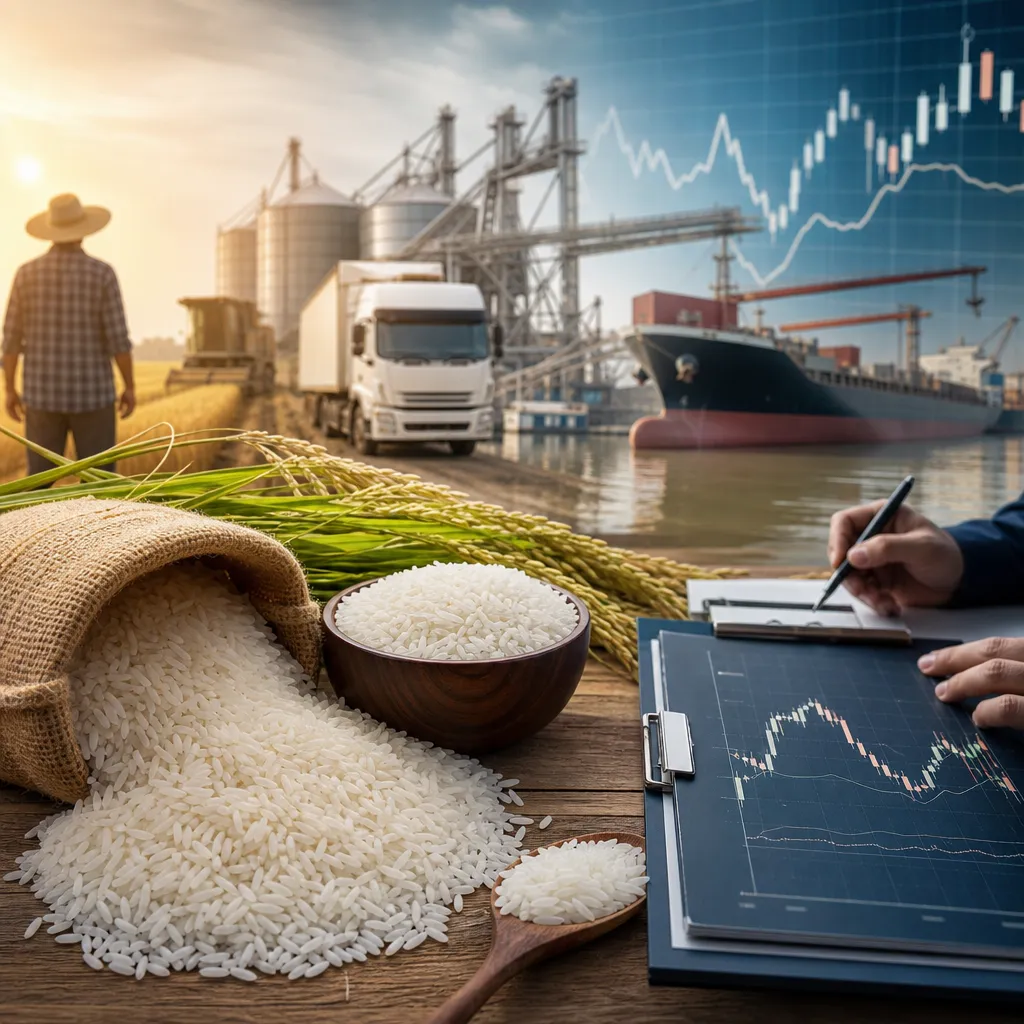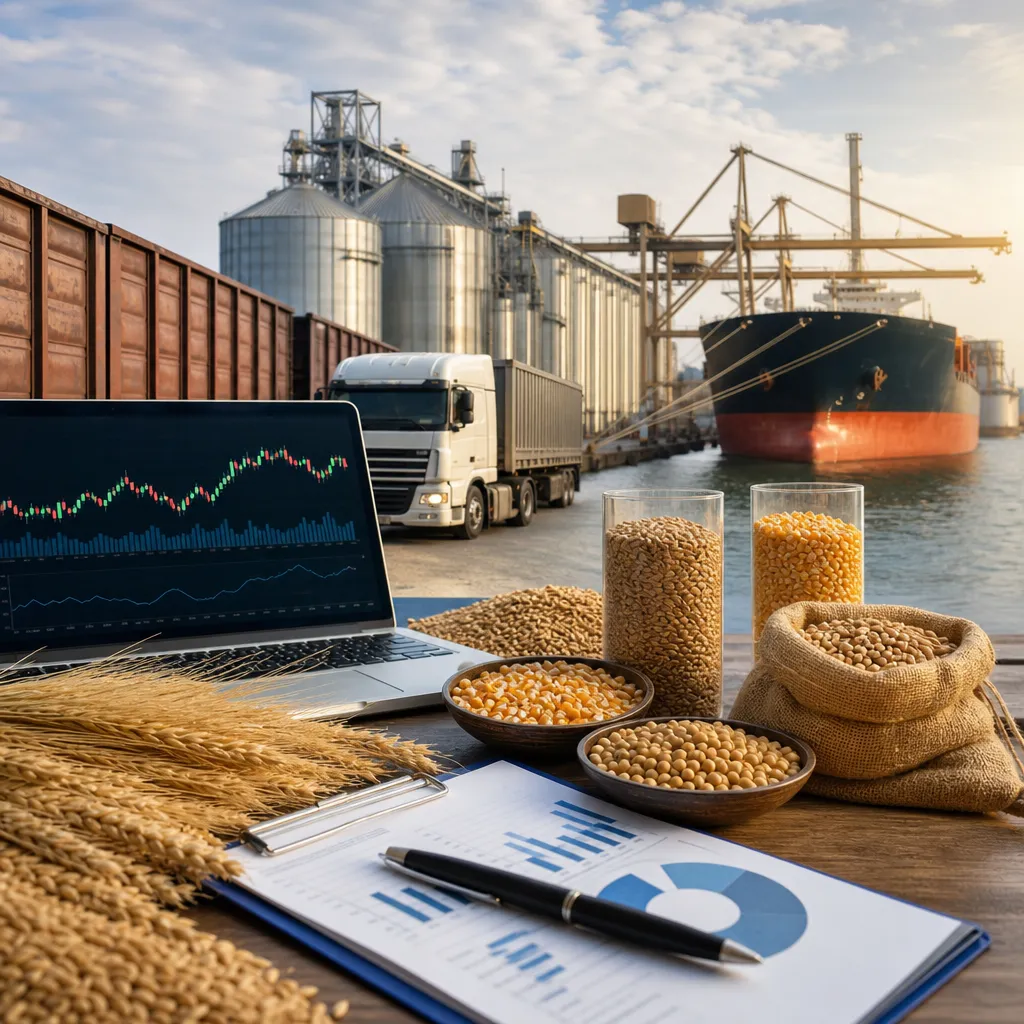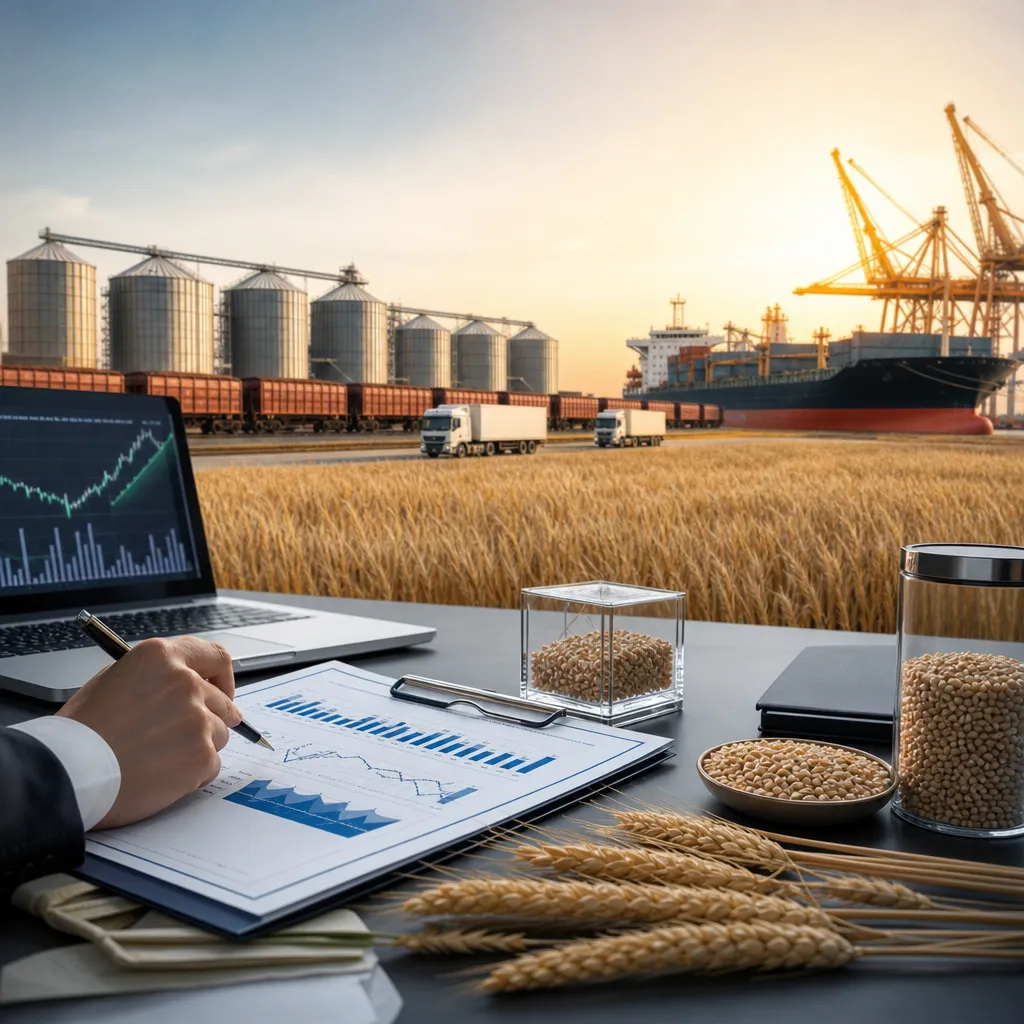
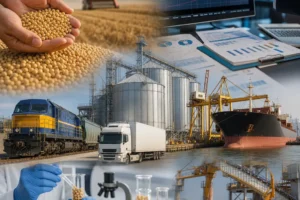

The grain market has long been at the heart of global food security and economic development. As the scale and complexity of grain production, distribution, and consumption have grown, so too has the importance of robust financial support. Financial institutions play a pivotal role in facilitating the efficient flow of capital, managing risk, and ensuring that farmers, traders, and end-users can operate in a stable environment. This article explores the multifaceted contributions of banks, investment funds, and other financial entities to the modern grain trade.
Financial Institutions and Grain Markets: An Overview
Grain commodities—including wheat, corn, barley, and rice—are traded on both spot and derivative markets. The sheer volume of transactions and the price sensitivity to weather, geopolitical shifts, and supply disruptions necessitate sophisticated financial backing. Traditional commercial banks, export credit agencies, and specialized agribusiness lenders provide working capital and medium-term financing to producers and traders.
Meanwhile, institutional investors and hedge funds have emerged as significant players in commodity futures markets. Their activities can inject liquidity but also contribute to price volatility when positions are large. Regulatory bodies strive to strike a balance: encouraging healthy market participation while preventing excessive speculation that can destabilize food prices in vulnerable regions.
Mechanisms of Financial Support in Grain Trade
Trade Financing and Credit Facilities
- Letters of credit: Banks issue letters of credit to guarantee payment between importers and exporters, reducing counterparty risk and enabling cross-border grain shipments.
- Inventory financing: Lenders advance funds against grain stockpiled in silos or warehouses, allowing producers to hold onto their harvest until market conditions improve.
- Revolving credit lines: Agribusinesses draw on pre-approved credit facilities to cover operational expenses during planting and harvesting seasons.
These instruments help bridge timing gaps between planting, harvesting, and sale, smoothing cash flow and preventing distress sales that can depress market prices.
Risk Management Instruments
Fluctuations in weather, policy changes, and global demand can cause sharp swings in grain prices. Financial institutions offer an array of tools to hedge against these risks:
- Futures contracts traded on commodity exchanges allow producers and traders to lock in prices for future deliveries.
- Options contracts give the buyer the right, but not the obligation, to purchase or sell grain at a predetermined price, providing flexible protection against adverse movements.
- Swap agreements enable parties to exchange floating price exposure for fixed price commitments, stabilizing revenue streams.
By employing these risk management solutions, market participants can focus on operational efficiency rather than being overly exposed to unpredictable price shocks.
Impact of Financial Institutions on Market Accessibility and Price Stability
Access to finance is a critical determinant of whether smallholder farmers and emerging‐market traders can participate effectively in global grain trade. Microfinance institutions, rural credit cooperatives, and international development banks extend tailored loan products and technical assistance to underbanked regions. These programs often include capacity‐building initiatives that improve financial literacy and farm productivity.
Moreover, supranational bodies like the World Bank or regional development banks provide concessional financing for infrastructure projects—such as modern storage facilities, port upgrades, and rail links—that reduce post‐harvest losses and transaction costs. Better infrastructure translates into more efficient supply chains and can dampen extreme price swings by ensuring a steady flow of grain to deficit areas.
On the macro level, central banks and finance ministries monitor agricultural credit growth and may adjust monetary or fiscal policies to prevent overheating in commodity markets. For instance:
- Adjusting reserve requirements can influence the amount of capital banks allocate to agribusiness lending.
- Implementing subsidized interest rates or loan guarantees encourages banks to support vital grain production without bearing excessive risk.
Technological Innovations and Future Directions
Recent advances in fintech have revolutionized how grain trade is financed and settled. Blockchain platforms, for example, offer transparent and immutable transaction records, reducing fraud and enhancing trust among participants. Smart contracts automate the execution of trade agreements, from disbursing payments to releasing warehouse receipts when delivery conditions are met.
Peer‐to‐peer lending marketplaces and mobile banking solutions extend credit to remote farming communities, often using alternative data—such as satellite imagery and IoT sensor readings—to assess creditworthiness. This use of big data and remote monitoring is transforming traditional underwriting models and bringing new producers into the formal financial system.
Meanwhile, algorithmic trading platforms and artificial intelligence tools help institutional investors analyze weather patterns, crop forecasts, and global demand indicators, enabling more informed decisions in grain futures and options markets. Though this technological influx enhances market efficiency, it also raises concerns about system resilience and the potential for flash events that could rapidly move prices.
Collaboration and Sustainability in Grain Finance
Sustainable agricultural practices are increasingly at the forefront of financial institution mandates. Green bonds and sustainability‐linked loans reward borrowers who adopt conservation techniques, reduce greenhouse gas emissions, or improve soil health. By aligning financial incentives with environmental goals, lenders support the long‐term viability of grain production ecosystems.
Collaborative platforms where banks, insurers, agro‐processors, and farmers share risk and resources are emerging. These cooperatives can pool capital to invest in climate‐smart agriculture, digital extension services, and resilient storage solutions. Benefits include:
- Lower cost of capital through diversified risk sharing.
- Enhanced access to innovative technologies and agronomic expertise.
- Greater bargaining power and market reach for small producers.
Such partnerships exemplify how integrated finance can drive both profitability and sustainability in the global grain sector.