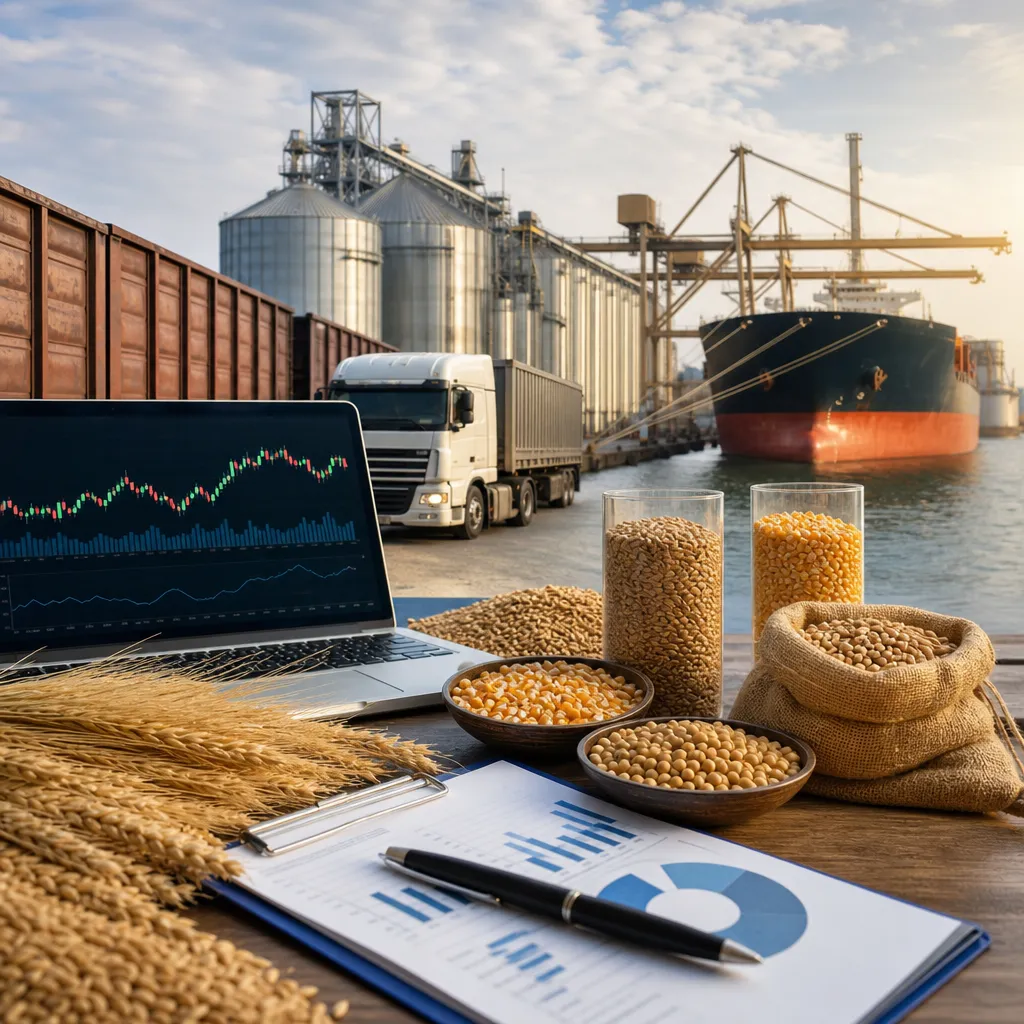

The following analysis outlines methodologies and frameworks for evaluating grain export competitiveness across major producing regions. It dissects global market dynamics, highlights essential performance indicators, and explores strategic levers that governments and private enterprises can apply to bolster their position in the international grain trade.
Assessing Global Grain Market Dynamics
Understanding the broader context of grain flows is crucial before delving into specific competitiveness metrics. International trade in wheat, corn, barley, and rice is shaped by a complex interplay of macroeconomic, climatic, and geopolitical factors.
Supply and Demand Trends
- Shifts in consumption patterns—driven by population growth, changing diets, and biofuel mandates—alter global demand trajectories.
- Production capacity is influenced by advancements in agrotechnology, irrigation systems, and crop protection.
- Year-on-year variations in grain yield due to weather shocks (droughts, floods) create supply-side fluctuations.
Price Volatility and Geopolitics
- Freight rates, shipping routes, and port congestion can cause sudden price spikes or discounts in export quotations.
- Trade restrictions, such as export bans or tariffs, are often politically motivated and can undermine market predictability.
- Currency exchange movements impact the competitiveness of exporters in destination markets.
Key Indicators of Export Competitiveness
Measuring grain export competitiveness requires a multidimensional approach. Stakeholders should track both quantitative metrics and qualitative factors.
Production Efficiency and Cost Structure
- Cost of production per ton, including inputs like seed, fertilizer, and labor, determines baseline export viability.
- Economies of scale: larger farms or consolidated cooperatives can spread fixed costs across greater volumes.
- Mechanization levels influence harvesting speed and post-harvest losses, directly affecting net exportable volumes.
Transport and Logistics Infrastructure
- Proximity to ports, rail networks, and inland waterways reduces freight costs and turnaround times.
- Storage capacity and quality (silos, warehouses) help mitigate spoilage and allow for timing exports to capture favorable prices.
- Customs clearance efficiency and digital documentation platforms streamline cross-border transactions.
Government Policies and Trade Agreements
National policy frameworks and international accords can either enhance or constrain grain export performance.
Tariffs, Subsidies, and Quotas
- Export subsidies lower the effective cost for international buyers, boosting market share but raising WTO compliance concerns.
- Import tariffs in destination countries create price wedges that exporters must overcome through discounts or value-added services.
- Voluntary or mandated quotas influence volume ceilings, leading to strategic anticipation of policy shifts by exporters.
Preferential Trade Deals
- Free trade agreements grant duty-free access, reducing landed costs and improving competitiveness in partner markets.
- Regional blocs—such as the African Continental Free Trade Area—offer platforms to diversify export destinations.
- Mutual recognition of phytosanitary and quality standards simplifies compliance and eliminates duplicate inspections.
Strategies to Enhance Grain Export Potential
Producers, traders, and policymakers must adopt proactive measures to secure long-term export capabilities in a volatile global environment.
Innovation and Value-Added Products
- Developing premium varieties (e.g., high-protein wheat, specialty rice) can command price premiums over bulk commodities.
- Processing capabilities—milling, packaging, fortification—transform raw grain into branded goods that meet diverse consumer needs.
- Digital agriculture solutions (satellite monitoring, IoT sensors) optimize field inputs and reduce waste.
Market Diversification and Branding
- Focusing on emerging economies with growing per capita consumption offsets reliance on established markets.
- Creating a national or regional grain brand based on quality certifications (organic, non-GMO) builds trust and loyalty.
- Long-term contracts and direct partnerships with millers, processors, or retailers reduce demand-side uncertainties.
Risk Management and Sustainability Considerations
Effective grain exporters balance commercial ambition with resilience and environmental stewardship.
Hedging and Insurance Instruments
- Futures contracts and options on major grain exchanges (CBOT, Euronext) lock in prices and protect against market volatility.
- Crop insurance and weather derivatives mitigate financial losses from adverse climatic events.
- Supply chain financing solutions provide working capital to cover pre-shipment costs without eroding margins.
Environmental and Social Governance
- Sustainable agriculture practices (conservation tillage, crop rotation) enhance soil health and long-term productivity.
- Traceability systems ensure compliance with consumer demands for ethical sourcing and deforestation-free supply chains.
- Community engagement initiatives support rural livelihoods and build social license to operate in key production regions.