









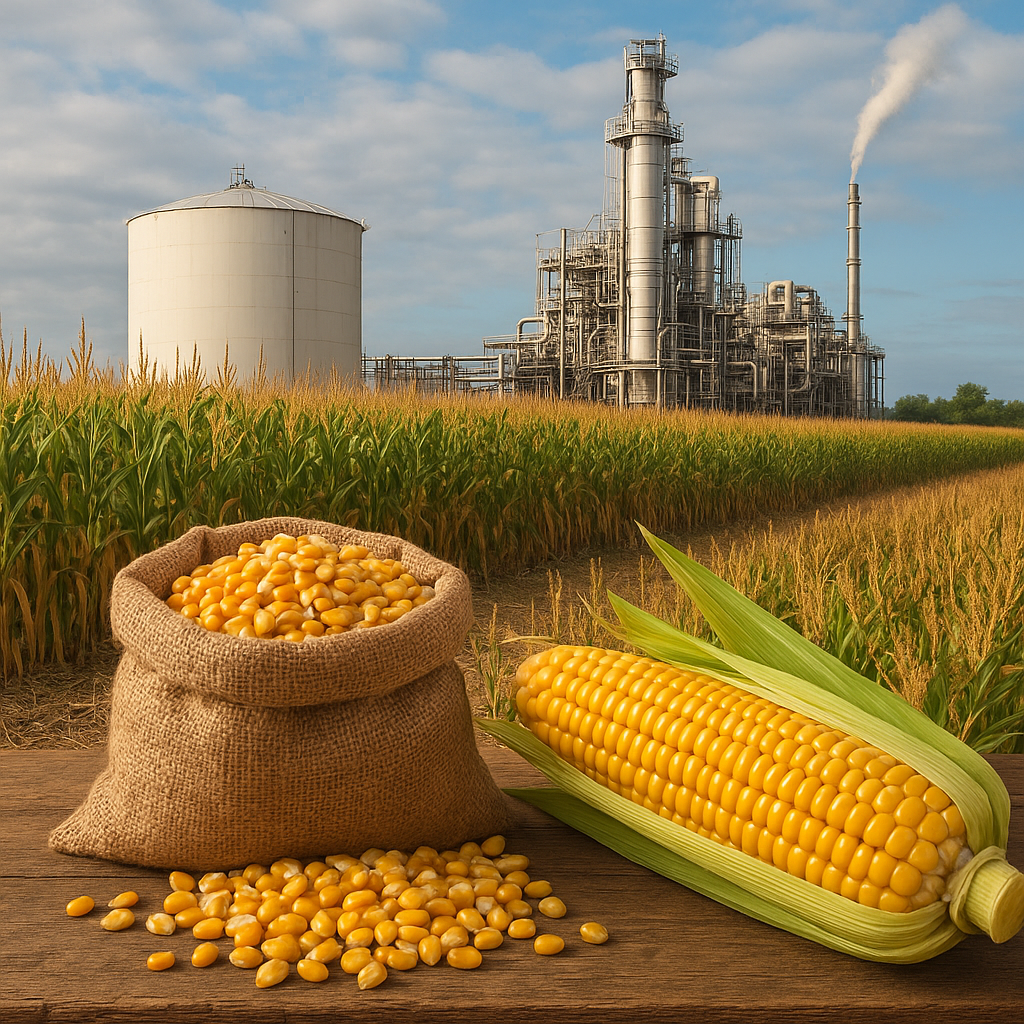
The relationship between ethanol production and corn prices has become a focal point for analysts, farmers, and policymakers. As biofuel mandates expanded, the commodity market saw significant shifts that reverberated through food and energy sectors. Examining the layers of policy, market dynamics, and technological progress provides insight into why the drive for ethanol often translates into higher corn costs for end users and consumers.
Historical Background of Ethanol Blending Programs
Early Mandates and Legislative Framework
In the late 20th century, governments worldwide began to pursue sustainability goals by blending renewable biofuels with traditional transportation fuels. The United States introduced the Renewable Fuel Standard (RFS) in 2005, later expanded by the Energy Independence and Security Act of 2007. These policies established binding mandates for the volume of ethanol to be mixed into gasoline, driving demand for corn as the primary feedstock. Similar initiatives emerged in Brazil, Europe, and Asia, each with varying quotas and subsidy schemes. Over time, the legal requirements created predictable growth in ethanol consumption, encouraging rapid investment in local biorefinery capacity.
Growth of Biorefineries
The expansion of biorefinery infrastructure has been nothing short of dramatic. From under a dozen large-scale facilities in the early 2000s, the U.S. now hosts over 200 plants capable of converting millions of bushels of corn per year into fuel-grade ethanol. Private investors and agribusiness giants funded this growth expecting stable returns from government-backed blending credits and subsidies. The resulting scale-up increased logistical complexity as railcars, barges, and trucks began transporting vast tonnages of grain to plants clustered near corn belts. Ancillary industries—enzyme manufacturers, co-product processors, and storage operators—also flourished, reinforcing the biofuel ecosystem.
Mechanisms Linking Ethanol Production to Corn Prices
Feedstock Demand Shift
As the share of ethanol produced from corn climbed, the portion of U.S. corn crop destined for fuel rose from under 10% in 2000 to over 40% in recent years. This massive reallocation tightened the supply available for livestock feed and export. Market participants quickly noticed that even slight upward revisions to advance ethanol production forecasts could spark rallying futures prices on the Chicago Board of Trade. The predictable, sustained demand for grain planted a floor under corn values, altering long-standing supply-demand equilibrium.
Government Policies and Subsidies
Beyond blending mandates, policymakers often employed direct subsidies and tax credits to cushion the cost of ethanol investments. The Volumetric Ethanol Excise Tax Credit (VEETC), for instance, lowered production costs per gallon, incentivizing higher output and, by extension, greater corn consumption. Support measures also included import tariffs on foreign ethanol and grants for research into next-generation biofuels. While these interventions promoted domestic energy security, they simultaneously magnified the link between agricultural markets and energy policy.
Impact on Commodity Markets
Grain traders, hedge funds, and multinational agribusinesses responded to biofuel-driven demand by adjusting their risk models. Price charts that once reflected weather patterns and export prospects now reacted strongly to weekly ethanol production reports and inventory levels. Such integration of energy data into grain markets increased trading volumes but also fueled debates about excessive speculation and volatility. Public scrutiny intensified after drought years caused record highs in corn futures, provoking calls to reevaluate ethanol quotas amidst skyrocketing food and feed costs.
Market Dynamics and Price Volatility
Supply and Demand Elasticities
The corn market exhibits relatively inelastic short-term supply since planting and harvest cycles limit rapid acreage expansion. When ethanol facilities ramp up output, the sudden spike in demand outpaces the market’s ability to produce additional grain quickly. Prices adjust upward until higher prices incentivize farmers to plant more acres the following season. However, land-use changes require at least one growing cycle, causing a natural lag that keeps prices elevated even if ethanol demand plateaus.
Global Trade Considerations
As the U.S. supplies roughly a third of the world’s corn, shifts in domestic usage for ethanol affect export volumes. Import-dependent countries may scramble to secure supplies when U.S. corn prices rise sharply, bidding against livestock producers and feed mills. This competition can drive global prices higher, spreading the impact to regions with less margin for price gouging. In turn, international market volatility feeds back into U.S. futures, creating a cycle of reactionary price swings both at home and abroad.
Speculation and Futures Markets
Financial actors exploit the biofuel-driven rhythm of corn buying, trading futures contracts tied to crop reports and Energy Information Administration data. While hedgers use these instruments to manage risk, speculative capital can amplify price movements beyond fundamental supply-demand shifts. Large positions built on anticipated ethanol plant turnarounds or policy announcements often lead to abrupt spikes in daily trading ranges, exacerbating volatility and catching smaller operators off guard.
Implications for Sustainability and Future Trends
Environmental Considerations
Critics argue that diverting vast agricultural output to fuel consumption undermines the original sustainability rationale for biofuels. Intensive corn cultivation can deplete soil nutrients, increase fertilizer runoff, and stress water resources. Advances in agronomic practices—no-till farming, precision nutrient management, and cover cropping—aim to reduce the environmental footprint of feedstock production. Meanwhile, lifecycle assessments compare the greenhouse gas reductions from ethanol against the emissions tied to intensified grain farming.
Technological Innovations
New-generation biofuels using lignocellulosic residues and non-food crops promise to decouple energy production from corn prices. Cellulosic ethanol, biobutanol, and algae-derived fuels could relieve pressure on grain markets if produced at scale. Research funding targets enzyme improvement, genetic enhancements to switchgrass strains, and cost-effective pretreatment methods. Should these technologies reach commercial viability, reliance on corn as feedstock would diminish, potentially stabilizing prices.
Policy Debates and Market Outlook
Legislators face mounting calls to adjust or repeal rigid mandates when corn prices threaten food security or livestock affordability. Proposals range from flexible blending ratios tied to market conditions to phased reductions in subsidies. A balanced approach might involve economic trigger points that ease biofuel requirements during supply shocks. As stakeholders weigh energy independence against agricultural sustainability, the evolving regulatory landscape will continue to shape how ethanol production affects global grain markets.