







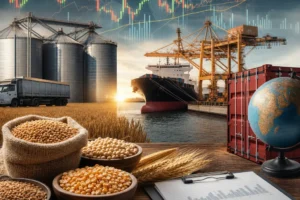

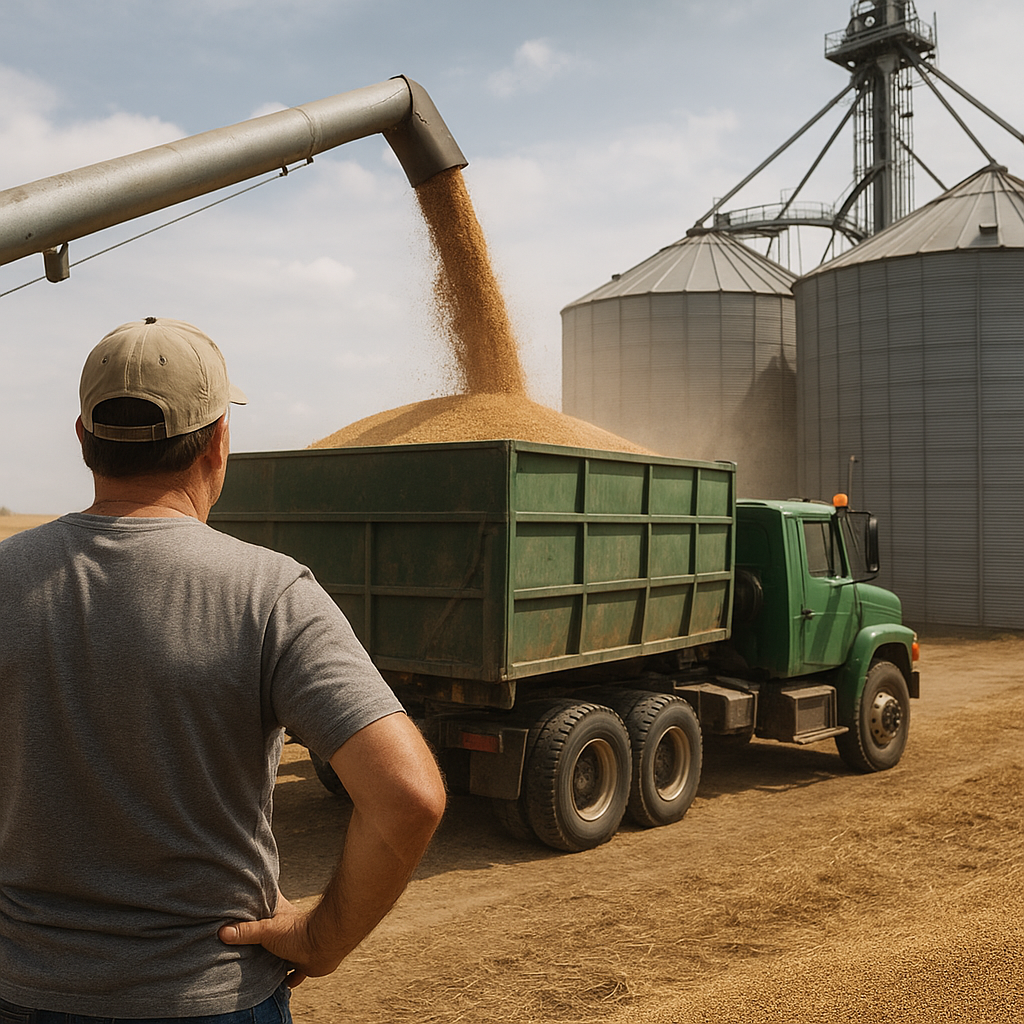
The global grain industry stands as a cornerstone of food security and economic stability, connecting millions of producers to a vast network of distributors, processors, and consumers. Amidst the complexities of supply and demand, price fluctuations, and evolving regulations, cooperatives have emerged as a vital structure for smaller farmers seeking to navigate the market with greater confidence. By pooling resources, sharing risks, and leveraging collective expertise, these organizations not only enhance individual livelihoods but also contribute to the resilience of the wider grain market. This article delves into the origins, benefits, mechanisms, and future pathways of cooperatives in grain marketing, highlighting how collaboration can reshape an industry fraught with volatility.
Evolution of Grain Marketing and Cooperative Foundations
The journey of grain trading stretches back thousands of years, yet formalized marketing systems only developed alongside industrialization and improved transportation networks. Initially, smallholders sold produce at local fairs or through middlemen, often facing unpredictable pricing and exploitative practices. The concept of the cooperative emerged in the mid-19th century as a response to these challenges. Rooted in principles of mutual aid, democratic governance, and equitable profit distribution, early cooperatives sought to offer farmers a fair alternative to private traders.
- Late 1800s: Foundation of the first modern agricultural cooperatives in Europe, emphasizing shared ownership.
- Early 20th century: Spread to North America, driven by legislation supporting collective bargaining and rural development.
- Post–World War II: Expansion into developing economies, reinforcing food security and rural livelihoods.
- 21st century: Global networks of cooperatives collaborate on technology, sustainability, and risk management.
Over time, these organizations adapted to technological advances—such as grain elevators, automated cleaning, and digital marketplaces—while maintaining the core ethos of farmer-led decision-making. The rise of international trade agreements and complex supply chains further underscored the need for collective structures capable of negotiating on a larger stage.
Strengthening Farmers’ Position through Cooperative Models
At the heart of every cooperative lies the goal of enhancing the capacity of individual farmers by uniting them under a shared framework. Through collective action, members can:
- Exercise greater bargaining power when negotiating prices with large buyers, securing more stable and transparent contracts.
- Pool resources to invest in critical infrastructure such as storage facilities, machinery, and transportation fleets.
- Share agronomic expertise, research findings, and best practices to boost crop yields and quality.
- Mitigate market volatility by diversifying product lines and accessing niche segments like organic or non-GMO grains.
Democratic governance is a hallmark of cooperative structures: each member typically holds one vote, regardless of the volume of grain contributed. This ensures that decision-making remains equitable, and profits are distributed according to members’ participation rather than capital investment. In many regions, cooperatives also facilitate access to credit and insurance schemes, enabling members to weather adverse weather events, pest outbreaks, or sudden market downturns.
Operational Mechanisms and Value-added Services
Beyond basic aggregation and sale of harvests, modern grain cooperatives deliver a suite of services designed to optimize the entire supply chain. These mechanisms not only increase overall efficiency but also unlock additional revenue streams for members.
Storage and Logistics
State-of-the-art grain elevators, silos, and handling equipment are central investments for cooperatives. By controlling storage facilities, members benefit from:
- Reduced post-harvest losses due to spoilage and pests.
- Ability to time sales strategically, capturing favorable market prices rather than accepting immediate cash offers.
- Consolidated shipping arrangements, lowering per-unit transportation costs.
Quality Control and Certification
In an era of stringent food safety standards and growing consumer awareness, maintaining consistent quality is paramount. Cooperatives often implement centralized testing laboratories and grading protocols. This allows them to:
- Obtain premium prices for certified batches (e.g., organic, gluten-free, non-GMO).
- Enhance traceability, providing end-buyers with reliable origin data.
- Comply with international regulations, reducing the risk of shipment rejections at ports.
Some cooperatives go further by pursuing eco-labels and carbon footprint certifications, reinforcing their commitment to sustainability and attracting environmentally conscious markets.
Financial Instruments and Risk Management
Price volatility represents a significant hurdle for grain producers. To alleviate this, cooperatives often offer:
- Advance payment programs, where farmers receive a portion of sales revenue before delivery.
- Futures and options hedging managed by the cooperative’s in-house analysts.
- Pooling schemes that average out price fluctuations over multiple seasons, smoothing member income.
By centralizing these functions, cooperatives reduce transaction costs and deliver more predictable returns, increasing the likelihood that farmers will invest in yield-enhancing technologies rather than subsisting on short-term gains.
Challenges and Future Prospects for Grain Cooperatives
Despite their many advantages, cooperatives face an array of challenges in the dynamic global grain landscape:
- Consolidation among major agricultural corporations exerts pressure on pricing and market access.
- Rising operational costs—such as energy, maintenance, and labor—strain cooperative budgets, especially for smaller units.
- Digital disruption demands significant investments in IT infrastructure to remain competitive online.
- Climate change introduces unpredictable weather patterns, compelling cooperatives to adopt advanced data analytics and risk modeling tools.
- Generational turnover in rural areas can lead to leadership gaps, as younger potential members migrate to urban centers.
Looking ahead, the most resilient cooperatives will likely be those that embrace technological innovation, forge strategic partnerships with research institutions, and diversify into related sectors—such as biofuels, feedstock, or specialty grains. Collaborative ventures with logistics providers and fintech startups can further enhance service portfolios, offering real-time tracking, digital payment platforms, and precision agriculture insights.
Ultimately, the cooperative model’s enduring relevance stems from its ability to align individual incentives with collective welfare. As global demand for grain continues to rise, these member-driven organizations stand poised to deliver stability, fairness, and shared prosperity across rural communities and international value chains. Through ongoing collaboration and innovation, cooperatives will remain integral architects of tomorrow’s grain economy.