
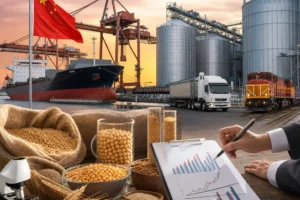
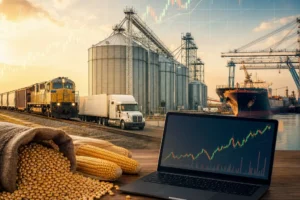
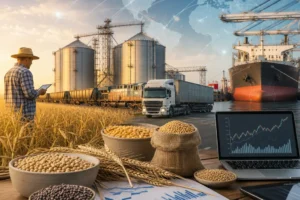
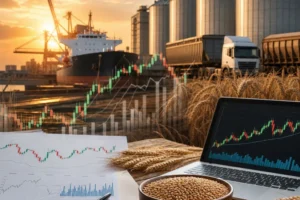




The soybean sector plays a pivotal role in shaping broader trends across the grain market, influencing pricing dynamics, planting decisions, and global trade flows. As an oilseed crop with dual functionality—providing both high-quality protein for feedstock and soybean oil for human consumption—soybean prices often serve as a barometer of overall agricultural health. Understanding why soybean values matter extends well beyond a single commodity: they can signal shifts in supply chain stress, trigger cross-market volatility, and reshape strategic choices for producers, traders, and end-users alike.
Fundamental Role of Soybeans in the Grain Market
Soybeans occupy a unique position among major grain crops. Unlike cereals such as wheat, corn, or rice, soybeans combine protein and oil content in one seed, making them a versatile ingredient in animal feed, cooking oil, and industrial uses. This dual aspect drives interconnected demand from two primary sectors:
- Animal Agriculture: Nearly 70% of global soybean output becomes livestock and poultry feed. Growth in meat consumption, especially in emerging economies, exerts sustained demand for soybean meal.
- Food and Biofuel Industries: The extracted oil underpins cooking oils, margarine, and even biodiesel production in regions that incentivize renewable fuels.
Because soybeans substitute for other protein sources (like fishmeal) and compete with vegetable oils (such as palm and canola), price moves in soybeans ripple through adjacent markets. A surge in soybean values can raise livestock production costs, intensify competition among edible oils, and recalibrate planting intentions for rival crops.
Key Factors Influencing Soybean Prices
Multiple forces converge to determine soybean valuations. Stakeholders track weather reports, policy announcements, foreign buying patterns, and futures curve structures to anticipate price trajectories. The following factors merit careful attention:
1. Weather and Crop Fundamentals
- Growing‐season conditions in major producers (the United States, Brazil, Argentina, and China) directly affect yield forecasts. Drought, excessive rainfall, or unexpected frosts can tighten availability.
- Planting acreage decisions hinge on relative profit potential versus competing grains, as agronomists and farmers weigh input costs (fertilizer, machinery) against projected returns.
2. Global Demand Patterns
- Rising meat consumption in Latin America and Asia fuels robust feedstock purchases. Economic expansion in these regions often aligns with increased per-capita protein intake.
- Trade policies, including tariffs, quotas, and biofuel mandates, alter import/export flows and adjust import parity prices. For example, a sudden tariff on soybean meal can divert trade to other suppliers, compressing or expanding margins.
3. Currency and Macro Drivers
- Exchange‐rate fluctuations shape competitiveness. A weaker local currency in Brazil makes soy exports more attractive, potentially redirecting supplies away from key markets and pressuring U.S. soy values upward.
- Global economic indicators—such as interest rates, inflation, and consumer sentiment—impact commodity investment flows, with speculators often entering or exiting futures positions based on perceived risk–reward trade-offs.
4. Speculative Positioning and Futures Market Dynamics
- Open interest and large‐trader commitments in futures contracts provide insights into speculative conviction. Rapid accumulation of long positions may foreshadow upward momentum, while aggressive shorting can trigger sharp corrections.
- Backwardation or contango in futures curves influences storage decisions. Significant contango may encourage carry trade strategies, whereas deep backwardation can lead to immediate selling and reduced on‐farm or commercial stocks.
Coverage via futures and options allows market participants to implement hedging strategies, locking in prices and managing risk. As margins tighten, producers and merchandisers rely on these instruments to protect against adverse price swings and maintain stable operations.
Implications for Market Participants and Risk Management
Fluctuations in soybean prices reverberate widely across the agricultural value chain, affecting decisions at each node from field to fork. The following areas illustrate how stakeholders respond to and leverage soybean market signals:
A. Producer Planning and Crop Rotation
Farmers often rotate soybeans with corn or other grains to optimize soil health and profitability. Sharp soybean price rallies can prompt increased acreage, potentially suppressing corn planting and shifting future supply balances. Conversely, depressed soy values may lead growers to favor alternative grains or oilseeds, influencing next season’s planting intentions.
B. Trader Arbitrage and Spread Strategies
- Inter‐commodity Spreads: Traders may exploit price relationships between soybeans, soymeal, and soyoil, buying one contract while shorting another to capture relative value.
- Geographic Arbitrage: Shipping costs, port capacities, and inland logistics determine regional price differentials. Arbitrageurs move supplies to capitalize on spread opportunities between Gulf, Pacific Northwest, and global export hubs.
C. Supply Chain Coordination
Processors, end users, and distributors calibrate purchasing schedules based on soybean futures trends. When prices appear poised to rise, buyers may accelerate commitments, building in inventory buffers. During price corrections, they might adopt leaner stocking approaches, reducing warehousing expenses but increasing exposure to subsequent rallies.
D. Risk Management via Derivatives
- Producers can utilize collar strategies—combining purchased puts with sold calls—to establish price floors while offsetting premium costs.
- End‐users, such as livestock integrators, often lock in feed costs through forward contracts, mitigating the impact of sudden price shocks on operating margins.
- Large agribusinesses maintain dedicated risk desks to continuously monitor volatility indices and adjust hedge ratios as market conditions evolve.
Successful navigation of soybean price dynamics demands both fundamental expertise and quantitative analytics. Modern risk managers deploy statistical models, machine learning forecasts, and scenario analyses to anticipate market moves, isolate key drivers, and recommend optimal hedging tactics.
Cross-Commodity Linkages and Strategic Outlook
Soybean price shifts rarely occur in isolation. Instead, they intermingle with broader grain market currents, creating feedback loops that can amplify price swings or dampen them depending on concurrent conditions:
- Corn and Wheat Correlations: Farmers frequently compare relative profitability between soybeans, corn, and wheat before planting. A surge in soybean futures can pull acreage away from corn, tightening corn stocks and pushing corn values higher in tandem.
- Alternative Oilseeds: Competitive dynamics with palm, rapeseed, and sunflower oils mean that significant soybean oil price changes can lead food companies to switch sources, affecting global vegetable oil demand.
- Global Protein Balance: Shifts in soybean meal costs influence feed formulations and can alter feed conversion ratios in livestock operations, indirectly impacting meat supply and retail meat prices.
- Energy and Biofuels: Mandates for biodiesel blending connect soybean oil values to crude oil trends. A rally in petroleum prices may boost biofuel competitiveness, increasing soyoil consumption and indirectly supporting whole-bean prices.
In an interconnected commodity landscape, a nuanced appreciation of these relationships enables more robust market forecasts. Analysts integrate cross-commodity data sets, macroeconomic indicators, and geopolitical developments to form holistic views of future price trajectories.
Technological Advances and Sustainability Considerations
Recent innovations—from precision agriculture techniques to digital trading platforms—further shape soybean market behavior. Satellite imagery and drone surveys deliver real-time yield estimates, enhancing price discovery processes. Meanwhile, sustainability certifications (e.g., deforestation-free soy) increasingly impact buyer preferences and impose quality premiums.
The convergence of technology and environmental, social, and governance (ESG) criteria is forging new market segments. Producers adopting sustainable practices may access favorable financing, while end users pay premiums for certified supplies. This dynamic underscores the growing relevance of non-price factors in soybean valuation and broad grain market strategies.
Conclusion
Ultimately, soybean prices matter to the grain market because they integrate multiple functional roles, reflect key supply and demand variables, and transmit signals that influence broader commodity behavior. Stakeholders—from farmers hedging next year’s crop to multinational traders calibrating global flows—closely monitor soybean values to guide crucial decisions and manage risk. As market linkages grow more intricate and data-driven tools evolve, the ability to interpret soybean price moves will remain a cornerstone of savvy participation in the international grain arena.