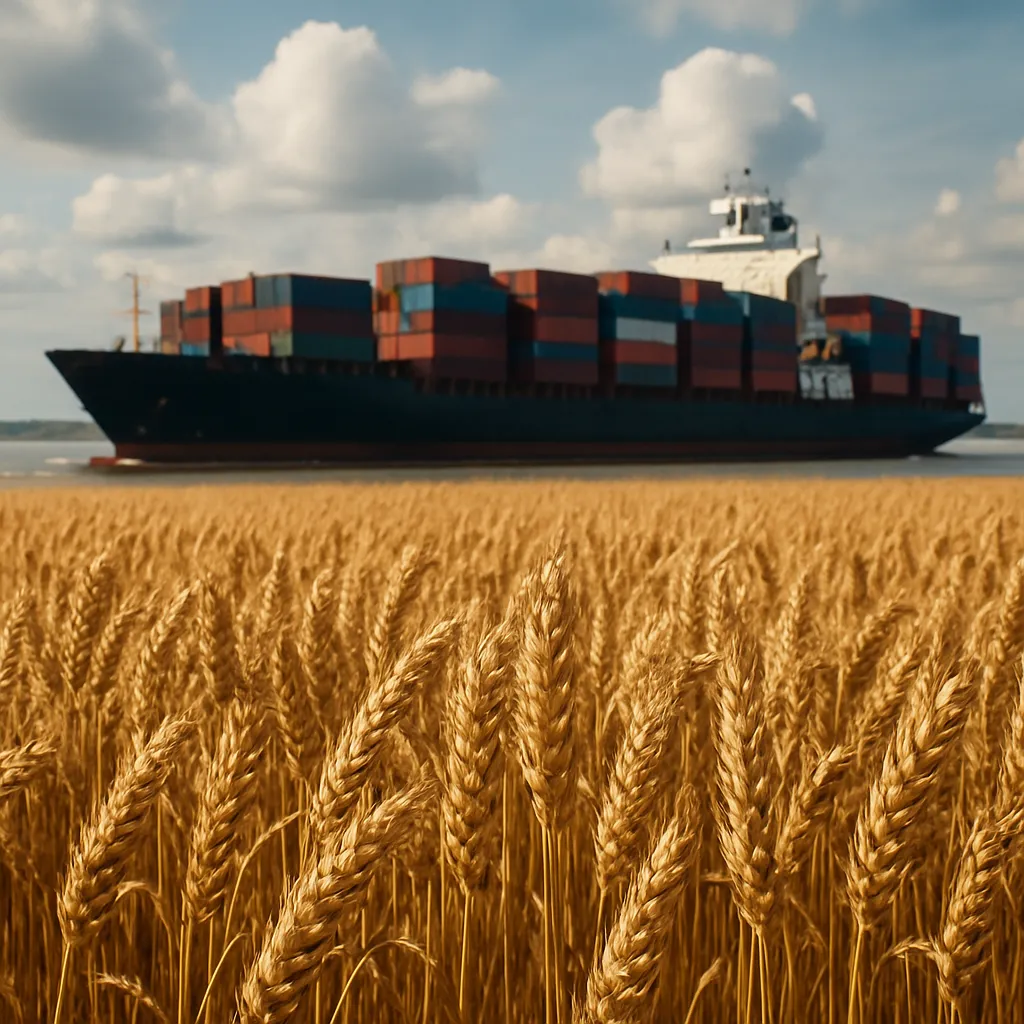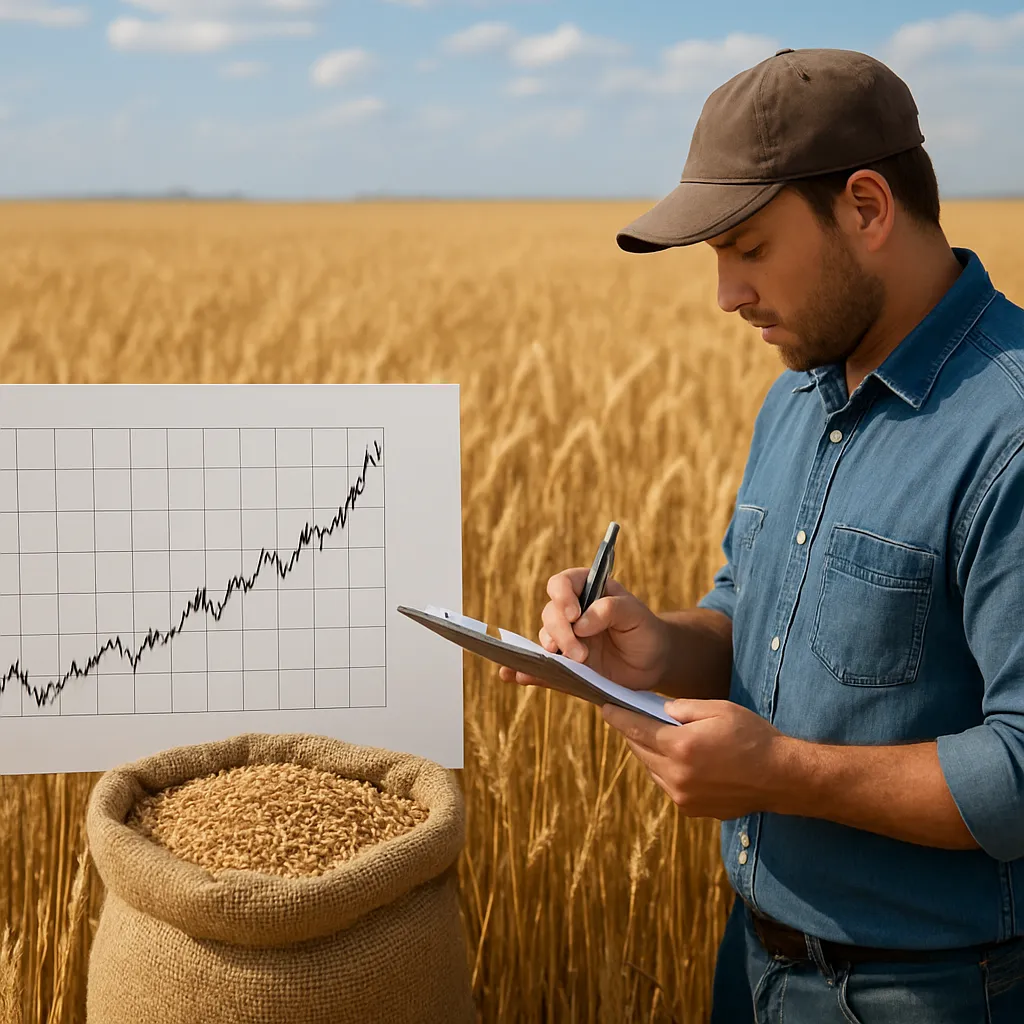
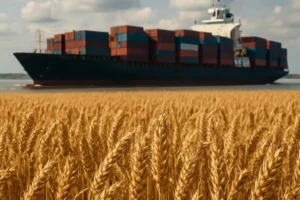
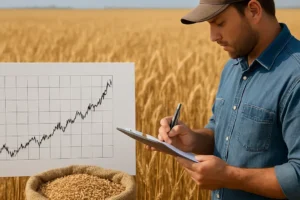
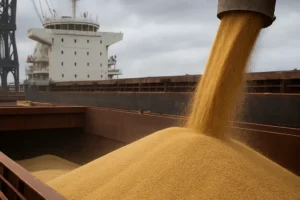

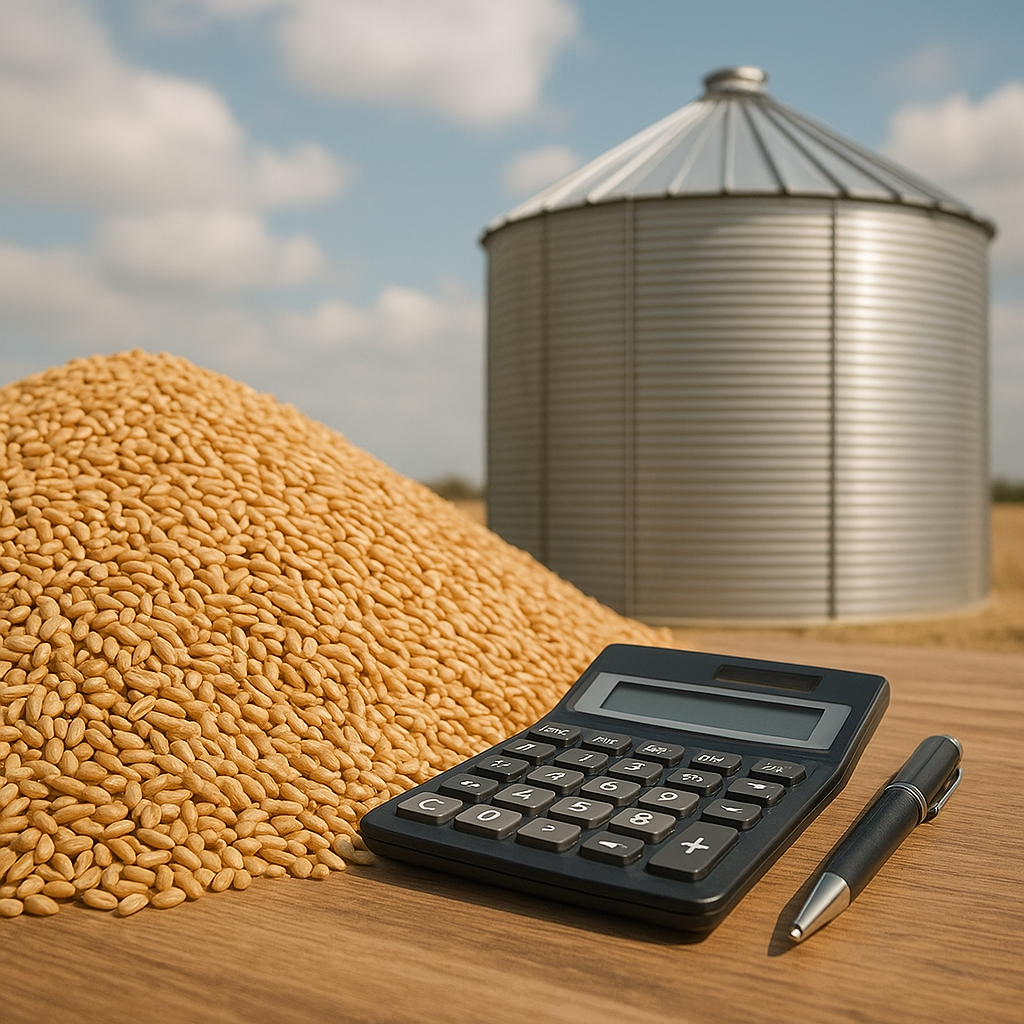
The decision to hold or release harvested cereals in the post-harvest period hinges on a web of interrelated economic, logistical, and environmental factors. Farmers, cooperatives, and agribusiness firms must carefully weigh costs and benefits when determining optimal storage durations. By analyzing market trends, price volatility, and technological advancements, stakeholders can enhance profitability and mitigate losses associated with spoilage or unfavorable selling conditions.
Economic Factors Impacting Grain Storage Decisions
Producers face several direct and indirect expenses when retaining their grain beyond the initial harvest window. These costs include:
- Facility rental or capital outlay for silos and bins
- Maintenance, cleaning, and fumigation to prevent pest infestations
- Opportunity cost of tied-up capital
- Insurance premiums against fire, theft, or weather-related damage
Comparing the cost of storage with anticipated revenue helps determine whether carrying an inventory position is worthwhile. When futures prices are in contango—where forward contracts trade at higher levels than spot prices—retaining grain can lock in a premium. Conversely, backwardation signals that immediate sales may yield better returns, as future prices are below current levels.
Farmers often calculate a “carry,” which equals the difference between forward and spot prices minus storage expenses. A positive carry indicates it is profitable to hold stock, while a negative carry suggests prompt disposal. However, real-life markets rarely remain static. Unexpected supply shocks, shifting consumer demand, and emerging competitors can alter the trajectory of prices, complicating storage strategies.
Role of Risk Management and Market Dynamics
Price uncertainty remains one of the chief threats to a storage-based approach. Effective risk management tools include:
- Forward contracts to lock in sale prices before harvest
- Options to set minimum prices while retaining upside potential
- Futures hedging to offset spot market exposure
Hedging allows stakeholders to protect their margins against adverse swings. Yet, imprecise hedge ratios or margin calls can erode benefits if positions move contrary to expectations. Moreover, transaction costs—such as brokerage fees and margin requirements—diminish net gains.
Market liquidity is another paramount consideration. Reading order books and open interest in commodity exchanges provides insights into potential slippage when large volumes are traded. Thin liquidity may widen bid-ask spreads, increasing implicit costs. Smallholders often rely on local elevators or cooperatives, which can limit their access to sophisticated risk management instruments. Group marketing arrangements help pool resources, enabling collective negotiation of better terms.
Seasonality also shapes demand. Grain consumption peaks align with mill operation schedules, livestock feed cycles, and export windows. Strategic storage can bridge supply gaps, allowing sellers to capture off-season premiums. Yet prolonged holding raises spoilage risk, especially in regions with insufficient drying or aeration equipment. Consequently, managers must constantly monitor quality parameters, temperature, and moisture levels to avoid biochemical degradation.
Technological Innovations and Infrastructure
The advent of advanced technology has revolutionized how grain is stored, tracked, and traded. Modern silos incorporate sensors that relay real-time data on internal conditions, enabling preemptive action against hotspots or moisture accumulation. Automated aeration fans adjust airflow based on sensor readings, reducing manual labor and enhancing safety.
Digital platforms streamline documentation and foster transparency in the supply chain. Through blockchain-enabled ledgers, every transaction—from farmgate delivery to port export—can be recorded immutably, reducing disputes and improving traceability. This trust mechanism bolsters market confidence and can lead to tighter price spreads between origins and destinations.
Investments in infrastructure and logistics networks are crucial for efficient grain movement. Key components include:
- Railway expansions and improved sidings near production zones
- Upgraded port terminals with greater berth capacity
- Modernized trucking fleets equipped with GPS tracking
- High-capacity conveyors and storage yards at export hubs
By reducing turnaround times and demurrage charges, these enhancements lower total landed costs. In remote areas, public-private partnerships often finance silo construction and road improvements, aligning private incentives with national food security goals.
Environmental and Policy Considerations
Climate change and evolving policy frameworks exert growing influence on storage economics. Severe weather events—droughts, floods, heatwaves—can disrupt both production and the integrity of storage facilities. Adaptation measures, such as waterproofed coverings, elevated platforms, and improved drainage, entail additional expenditures but shield assets from environmental hazards.
Regulatory guidelines on pesticide usage, emissions from fumigation chemicals, and waste management also impact operational costs. Compliance often requires certification, documentation, and specialized training, all of which add to overheads. On the flip side, governments may offer subsidies or tax incentives for upgrading to energy-efficient aeration systems or adopting integrated pest management practices.
Trade policies, including export quotas, tariffs, and phytosanitary standards, shape international demand for stored stocks. Exporters must stay abreast of changing import rules in key markets to avoid repackaging delays or rejection at ports of entry. Unexpected embargoes or sanitary barriers can trap large volumes in domestic silos, depressing local prices.
Ultimately, blending economic analysis with proactive risk mitigation and cutting-edge technology enables stakeholders to optimize storage decisions. By understanding how transportation, market cycles, and policy shifts interact, the agricultural community can maintain resilient operations and contribute to global food security.