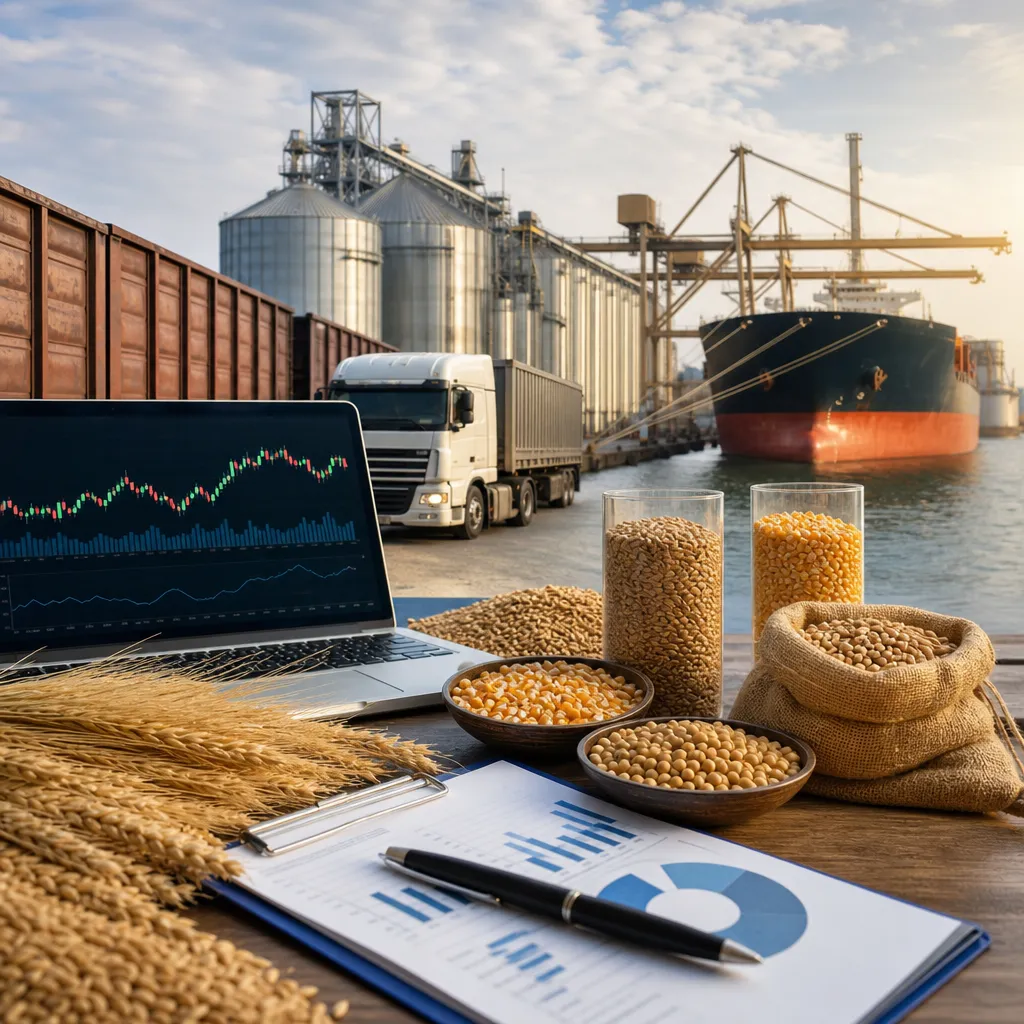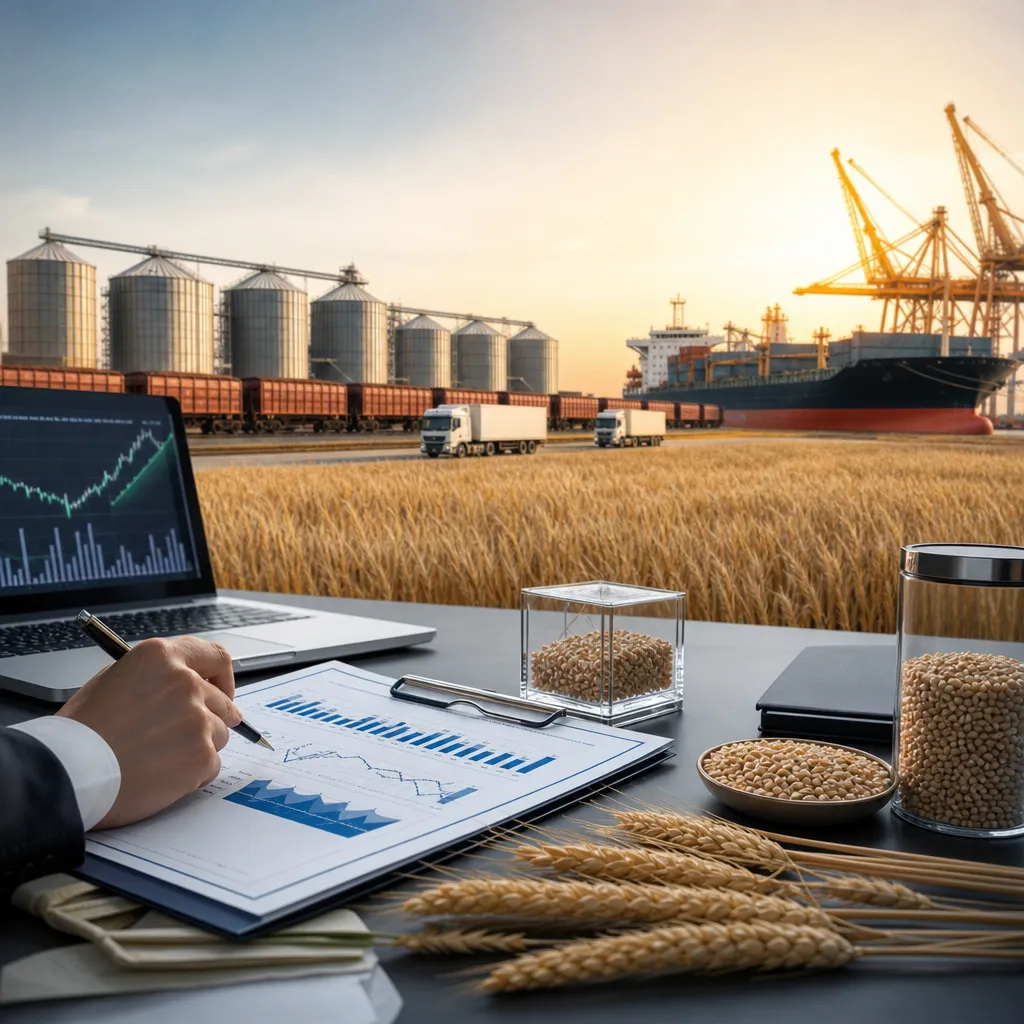



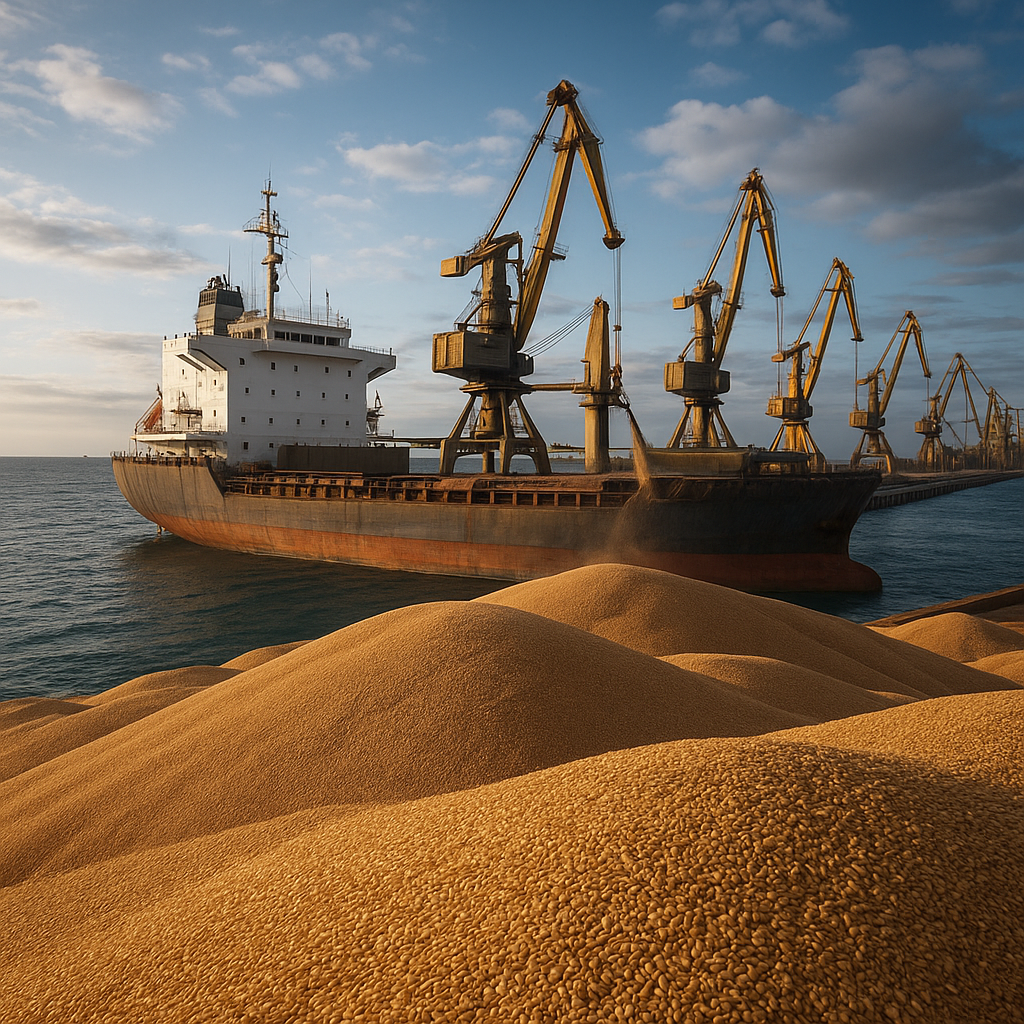
The Growing Importance of Black Sea Grain Exports has emerged as a pivotal theme in the contemporary global cereal market. Over the past decade, producers and traders have turned their attention to the coastal nations bordering the Black Sea, recognizing the region’s potential to influence international price trends, reshape supply routes, and address persistent food security challenges. This article delves into the evolving role of the Black Sea corridor, examining regional dynamics, infrastructural developments, market impacts, and future prospects.
Regional Dynamics of Black Sea Grain Markets
Countries such as Ukraine, Russia, Romania, and Bulgaria have steadily increased their share of global cereal shipments, redefining competitive standings among traditional exporters like the United States, Canada, and Australia. The combination of fertile soils, favorable climate conditions, and access to major waterways has propelled this region into the spotlight:
- Black Sea producers now account for more than 20% of world wheat and corn exports.
- Shifts in cropping patterns, including higher-intensity maize cultivation, have diversified the portfolio beyond wheat.
- Government support schemes and export incentives have further stimulated production expansion.
These developments have triggered novel trading relationships. Major importers in North Africa, the Middle East, and Southeast Asia increasingly source grain from the Black Sea coast, attracted by competitive pricing and relatively short transit times. Meanwhile, internal market liberalization in exporting countries has fostered a more transparent trading environment, facilitating access for international traders.
Evolution of Export Infrastructure
A critical factor underpinning the region’s ascendancy is the enhancement of its transportation network. From port upgrades to rail link expansions, authorities and private entities have poured investments into creating a robust logistical backbone:
- Modernization of key seaports such as Constanța and Novorossiysk to handle Panamax vessels.
- Expansion of rail gauge facilities to streamline the transition from inland silos to maritime terminals.
- Development of inland transshipment hubs to reduce bottlenecks during peak harvest seasons.
These projects have substantially lowered freight costs and strengthened the resilience of the supply chain. Still, challenges remain, including seasonal weather disruptions, capacity constraints during harvest peaks, and the need for more coordinated cross-border customs procedures. Innovative solutions, such as grain corridor agreements and digital tracking platforms, aim to address these issues and bolster overall efficiency.
Impact on Global Price Volatility
As the Black Sea region steps onto the major league of cereal exporters, its influence on international price movements has become more pronounced. Several key mechanisms drive this phenomenon:
Market Integration and Arbitrage
Enhanced connectivity allows traders to exploit price differentials across continents. When supply tightens in one market, bulk shipments can be redirected within weeks, mitigating extreme price volatility. Conversely, sudden export restrictions or logistical hiccups in the Black Sea can ripple across European and Asian benchmarks, underlining the region’s growing power to set the global tone.
Geopolitical Shifts
Recent events have underscored the geopolitics entwined with cereal flows. Export corridors passing through contested waters or border areas may experience disruptions, prompting swift rerouting and impacting insurance premiums. Traders must gauge the risk premium associated with Black Sea routes against longer, seemingly safer voyages via the Suez Canal or around Africa.
Strategic Implications for Food Security
The role of the Black Sea corridor extends beyond mere commercial interests. It has become a cornerstone in global efforts to ensure stable food supplies, particularly in regions heavily reliant on imports:
- North African nations depend on consistent wheat deliveries to subsidize domestic bread programs.
- East Asian importers view the region as a counterbalance to domestic production shortfalls caused by unpredictable monsoons.
- Humanitarian relief agencies leverage surplus capacity in port and rail infrastructure to dispatch emergency grain shipments.
Food security advocates emphasize the importance of diversifying sourcing channels to avoid overdependence on any single exporter. The Black Sea corridor, with its complementary harvest calendar and cost advantages, offers a viable alternative to traditional grain baskets, enhancing overall resilience in the face of climate change and geopolitical upheavals.
Future Outlook and Policy Considerations
Looking ahead, several factors will determine whether the Black Sea key role endures or plateaus:
- Continued investment in port automation and digital logistics platforms.
- Harmonization of phytosanitary standards to accelerate cross-border clearances.
- Environmental policies aimed at sustainable farming practices and reduced carbon footprints.
- International cooperation to safeguard maritime trade lanes and mitigate conflict-related disruptions.
Proactive measures by exporting governments, importers, and multilateral institutions can reinforce the region’s contribution to global grain markets. Enhanced transparency in export quotas, timely crop reporting, and streamlined customs procedures will further solidify trust among market participants. Should these initiatives materialize, the Black Sea corridor stands poised to shape cereal trade trajectories for decades to come, reinforcing its status as a linchpin of the international grain economy.