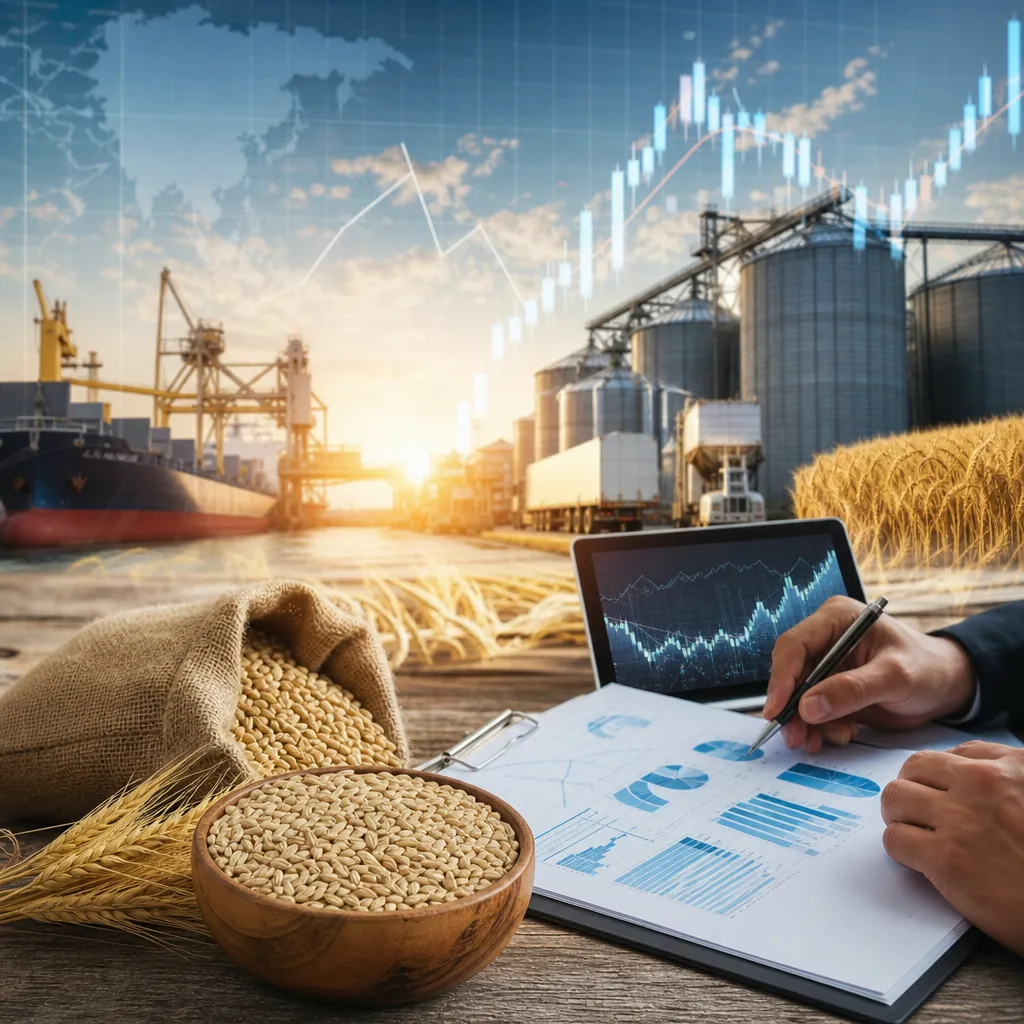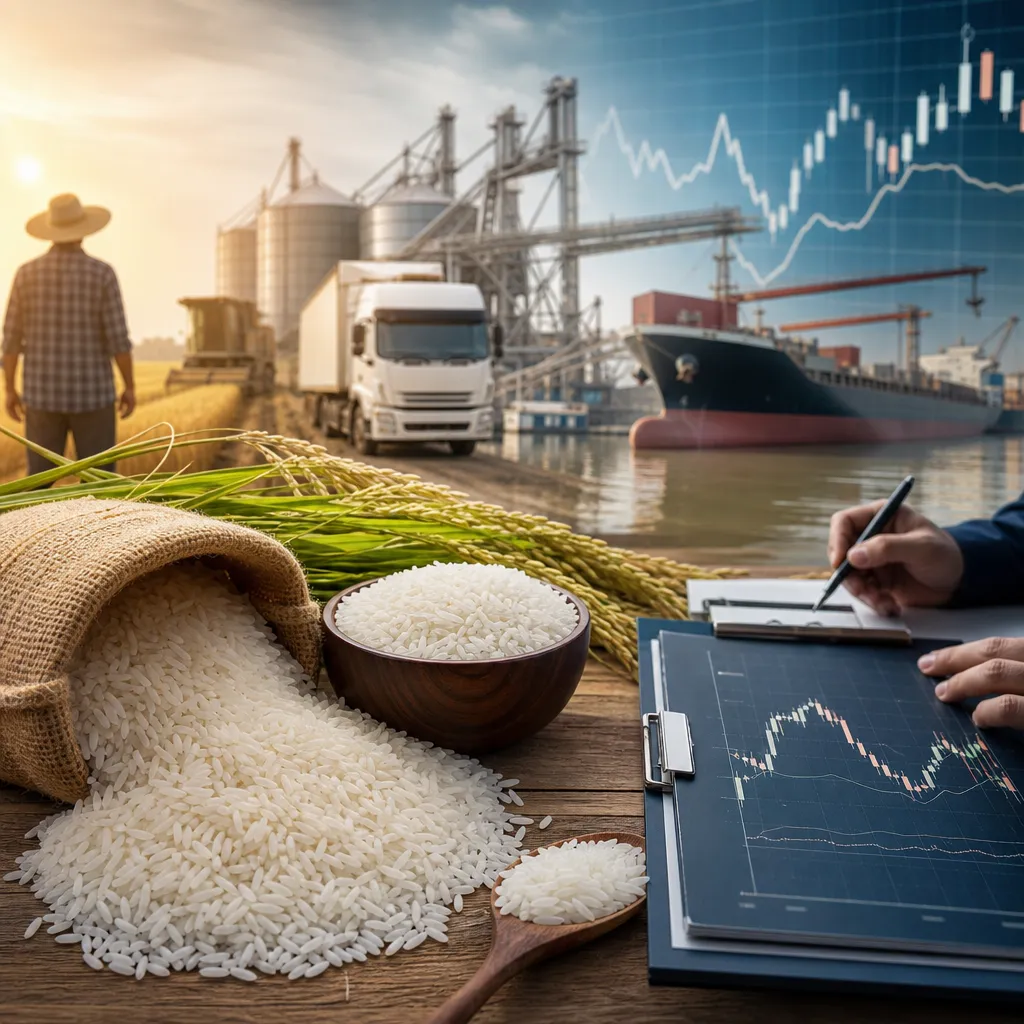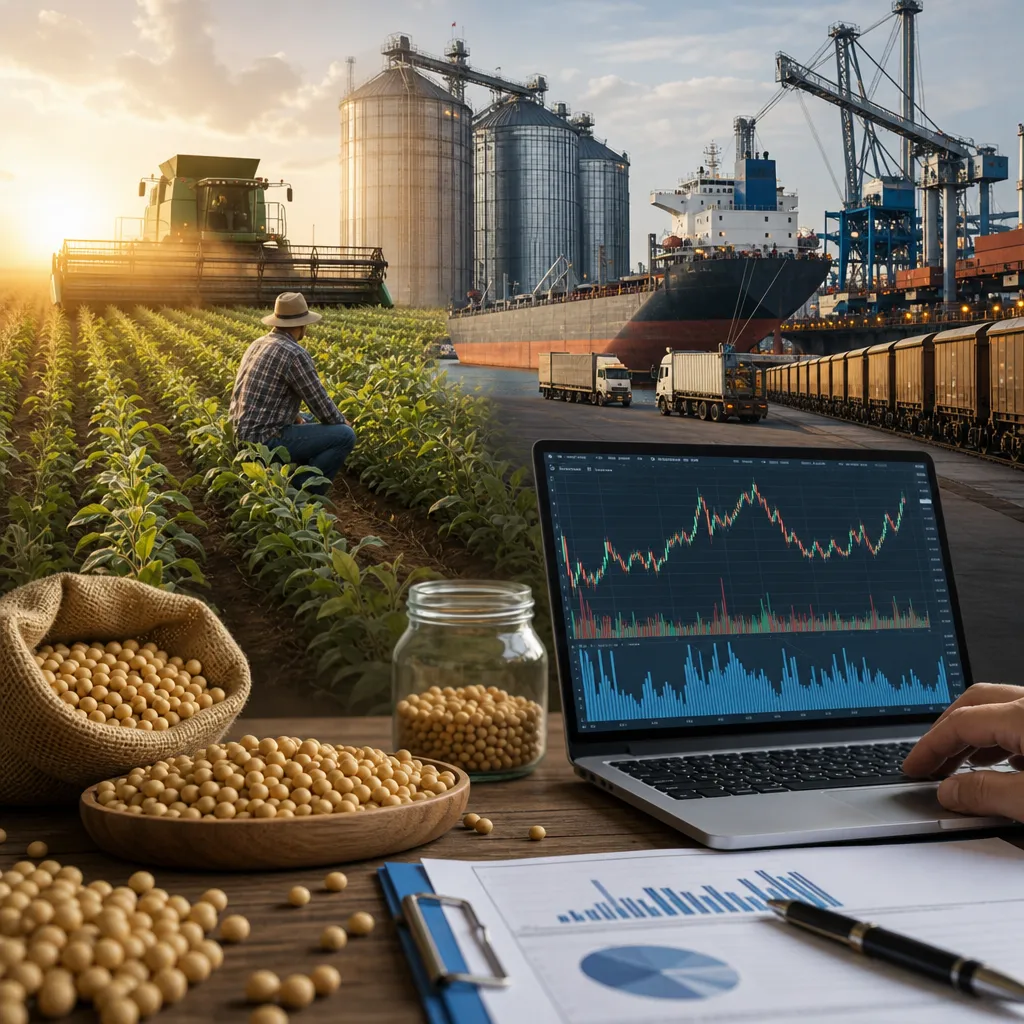
The Rise of Sustainable Grain Production explores how forward-thinking **farmers**, scientists, and **policymakers** are reshaping global cereal cultivation. By integrating **innovation**, ecological stewardship, and market strategies, this transformation aims to boost yields, protect **biodiversity**, and lower agriculture’s carbon footprint. The following chapters delve into the drivers, methods, and future outlook of this agrarian revolution.
Emergence of Sustainable Grain Farming
Global demand for staple grains such as wheat, rice, and maize has continually risen, driven by population growth and shifting diets. Traditional intensive cropping methods, while productive, often degrade soil, deplete water reserves, and emit significant greenhouse gases. In response, a movement centered on sustainable grain production has gained momentum, seeking to harmonize **efficiency** with environmental responsibility.
Historical Context
During the Green Revolution, high-yield varieties and synthetic inputs enabled dramatic increases in grain output. However, decades of monocropping led to pest resistance, soil erosion, and reliance on fossil-fuel-based fertilizers. By the late 20th century, researchers and extension services began promoting crop rotations, integrated pest management, and no-till practices—pioneering steps toward a more circular, regenerative model.
Key Drivers
- Climate Change: Increased weather volatility demands resilient systems that can withstand droughts and floods.
- Resource Scarcity: Water tables are dropping, and arable land is shrinking, encouraging more judicious use of inputs.
- Consumer Awareness: Shoppers are seeking grains produced with minimal environmental impact, creating market incentives.
- Policy Frameworks: Subsidies and carbon-credit schemes are shifting to reward low-emission farming.
Innovative Agricultural Practices
At the core of sustainable grain production are practices that bolster soil health, optimize resource use, and reduce chemical dependency. Adoption of these methods varies globally, but shared principles guide their application.
Conservation Agriculture
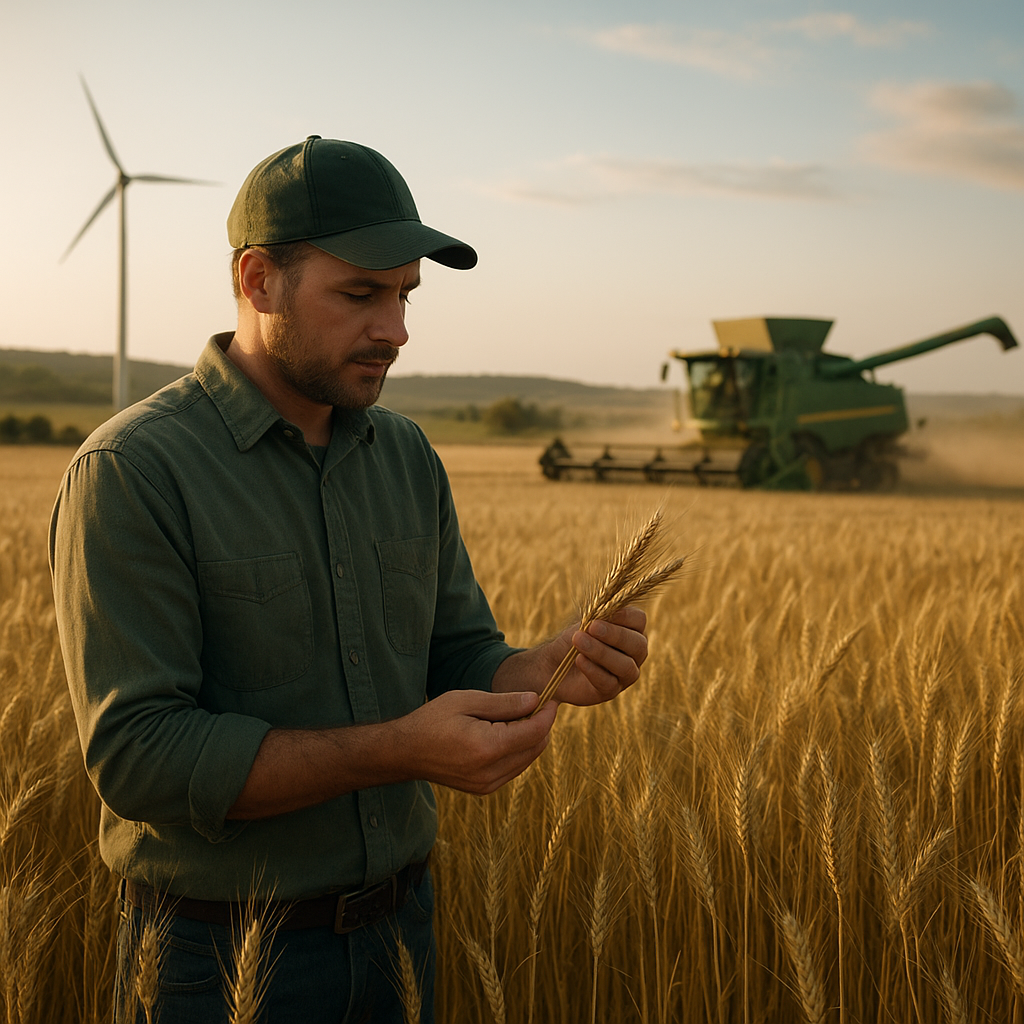
Conservation agriculture combines minimal soil disturbance, permanent soil cover, and crop rotations. No-till drilling limits erosion and preserves soil structure, while cover crops—such as legumes—enhance nutrient cycling and suppress weeds. Farmers report improvements in water infiltration and organic matter, translating into more stable **yields** under erratic weather.
Precision Farming
Technologies such as GPS-guided tractors, remote sensing, and variable-rate application allow precise delivery of fertilizers and irrigation. This targeted approach reduces input waste and environmental runoff. Imagine a drone scanning fields for nitrogen deficiencies, then instructing machinery to apply fertilizer only where needed. Such **efficiency** cuts costs and protects waterways from nutrient pollution.
Agroecological Integration
Agroecology emphasizes leveraging natural processes: intercropping grains with legumes deters pests, enhances soil fertility, and diversifies farm income. Pollinator-friendly field margins, buffer strips, and rotational grazing of livestock can be integrated into cereal systems to reinforce ecological **resilience** and long-term productivity.
Market Dynamics and Trade
As sustainable practices spread, the grain market is adapting. Both local and international trade channels are evolving to support certified and eco-labeled products.
Certification Schemes
- Rainforest Alliance
- Fairtrade
- GlobalG.A.P.
- Regenerative Organic Certified
These programs audit practices ranging from input sourcing to worker welfare. Premiums paid for certified grain help farmers cover the costs of sustainable transitions and incentivize further adoption. Retail chains and food processors increasingly require proof of compliance before purchasing large volumes.
Commodity Pricing and Incentives
Governments and private sectors are experimenting with differential pricing: offering better rates for low-carbon grains. Carbon markets now allow farmers to earn credits for practices that sequester CO₂, such as cover cropping and reduced tillage. Such **market-based** incentives align environmental benefits with profitability.
Global Supply Chain Resilience
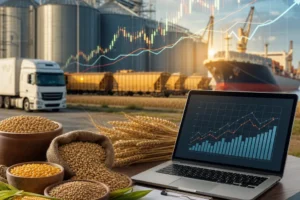
Recent disruptions—from pandemics to geopolitical tensions—underscore the vulnerability of long-distance grain supply lines. By strengthening **local** grain hubs and shortening distribution chains, regions can ensure food security while reducing transport-related emissions. Blending regional self-reliance with global trade fosters a resilient food system capable of withstanding shocks.
Future Prospects and Challenges
Despite significant strides, several obstacles remain. Addressing these will be critical to scaling sustainable grain production worldwide.
Financial Barriers
Smallholder farmers often lack access to capital for equipment upgrades or precision-tools. Public-private partnerships and microfinance initiatives can help bridge funding gaps and enable widespread technology adoption.
Knowledge Transfer
Effective training and extension services are vital. Digital platforms—mobile apps, online courses, and virtual demos—can disseminate best practices. However, connectivity remains limited in remote areas, demanding creative outreach solutions like farmer-to-farmer networks or local demonstration plots.
Policy Alignment
Holistic policy frameworks must integrate agricultural, environmental, and trade objectives. Aligning subsidies away from high-emission inputs toward conservation measures, and ensuring regulatory stability, will support farmers in long-term planning and investment.
Technological Evolution
Emerging innovations—gene editing for drought-tolerant varieties, biofertilizers derived from microorganisms, and blockchain-based traceability systems—promise to raise the bar on **productivity** and transparency. Continued research and **collaboration** between public institutions and private players will drive these advances from lab to field.
Social and Cultural Factors
Local traditions and farmer preferences influence adoption rates. Solutions must be context-specific, respecting cultural knowledge while introducing new methods. Building trust through participatory approaches ensures that innovations reflect on-the-ground realities and deliver tangible benefits.
As the global community strives for a more sustainable future, the grain sector stands at a pivotal crossroads. Embracing regenerative practices, leveraging cutting-edge **technology**, and reinforcing market structures can transform cereal cultivation into a climate-smart pillar of food security and economic development.