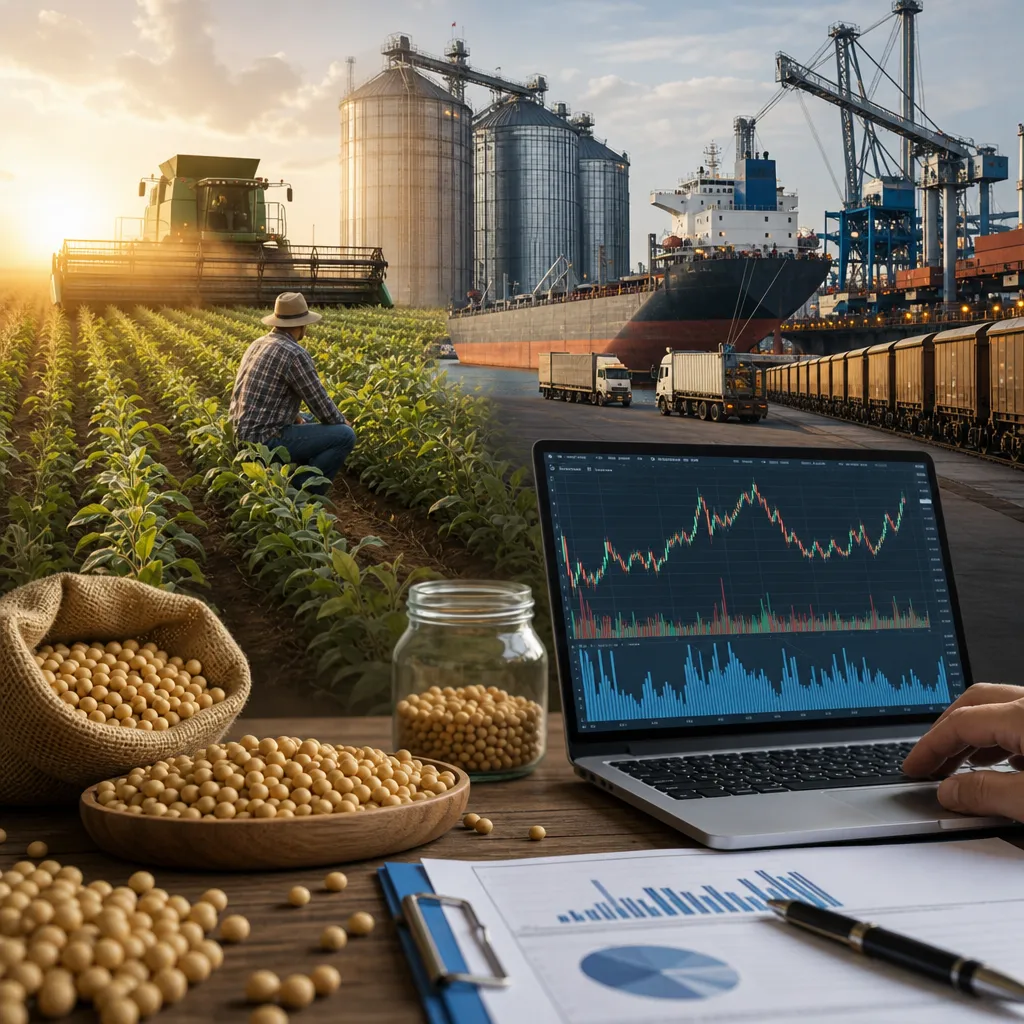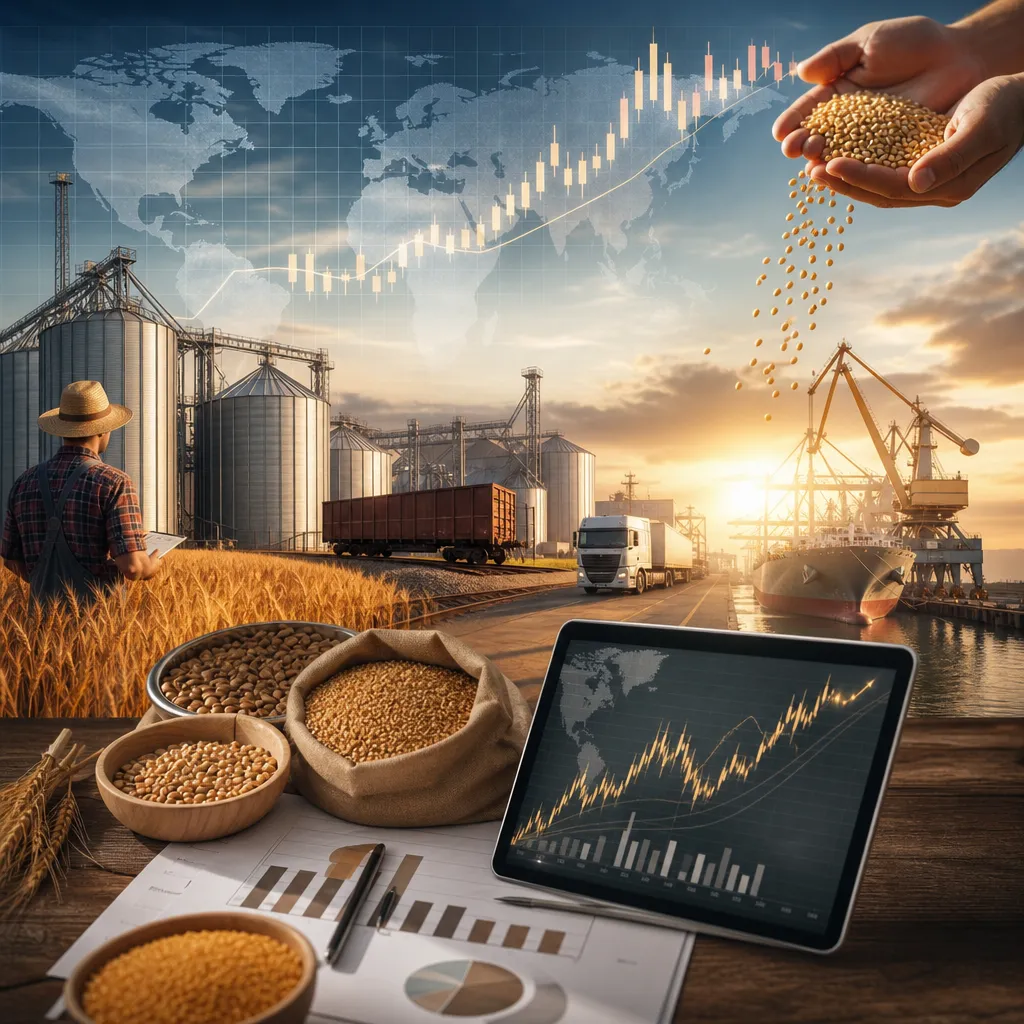
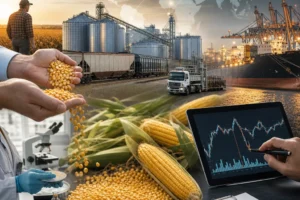
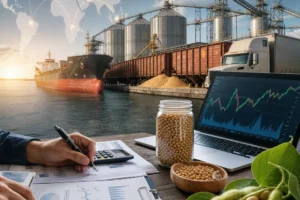
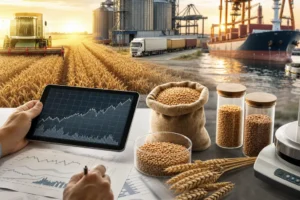
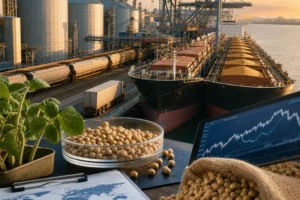
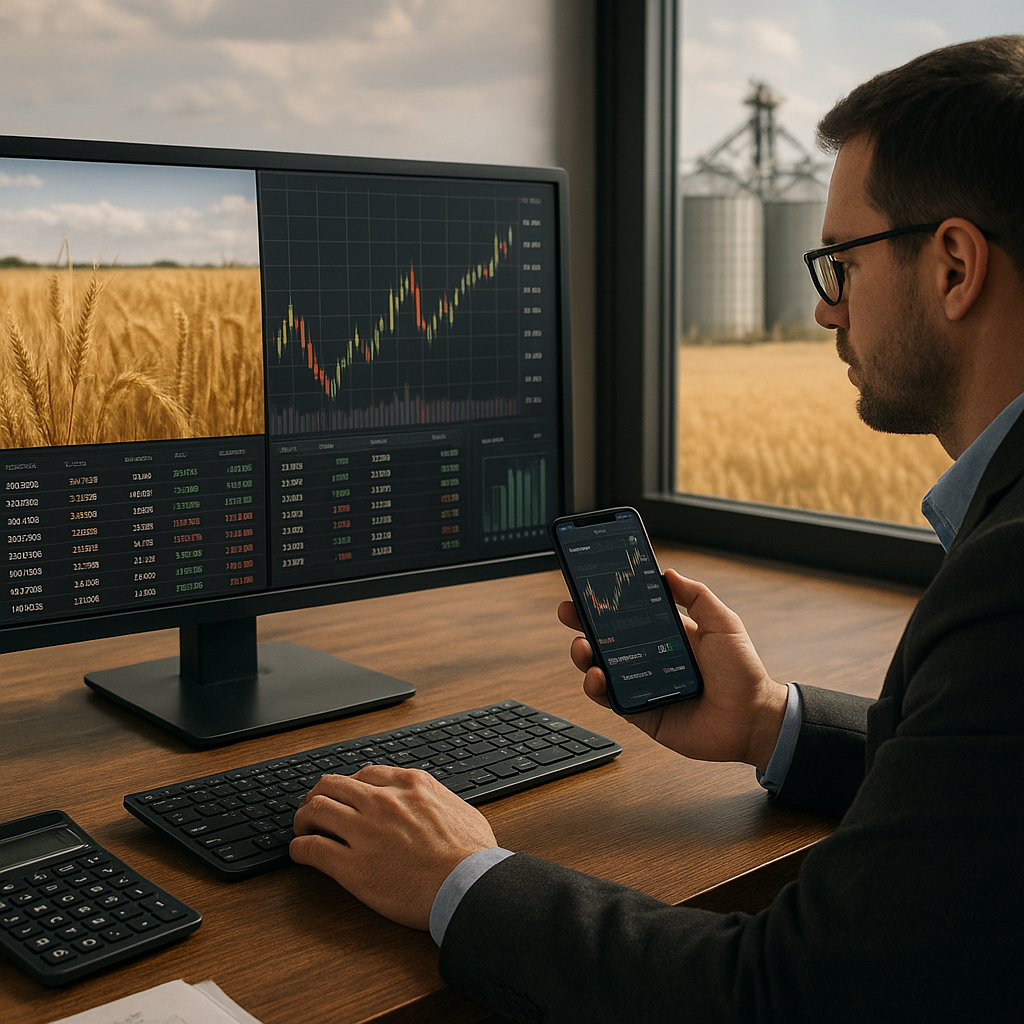
The grain trading landscape has undergone a significant metamorphosis driven by digital innovation. From storage facilities equipped with smart sensors to online marketplaces facilitating instantaneous transactions, technology has become the backbone of modern grain supply chains. This article delves into the cutting-edge tools and strategies that are redefining efficiency, risk management, and sustainability in grain and grain markets worldwide.
Technological Transformation of Grain Market Infrastructure
Advancements in infrastructure are pivotal for handling vast volumes of agricultural commodities. Traditional warehouses and silos have evolved into smart facilities powered by the Internet of Things (IoT). These sensors continuously monitor temperature, humidity, and carbon dioxide levels to minimize spoilage and pest infestation. Integrating real-time data feeds enables traders to make informed decisions on when to store, sell, or transport grain, enhancing overall supply chain agility.
Smart Warehousing and Logistics
- IoT sensors for environmental control
- Automated conveyors and robotic sorting systems
- GPS-enabled fleet tracking for automation of deliveries
- Cloud-based dashboards consolidating performance metrics
Integrating these elements reduces human error, lowers operational costs, and accelerates order fulfillment. Moreover, predictive maintenance of machinery, guided by sensor analytics, prevents downtime and unplanned expenses.
Digital Marketplaces and E-Trading Platforms
The rise of digital grain exchanges has transformed how buyers and sellers interact. E-trading platforms leverage sophisticated algorithms to match offers with bids in real time, ensuring optimal pricing and execution speed. Features such as real-time price feeds, margin calculators, and customizable alerts empower participants to capitalize on market fluctuations instantly.
- Dynamic pricing engines based on supply-demand analytics
- Integration with financial services for instant settlement
- Mobile applications enabling trading on the go
Data-Driven Decision-Making and Forecasting
Precise forecasting is the cornerstone of risk management in grain trading. Modern stakeholders harness the power of big data and AI to predict harvest yields, price trends, and logistical bottlenecks. Machine learning models digest historical data, satellite imagery, and weather forecasts to generate actionable insights with unprecedented accuracy.
Satellite Imagery and Remote Sensing
Drones and Earth-observation satellites provide a bird’s-eye view of crop health, enabling traders to anticipate supply levels well before harvest. By analyzing multispectral imagery, companies can:
- Estimate yield variations across regions
- Identify early signs of drought or disease
- Optimize storage allocation based on projected volumes
These advancements empower grain buyers to hedge positions effectively and refine procurement strategies based on reliable, near-real-time data.
Predictive Analytics for Market Intelligence
Today’s forecasting models incorporate diverse data inputs—from macroeconomic indicators and commodity futures curves to social media sentiment analysis. By unifying these sources, traders can quantify market sentiment and adjust risk exposure dynamically. Key benefits include:
- Accurate demand forecasting for different grain varieties
- Early-warning systems for price volatility
- Scenario planning under varying geopolitical and climatic conditions
Blockchain and Digital Contracts for Traceability
Transparency and provenance have become paramount in global grain supply chains. Blockchain technology offers an immutable ledger that records every transaction, from farm gate to end user. This secure record-keeping reduces fraud, enhances compliance, and fosters trust among stakeholders.
Smart Contracts and Automated Settlements
Smart contracts—self-executing agreements coded on a blockchain—streamline trade settlements by automatically releasing payments once predefined conditions are met (e.g., delivery confirmation, quality standards). Benefits include:
- Reduced counterparty risk through escrow mechanisms
- Lower transaction costs by eliminating intermediaries
- Accelerated settlement cycles, improving cash flow
Full-Chain Traceability
Consumers and regulators increasingly demand proof of origin and ethical sourcing. Blockchain platforms record:
- Farm-level data on planting, harvesting, and pesticide use
- Logistics milestones, including shipping and storage dates
- Quality certifications and laboratory analysis results
By scanning a QR code on packaging, end users can verify that grain products meet stringent sustainability and quality standards, reinforcing brand credibility.
Looking Ahead: Innovations Shaping Future Grain Trading
The convergence of emerging technologies promises to further revolutionize grain markets. Among the most transformative innovations are:
- 5G-enabled connectivity for instantaneous data transfer along remote supply routes
- Edge computing, allowing rapid on-site analytics at storage facilities
- Advanced robotics for automated grain sampling and quality assessment
- Integration of carbon credit tracking to promote sustainability incentives
Artificial Intelligence and Autonomous Systems
Future developments in AI will usher in fully autonomous trading bots capable of executing complex strategies across multiple exchanges. Coupled with robotic process automation (RPA), routine tasks such as contract generation, compliance checks, and settlement reconciliation will become hands-free, freeing up human experts to focus on strategic decision-making.
Sustainable Practices through Digital Innovation
As environmental concerns take center stage, digital tools will help quantify and reduce carbon footprints throughout the grain value chain. IoT-enabled energy management, blockchain-based carbon credit markets, and AI-driven optimization of transport routes will collectively drive the industry toward a more eco-friendly future.
The integration of advanced digital solutions has already reshaped grain trading by boosting efficiency, transparency, and resilience. As new technologies emerge, stakeholders who embrace innovation will gain competitive advantages, ensuring robust and sustainable grain markets for years to come.