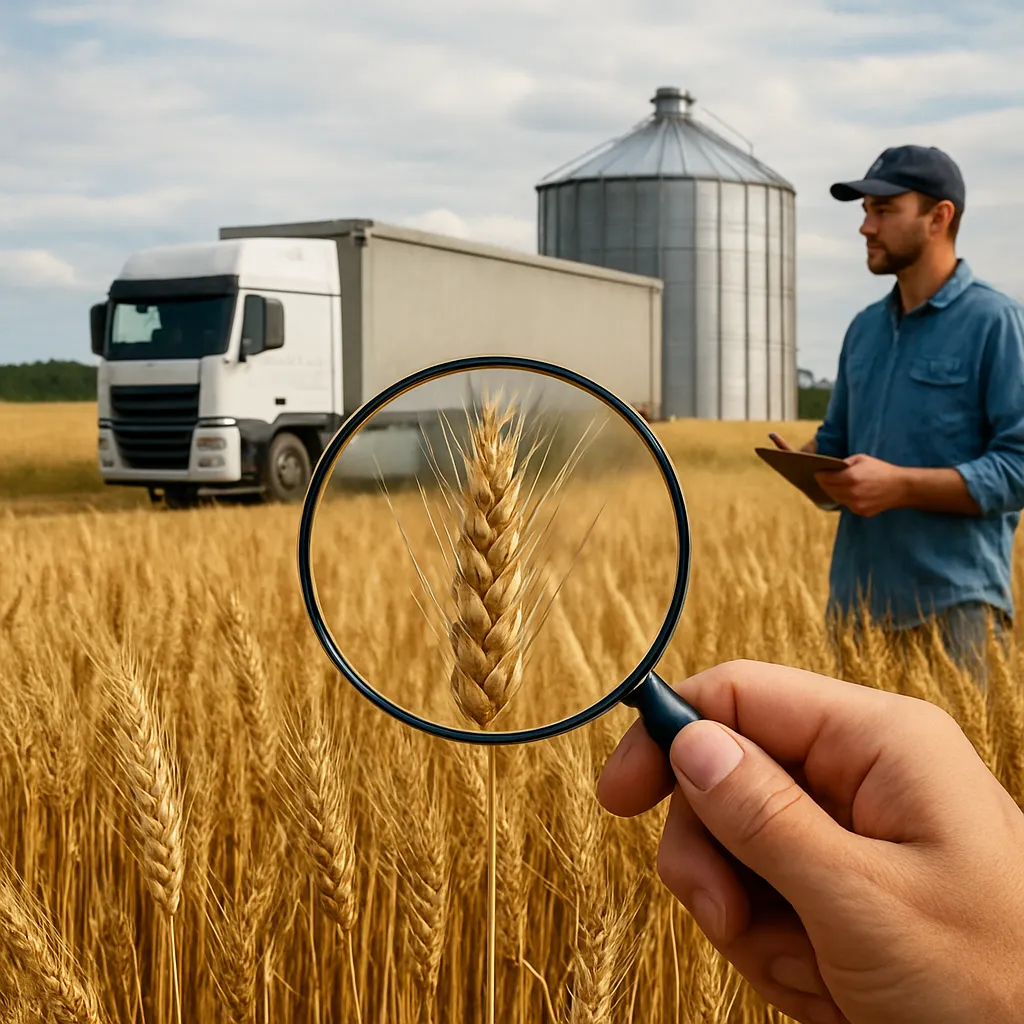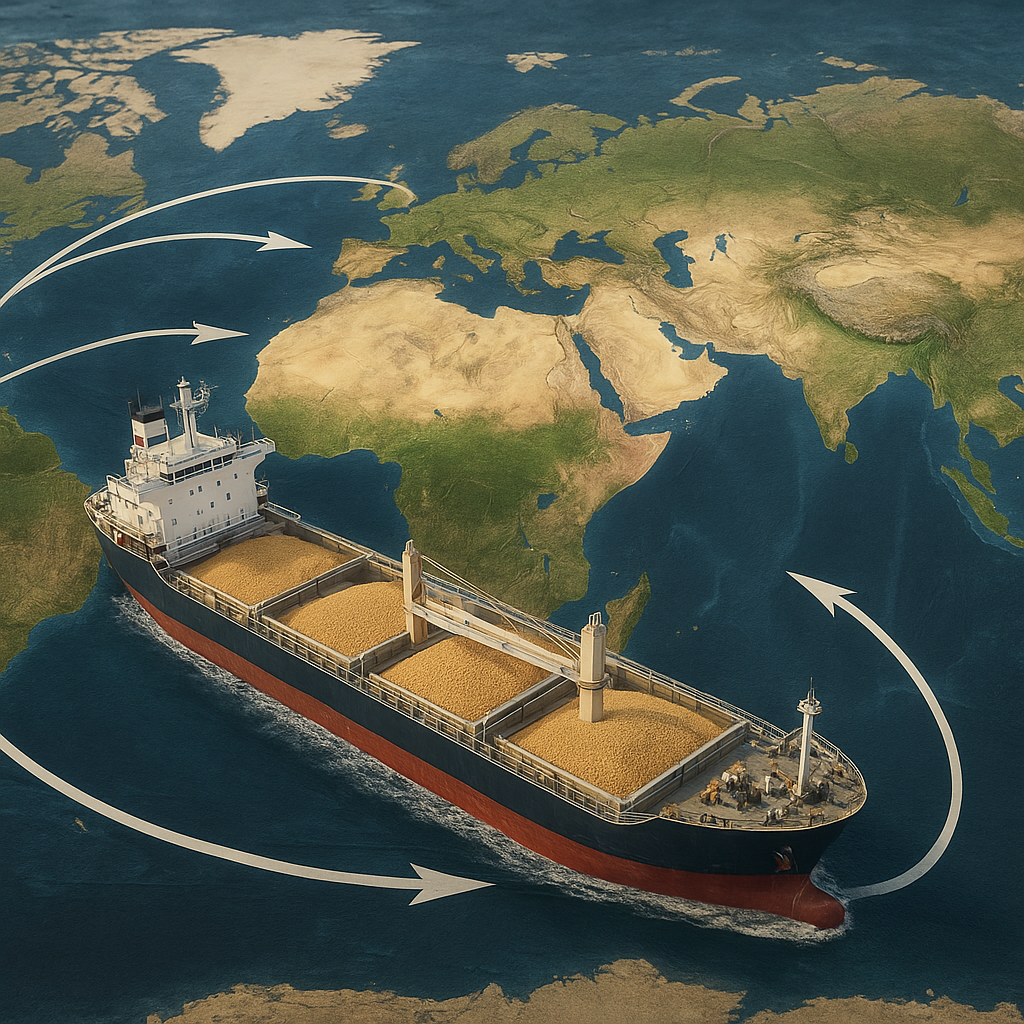
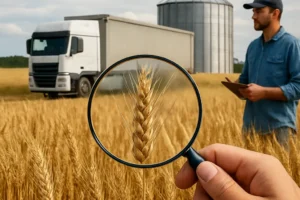
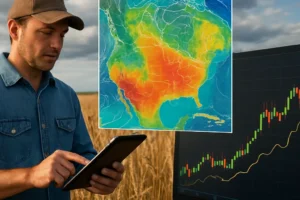
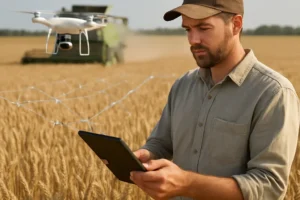
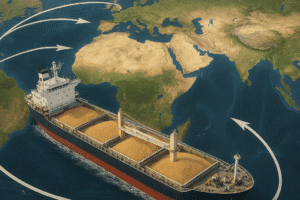


The global grain market has witnessed a transformation driven by shifting consumer expectations, evolving regulations, and the imperative for sustainable agriculture. As stakeholders across the commodity spectrum seek to minimize risks and enhance operational efficiency, traceability emerges as a pivotal tool. By enabling real-time visibility into every stage of the value chain—from farm fields to final consumption—traceability solutions bolster food safety, encourage sustainability, and strengthen market competitiveness.
Enhancing Transparency in Grain Supply Chains
Supply chains in the grain industry span continents, encompassing growers, processors, traders, transporters, and retailers. Fragmentation within this network often leads to information silos, making it difficult to identify the origin of a specific lot or to verify its journey. Implementing robust traceability systems helps unify data, providing a coherent picture of the product lifecycle. Key benefits include:
- Transparency: Digital records document every transaction, shipment, and handling process, ensuring stakeholders can audit histories at a glance.
- Quality Assurance: By monitoring conditions such as temperature and moisture during storage and transportation, traceability platforms support adherence to quality standards.
- Efficient risk management: Rapid access to batch-level data allows for targeted recalls, significantly reducing financial losses and reputational damage.
Moreover, the integration of real-time sensors and Internet of Things (IoT) devices provides granular insights into grain quality parameters. These devices feed data into centralized platforms, enabling predictive analytics and proactive decision-making. For instance, if moisture exceeds acceptable thresholds, alerts can trigger corrective measures before spoilage occurs.
Meeting Regulatory and Consumer Demands
Regulatory bodies across regions are tightening standards to protect public health and ensure fair trade. In the European Union, the new Food Law Regulation demands full batch traceability for all agricultural commodities. Meanwhile, North American authorities enforce guidelines on allergen control and residue testing. Compliance with these rules is non-negotiable, and failure to comply can result in heavy fines or trade bans.
Regulatory Compliance
- Documented chain-of-custody records.
- Verification of pesticide and mycotoxin limits.
- Periodic audits and certification by recognized bodies.
Consumers, too, are playing an active role. Heightened awareness regarding environmental impact and ethical sourcing has fueled demand for products that are certified organic, non-GMO, or fair-trade. Retailers respond by requiring suppliers to provide verifiable proof of origin and production practices. In this context, traceability becomes a value proposition, not merely a compliance checkbox.
Social media and digital platforms amplify consumer feedback, making transparency a cornerstone of brand reputation. A single contamination incident can travel across networks in minutes, creating widespread concern. Grain traders and producers who proactively share supply chain insights can foster trust and cultivate customer loyalty.
Technological Innovations Driving Traceability
Advancements in digital tools have revolutionized how traceability is implemented. Traditional paper-based systems are giving way to agile, cloud-based platforms that handle massive datasets with ease. Some of the most noteworthy technologies include:
- Blockchain: By creating immutable ledgers, blockchain ensures data integrity and prevents tampering. Each transaction—whether a delivery receipt or storage update—is recorded in a decentralized network, accessible to authorized participants.
- RFID Tags and QR Codes: These identifiers enable rapid scanning of grain sacks or containers, linking physical products to digital records.
- Machine Learning Algorithms: Predictive models analyze historical data and environmental factors to forecast supply disruptions and quality deviations.
- Cloud Computing: Centralized servers host traceability software, offering scalable solutions that grow with the business and facilitate cross-border collaboration.
Integration of these technologies provides several operational advantages. For instance, a cooperative of farmers can pool transactional information into a shared blockchain, thereby reducing disputes about delivery volumes or payment terms. Processors can track incoming grain and automatically schedule inbound quality tests, optimizing laboratory workloads and throughput.
Economic and Environmental Implications
While traceability systems require initial investment in hardware, software, and training, the return on investment can be substantial. Cost savings result from:
- Reduced waste due to early detection of spoilage or contamination.
- Streamlined recall processes, limiting scope and associated expenses.
- Improved negotiation power with buyers who prioritize certified sources.
Furthermore, traceability underpins sustainable agricultural practices. By tracking inputs such as fertilizers and pesticides, producers can optimize application rates, reducing environmental runoff and greenhouse gas emissions. Programs that reward farmers for carbon sequestration or water conservation depend on verifiable data—something that traceability platforms are uniquely positioned to provide.
Blockchain-based carbon credit marketplaces, for instance, rely on transparent performance metrics. Farmers who adopt precision agriculture techniques can log soil health and yield improvements, translating these metrics into tradable credits.
Challenges and Pathways to Adoption
Despite its benefits, implementing traceability in the grain sector is not without challenges. Common obstacles include the cost of digital transformation, lack of standardization across borders, and data privacy concerns. However, industry consortia and standard-setting bodies are addressing these barriers by developing unified protocols and certification frameworks.
- Public-Private Partnerships: Collaborations between governments, NGOs, and private enterprises fund pilot projects and subsidize technology adoption for smallholder farmers.
- Open Standards: Initiatives like the Global Grain Traceability Network advocate for interoperability, enabling seamless data exchange among supply chain partners.
- Training Programs: Education on best practices ensures that stakeholders at every level understand how to capture and interpret traceability data effectively.
Embracing traceability also demands a cultural shift. Trust is built when participants recognize the mutual benefits of transparency. By starting with manageable projects—such as tracing a single commodity lot through one processing facility—organizations can demonstrate quick wins and scale up over time.
Future Outlook for Grain Traceability
The momentum behind traceability in the grain trade shows no signs of slowing. As emerging technologies like artificial intelligence and sensor miniaturization continue to evolve, stakeholders will gain unprecedented visibility into complex supply chains. This evolution will:
- Enhance predictive capabilities around climate-related risks.
- Enable dynamic pricing models tied to verified quality benchmarks.
- Foster new market access for producers who meet stringent sustainability criteria.
In parallel, consumer-driven platforms may surface crowd-sourced data on corporate sustainability performance, further pressuring industry players to adopt transparent practices. Ultimately, organizations that integrate traceability into their core strategies will be better positioned to navigate regulatory landscapes, satisfy discerning buyers, and contribute to a more resilient global food system.