

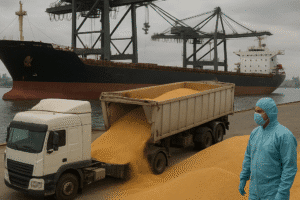


The strategic importance of robust storage infrastructure in the grain industry cannot be overstated. From the moment of harvest, grains begin to undergo physical and biochemical changes that, if unmanaged, can degrade quality and value. Investing in reliable, well-maintained facilities enables producers and traders to preserve husk-to-husk integrity, reduce spoilage, and maintain consistent supply to markets worldwide. This article explores how modern grain storage strategies shape post-harvest management, influence price stability, drive technological innovation, and underpin global supply chain resilience.
Securing Post-Harvest Quality Through Proper Storage
Once harvested, cereals such as wheat, maize, rice, and barley remain vulnerable to moisture ingress, insect infestation, mold growth, and oxidative rancidity. Effective silos and bins, paired with controlled airflow and temperature regulation, form the first line of defense against these threats. Properly engineered structures mitigate condensation, prevent clumping, and ensure uniform drying. By controlling relative humidity and aeration cycles, operators can preserve nutritional content, maintain kernel integrity, and extend storage life by months or even years.
Key elements of reliable storage systems include:
- Moisture monitoring sensors to detect wet spots or emerging condensation.
- Ventilation ducts that enable precise control of internal temperature.
- Integrated fumigation ports for targeted pest management without full emptying.
- Hygienic design and easy-clean surfaces to discourage insect harborages.
Without these safeguards, post-harvest losses—estimated at 10–20% in many developing regions—can translate into millions of tons of wasted produce annually. Loss reduction not only uplifts farmer incomes but also buffers against food shortages during lean seasons.
Economic Impact and Market Dynamics
Grain markets are highly sensitive to shifts in supply and demand. Inadequate storage capacity often forces immediate sales after harvest, saturating local markets and driving down farmgate prices. Conversely, countries or regions with ample storage can withhold stock to capitalize on seasonal price appreciation. This ability to time market participation dampens market volatility, benefiting producers and consumers alike by smoothing price curves and enhancing predictability.
At a macroeconomic level, national reserves housed in state-of-the-art warehouses help stabilize domestic food prices, shield vulnerable populations from global price shocks, and provide strategic buffers during natural disasters or geopolitical upheavals. In export-oriented economies, reliable grain reserves underpin commitments to international buyers, ensuring contract fulfillment and bolstering reputation in global trade negotiations.
Furthermore, efficient storage unlocks financial instruments such as warehouse receipt financing. Farmers can pledge stored commodities as collateral, gaining working capital while the produce awaits optimal sale conditions. This mechanism unlocks liquidity, stimulates rural economies, and deepens agricultural credit markets.
Innovations in Grain Storage Technologies
Recent advances are transforming traditional bin systems into intelligent, data-driven platforms. Key innovations include:
- Precision climate control: Automated fans and dehumidifiers adjust settings in real time based on IoT sensor data.
- Hermetic storage: Airtight containers that create low-oxygen environments, naturally suppressing insect pests without chemical fumigants.
- Digital tracking: RFID tags and blockchain integration provide end-to-end traceability, enhancing transparency and quality assurance.
- Predictive analytics: Machine learning models forecast spoilage risk by analyzing temperature, humidity, and historical loss patterns.
These cutting-edge solutions not only preserve grain health but also optimize energy consumption, reducing operational costs and carbon footprints. Startups and established agritech firms are partnering with cooperatives to pilot mobile storage units, enabling remote communities to access advanced storage with minimal infrastructure investment.
By embracing technology, stakeholders can unlock new revenue streams from value-added services such as certified moisture analysis, real-time inventory management, and quality grading—all delivered through user-friendly dashboards and mobile apps.
Policy and Global Supply Chain Considerations
Governments and international agencies play a pivotal role in fostering storage capacity growth. Policy levers include tax incentives for warehouse construction, subsidized loans for equipment upgrades, and public–private partnership programs. Standardized grading, inspection protocols, and insurance schemes further reduce risk for investors and operators.
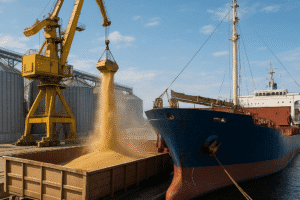
Efficient logistics networks—linking rural silos to rail terminals, ports, and processing centers—are equally critical. Multimodal corridors equipped with temperature-controlled handling facilities enable seamless movement of grains across borders, minimizing bottlenecks that can erode profitability. Collaborative platforms allow stakeholders to synchronize shipments, share capacity data, and forecast demand spikes during festival seasons or export campaigns.
In addition, climate-smart strategies are increasingly vital. Hardening storage infrastructure against extreme weather events—by elevating structures in flood-prone areas or reinforcing walls against high winds—safeguards national food reserves from destruction. Integrating renewable energy sources, such as solar-powered fans and sensors, reduces reliance on unstable power grids and lowers greenhouse gas emissions.
Ultimately, coordinated investment in modernized grain storage systems lays the foundation for resilient agrifood chains, improved farmer livelihoods, and enhanced food security for billions of consumers worldwide.