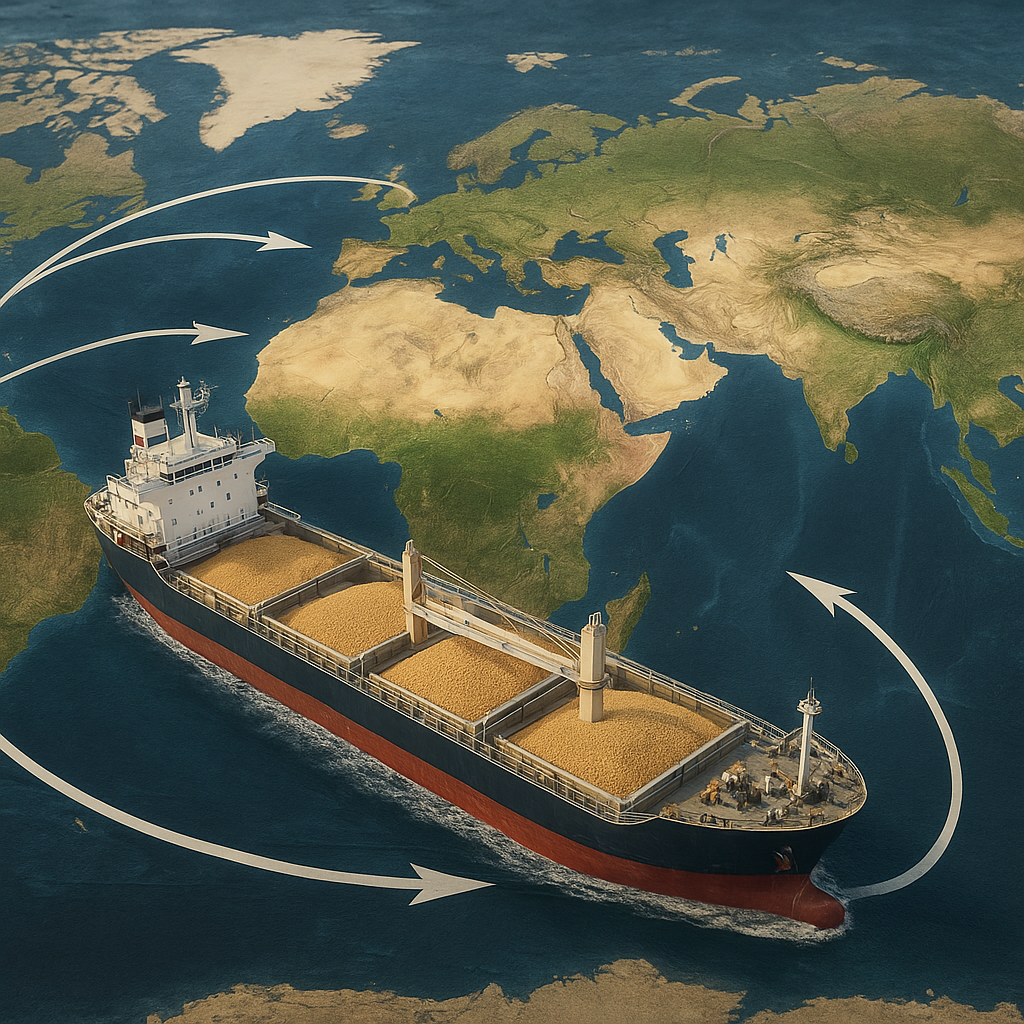






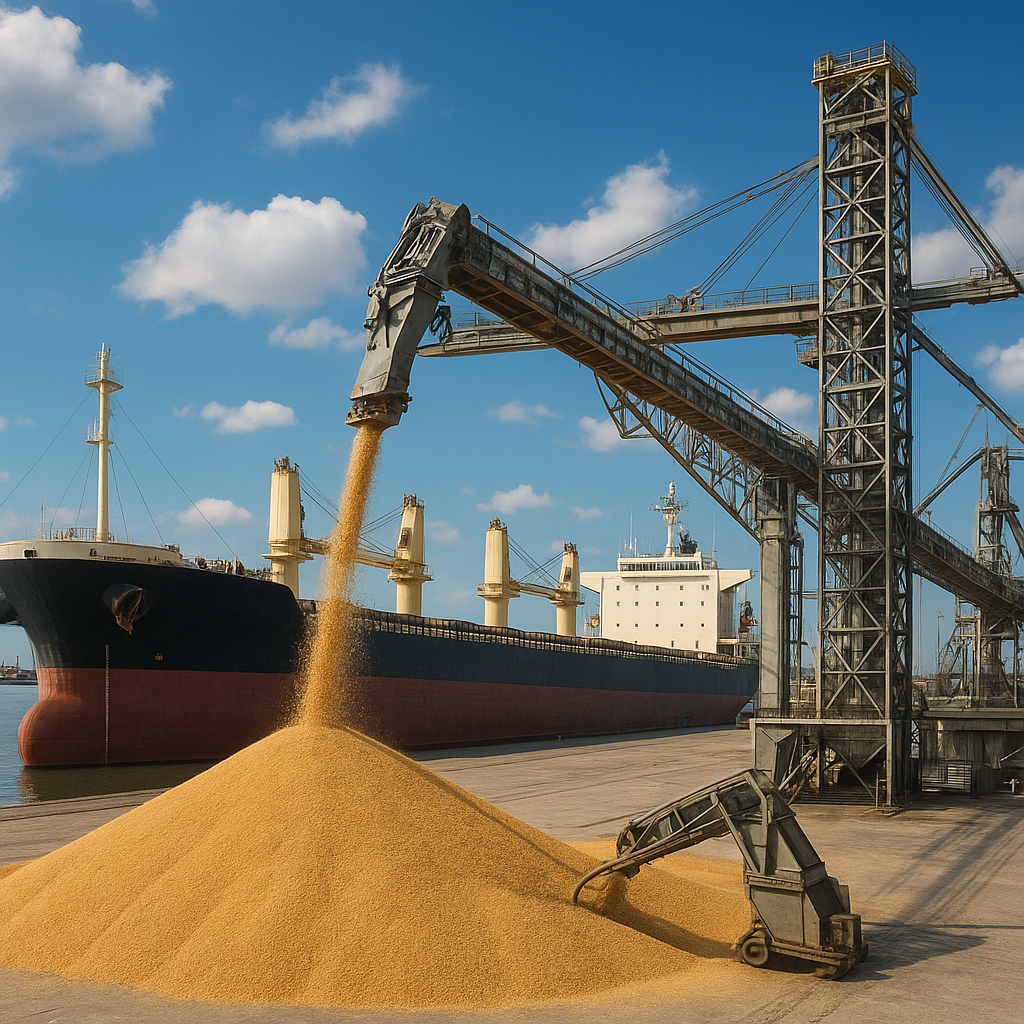
The global grain trade is a cornerstone of food security and economic stability, yet the infrastructure supporting export operations often lags behind rising demand and evolving challenges. Upgrading ports, storage facilities, and transportation networks is no longer optional. Modern, resilient systems will safeguard supply chains against disruptions and enhance the competitive edge of exporting nations. This article examines pressing issues facing grain export infrastructure and highlights pathways to a more robust future.
Global Demand and Supply Challenges
As population growth and dietary trends drive up consumption, grain exporters must contend with extraordinary pressure to scale operations. Regions experiencing rapid urbanization and shifting preferences towards processed foods amplify the need for a reliable flow of wheat, corn, and barley. Despite abundant harvests in many countries, bottlenecks within **logistics** networks can erode profit margins and risk spoilage. Furthermore, climatic variability exacerbates unpredictability in yields, pushing stakeholders to adopt more agile export systems.
International markets demand consistency. A sudden delay at a single port can ripple across continents, inflating prices and undermining food security in vulnerable regions. In this environment, collaborating with private-sector firms and government agencies is crucial. Such partnerships enable strategic planning and resource pooling, ensuring that capacity constraints are identified and addressed proactively. By envisioning supply chains as dynamic ecosystems, exporters can align harvest schedules, shipping windows, and storage availability with global demand cycles.
Current Infrastructure Limitations
Many grain-exporting nations rely on decades-old ports and rail corridors initially designed for lower volumes. These outdated facilities struggle to manage contemporary throughput requirements. Crumbling silos with outdated aeration systems fail to preserve grain quality, leading to higher post-harvest losses. At the same time, congested berths and limited loading equipment slow ship turnaround times, driving up freight costs and reducing the appeal of certain routes.
- Inadequate Storage Technology: Traditional silos often lack climate control and pest management systems.
- Outmoded Transportation Links: Aging rail lines and narrow gauge tracks hinder bulk movement over long distances.
- Labor Shortages and Skill Gaps: Manual processes dominate loading operations, increasing safety risks and lowering productivity.
These shortcomings compromise the **efficiency** of entire supply chains. For exporters to remain competitive, they must invest in upgrading material-handling systems and adopting automation. By leveraging robotics at grain elevators and deploying real-time monitoring sensors, operators can reduce human error and accelerate the movement of product from farm to vessel. In addition, expanding berth capacity and dredging deeper channels allows ports to accommodate larger bulk carriers, unlocking economies of scale and lowering per-ton shipping rates.
Technological Innovations and Investments
Modernization hinges on embracing cutting-edge solutions. Digitalization of grain terminals supports advanced analytics for inventory tracking, demand forecasting, and maintenance scheduling. High-resolution cameras and moisture sensors installed within storage bins detect anomalies early, preventing spoilage and quality degradation. Blockchain platforms offer transparent transaction records, enhancing trust among farmers, traders, and shipping companies by ensuring traceability from field to final destination.
Smart Storage and Handling Systems
Automated silo farms equipped with pneumatic conveyors and robotic stackers optimize space utilization and minimize handling time. Such systems maintain ideal temperature and humidity levels, thus safeguarding grain integrity. In parallel, integrating conveyor networks with port cranes and ship loaders creates a seamless, end-to-end operation. These enhancements boost **throughput**, enabling ports to handle seasonal surges without costly delays.
Advanced Transportation Solutions
On the rails and roads, investments in high-capacity rail cars, improved track infrastructure, and computerized traffic management systems accelerate shipments to coastal terminals. Multi-modal hubs that connect rail, river barges, and highways facilitate flexible routing, reducing reliance on a single corridor. This distributed network approach enhances overall **resilience** against natural disasters, labor strikes, or geopolitical tensions.
Financial Strategies and Policy Frameworks
Securing adequate **investment** requires a blend of public funding, private capital, and international development aid. Governments can incentivize infrastructure projects through tax credits, low-interest loans, and public-private partnerships. Grant programs focused on climate adaptation can help upgrade facilities to withstand extreme weather events, aligning with broader goals of **sustainability** and risk mitigation.
- Priority Infrastructure Bonds: Issuing bonds dedicated to port expansion and rail modernization.
- Export Credit Guarantees: Mitigating financial risk for lenders financing equipment upgrades.
- Regulatory Reforms: Streamlining permitting processes to accelerate construction of new storage and transport facilities.
Adopting clear policy frameworks empowers all **stakeholder** groups—farmers, cooperatives, logistics providers, and end-users—to collaborate on long-term strategies. Regular dialogues between the public and private sectors foster innovation and ensure that investments align with evolving market demands.
Environmental and Social Considerations
Infrastructure projects must balance economic benefits with ecological stewardship. Implementing green building standards for storage complexes reduces carbon footprints and conserves water resources. Utilizing renewable energy sources—such as solar panels atop warehouse roofs or biogas from grain residues—fosters a more **sustainable** export ecosystem.
Moreover, prioritizing community engagement mitigates social risks. Workforce development initiatives provide training in safety protocols and technical maintenance, elevating local skill sets and generating employment. Transparent communication around expansion plans builds trust, ensuring that projects contribute positively to regional development.
Conclusion
Evolution of grain export infrastructure is essential to meet mounting global demand, counteract the limitations of aging facilities, and harness new technologies. By channeling **investment** into modernization efforts—ranging from smart storage to advanced transportation networks—nations can enhance **capacity**, bolster **efficiency**, and strengthen the **resilience** of supply chains. Collaborative policy-making and sustainable design principles will secure a future where grain exports continue to feed populations worldwide while fostering economic growth.