

Farmers across different regions are increasingly choosing to bypass traditional intermediaries and engage directly with end buyers, forging new pathways in the grain distribution landscape. This trend is driven by shifting economic pressures, evolving consumer preferences, and advancements in technology that empower producers to manage sales, logistics, and pricing more efficiently. By exploring the factors fueling this movement, the benefits and challenges inherent in direct transactions, and the innovations transforming grain trade, stakeholders can gain a deeper understanding of why so many growers are embracing a direct-to-buyer model in today’s competitive market.
Market Dynamics in the Global Grain Industry
The global grain market has always been influenced by a complex interplay of supply and demand, government policies, and weather patterns. Over the past decade, several notable shifts have reshaped the way producers and buyers interact:
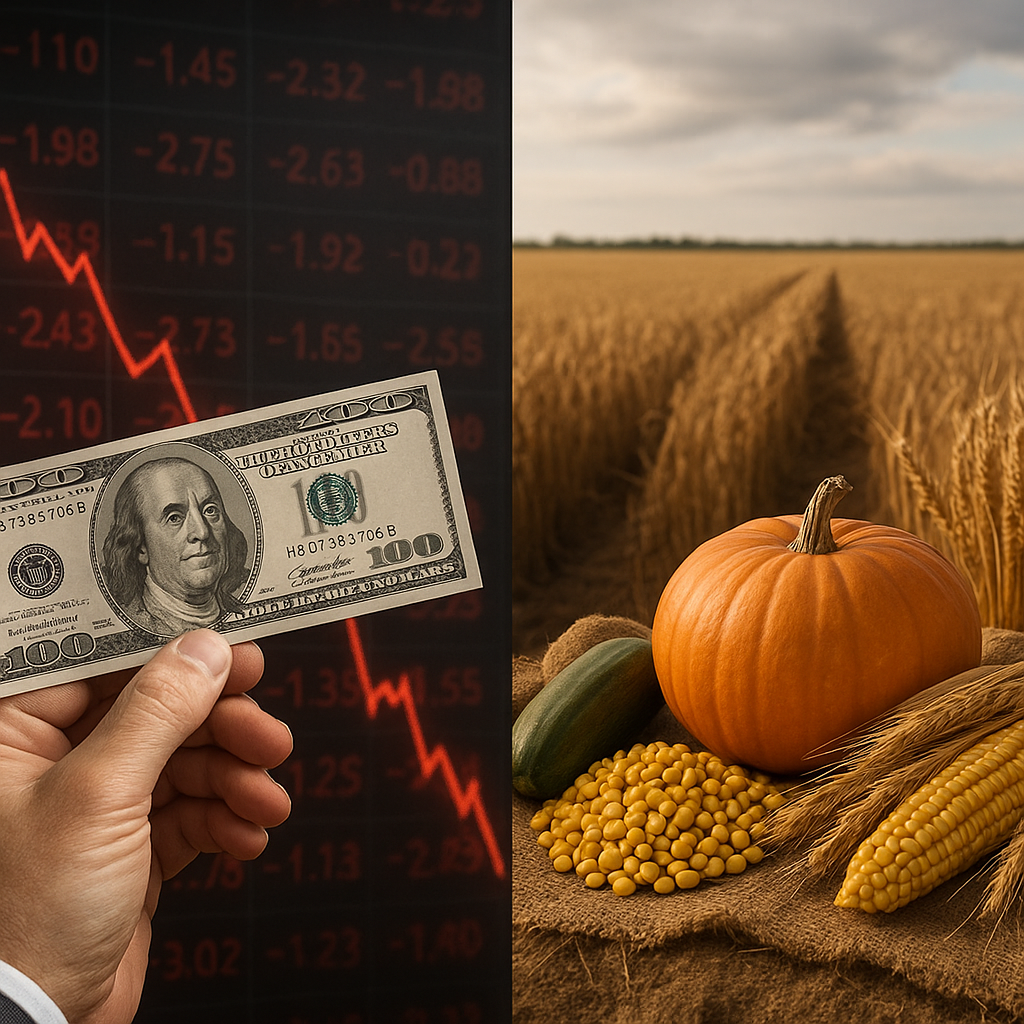
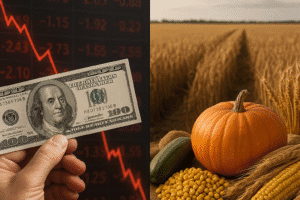
- Price Volatility: Fluctuations in international commodity prices have highlighted the vulnerability of farmers who rely solely on regional brokers or cooperatives. Sudden dips can erode profit margins within days, prompting many to seek more stable outlets.
- Consolidation of Buyers: The rise of large grain purchasers—ranging from food processors to livestock operations—means that fewer players control a larger market share. Farmers who sell through intermediaries risk becoming price-takers rather than price-makers.
- Regulatory Changes: New trade agreements and shifting tariffs have opened certain export markets while restricting others. Direct sales allow producers to navigate these changes with greater flexibility, contracting with specific importers or domestic mills as regulations evolve.
- Consumer Trends: Increasing demand for traceability and food safety means buyers are looking for clear, verifiable supply chains. Direct relationships enable farmers to share detailed information about planting practices, crop health, and post-harvest handling.
These dynamics create both risks and opportunities. While traditional channels offer convenience and lower marketing overhead, they can limit a grower’s ability to capitalize on high-demand niches or negotiate premium prices. The drive toward greater autonomy has inspired many to explore direct marketing strategies.
Assessing the Advantages of Direct Grain Sales
Engaging directly with bulk purchasers or end users—such as bakeries, breweries, or feedlots—provides several notable advantages:
Improved Profit Margins
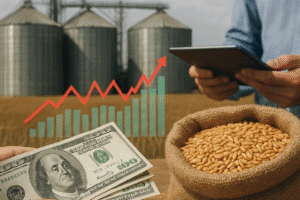
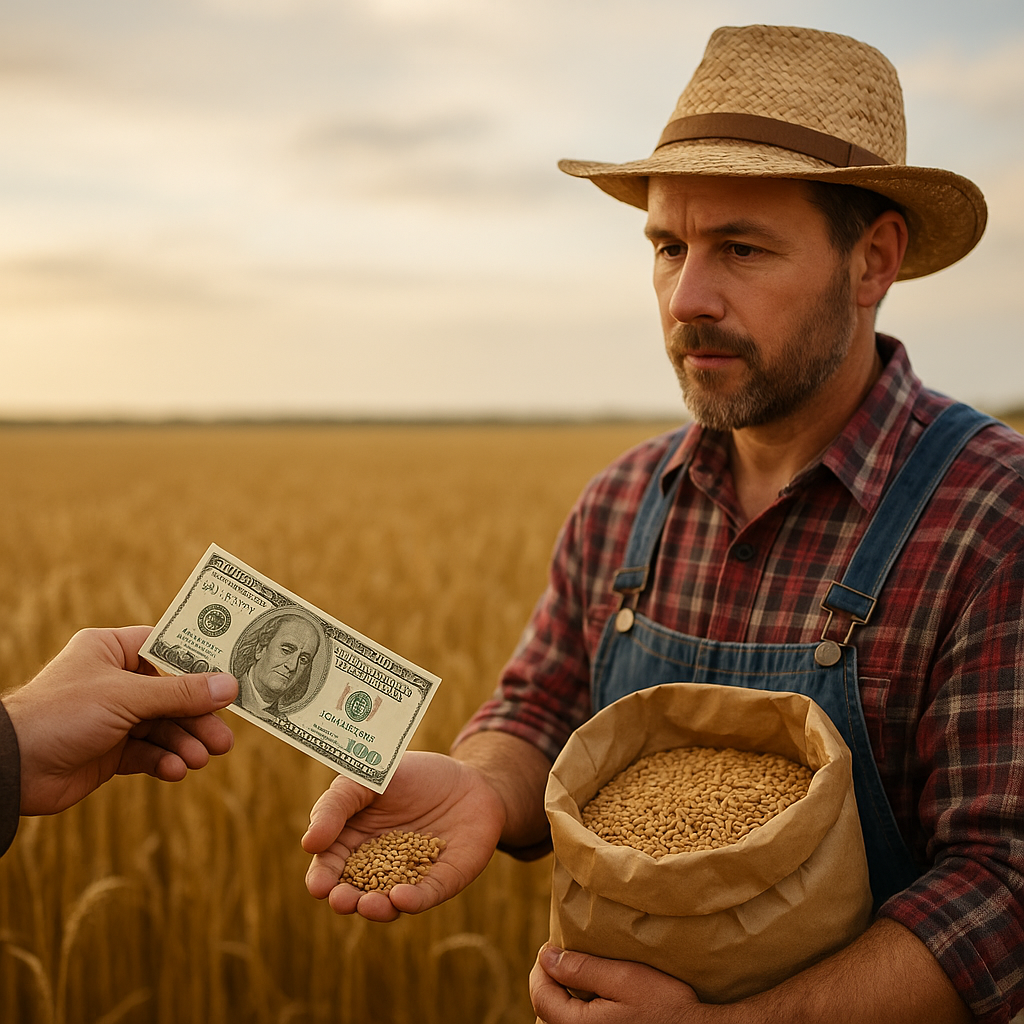
By eliminating intermediary fees and markups, farmers retain a larger portion of the sale price. This financial boost can translate into more capital for re-investment in equipment, seed innovations, or sustainability measures. In some regions, direct contracts have delivered up to 15% higher returns compared to traditional elevator pricing.
Enhanced Transparency and Trust
Building direct relationships fosters greater accountability on both sides. Buyers gain insight into on-farm practices—fertilization, irrigation, pest management—while producers receive direct feedback on quality standards. This open communication can lead to long-term partnerships and repeat business.
Customized Quality Specifications
Unlike bulk pooling arrangements, direct sales allow growers to negotiate specific grade requirements, moisture levels, or even custom blends. Such tailored agreements can command premiums in specialty markets—organic, non-GMO, artisanal—and reduce the risk of discounts for off-spec deliveries.
Market Diversification
Producers gain access to a wider array of buyers, from local food hubs to international grain importers. This diversification minimizes exposure to downturns in any single sector. For instance, a farmer might sell a portion of the harvest to a distillery while marketing another lot to pet food manufacturers, each with unique quality demands and price points.
Overcoming Challenges in Direct Marketing
Despite the clear upsides, transitioning to a direct sales model presents its own set of hurdles:
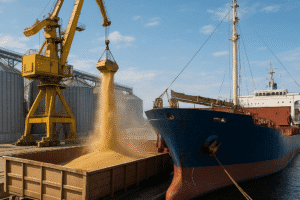
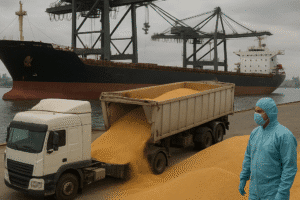
- Logistics Management: Coordinating transportation, storage, and loading schedules demands new expertise. Farmers must negotiate with trucking companies, manage elevator access, and ensure compliance with regulatory inspections for export-bound shipments.
- Contract Negotiation: Drafting legally sound agreements that cover price adjustments, delivery windows, and quality disputes often requires professional support from agronomists or legal advisors. Smaller operations may find these costs burdensome.
- Upfront Investment: Direct sales often necessitate investments in grain handling infrastructure—dryers, bins, conveyors—or technology platforms that facilitate online bidding and transaction tracking.
- Market Intelligence: Staying informed about real-time price movements and global supply forecasts is critical. Producers need access to reliable data sources and must develop analytical skills to make timely decisions on when to sell or hold inventory.
Addressing these challenges often involves collaboration. Farmer cooperatives are evolving into service providers, offering shared marketing platforms, bulk logistics contracts, and group purchasing of insurance or legal services. By pooling resources, small and mid-sized farms can achieve economies of scale more comparable to larger enterprises.
Technological Innovations Shaping Direct Grain Trade
Advancements in digital tools are revolutionizing how producers and buyers connect:
Online Marketplaces and Apps
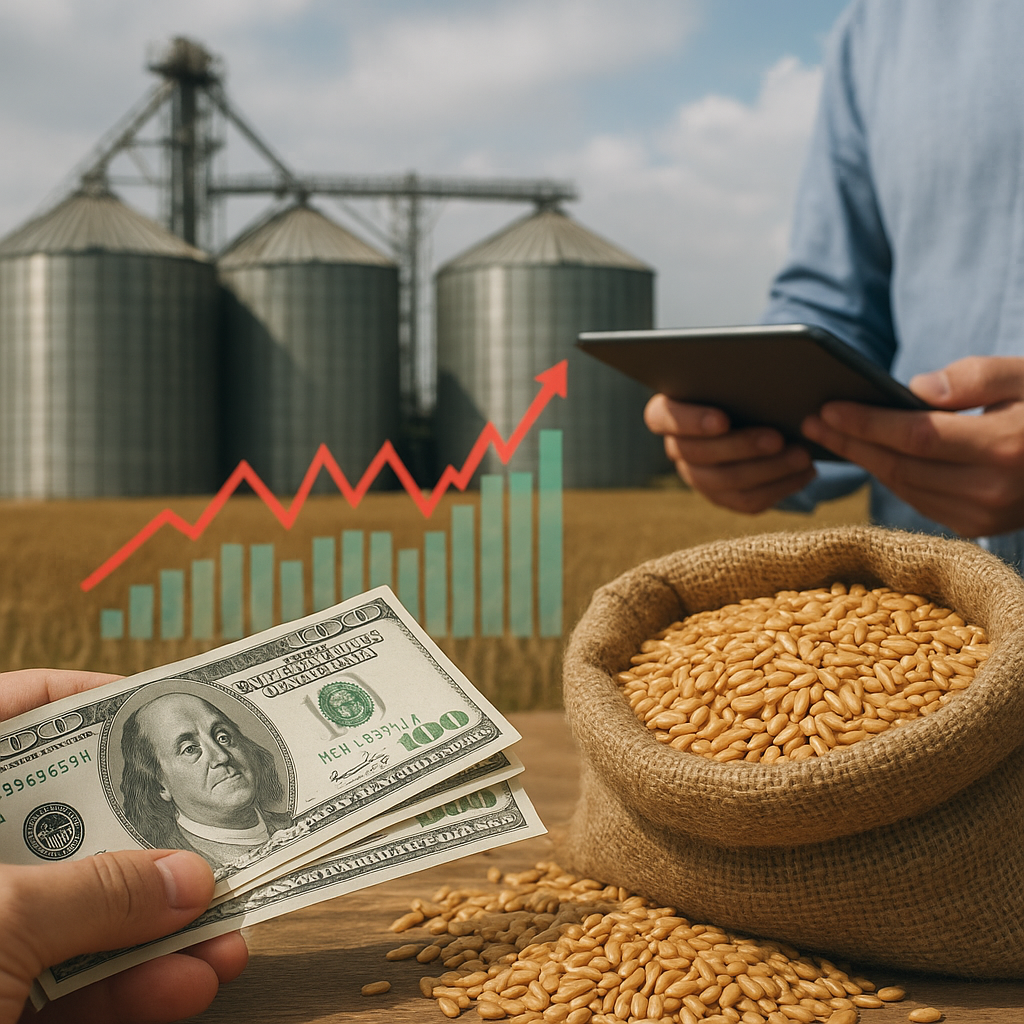
Platforms dedicated to agricultural commodities have emerged, enabling real-time bidding, contract management, and digital payments. These apps integrate with farm management systems so growers can instantly match lots to buyer requirements, track offers, and finalize sales without leaving the office.
Blockchain for Traceability
Distributed ledger technology ensures that every transaction, from seeding to storage, is recorded immutably. Buyers can verify the provenance of each batch, boosting confidence in quality claims. For farmers, blockchain reduces the paperwork burden and minimizes disputes over origin or handling conditions.
Precision Agriculture and Data Analytics
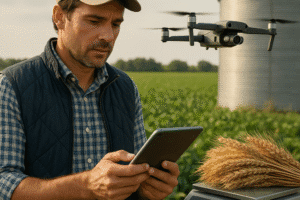
Yield monitors, soil sensors, and drone imagery provide granular insights into crop performance. By leveraging this data, farmers can forecast the quality of their harvest, tailor marketing strategies, and negotiate with buyers armed with robust production records.
Automated Logistics Networks
Emerging solutions use AI-driven route optimization for grain transport, reducing wait times at elevators and minimizing spoilage risks. Automated scheduling links directly to truck fleets, ensuring that loads are dispatched as soon as the crop meets agreed-upon specifications.
Sustainability and Ethical Considerations
Environmental and social factors are becoming pivotal in buyer decisions. Direct grain sales allow farmers to showcase their commitment to eco-friendly practices:
- Carbon Footprint Tracking: Producers can quantify emissions across the supply chain, appealing to buyers with sustainability targets.
- Fair Trade Principles: Direct contracts often incorporate clauses on fair pricing and community development, reinforcing ethical sourcing commitments.
- Resource Stewardship: Demonstrating integrated pest management, soil conservation, and water-efficient techniques differentiates producers in a crowded market.
These attributes resonate strongly with consumers and corporate buyers seeking to meet their own environmental, social, and governance (ESG) goals. By marketing directly, farmers can capture the value of these practices rather than letting intermediaries take credit.
Future Outlook for Farmer-Driven Grain Markets
As technological barriers continue to fall and market intelligence becomes more accessible, direct grain sales are poised for further growth. Key trends to watch include:
- Vertical Integration: Some producers may expand into processing or branding, offering flour, malt, or animal feed under their own labels.
- Collaborative Marketing: Regional alliances of growers will co-own digital platforms, ensuring equitable access and shared governance.
- Dynamic Pricing: Real-time supply-and-demand algorithms could adjust prices continuously, rewarding prompt delivery and quality consistency.
- Global Reach: Improved logistics and trade facilitation may enable small-scale farmers to access distant markets once reserved for large exporters.
In this evolving environment, the ability to adapt, embrace innovation, and cultivate direct ties with buyers will determine which farms thrive. The move toward direct grain sales signifies a broader shift in agriculture—one that prioritizes empowerment, transparency, and mutual value creation across the supply chain.