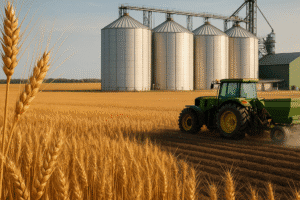


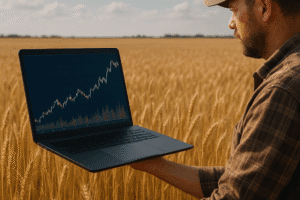
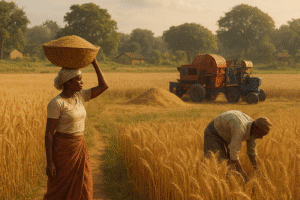

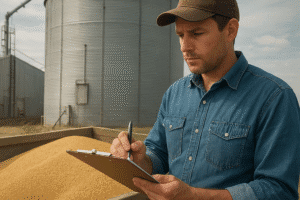
The adoption of precision agriculture in grain production is transforming the way farmers manage their fields, make strategic decisions, and respond to dynamic market forces. By leveraging cutting-edge technology, growers can optimize inputs, reduce waste, and increase overall productivity. This article explores the key aspects that drive the uptake of precision systems, examines their economic and environmental impacts, and discusses future trends that are shaping the grain sector globally.
Understanding Precision Agriculture in Grain Production
At its core, precision agriculture combines a range of tools—global navigation satellite systems (GNSS), remote sensing, yield mapping, and sensor networks—to capture detailed information on field variability. Farmers use this information to apply inputs like fertilizers, pesticides, and water at variable rates tailored to specific field zones. The main objectives are to increase efficiency of resource use, boost crop yields, and improve overall farm profitability.
Key Components
- GNSS-guided machinery for accurate field operations
- Soil sensors and moisture probes that measure in-situ conditions
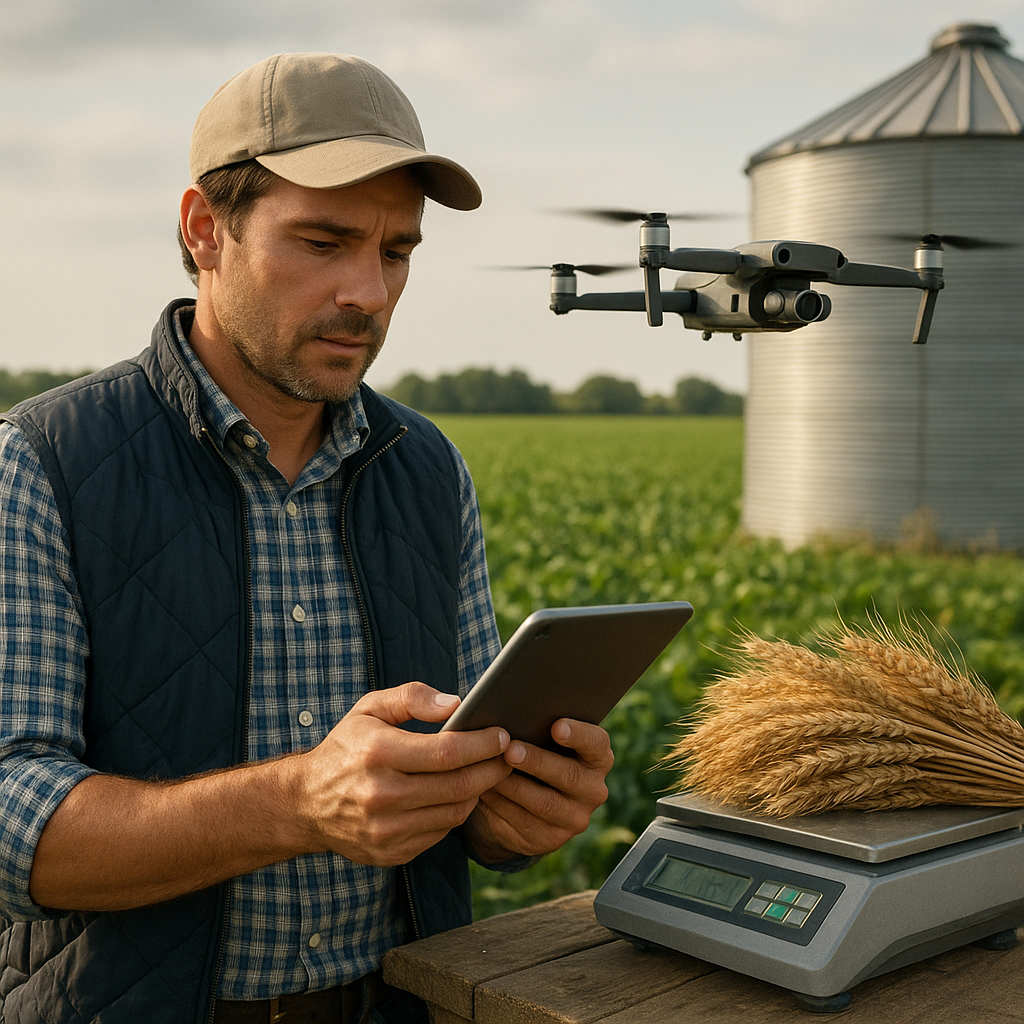
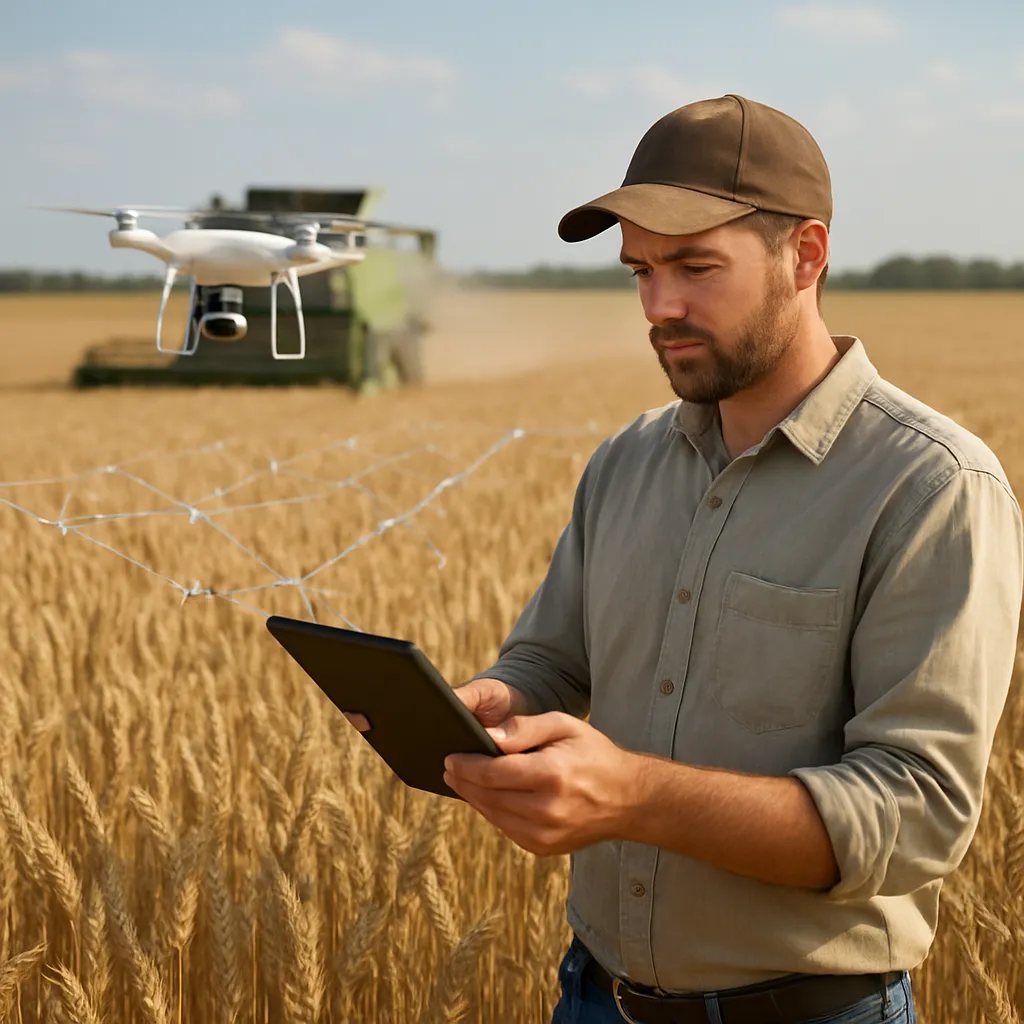
- Unmanned aerial vehicles (UAVs) and satellite imagery for crop health monitoring
- Variable rate technology (VRT) for site-specific input application
- Farm management software platforms to integrate and visualize real-time data
These interconnected elements create a feedback loop: information from sensors informs decisions, actions are executed precisely, and subsequent observations refine the process further. This cyclical approach embodies the principle of continuous improvement and underpins the rapid expansion of precision practices.
Economic and Environmental Impacts
Precision agriculture offers tangible benefits on both financial and ecological fronts. As globally pressing concerns over food security and natural resource depletion mount, this practice emerges as a powerful strategy to reconcile yield goals with conservation objectives.
Boosting Profit Margins
- Input Savings: By targeting fertilizer and agrochemical applications to where they are most needed, farmers can achieve reductions of up to 20% in input costs.
- Yield Gains: Variable rate seeding and optimized planting schedules often lead to yield improvements of 5–15% compared to uniform management.
- Labor Efficiency: Automated guidance systems and remote monitoring reduce labor requirements, freeing farmhands to focus on high-value tasks.
Enhancing Environmental sustainability
- Reduced Runoff: Precision application of nutrients minimizes leaching into waterways, preserving aquatic ecosystems.
- Carbon Footprint: Better fuel management and reduced overlaps in field operations lower greenhouse gas emissions.
- Soil Health: Site-specific tillage and cover cropping informed by detailed soil maps help prevent erosion and maintain organic matter levels.
By improving resource stewardship, precision agriculture not only raises the economic viability of grain farms but also contributes to long-term ecosystem resilience.
Challenges and Adoption Drivers
Despite compelling advantages, the shift toward precision agriculture encounters several obstacles. Understanding both the barriers and the motivations is crucial for accelerating adoption rates across diverse farming landscapes.
Primary Barriers
- High Initial Investment: The cost of sensors, guidance systems, and software can be prohibitive for small and medium-sized enterprises.
- Technical Complexity: Farmers often require specialized training to interpret large volumes of data and integrate systems seamlessly.
- Connectivity Issues: Rural internet infrastructure may not support real-time data transfer, hampering remote monitoring capabilities.
- Fragmented Ecosystems: Compatibility problems among products from different vendors can discourage full-scale deployment.
Motivating Factors
- Government Incentives: Subsidies and grants for adopting conservation-oriented technologies accelerate uptake.
- Market Pressures: Increasing demand for sustainably produced grains pushes processors and buyers to prioritize suppliers employing precision methods.
- Peer-to-Peer Learning: Demonstration farms, industry networks, and agronomic consultants play a vital role in sharing best practices.
- Long-Term Strategy: Forward-looking operations view precision agriculture as a key element of climate adaptation and risk management.
Collectively, these drivers and obstacles shape the pace at which farmers embrace new practices. The interplay between economic incentives and knowledge transfer is especially influential in regions undergoing rapid agricultural modernization.
Case Studies and Market Trends
Several real-world examples underline the transformative potential of precision systems in global grain markets.
North American Wheat Belt
- Integration of yield monitors and VRT drills has delivered per-acre profitability gains exceeding 10% across thousands of hectares.
- Collaborative platforms between crop advisors and technology providers ensure tailored recommendations that reflect local soil heterogeneity.
European Barley Sector
- Digital marketplaces for sharing drone imagery have democratized access to aerial scouting tools among smallholder farms.
- Alignment with environmental compliance schemes allows growers to receive premium prices for sustainably produced barley.
Emerging Grain-Producing Regions
- In parts of South America and Sub-Saharan Africa, mobile-based apps enable farmers to leverage precision algorithms without investing in heavy machinery.
- Public–private partnerships fund the rollout of low-cost sensor kits and training programs, fostering rapid skill development.
These examples demonstrate that regardless of farm size or geographic location, precision agriculture can be tailored to deliver measurable improvements in both efficiency and environmental performance.
Future Prospects in Grain Production
The trajectory of precision agriculture is shaped by continuous technological innovation, evolving market demands, and shifting policy landscapes. Several emerging trends are poised to drive the next wave of adoption:
- Artificial Intelligence and Machine Learning: Advanced algorithms will enable predictive analytics for pest outbreaks, weather events, and yield forecasts with unprecedented accuracy.
- Internet of Things (IoT) Integration: A fully connected network of field sensors, machinery, and supply chain systems will streamline decision-making from planting to storage.
- Blockchain Traceability: Enhanced data security and transparency will boost consumer confidence in sustainably sourced grains.
- Robotics and Autonomous Equipment: Automated weeding, planting, and harvesting platforms will reduce labor bottlenecks and increase operational efficiency.
- Climate-Smart Practices: Digital tools will support adaptive management strategies to mitigate weather-related risks and foster long-term resilience.
As these developments unfold, farmers who invest in the right mix of precision solutions will be better positioned to navigate volatile grain markets and strengthen their competitive edge. The future of grain production is undeniably digital, and the transition toward smarter, data-driven operations continues to accelerate worldwide.