




The global grain trade is undergoing a period of rapid transformation, driven by changing consumption patterns, evolving regulatory frameworks, and emergent technologies. Grain producers and exporters must navigate an increasingly complex landscape where political tensions, climatic disruptions, and market fluctuations converge. In this environment, diversification has emerged as a critical strategy to safeguard revenues and foster long-term growth. By broadening product offerings, target destinations, and value chains, grain companies can bolster their resilience against external shocks and unlock new opportunities.
Market Volatility and Risk Management
Grain prices are notoriously sensitive to a wide range of factors. From sudden shifts in weather patterns—such as droughts or floods—to geopolitical upheavals that affect trade agreements, the stakes for exporters are high. Under these conditions, concentrating solely on a single grain variety or relying on one primary market can expose stakeholders to unacceptable levels of risk.
- Price Fluctuations: Wheat, corn, and barley markets can swing dramatically within weeks based on crop reports and policy decisions. Diversifying across multiple cereals helps balance losses in one segment with gains in another.
- Currency Exposure: Exporters transacting in various currencies face exchange-rate risk. By dispatching grains to diverse regions—each with its own currency profile—traders can mitigate the impact of a sudden devaluation.
- Regulatory Shifts: New tariffs or phytosanitary requirements can emerge with little notice. A diversified export portfolio, incorporating both established and emerging markets, cushions the blow of abrupt regulatory changes.
By implementing a robust risk management framework that includes hedging strategies, futures contracts, and a multi-market presence, grain firms can achieve a more stable revenue stream. This approach not only protects margins but also enhances the company’s reputation among financiers and insurance providers.
Expanding Geographic Reach
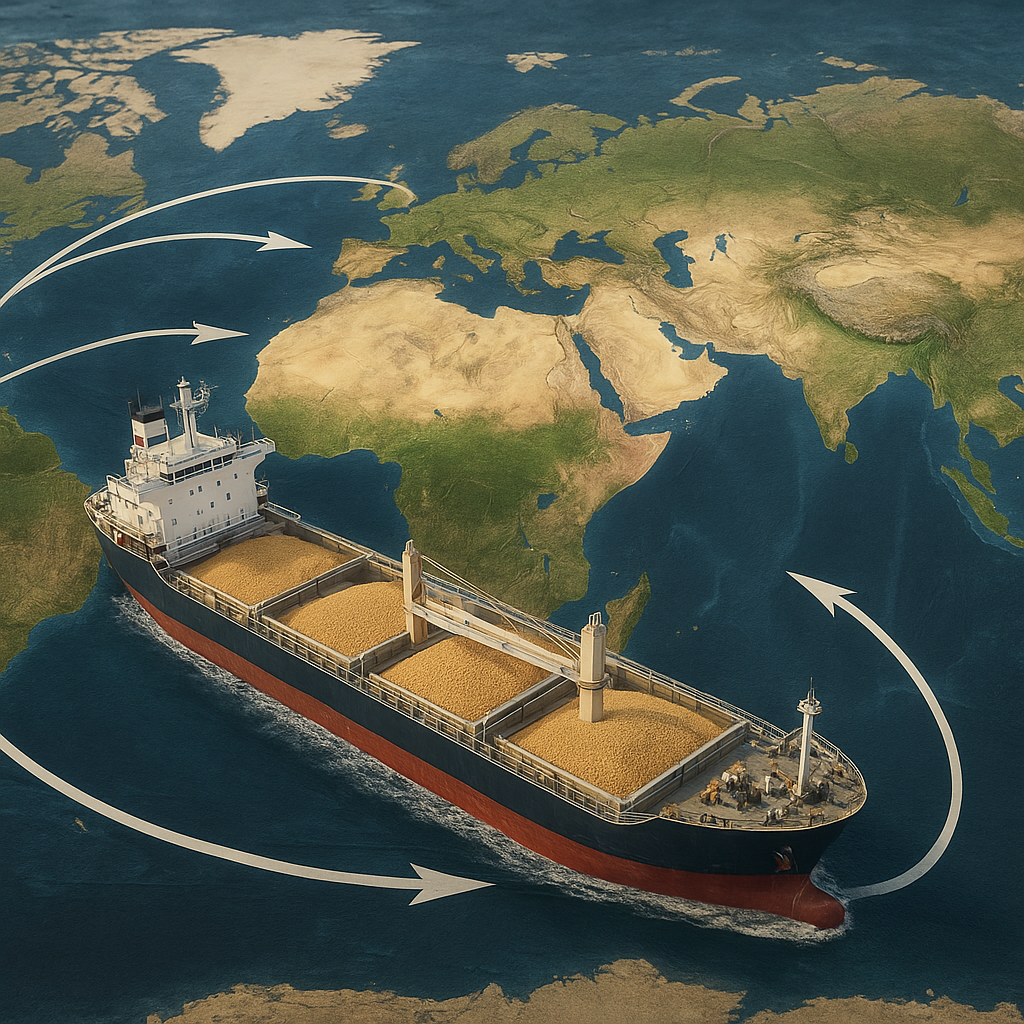
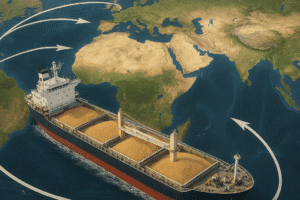
Securing demand from a narrow group of customers can backfire if regional crises disrupt supply chains. Growing interest in grains within Africa, Southeast Asia, and the Middle East makes it imperative for exporters to scan global hotspots and establish new distribution channels. Geographic diversification reduces dependency on a handful of buyers while fostering stronger relationships with emerging economies.
- Market Research: Thorough analysis of consumption trends—such as rising rice imports in West Africa or barley demand for malting in East Asia—provides insight into underserved niches.
- Local Partnerships: Collaborating with regional traders, logistics providers, and processing mills accelerates market entry and ensures compliance with local standards.
- Trade Agreements: Leveraging free-trade zones and regional blocs can lower tariffs and facilitate smoother customs procedures.
In practice, exporters might allocate portions of their annual volume to new markets, rotating their focus based on seasonal demand. This strategy preserves flexibility and allows for course corrections if a particular region becomes less attractive.
Value-Added Products and Supply Chains
While bulk shipments of raw grain remain the cornerstone of many businesses, turning to value-added products can unlock higher margins and reduce vulnerability to commoditization. By integrating processing steps—such as milling, baking, or oil extraction—exporters capture more of the supply chain’s profit pool, create differentiated offerings, and deepen customer loyalty.
- Branded Flours and Blends: Developing flour mixes tailored for bakeries or specialized dietary requirements transforms a simple commodity into a premium good.
- Organic and Non-GMO Lines: Certifications and traceability systems that verify organic or non-GMO status appeal to health-conscious consumers and niche markets.
- Functional Ingredients: Extracting proteins, fiber, or antioxidants from grain byproducts creates new revenue streams for food, feed, and nutraceutical industries.
Moreover, forging alliances with logistics operators and packaging firms streamlines export processes. Containers preloaded with branded goods and accompanied by comprehensive paperwork accelerate port clearance and improve end-customer satisfaction. This form of strategic planning transforms traditional exporters into agile suppliers of complete solutions.
Technological Innovation and Sustainability
Rapid advancements in agricultural and digital technologies offer exporters a dual benefit: boosting operational efficiency and satisfying growing demands for environmentally responsible practices. Embracing these innovations supports both diversification and a more sustainable business model.
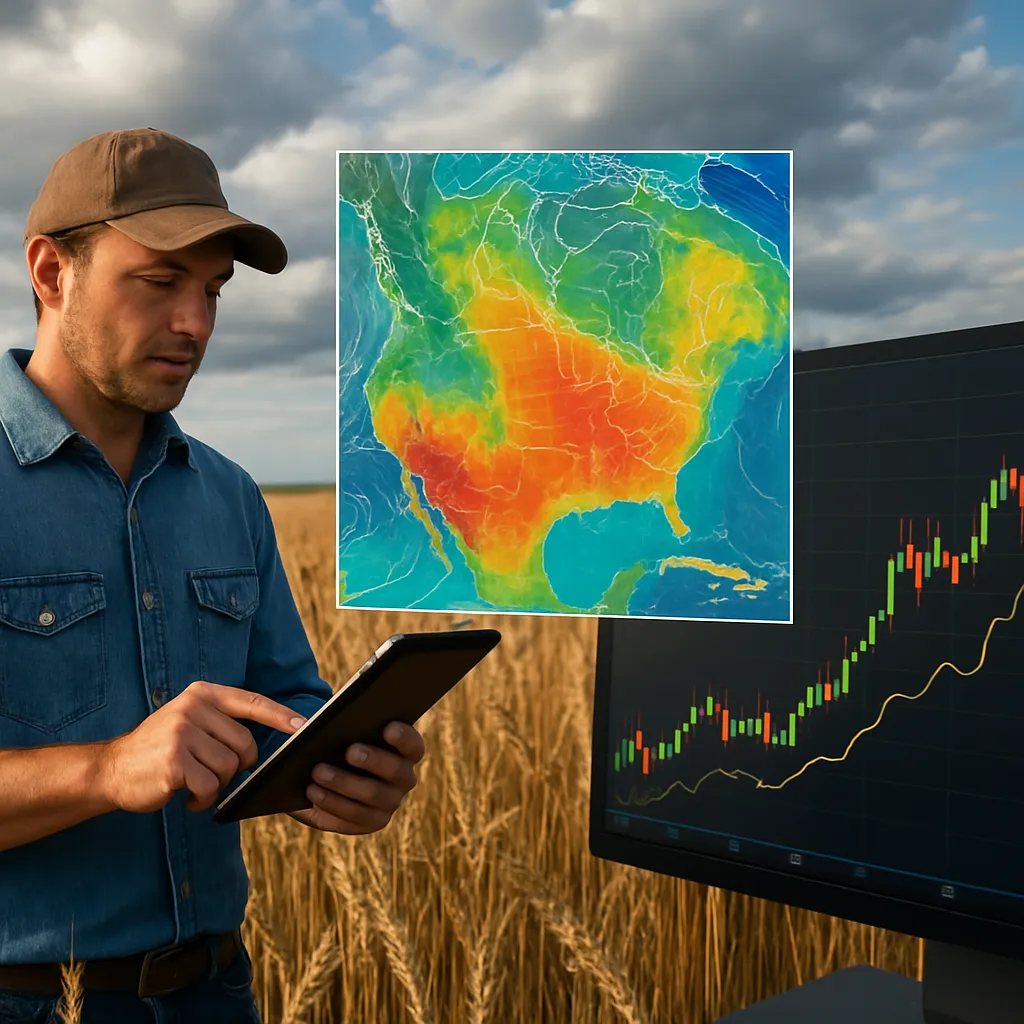
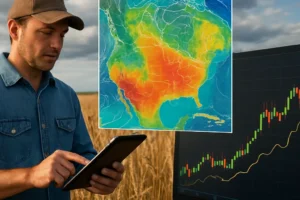
- Precision Agriculture: Satellite imagery, IoT sensors, and predictive analytics optimize input use, resulting in consistent yields across varied climates and reducing total production risk.
- Blockchain Traceability: Immutable ledgers provide end-to-end transparency, verifying grain origin and quality to buyers who mandate ethical sourcing.
- Renewable Energy Integration: Solar-drying systems and bioenergy cogeneration in storage facilities cut costs and minimize carbon footprints.
Investments in research and development with universities or private tech firms can further expand a company’s innovation portfolio. From drought-resistant seed varieties to AI-powered demand forecasting, such partnerships cement a reputation as a forward-looking leader in the grain sector.
Conclusion of Strategic Imperatives
Through careful application of geographic, product, and technological diversification, grain exporters can navigate the complex interplay of market forces. This multifaceted approach transforms volatility into opportunity, turning threats into competitive advantages. As global food systems evolve, only those firms that embrace agility and innovation will secure sustained growth on the world stage.