



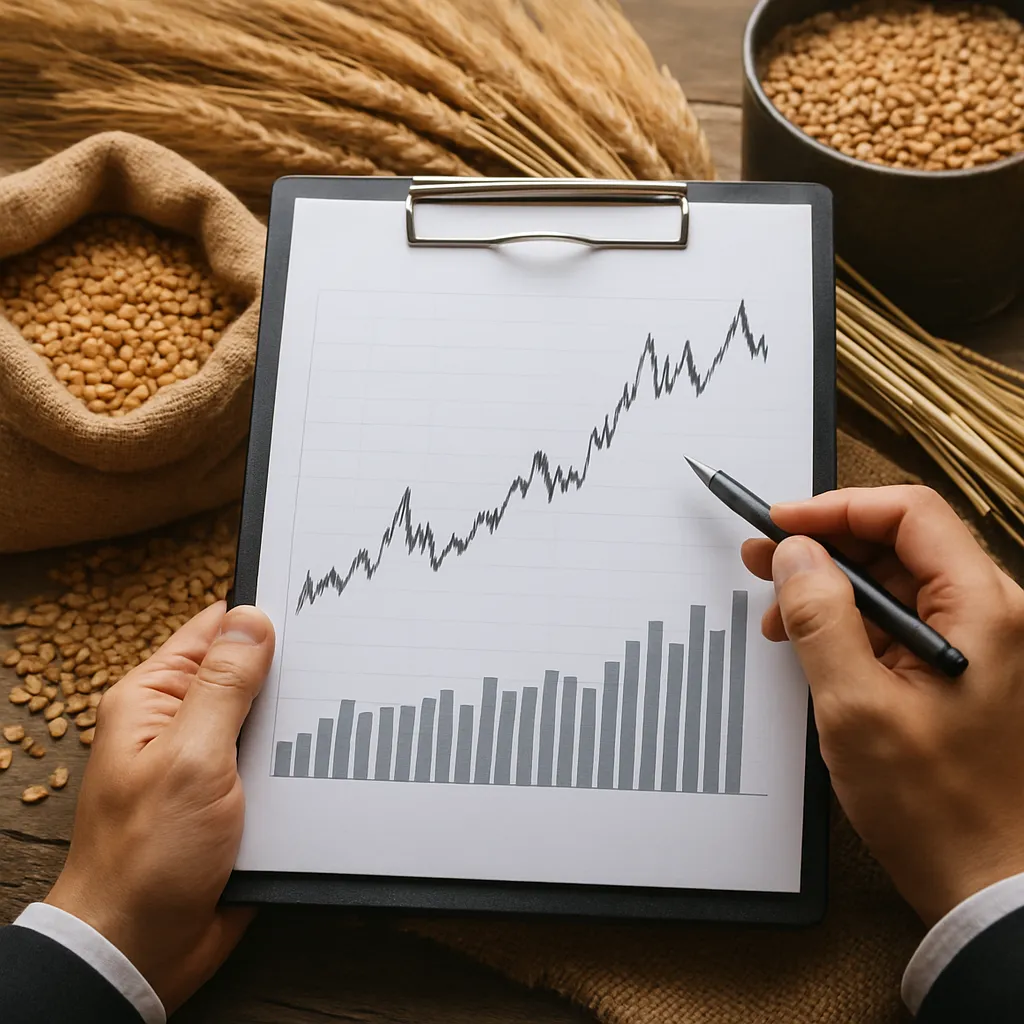
Grain markets have experienced episodes of abrupt and significant price surges that ripple through economies, affecting consumers, producers, and policymakers globally. Understanding these price spikes requires examining a complex interplay of factors, from shifting demand patterns to supply disruptions, and from financial speculation to logistical bottlenecks. This article explores the primary drivers behind volatility in global grain markets and examines strategies for enhancing market stability and food security.
Global Demand and Supply Dynamics
Population Growth and Dietary Changes
As the world population surpasses eight billion, demand for staple grains such as wheat, maize, and rice continues to rise. Rapid urbanization and increasing incomes in emerging economies drive a shift toward higher-value food products, placing additional pressure on grain markets. In many regions, diets now include more processed foods and livestock products, which indirectly increases grain consumption as feed. This evolving consumption landscape serves as a foundational factor amplifying price movements when supply is constrained.
Weather Events and Crop Yields
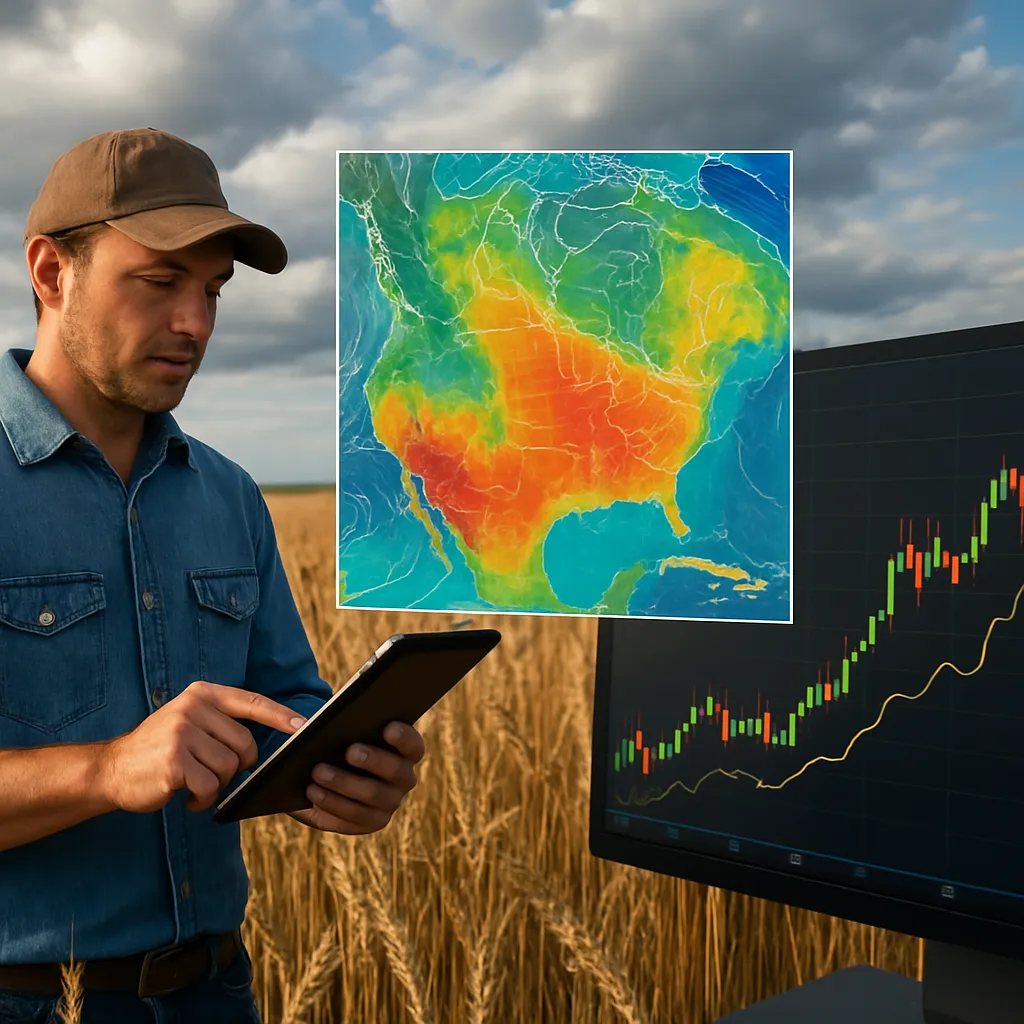
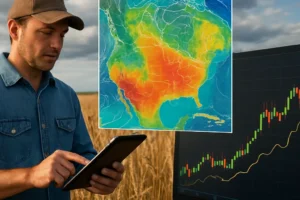
Extreme weather events, including droughts, floods, and heatwaves, have grown more frequent and severe. Because agriculture is inherently sensitive to climatic conditions, a poor harvest in a leading producing region can cause global prices to spike. For example:
- The 2012 drought in the United States reduced maize yields by over 25%, triggering global export shortages.
- Severe frost events in Argentina have curtailed wheat production, creating import demand in North America, Europe, and Asia simultaneously.
- Monsoon variability in South Asia can swing rice output dramatically, affecting local and regional price levels.
These environmental shocks underscore the vulnerability of supply chains to climate-related disruptions and highlight the need for resilient agricultural systems.
Geopolitical Tensions and Trade Policies
Trade restrictions, export bans, and political conflicts can severely distort market flows. When key exporters impose quotas or tariffs, global supply tightens, inflating prices. During major crises:
- Export curbs by a leading wheat exporter can reduce available supplies for import-dependent nations overnight.
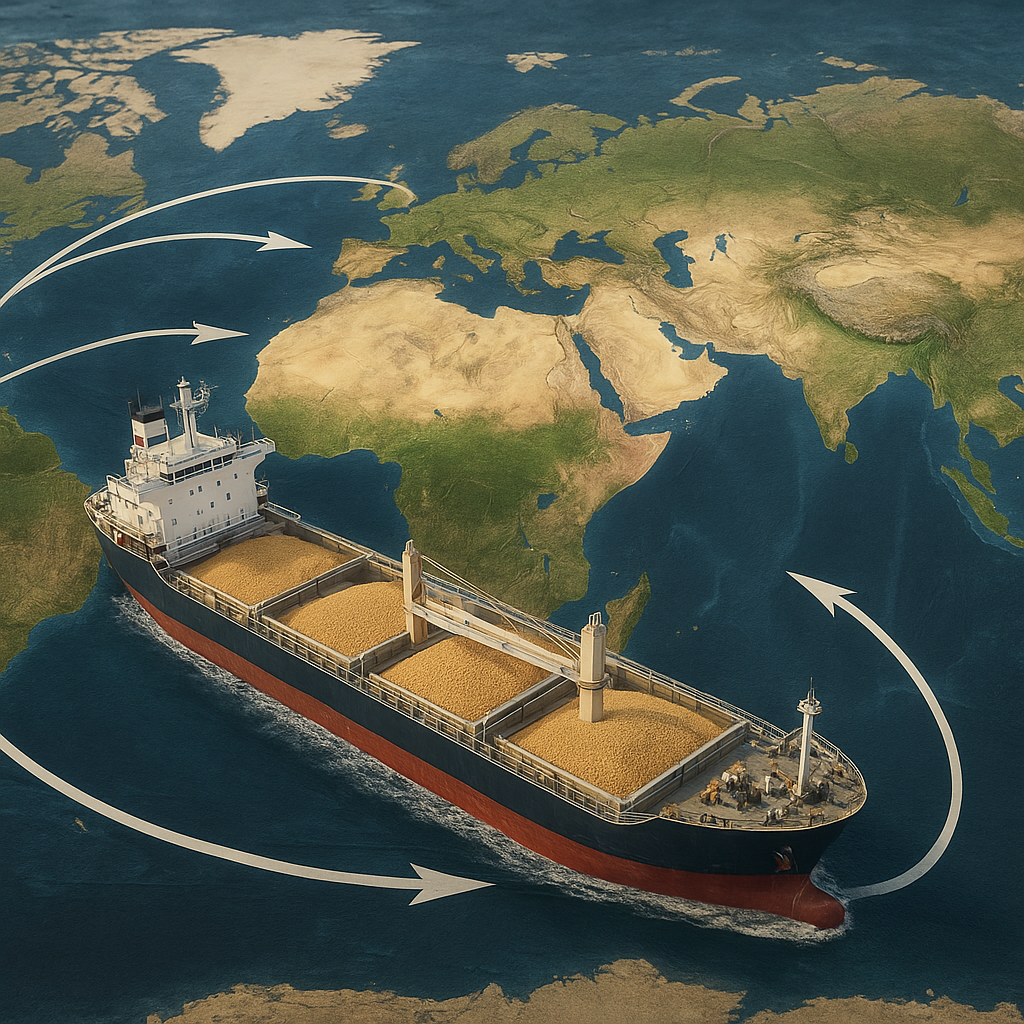
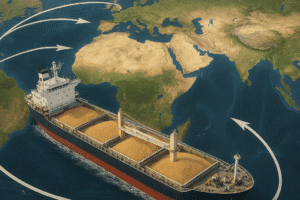
- Sanctions on grain-trading hubs create alternative shipping routes, elevating transportation costs and delivery times.
Such policy interventions, while often aimed at protecting domestic consumers, may contribute to international price instability and undermine food security in vulnerable regions.
Speculation and Financialization
Role of Commodity Futures Markets
Futures and options markets allow participants to hedge against price risks, but they also attract speculators seeking profit from price swings. Increased speculative activity can amplify price fluctuations, particularly during periods of market stress. Studies suggest that high concentrations of non-commercial traders can lead to herd-like behavior, causing prices to overshoot fundamental values.
Algorithmic Trading and High-Frequency Trading
Advancements in technology have enabled automated trading systems to execute orders within microseconds. While these systems improve market liquidity under normal conditions, they can exacerbate volatility when rapid price moves trigger algorithmic sell-offs or buy-ins. The 2011 “flash crash” in commodity markets demonstrated how swiftly automated algorithms can magnify short-term price swings.
Impact on Price Volatility
The financialization of agricultural commodities has linked grain prices more closely to global financial markets. When equity markets face turmoil, margin calls in commodity accounts can force traders to liquidate positions, further driving down or up grain prices. This cross-asset interaction illustrates the complex relationship between real supply-demand fundamentals and speculative financial flows.
Logistics, Storage, and Distribution Challenges
Infrastructure Bottlenecks
Even if production levels remain stable, inadequate infrastructure can create hidden supply shortages. Overloaded port facilities, insufficient rail capacity, and limited warehouse space impede efficient grain movement. These constraints can cause local price spikes that eventually feed into global markets when stocks fail to reach key export terminals.
Transportation Costs and Fuel Prices
Transportation expenses account for a significant portion of grain delivery prices. Fluctuations in fuel prices directly impact shipping and trucking costs. Rising fuel expenses during geopolitical crises or supply disruptions can increase end-user prices even if crop outputs are unaffected.
Post-Harvest Losses and Storage
In many developing countries, inadequate post-harvest handling and storage facilities lead to substantial grain losses. Up to 30% of harvested grain can spoil before reaching markets due to pests, moisture, or contamination. These losses shrink effective supply and contribute to seasonal price surges, particularly in regions lacking modern silos or cold storage.
Policy Responses and Risk Management
Strategic Grain Reserves
Governments often maintain public stockpiles to cushion citizens against sharp price increases and supply shocks. When properly managed, strategic reserves can be released to stabilize domestic prices and reassure markets. However, mismanagement or underfunding of these reserves reduces their effectiveness and may encourage speculative hoarding.
Subsidies and Export Restrictions
Policy measures such as export taxes and mandatory floor prices aim to insulate local producers or consumers from volatile markets. While these tools can offer short-term relief, they risk distorting global supply chains and discouraging private investment in agriculture. Balancing domestic support with global market integration remains a critical challenge for policymakers.
Promoting Resilience and Sustainability
Long-term solutions focus on building more resilient food systems. Approaches include:
- Investing in climate-smart agriculture to improve crop tolerance to extreme weather.
- Diversifying supply sources to reduce reliance on a few major exporters.
- Encouraging technological adoption, such as precision farming and digital platforms, to optimize resource use and market transparency.
By enhancing transparency and strengthening supply chains, stakeholders can lower the risk of future price shocks and contribute to global sustainability.
Future Outlook and Adaptation
Global grain markets will likely face continuing volatility as population growth, climate change, and evolving trade dynamics intersect. Stakeholders must develop comprehensive risk management frameworks, combining early warning systems, diversified supply networks, and effective financial instruments. Collaboration among governments, private sector actors, and multilateral organizations can foster a more stable and secure global food environment.
Understanding the root causes of grain price spikes empowers policymakers and market participants to take informed actions. By addressing supply constraints, reducing speculative excesses, and improving logistical infrastructure, the world can mitigate the adverse impacts of future market upheavals.