


Grain markets exhibit distinct seasonal rhythms shaped by planting and harvesting cycles, climatic variations, and shifts in global consumption patterns. Understanding these dynamics is essential for farmers, traders, and analysts who navigate the complexities of price fluctuations and supply chain management. This article explores the key drivers behind grain market seasonality and offers insights into strategies that stakeholders can employ to capitalize on predictable trends.
Seasonal Patterns in Grain Production
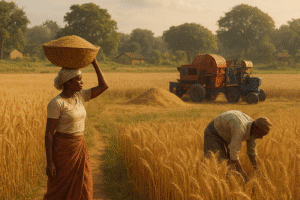
Throughout the agricultural calendar, grain production follows a well-defined cycle. The process begins with planting in spring, when soil temperatures and moisture levels are optimal. As crops develop over the summer, farmers monitor growth stages to assess yield potential. Finally, autumn brings the crucial phase of harvest, when grain quality and quantity become clear. Each stage imposes constraints:
- Planting: Soil preparation, seed selection, and weather windows determine the pace of sowing.
- Crop Development: Rainfall variability and pest pressure influence crop health and expected yields.
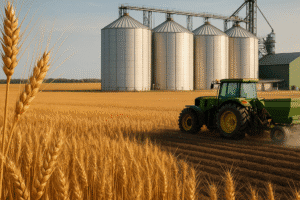
- Harvest: Machinery availability and logistical capacity affect the speed at which grain reaches storage facilities.
These cyclical events create recurring periods of abundant supply and tight availability. For instance, just after harvest, markets often experience a surplus, leading to downward pressure on prices. Conversely, the months before the next harvest can see supplies dwindle, triggering price surges driven by concerns over availability.
Impact of Weather and Climate on Grain Prices
Weather is the single most potent factor influencing annual supply. Droughts, floods, and unexpected frosts can alter production forecasts dramatically. In regions like the U.S. Midwest, La Niña or El Niño events introduce volatility by changing rainfall patterns at critical growth stages. European grain belts may face heatwaves that accelerate maturity but reduce overall yield. Such climatic anomalies highlight the importance of resilient production practices, including crop diversification and irrigation strategies.
Price reaction to weather signals often unfolds in three phases:
- Forecast Alerts: Meteorological reports predict potential disruptions, prompting early adjustments in futures markets.
- On-the-Ground Impact: Actual crop damage or delays become evident, validating or challenging market expectations.
- Post-Event Analysis: Revised yield estimates and government intervention measures, such as export controls or subsidies, refine price trajectories.
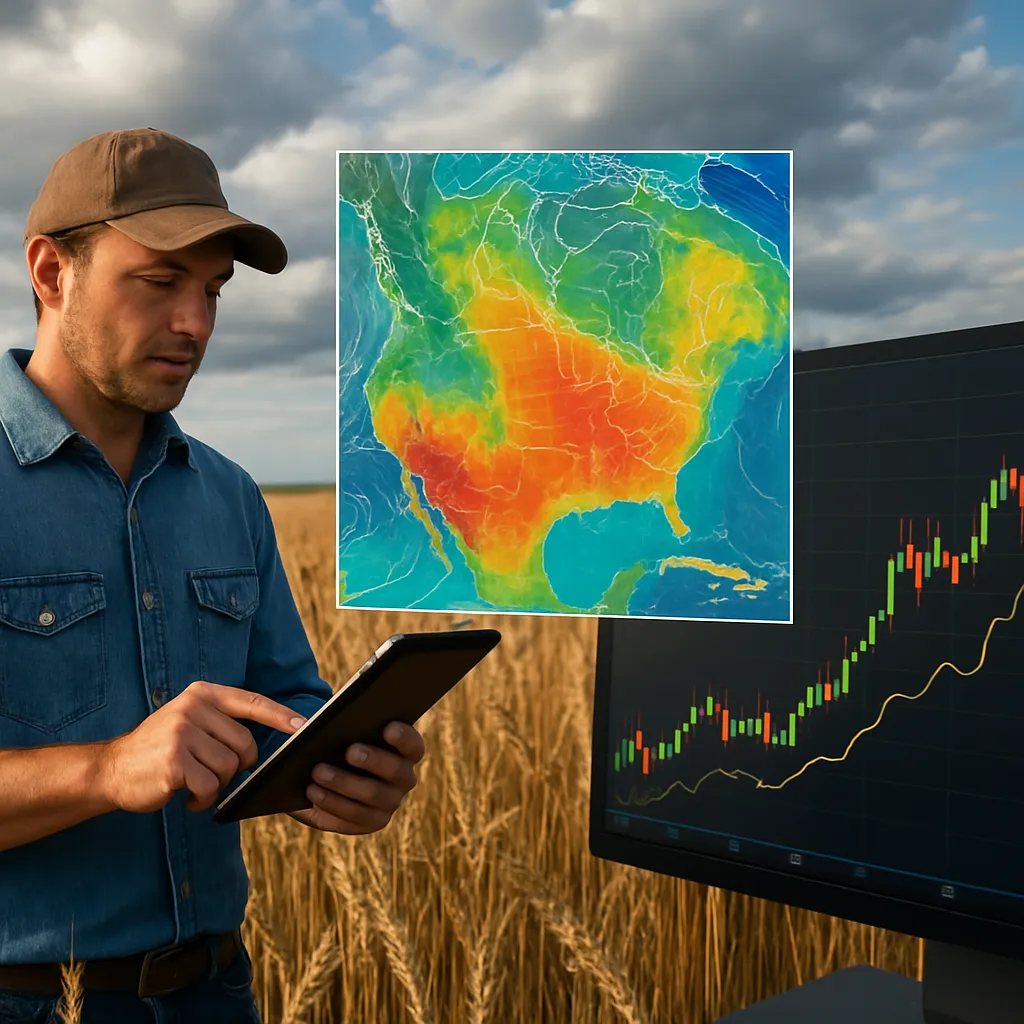
By tracking weather data alongside historical seasonal trends, market participants can better anticipate price swings. Modern analytics platforms integrate satellite imagery, soil moisture indices, and agronomic models to generate high-resolution forecasts. This trend analysis empowers decision-makers to adjust positions before significant moves occur.
Demand Fluctuations and Consumer Behavior
Grain demand exhibits its own seasonality driven by factors such as livestock feeding cycles, biofuel production schedules, and human dietary patterns. For example, energy markets often ramp up corn consumption for ethanol during summer months, creating upward pressure on prices. Meanwhile, demand for wheat-based products may increase ahead of major holidays in various cultures.
Understanding consumption cycles requires examining both industrial and retail segments:
- Livestock Sector: Feed requirements peak during winter, when forage scarcity leads farmers to rely heavily on stored grains.
- Biofuel Industry: Policy mandates and seasonal blending requirements cause predictable spikes in corn usage.
- Food Manufacturers: Baking, brewing, and snack production schedules trigger fluctuating wheat and barley needs.
These demand-side patterns intersect with supply rhythms to produce compound effects. A mild winter might reduce feed demand even as grain stocks remain ample, leading to oversupply and depressed prices. Conversely, a warm winter with unexpected storms could boost feed requirements and strain inventories, driving prices higher.
Strategies for Traders to Navigate Seasonality
Seasonal trends offer lucrative opportunities for market participants who apply disciplined risk management techniques. Traders often rely on a combination of historical data and real-time indicators to optimize entry and exit points. Below are common strategies:
- Calendar Spreads: Exploiting price differentials between near-term and deferred contracts to capture predictable contango or backwardation phases.
- Options Overlays: Using call and put options to define risk exposure while retaining upside potential if seasonal moves exceed expectations.
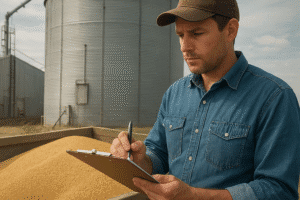
- Storage Plays: Accumulating physical grain during low-price windows and selling into strength, factoring in storage costs and financing rates.
- Diversification: Balancing positions across multiple grain types (corn, wheat, soybeans) to mitigate region-specific climate risks.
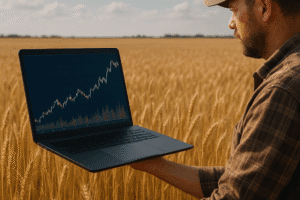
Successful strategies integrate market intelligence tools such as commitment of traders reports, export shipment data, and emerging weather alerts. By triangulating these inputs, traders can sharpen their view of underlying supply-demand balances and adjust positions before major seasonal events unfold.
Technological Advances and Seasonality Management
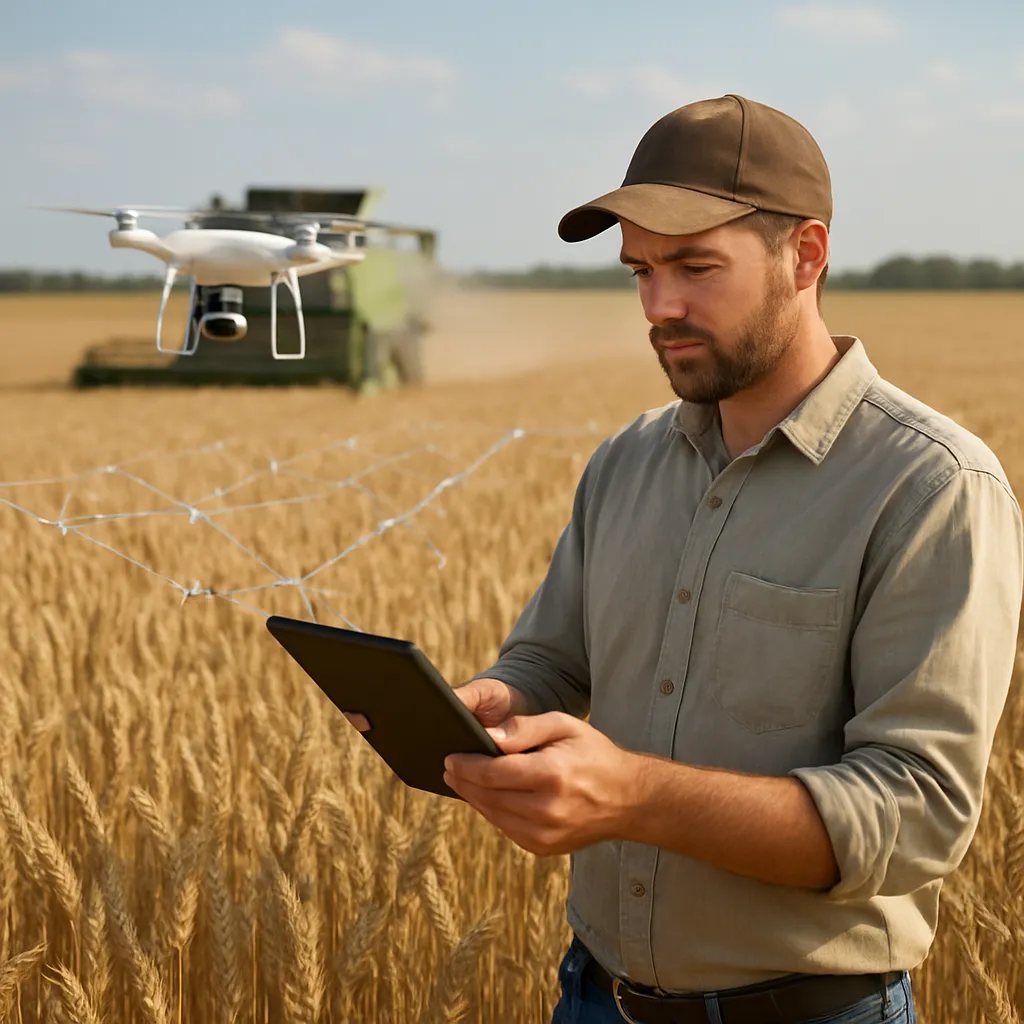
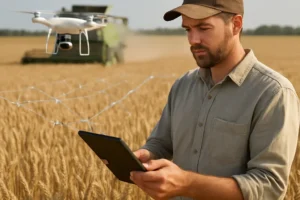
Advances in digital agriculture and financial technology are transforming how stakeholders manage seasonal risks. Precision farming techniques, including GPS-guided equipment and variable-rate fertilization, enhance crop performance and reduce vulnerability to weather fluctuations. On the trading side, algorithmic models analyze massive datasets to uncover subtle seasonal signals that might escape human observation.
Key innovations include:
- Remote Sensing: Satellite and drone imagery provide near-real-time assessments of crop health and soil conditions.
- Machine Learning: Predictive models that learn from past seasons to forecast yield outcomes and price responses.
- Blockchain Traceability: Ensuring transparency in the supply chain, which can reduce risk premiums associated with quality uncertainty.
By harnessing these tools, producers and traders can mitigate the impact of unpredictable weather and market shocks. Ultimately, a deeper understanding of seasonal cycles coupled with cutting-edge technology fosters more resilient grain supply chains and smoother price discovery processes.