





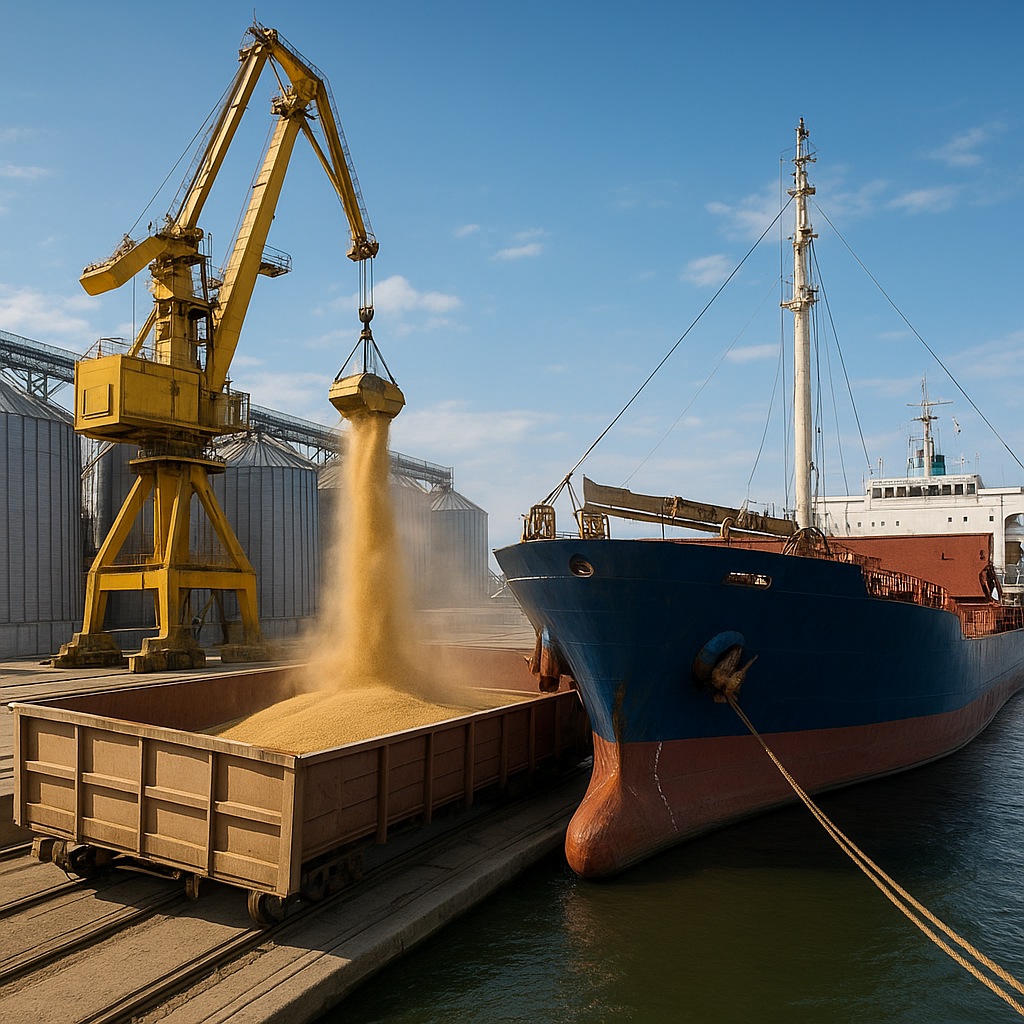
Grain shipping constitutes a vital nexus between agricultural production and global consumption, underpinning the **supply chain** that delivers staple crops from farm to market. Among the financial instruments shaping this landscape, freight futures have emerged as a powerful tool for producers, traders, and logistics providers. By securing shipping rates in advance, market participants can shield themselves from unpredictable cost swings and optimize their commercial strategies. This article explores the mechanisms, drivers, and strategic applications of freight futures within the broader context of the grain and grain market.
The Role of Freight Futures in Grain Trade
Freight futures are standardized **derivatives** contracts traded on exchanges to lock in future shipping costs for bulk cargoes, including grains such as wheat, corn, and soybeans. These contracts facilitate price **transparency** and risk management by allowing users to hedge exposure to volatile freight rates. In grain markets, where margins are often razor-thin, the ability to anticipate and control transport expenditures can mean the difference between profitability and loss.
Unlike the spot market, where freight rates are negotiated on a cargo-by-cargo basis, freight futures rely on indexed benchmarks—most notably the Baltic Dry Index (BDI) for dry bulk commodities. The BDI aggregates time-charter rates for various vessel sizes, reflecting prevailing demand and supply dynamics in the maritime sector. By trading futures tied to the BDI or similar indices, grain exporters and importers can manage their logistics budgets well before securing physical tonnage.
Key stakeholders in the grain shipping ecosystem include:
- Producers: Farmers and cooperatives that rely on stable shipping costs to forecast net revenues.
- Trading houses: Entities that buy and sell grain internationally, often exposed to freight rate swings during peak seasons.
- Shipping operators: Vessel owners and charterers seeking to lock in employment contracts or mitigate idle time risk.
- Financial intermediaries: Banks and brokers facilitating futures transactions and offering tailored hedging solutions.
Key Factors Influencing Freight Futures Rates
Freight futures prices mirror the balance between vessel availability and cargo demand. Several interconnected variables drive this equilibrium:
1. Seasonal Patterns and Harvest Cycles
Grain harvests exhibit pronounced seasonality, with peak shipping windows coinciding with major harvest periods in regions like North America (corn and soybeans) and the Black Sea (wheat). Elevated export volumes during these windows lead to increased competition for vessels, pushing spot rates—and by extension, futures prices—higher. Conversely, off-peak periods can see softer demand and lower freight costs.
2. Geopolitical Tensions and Trade Policies
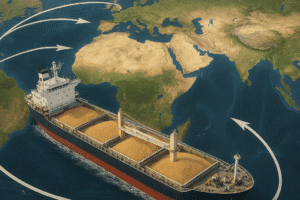
Trade restrictions, tariffs, and sanctions can abruptly reroute grain flows, altering the geopolitical map of supply chains. For example, export quotas or bans in key producing countries reduce vessel utilization on traditional routes, while diverting volumes to alternative corridors. Such shifts introduce **volatility** into freight markets and complicate forward pricing.
3. Fuel Prices and Environmental Regulations
Bunker fuel represents a significant share of shipping costs. Fluctuations in oil markets directly affect voyage expenses, impacting both spot and futures rates. Additionally, stringent environmental rules—such as limits on sulfur emissions and ballast water management—can constrain vessel deployment or necessitate costly retrofits, further tightening capacity.
4. Global Economic Health
Macro-economic conditions dictate commodity demand and shipping activity. Robust industrial growth translates into higher grain consumption for food, feed, and biofuel, thereby increasing export traffic. Recessions or supply shocks, on the other hand, dampen cargo movements and exert downward pressure on freight futures.
Strategies for Managing Freight Futures Risk
Effective risk management blends commercial intuition with quantitative analysis. Key approaches include:
- Hedging through futures contracts: Locking in a predetermined rate to offset potential cost increases in the spot market.
- Basis trading: Capturing spreads between different vessel sizes or regional indices to exploit relative mispricing.
- Option overlays: Purchasing freight options to cap maximum shipping costs while retaining upside flexibility if rates decline.
- Dynamic position adjustment: Continuously monitoring market indicators and adjusting contract maturities to stay aligned with physical shipping schedules.
For instance, a grain exporter anticipating a surge in shipments during the autumn harvest might sell freight futures contracts expiring in October. If spot rates soar due to seasonal congestion, gains on the futures position offset higher physical freight expenses. Conversely, if rates fall, the exporter benefits from cheaper vessel charters, with the minor loss on futures deemed a reasonable insurance premium.
Technological Innovations and the Future of Grain Shipping
Advances in digitalization, data analytics, and vessel design are reshaping freight futures and grain logistics:
- Blockchain-enabled platforms: Enhancing trust and efficiency in contract settlement by providing immutable records of freight trades and cargo ownership.
- AI-driven rate forecasting: Leveraging machine learning models to predict freight trends based on real-time weather data, port congestion metrics, and economic indicators.
- Eco-efficient vessels: The deployment of LNG-powered and wind-assisted bulk carriers reduces fuel consumption and compliance costs, potentially stabilizing long-term freight rates.
- Digital freight marketplaces: Online exchanges connect grain shippers with vessel operators directly, narrowing bid-ask spreads and amplifying price **transparency**.
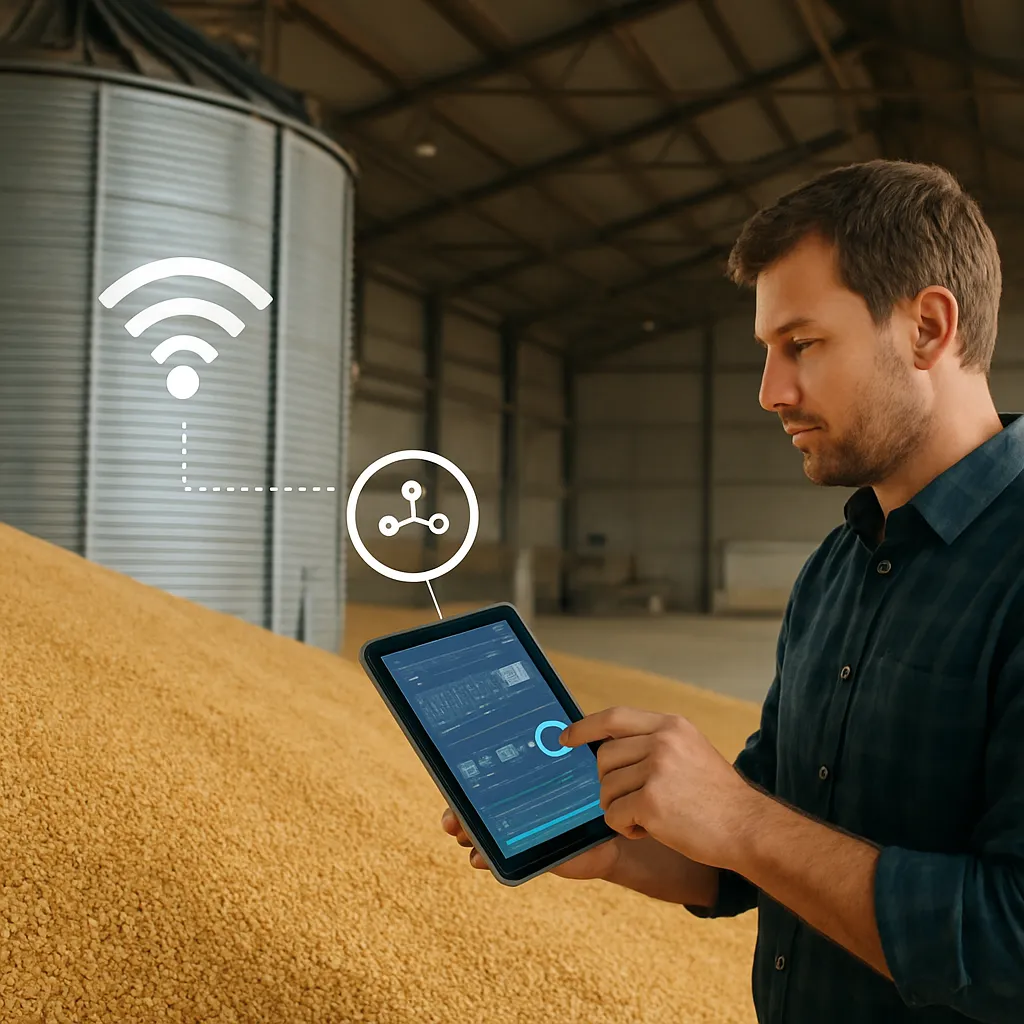
As these innovations mature, the granularity and accuracy of freight futures pricing will improve, offering grain market participants sharper tools for decision-making. The integration of real-time IoT sensors on ships, coupled with advanced analytics, promises a future where freight costs are not only predictable but also dynamically responsive to emerging supply chain disruptions.