



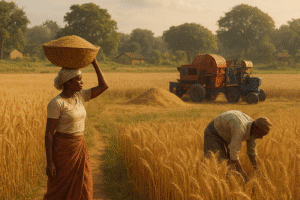


Global grain markets rely on a complex network of producers, traders, transporters, processors, and retailers. Ensuring **transparency** throughout this chain is essential for maintaining **trust**, enhancing **efficiency**, and mitigating **risks**. This article explores how transparent practices shape modern grain supply systems, addresses persistent challenges, and highlights emerging solutions that can bolster global food security.
Importance of Transparency in Grain Markets
Building Trust Among Stakeholders
At the heart of every successful grain transaction is **confidence**. Farmers need assurance that they will receive fair compensation for their harvest. Processors depend on consistent **quality** metrics to meet consumer expectations. Retailers and end‐consumers expect accurate labels regarding origin, variety, and safety levels. When data flows seamlessly from field to fork, every participant gains a clearer understanding of costs, margins, and responsibilities.
Economic Benefits
- Price Discovery: Open reporting of production volumes and quality grades narrows bid‐ask spreads, reducing market **volatility**.
- Cost Optimization: Real‐time logistics data helps identify inefficiencies in storage, handling, and transportation, leading to lower overheads.
- Market Access: Transparent documentation simplifies compliance with import/export regulations, opening new trade lanes.
Social and Environmental Impact
Consumers increasingly demand sustainable farming practices and ethical sourcing. Transparent tracking systems allow buyers to verify that grains were grown under responsible water management, fair labor conditions, and minimal pesticide use. By highlighting sustainable practices, producers can capture premium pricing and strengthen their brand reputation.
Challenges Hindering Transparency
Fragmented Data Sources
Grain supply chains span multiple countries, companies, and regulatory regimes. Data often resides in siloed software systems or paper records, making it difficult to consolidate information for end‐to‐end visibility. Disparate formats and inconsistent reporting standards exacerbate the problem, leading to delays and occasional disputes.
Trust Deficit and Information Asymmetry
Smallholder farmers may lack access to digital tools or robust record‐keeping practices, creating an imbalance when negotiating prices with large grain buyers. This asymmetry can result in unfavorable contract terms or delayed payments, discouraging producers from sharing accurate data.
Regulatory Complexity
- Cross‐Border Compliance: Import/export rules differ by jurisdiction, requiring multiple certifications for phytosanitary standards and traceability.
- Data Privacy: Companies worry about exposing sensitive commercial information that could weaken their competitive position.
- Standardization Gaps: Lack of universally accepted grain classification systems or digital protocols hinders interoperability between platforms.
Technological Innovations Driving Transparency
Blockchain and Distributed Ledgers
Blockchain technology offers an immutable, decentralized ledger that records every transaction, inspection, and transfer of grain. By storing events in cryptographically linked blocks, participants can verify history without relying on a single centralized authority. This fosters greater **accountability** across the chain and reduces the risk of fraud or mislabeling.
Internet of Things (IoT) Integration
Smart sensors installed in grain silos and shipping containers monitor temperature, humidity, and weight in real time. This granular data stream helps prevent spoilage, detect contamination early, and optimize inventory management. When combined with cloud platforms, IoT sensors deliver actionable insights to all stakeholders via user‐friendly dashboards.
Digital Platforms and Smart Contracts
Online marketplaces tailored to agricultural commodities can automate contract execution and payment settlement using smart contracts. When predefined conditions—such as quality grade confirmation or delivery completion—are met, funds release automatically. This reduces administrative overhead and minimizes disputes over contract fulfillment.
Implementation Strategies for Effective Transparency
Collaborative Governance Models
Forming multi‐stakeholder consortia brings together farmers, cooperatives, traders, technology providers, and regulators. By agreeing on shared data standards and governance rules, these groups can co‐create open platforms that balance data ownership with collective benefits. Cooperative frameworks also empower smallholders to pool resources and gain leverage in the digital marketplace.
Training and Capacity Building
- Digital Literacy Workshops: Teaching farmers how to use mobile apps for recording harvest yields, input usage, and sales invoices.
- Data Interpretation Sessions: Helping supply chain managers analyze performance metrics to identify optimization opportunities.
Incentive Structures
Aligning economic rewards with transparent behavior encourages adoption. Examples include volume‐based bonuses for farms that provide verified traceability records or reduced financing rates for companies using certified sustainability data. Such incentives drive widespread participation and continuous data sharing.
Future Outlook and Emerging Trends
Integration of Artificial Intelligence
AI algorithms can analyze historical and real‐time data to forecast supply fluctuations, detect anomalies, and recommend risk mitigation strategies. Predictive analytics enhances **resilience** by enabling stakeholders to proactively adjust planting schedules, procurement plans, or logistics routes in response to anticipated market shifts.
Satellite Imagery and Remote Sensing
Advances in earth observation allow near‐continuous monitoring of crop health, field boundaries, and weather patterns. Coupled with machine learning, these tools provide independent verification of farm‐reported data, reducing reliance on self‐disclosure alone.
Regulatory Harmonization Efforts
- International bodies are working toward unified traceability standards, simplifying cross‐border trade.
- Public–private partnerships aim to streamline certification processes for sustainability and food safety.
As the global demand for grain continues to rise, transparent supply chains become a cornerstone of fair trade, quality assurance, and environmental stewardship. Embracing innovative technologies and collaborative governance models will be essential for creating a **resilient**, efficient, and trustworthy grain marketplace.