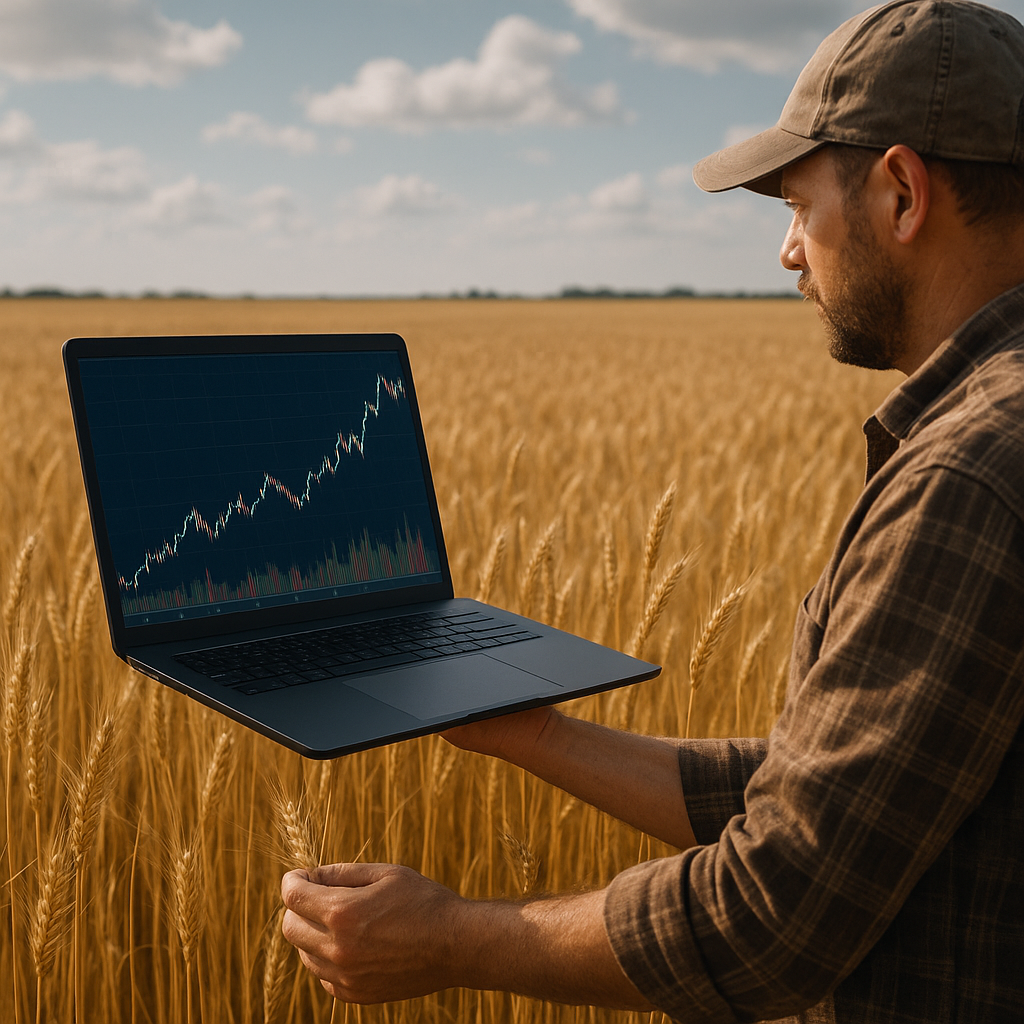

The grain market has undergone a profound transformation as industry participants increasingly harness the power of digital networks to extract actionable insights. From agronomists tweeting about planting conditions to commodity traders sharing price alerts on messaging apps, the influence of social media on grain markets is more pervasive than ever. This article explores how digital conversations shape supply and demand, drive price forecasting efforts, and introduce new challenges in verifying the flood of information.
Digital Communities and Their Impact on Grain Prices
Across platforms such as Twitter, LinkedIn, Facebook Groups, and specialized forums, farmers and traders congregate to exchange observations, share weather reports, and debate market movements. This growing interconnectivity accelerates the dissemination of news that once traveled slowly through traditional channels.
Real-Time Alerts and Market Volatility
Instant notifications about unexpected frost, port congestion, or shifts in government policy can spark rapid trading decisions. Many participants subscribe to feed aggregators or follow key influencers to receive real-time data on harvest progress and logistical disruptions.
- High-frequency commodity traders use social feeds to adjust algorithmic strategies within minutes.
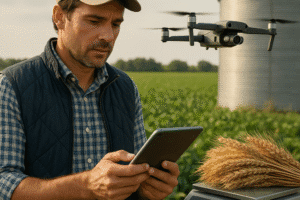
- Cooperatives share drone imagery of crop health in private messaging groups, refining supply expectations.
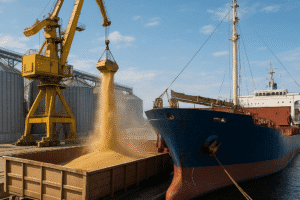
- Exporters tweet about shipping estimates, influencing freight rate hedges.
Peer-to-Peer Knowledge Exchange
Grassroots networks of farmers on WhatsApp and Telegram enable candid discussion of local challenges—pest outbreaks, irrigation issues, or labor shortages. These first-hand accounts often reach market analysts faster than official agricultural reports. Analysts monitor keyword frequency and hashtag trends to anticipate yield revisions and adjust price models accordingly.
Sentiment Analysis and Predictive Analytics
Modern analytics firms deploy Natural Language Processing (NLP) tools to scan millions of posts and extract sentiment scores. By quantifying optimism or concern in user comments, analysts can gauge the mood of stakeholders and refine supply–demand projections.
From Tweets to Trading Signals
Sentiment indicators drawn from microblogs serve as early warning systems. A surge in negative commentary about drought conditions in a key growing region, for instance, can elevate volatility in futures contracts. Conversely, optimistic reports on bumper harvests may depress prices even before official statistics are released.
Machine Learning for Price Forecasting
Combining social media sentiment with historical weather and trade data, machine learning models generate probabilistic price forecasts. These systems continuously learn from new posts and adjust weightings based on predictive performance.
- Text classification algorithms identify relevant posts mentioning terms like “yield,” “export ban,” or “frost damage.”
- Time-series models integrate sentiment indices with market data to forecast short-term price movements.
- Anomaly detection tools alert analysts when social chatter deviates sharply from expected patterns, signaling potential market shocks.
Challenges of Information Reliability and Verification
While the volume of online conversations offers unprecedented transparency, it also introduces a risk of misinformation. Rumors about policy changes or exaggerated claims of supply shortages can ripple through markets, causing unnecessary swings.
Source Credibility and Verification
Distinguishing credible voices from trolls or bots is a pressing concern. Traders and analysts implement multi-step verification:
- Cross-referencing social posts with satellite imagery or official reports.
- Evaluating user profiles for authenticity metrics such as account age, follower quality, and posting history.
- Deploying blockchain-based provenance systems to certify data origin and integrity.
Mitigating Fake News Impact
Industry associations and leading exchanges collaborate to publish verified alerts and debunk false claims quickly. Some platforms now flag unverified reports with notices, prompting users to seek confirmation before acting on critical information.
Emerging Platforms and Future Trends
The evolution of digital communication continues to introduce novel channels for grain market intelligence. From video-centric apps to virtual reality environments, stakeholders are exploring new ways to connect and collaborate.
Video Streaming and Visual Analytics
Live-streamed field tours on Instagram and YouTube allow experts to analyze crop conditions visually, bypassing delays in written reports. Advanced image-recognition software can even estimate plant density and growth stages from streamed footage, enriching data analytics pipelines.
Blockchain and Traceability Networks
Integrating blockchain with social reporting aims to boost trust in shared information. Producers upload harvest details onto distributed ledgers, while observers confirm on-chain records via mobile apps. This fusion of global supply transparency and peer commentary could reshape how contracts are negotiated.
Artificial Intelligence and Chatbots
AI-driven chatbots on messaging platforms provide on-demand market updates, historical price charts, and sentiment summaries. These virtual assistants learn user preferences and proactively deliver insights, reducing the time required to parse vast amounts of social chatter.
Cross-Platform Integration and API Ecosystems
Open APIs now enable seamless consolidation of data from multiple social channels into centralized dashboards. Commodity analysts can correlate Twitter sentiment with LinkedIn network growth and WeChat discussion volumes, forming a holistic view of market dynamics.
Strategies for Effective Engagement
To maximize the benefits of social media in the grain sector, participants should adopt clear engagement protocols:
- Define trusted channels and verified accounts for critical updates.
- Invest in training to enhance digital literacy and discern credible sources.
- Leverage cross-functional teams combining market expertise with IT and data science.
- Monitor emerging platforms to stay ahead of communication trends.
- Balance algorithmic signals with human judgment to avoid overreliance on automated alerts.
By weaving together digital conversations and advanced analytics, the grain industry can make more informed decisions, mitigate risks, and capitalize on emerging market opportunities. As online networks continue to expand, their role in shaping global agricultural supply and demand will only grow in significance.