


The global grain market has evolved from a space dominated by producers and commercial traders into a complex arena where hedge funds exert significant influence. Their participation reshapes the behavior of prices, risk, and supply chains worldwide. This article explores key aspects of this transformation, from the underlying financial dynamics to the broader social and regulatory landscape.
Financial Dynamics of the Grain Market
Commodity exchanges such as the Chicago Board of Trade and the Dalian Commodity Exchange have long served as venues where supply and demand for wheat, corn, soybeans, and other staples determine future prices. The entry of hedge funds introduced new layers of speculation and capital flows. Rather than merely hedging production risks, these funds pursue profit by anticipating price movements and exploiting market inefficiencies.
Price Discovery and Volatility
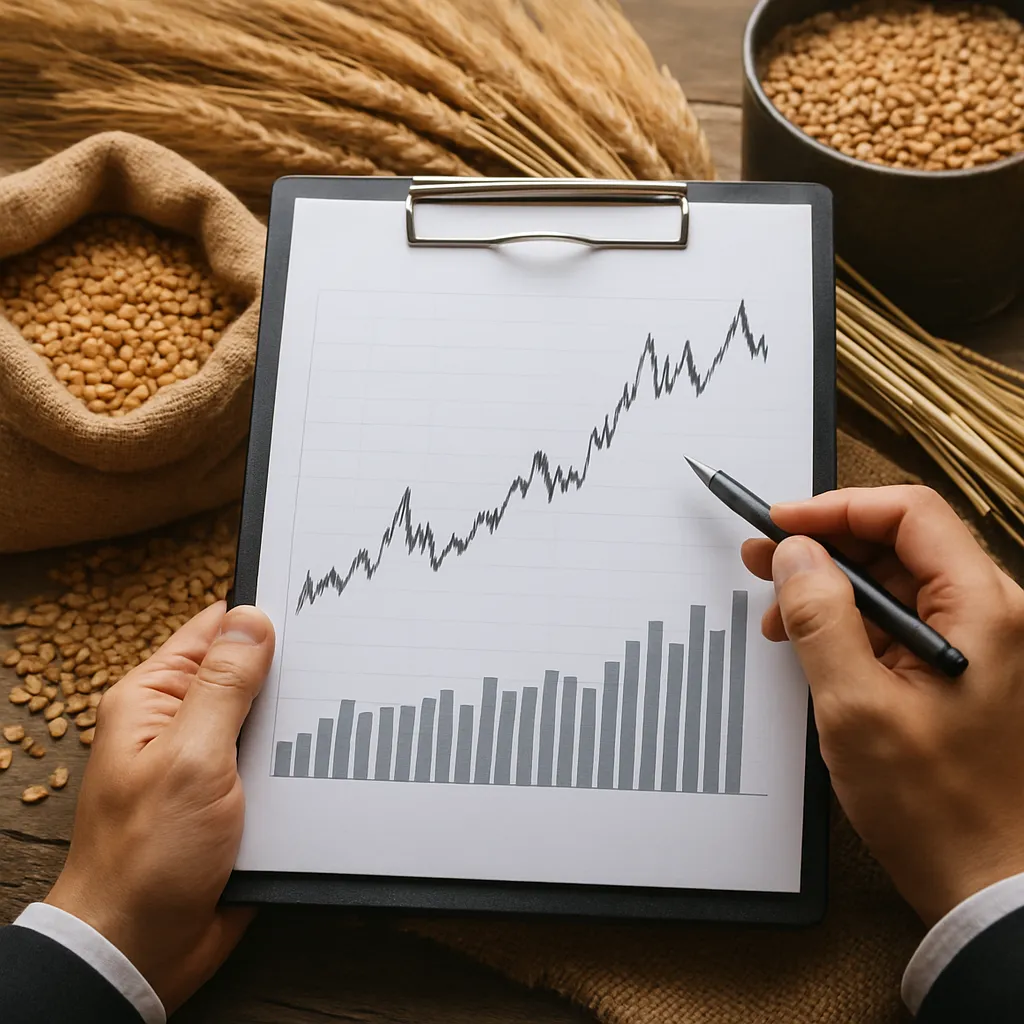
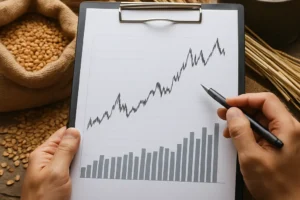
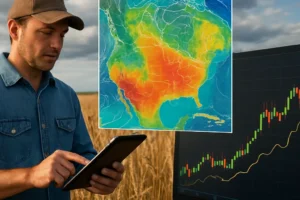
One of the main contributions of speculative capital is enhancement of price discovery. Large, well-capitalized players gather and analyze data—from weather patterns to export statistics—to form expectations. Their orders, sometimes executed by algorithmic models, can accelerate shifts in the futures curve. While some observers credit this activity with reducing information asymmetry, others warn of exaggerated volatility when positions unwind rapidly.
Liquidity Provision
By committing billions in trading capital, hedge funds supply liquidity to other market participants. This liquidity can lower transaction costs and narrow bid-ask spreads, benefiting farmers and industrial buyers who rely on futures to lock in prices. However, at times of stress, these same funds may withdraw en masse, triggering sudden price swings that cascade through the physical market.
Investment Strategies in Agricultural Commodities
The strategies deployed by hedge funds in the grain sector range from directional bets to complex relative-value trades. Investors select tactics based on their risk appetite, time horizon, and available technology.
Macro and Quantitative Approaches
Macro funds view the grain market in the context of global macroeconomic trends. They analyze currency movements, central bank policy, and geopolitical developments to forecast demand and supply shifts. Quantitative funds, by contrast, employ statistical models and machine learning to detect short-term correlations. These investment strategies often rely on automated execution systems that can place thousands of trades within seconds.
Fundamental Analysis
Other managers emphasize fundamental research, scrutinizing planting acreage, crop yields, and consumption patterns. They develop proprietary models to estimate production shortfalls or surpluses, positioning themselves long or short depending on projected outcomes. This approach underscores the nexus between the financial markets and real-world agricultural cycles.
Impact on Farmers and End Consumers
While speculative activity can improve market efficiency, its side effects merit close attention. The interplay between hedge funds and traditional stakeholders often determines whether price signals translate smoothly from the futures pit to the farm and, ultimately, to retail shelves.
- Price Transmission: Rapid changes in futures prices may not immediately affect local cash markets, creating disconnects that complicate planning for farmers and processors.
- Planting Decisions: Volatile futures can prompt growers to alter crop mixes, shifting acreage between grains and other commodities in search of better margins.
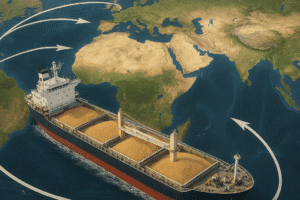
- Food Security: Sharp price spikes driven by speculative momentum raise concerns over affordability, especially in developing nations heavily dependent on grain imports.
- Risk Management Tools: Enhanced liquidity enables more farmers to access options and structured products, affording better protection against adverse price moves.
Regulatory and Ethical Considerations
Persistent debates focus on whether the role of hedge funds aligns with the broader public interest. Critics argue that unchecked speculation may inflate prices beyond levels justified by supply-demand fundamentals. Proponents counter that institutional investors bring discipline and transparency to markets historically prone to manipulation.
Market Integrity
To uphold fair trading conditions, exchanges and authorities enforce position limits and reporting requirements. Such measures aim to prevent over-concentration of open interest and reduce the risk of cornering the market. Enhanced surveillance systems monitor large orders and suspicious patterns, seeking to deter abuse.
Policy Measures
Governments and international bodies review regulatory frameworks continually. Proposals range from stricter margin rules to transaction taxes designed to curb excessive short-term trading. Balancing the need for robust risk management with the imperative to ensure affordable food supplies remains a delicate task.
Future Outlook
As climate change, population growth, and geopolitical tensions reshape global agriculture, the significance of financial players will only intensify. For participants across the value chain, understanding the strategies and motivations of hedge funds is essential to navigating an era marked by heightened uncertainty. The challenge lies in harnessing the benefits of speculative capital—improved liquidity, sharper price discovery, and innovative risk solutions—while mitigating systemic risks that threaten market stability and food security.