


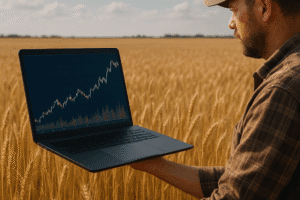

The grain market operates at the intersection of global food security, economic vitality, and supply chain resilience. Reliable, accessible information forms the backbone of informed decision-making for farmers, traders, policymakers, and consumers alike. This article explores the multifaceted role of data transparency within grain markets, highlighting its impact on efficiency, risk management, and the adoption of digital innovations. Through deeper insight into transparent practices, stakeholders can foster a more robust, equitable, and sustainable trading ecosystem.
Origins and Importance of Data Transparency
Historical Challenges in Grain Information Flow
For centuries, information asymmetries plagued grain markets, as producers in remote regions lacked access to reliable price signals or demand forecasts. Middlemen often held exclusive knowledge of market trends, squeezing farmer margins and hindering fair competition. Without systematic reporting, speculative trading sometimes led to price spikes, undermining food security for vulnerable populations.
Evolution of Regulatory Frameworks
In response, governments and international bodies introduced mechanisms for standardized reporting. Initiatives such as the United Nations’ Food and Agriculture Organization (FAO) Grains Database and regional exchanges began publishing export volumes, carryover stocks, and consumption trends. Regulatory mandates compelled grain traders to submit regular data on shipments and inventories, fostering greater accountability and reducing information gaps.
- Mandatory reporting of port departures and landings
- Standardized grading and quality classifications
- Periodic surveys of planting intentions and yield projections
Enhancing Market Efficiency through Open Data
Real-Time Price Discovery
Transparent data platforms now offer real-time updates on bids and offers, enabling market participants to gauge supply-demand dynamics instantly. This price discovery mechanism benefits:
- Farmers deciding on optimal harvest timing
- Processors optimizing procurement strategies
- Exporters monitoring global arbitrage opportunities
Access to live quotes and historical price series empowers traders to construct sophisticated derivatives strategies, hedging against adverse movements and enhancing liquidity in spot and futures markets.
Improved Risk Management and Planning
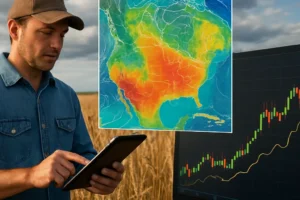
Accurate meteorological data, satellite imagery, and crop progress reports feed into forecasting models that predict yield fluctuations. By integrating these inputs with transparent supply chain metrics, stakeholders achieve:
- Demand forecasting for millers and feed manufacturers
- Scenario analysis for policy makers considering export restrictions
- Early warning systems for droughts, pests, or logistical bottlenecks
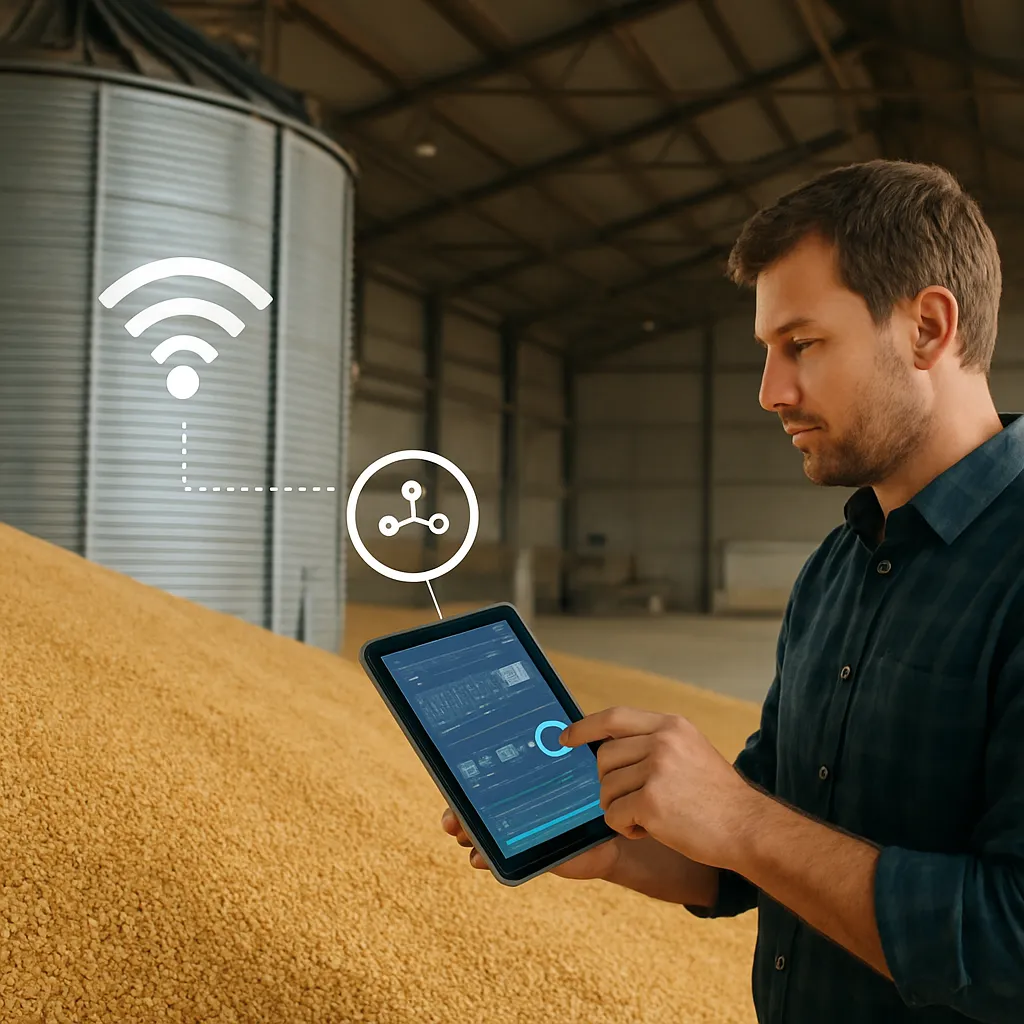
When grain elevators and storage operators report real-time capacity usage and turnover rates, traders can allocate cargo more efficiently, reducing spoilage and logistics bottlenecks.
Digital Innovations and Future Directions
Blockchain for Traceability and Trust
Blockchain applications are revolutionizing traceability in the grain supply chain. Immutable ledgers record each transaction—from farm gate to port—ensuring data integrity and reducing fraud. Key benefits include:
- Enhanced verification of certifications (organic, non-GMO, sustainability labels)
- Streamlined settlement processes via smart contracts
- Reduced disputes through transparent chain-of-custody records
Such systems encourage smaller producers to gain visibility in global markets, as buyers can independently verify quality attributes and origin, fostering fair price premiums.
Collaborative Digital Platforms
Online platforms now aggregate multi-source data—weather feeds, export manifests, consumption surveys, blockchain records—into unified dashboards. By offering API access, these hubs facilitate seamless integration with proprietary trading systems and agronomic software. Benefits include:
- Customizable alerts on price thresholds or stock deviations
- Machine-learning driven insights on emerging supply risks
- Community-driven reporting features to crowdsource field observations
Data democratization encourages innovation, as fintech startups build tailored financing products for smallholder farmers and grain aggregators, leveraging transparent collateral valuation based on reported inventory levels.
Balancing Transparency with Confidentiality
While open data enhances market functioning, excessive disclosure may erode competitive advantages or expose sensitive commercial strategies. Striking a balance demands:
- Tiered access models, granting aggregate statistics publicly, with detailed breakdowns available to vetted subscribers
- Time-delayed releases to prevent front-running by large traders
- Regulatory oversight to ensure data accuracy without overburdening smaller operators
Implementing robust data governance frameworks ensures that the drive for openness remains compatible with privacy and commercial sovereignty.
Integrating Sustainability Metrics into Grain Data
Tracking Environmental Footprint
As global consumers and regulators emphasize sustainability, transparent reporting of carbon emissions, water usage, and land-use changes per ton of grain becomes essential. Platforms now offer:
- Life-cycle assessments comparing cultivation practices
- Certification verifications for regenerative agriculture methods
- Emissions tracking from transport and storage facilities
These metrics empower purchasers to align procurement policies with environmental goals and incentivize farmers to adopt conservation-minded techniques.
Social Impact Indicators
Transparency extends beyond environmental factors to encompass labor conditions and community welfare. Reporting standards are evolving to include:
- Fair wage compliance across the supply chain
- Gender and minority participation stats among farming cooperatives
- Investment levels in rural infrastructure and training programs
By integrating social metrics, grain purchasers can demonstrate corporate responsibility and meet stakeholder expectations for ethical sourcing.
Conclusion of Key Insights
Data transparency in the grain market catalyzes efficiency, enhances trust, and drives technological adoption. Stakeholders—from farmers to global traders—stand to benefit from clearer, real-time insights into supply, demand, pricing, and sustainability metrics. While challenges around confidentiality and data quality persist, continued collaboration among regulators, exchanges, and private platforms can forge a more resilient, equitable, and innovative grain trading ecosystem.