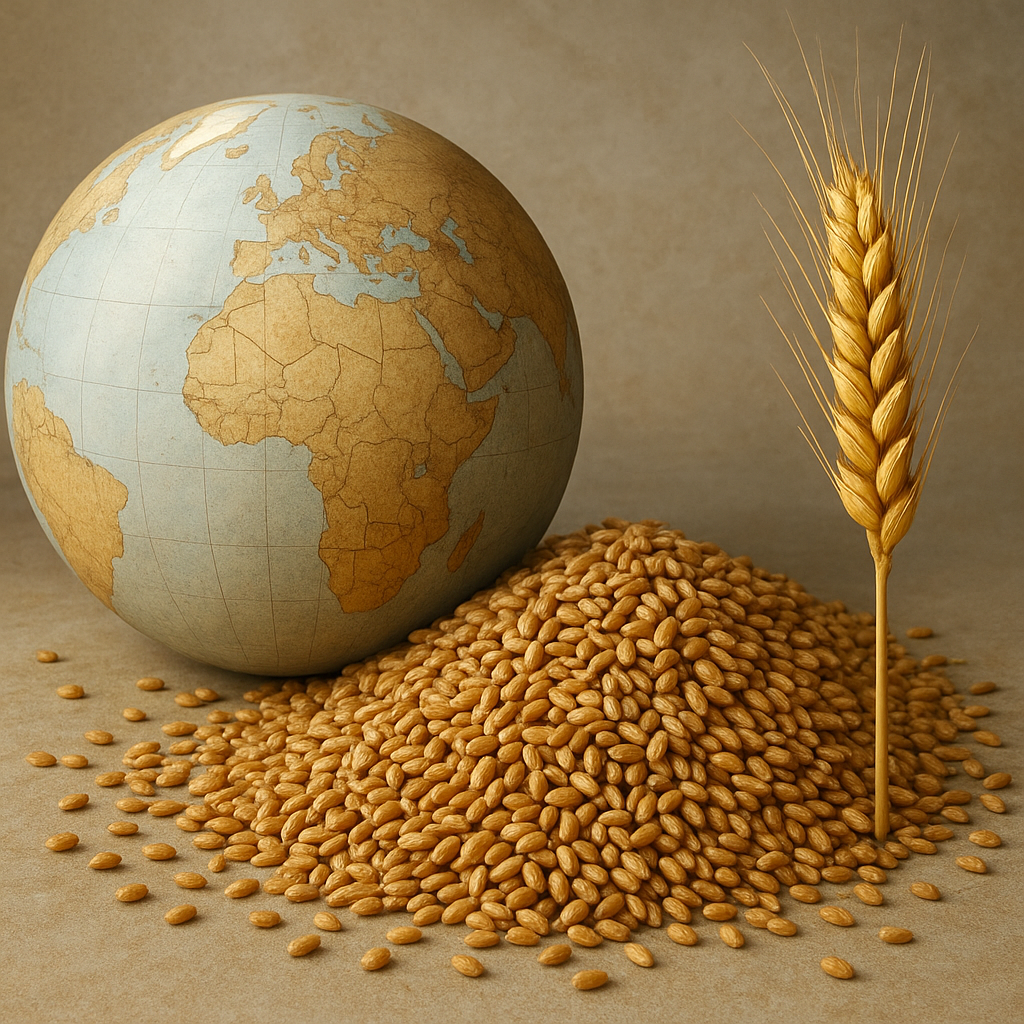
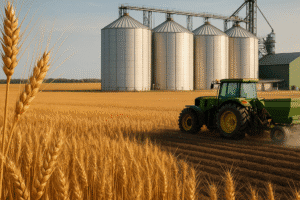



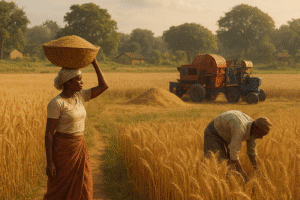

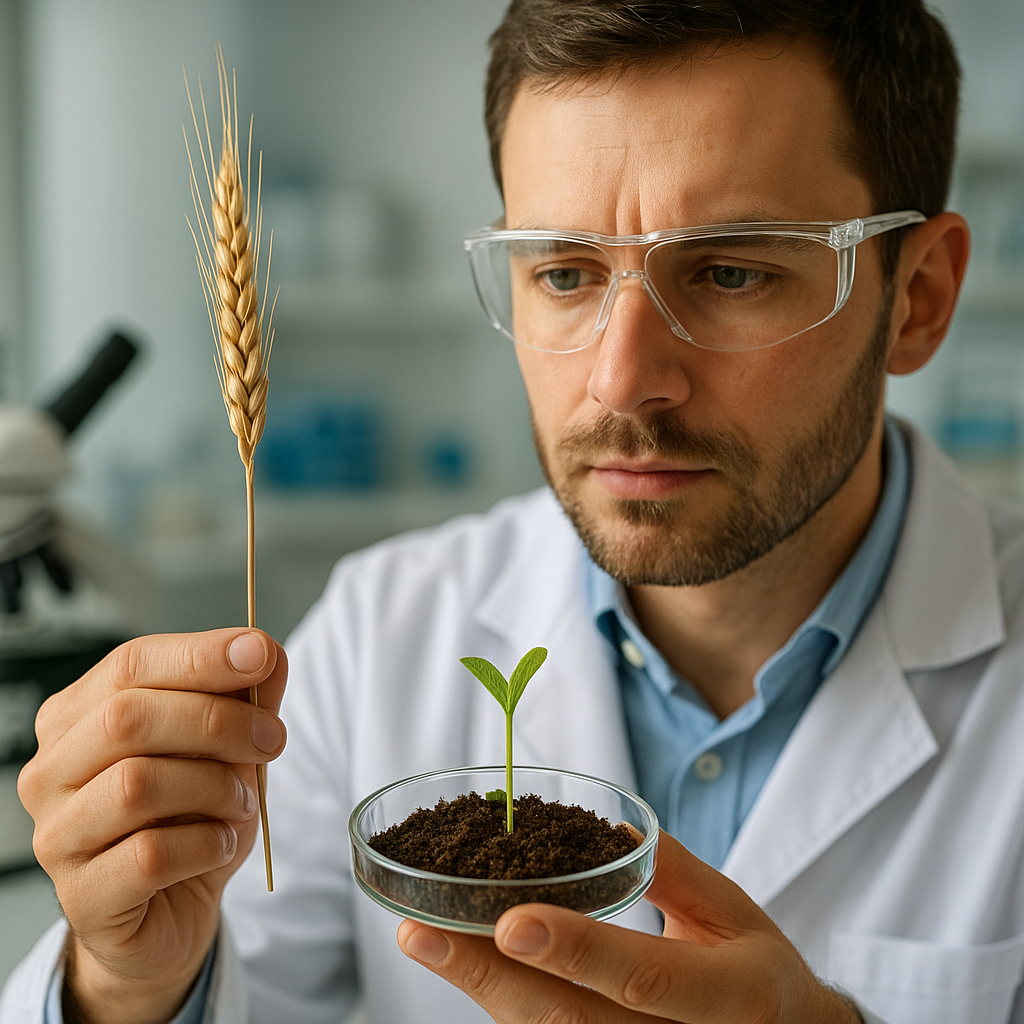
The agricultural sector has witnessed remarkable transformations as researchers harness the power of biotechnology to enhance grain crops. From increasing yields to improving stress tolerance, scientific innovations have reshaped the landscape of cereal production. These developments not only address the pressing needs of a growing population but also respond to challenges such as climate change, evolving pathogens and changing consumer preferences. Understanding how cutting-edge techniques integrate with traditional breeding provides insight into the future of global food systems.
Advanced Genetic Approaches Driving Grain Improvement
Grain breeders now employ a suite of molecular tools that accelerate the development of superior varieties. Marker-assisted selection (MAS) allows rapid screening for desirable traits such as pathogen resistance and grain quality by tracking DNA markers linked to target genes. Meanwhile, transgenic methods introduce specific genes from other species to confer traits like drought resilience or enhanced nutrient content. The advent of genome editing technologies, most notably CRISPR-Cas systems, has revolutionized precision breeding by enabling exact alterations to gene sequences without foreign DNA integration.
Marker-Assisted Selection and Genomic Selection
- Identification of DNA markers linked to yield-enhancing loci.
- Accelerated breeding cycles through early-generation selection.
- Integration with high-throughput phenotyping platforms.
Transgenic Approaches and Trait Stacking
- Insertion of anti-insect or herbicide tolerance genes into maize and rice.
- Stacking multiple transgenes to combine traits such as disease resistance and abiotic stress tolerance.
- Regulatory frameworks governing the release and commercialization of GMOs vary by region.
Genome Editing for Precision Improvement
- Targeted knockouts of negative regulators to boost grain size and weight.
- Base editing to modify single nucleotides for enhanced nutritional profiles.
- CRISPR activation and interference systems to upregulate or downregulate native genes.
Market Dynamics and Commercialization of Biotech Grains
Biotech grains occupy a significant share of global production, with traits such as herbicide tolerance in maize and insect resistance in cotton dominating acres in North and South America. Consumer acceptance, however, remains a critical factor shaping market penetration. In some regions, strict labeling requirements and trade restrictions have slowed adoption despite clear agronomic benefits. Meanwhile, contract farming models and public-private partnerships are emerging to facilitate technology transfer and manage intellectual property rights.
Adoption Trends and Regional Variations
- Over 90% of U.S. soybean acreage features herbicide-tolerant varieties.
- Europe’s cautious regulatory stance limits the cultivation of biotech grains.
- Emerging markets in Africa and Asia exploring GM crops for improved food security.
Intellectual Property and Seed Systems
- Patented traits create licensing fees that can restrict access for smallholder farmers.
- Public sector breeding programs develop open-source lines to promote equitable distribution.
- Biotech consortia negotiate benefit-sharing agreements to support local communities.
Consumer Perception and Labeling Policies
- Mandatory labeling in some countries prompts companies to segregate supply chains.
- Communication campaigns emphasize the safety and advantages of biotech-derived grains.
- Nutritionally enhanced varieties target health-conscious markets seeking biofortified products.
Environmental and Societal Implications of Biotechnology in Grains
Deploying biotech grains carries both ecological benefits and concerns. Crops engineered for herbicide tolerance streamline weed management, reducing mechanical cultivation and associated carbon emissions. Pest-resistant varieties lower the dependence on chemical insecticides, mitigating risks to non-target organisms and farm workers. Conversely, gene flow between cultivated and wild relatives poses ecological questions, and the emergence of resistant weeds demands integrated management strategies.
Ecological Benefits and Risk Management
- Reduced pesticide applications decrease environmental contamination.
- No-till practices facilitated by herbicide-tolerant crops bolster sustainability.
- Refuge strategies and crop rotations help delay resistance evolution in pests and weeds.
Socioeconomic Aspects and Rural Livelihoods
- Smallholder adoption of quality protein maize improves dietary protein intake.
- Contract farming links producers to formal supply chains with fair pricing mechanisms.
- Capacity-building programs train farmers in best management and biosafety protocols.
Future Perspectives and Challenges
Emerging innovations such as synthetic biology aim to redesign metabolic pathways for enhanced grain yield and nutrient profiles. Digital agriculture and AI-driven decision support systems enable precise fertilizer and water use, optimizing resource efficiency. Yet, equitable access to these cutting-edge technologies remains a hurdle, as does harmonizing global regulations to foster collaborative research. Continued dialogue among scientists, policymakers and consumers will shape the trajectory of biotech grains and their role in sustaining a growing world population.