





Global trade in cereals and pulses increasingly hinges on the efficiency of transport networks. When vessels wait at congested ports or railcars idle on clogged tracks, the risk of compromised grain quality escalates. This article explores how interruptions in shipping influence the physical integrity, safety and market dynamics of staple commodities, offering insights into strategic responses for stakeholders across the supply chain.
Supply Chain Vulnerabilities and Shipping Delays
Port Congestion and Waiting Times
Major maritime hubs can experience significant logistics bottlenecks due to labor strikes, vessel backlogs or unexpected infrastructure failures. When ships sit offshore for days or weeks, tropical heat and rising moisture levels threaten cargoes of wheat, corn and soybeans. Overexposure to humidity promotes condensation within holds, increasing the risk of mold formation and contamination.
Land Transport Disruptions
Rail networks and trucking routes subject to weather extremes or regulatory delays also play a decisive role. Grain in covered hopper cars may endure extended transit across mountainous terrain or flood-affected valleys. Even minor detours can push delivery schedules beyond contract windows, triggering penalties and eroding supplier credibility.
Regulatory and Security Checks
Customs inspections, fumigation mandates and phytosanitary controls aim to ensure safety but often extend dwell times. While essential to mitigate pest infestations and mycotoxin threats, these procedures must be balanced against the perishable nature of bulk commodities. Effective coordination between exporters, carriers and authorities is crucial to accelerate clearance without compromising compliance.
Effects on Grain Quality
Moisture-Induced Degradation
When average storage humidity exceeds optimal thresholds (typically 12–14%), fungal spores germinate, leading to structural breakdown of kernels. Elevated moisture content can cause swelling and sprouting, visibly diminishing end-use value for milling, brewing or direct consumption. In extreme cases, spontaneous heating triggers self-ignition hazards in silo complexes.
Mycotoxin Proliferation
Delayed shipments often become breeding grounds for aflatoxin, fumonisin and ochratoxin. These hazardous metabolites secreted by Aspergillus and Fusarium species pose serious health risks to humans and livestock. Even trace-level contamination demands costly laboratory assays and often forces entire cargoes to be downgraded or rejected at destination markets.
Sensory and Nutritional Impairment
- Off-odors from microbial activity can render grain unsuitable for high-grade flour or brewing applications.
- Color changes, such as dark speckles or uneven kernels, degrade visual appeal for retail packaging.
- Essential nutrients like proteins and lipids oxidize over time, lowering overall nutritional quality.
Physical Damage and Loss in Weight
Repeated handling during prolonged delays increases breakage rates, leading to fines that reduce gross weight. Losses due to spillage, rodent activity or manual rebagging further erode profitability. Carriers and shippers must agree on loss allowances in contractual clauses to allocate risks of perishability.
Economic Implications in the Grain Market
Price Volatility and Arbitrage Opportunities
Extended shipping times disrupt the supply-demand equilibrium. Spot-market prices may spike if buyers face imminent shortages, while sellers holding delayed cargoes miss favorable market windows. Traders exploit these imbalances through regional arbitrage, redirecting shipments to ports with higher demand—but at the expense of additional freight and handling costs.
Contractual Disputes and Force Majeure
Futures contracts and sales agreements typically include delivery windows and quality specifications. When delays cause missed deadlines, parties invoke force majeure clauses or negotiate renegotiated terms. Unresolved disputes can escalate into litigation or arbitration, straining long-term relationships and increasing transaction costs.
Insurance Costs and Risk Management
Carriers and cargo owners rely on marine insurance to cover losses from physical damage, theft or demurrage. Prolonged port stays elevate demurrage fees and insurance premiums. Underwriters may require real-time condition monitoring and certified temperature logs to maintain coverage, highlighting the growing importance of traceability in risk mitigation.
Impact on Exporting and Importing Nations
- Exporters lose foreign exchange earnings when shipments degrade below export grade.
- Importing countries incur higher retail prices for essential cereals, affecting food security.
- National stockpiles may dwindle, prompting governments to subsidize alternative supplies or grant emergency waivers.
Mitigation Strategies for Shipping Delays
Enhanced Onboard and Portside Storage
Ventilated holds, humidity-absorbing liners and continuous aeration systems help maintain moisture equilibrium during long voyages. At congested terminals, mobile grain elevators and temporary silos equipped with temperature controls reduce spoilage. Strategic placement of these assets near berth zones accelerates discharge operations.
Real-Time Monitoring Technologies
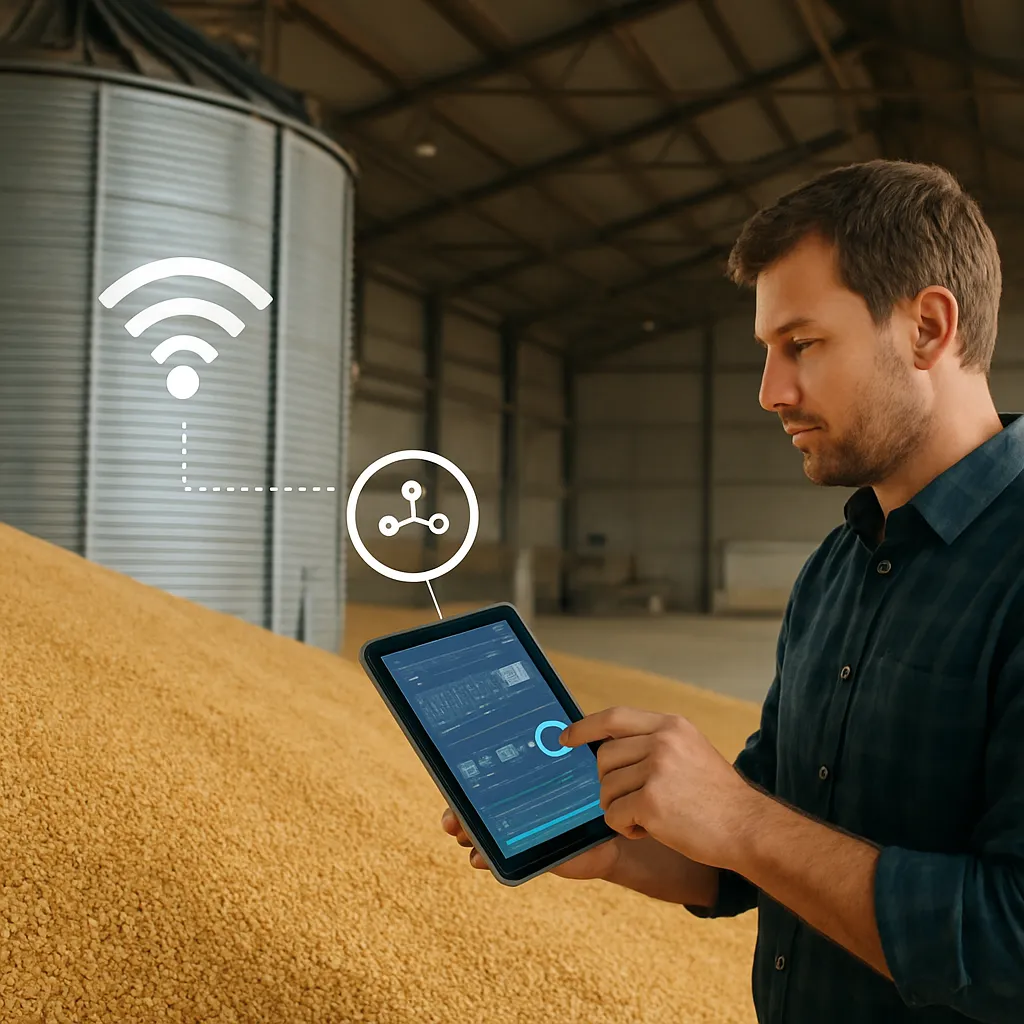
Industry adoption of IoT sensors, GPS tracking and blockchain-enabled data platforms supports proactive decision-making. Temperature, humidity and CO₂ readings streamed live to logistics dashboards enable early detection of spoilage risks. Smart contracts automatically trigger alerts and remedial actions when critical thresholds are breached.
Alternative Transportation Corridors
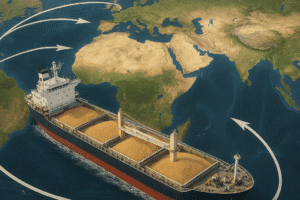
Diversifying routing options—such as inland waterways, rail connectors or emerging Arctic sea lanes—lowers dependency on congested chokepoints. While initial investments in modal shifts may be high, the ability to circumvent delays strengthens overall supply-chain resilience. Collaborative alliances between shippers and carriers foster shared investments in infrastructure upgrades.
Collaborative Planning and Information Sharing
Vertical integration among growers, traders, freight forwarders and port operators delivers synchronized schedules and capacity allocations. Centralized platforms for load planning ensure timely vessel chartering and truck dispatch, reducing idle times. Transparent dashboards covering booking statuses and berth availability support agile re-routing during emergencies.
Regulatory Harmonization
Standardizing inspection protocols and digital document workflows across jurisdictions expedites customs clearance. Mutual recognition agreements between agricultural ministries and maritime authorities minimize duplicative checks. Consistent quarantine measures and unified fumigation standards reduce dwell times while safeguarding food safety.