

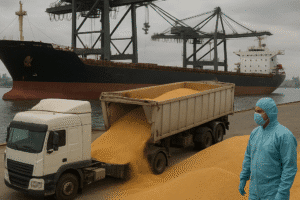


The increasing influx of private equity capital into the global grain sector is reshaping traditional agricultural financing and value chains. Investors are now targeting everything from farmland to milling operations, seeking to capitalize on rising demand for staple crops, technological advances, and enhanced risk management tools. This article examines the evolving dynamics of private equity in grain investments, its effects on farmers and supply chains, and the regulatory and market challenges that lie ahead.
Market Dynamics and Private Equity Entry
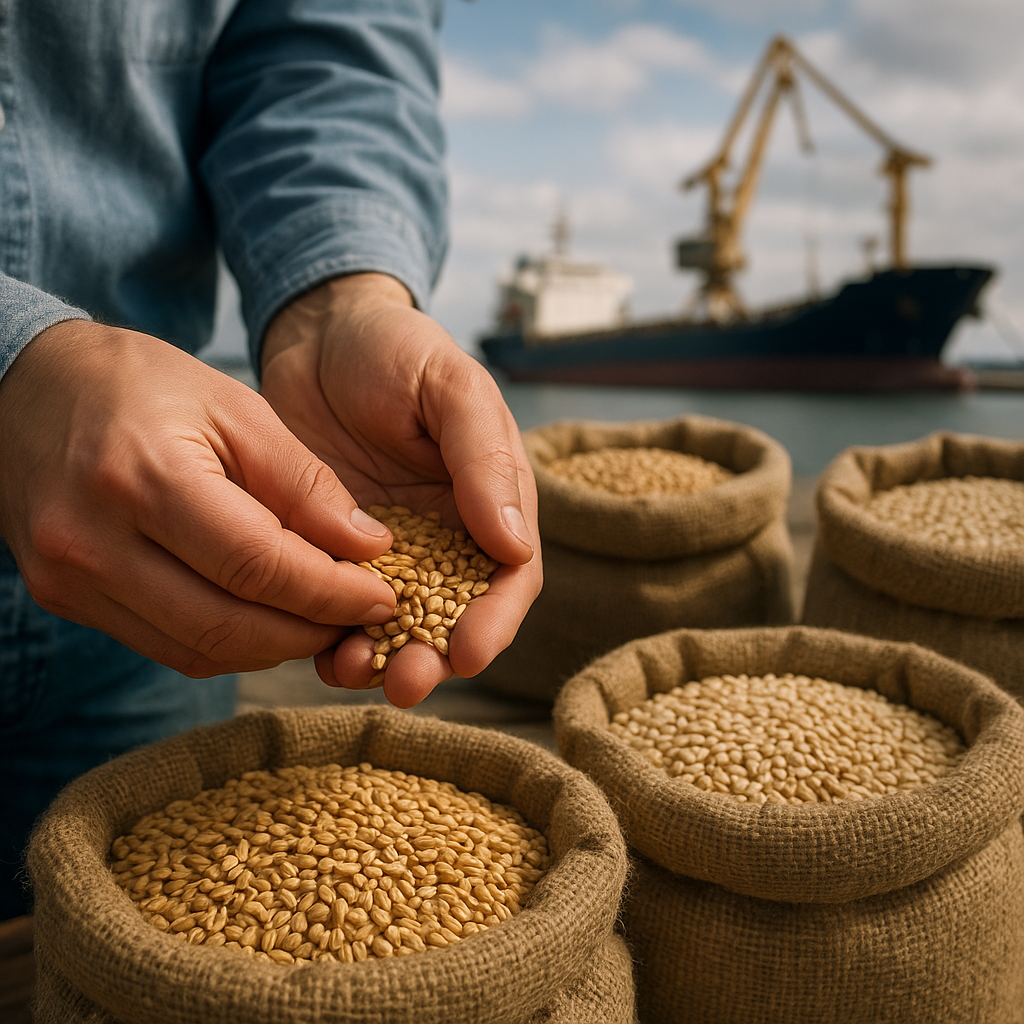
Historically, grain markets were dominated by local cooperatives, family-owned farms, and a handful of public companies. However, in recent years, private equity firms have recognized the sector’s potential for stable, long-term returns. Factors driving this trend include price volatility mitigation, the search for diversification, and growing food security concerns. As a result, PE investors are structuring complex deals, providing capital for farmland acquisitions, and funding value-added processing facilities.
Rising Commodity Prices and Yield Pressures
Global population growth and changing diets in emerging economies have pushed for higher grain consumption. At the same time, climate change-related disruptions are contributing to more unpredictable yields. Private equity firms see an opportunity to deploy capital into modern irrigation systems, precision agriculture platforms, and advanced seed technologies. By doing so, they aim to enhance yield stability and secure margins even during periods of price swings.
Deal Structures and Financing Models
- Direct acquisition of farmland: Consolidating smaller farms into larger, more efficient units.
- Joint ventures with local operators: Aligning interests and sharing agronomic expertise.
- Growth equity in agritech startups: Funding innovation in robotics, data analytics, and IoT-enabled sensors.
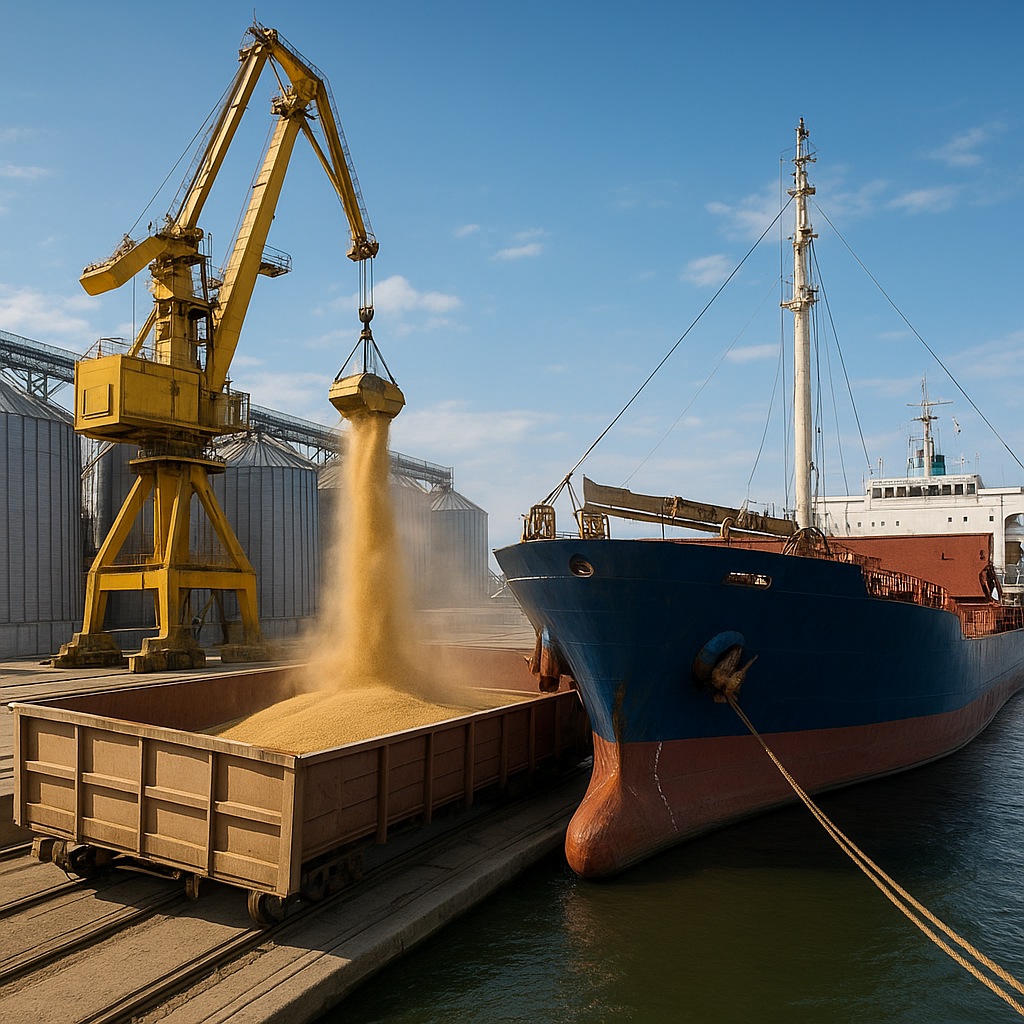
- Infrastructure investments: Financing grain elevators, storage terminals, and transport networks to streamline commodities flow.
Impact on Grain Producers and Supply Chains
Private equity’s presence is a double-edged sword for grain producers. On one hand, farmers gain access to advanced equipment, digital tools, and operational best practices. On the other, they face the pressure of achieving consistent performance benchmarks to satisfy PE-backed targets.
Enhanced Operational Efficiency
PE-backed operations often introduce rigorous data-driven processes to monitor soil health, crop rotation cycles, and input usage. These improvements can lead to significant cost savings and higher productivity. For instance, satellite imagery and machine-learning algorithms help predict pest outbreaks and optimize fertilizer application, reducing waste and improving environmental outcomes.
Shifts in Contract Farming and Farmer Relations
Contract farming agreements are becoming more prevalent under private equity ownership. Farmers agree to grow specific varieties or adopt eco-friendly practices in exchange for guaranteed pricing and access to capital. While this arrangement secures stable income, it may limit farmers’ autonomy and tie them to rigorous compliance metrics.
Logistics and Storage Innovations
- Smart silos with real-time grain quality monitoring.
- Blockchain-enabled traceability platforms for seed-to-shelf transparency.
- Regional storage hubs to minimize transportation costs and reduce spoilage.
By investing in infrastructure, private equity funds aim to reduce bottlenecks and enhance sustainability across the grain value chain.
Risks, Regulatory Challenges, and Future Prospects
Despite its promise, the surge of private equity in grain investments introduces new risks and faces regulatory scrutiny. Market participants and policymakers must balance capital inflows with fair competition and food security considerations.
Market Concentration and Antitrust Concerns
Large-scale acquisitions by PE-backed conglomerates can lead to market concentration, giving a few players undue influence over grain prices. Regulators in key producing regions are increasingly vigilant, reviewing mergers and acquisitions for potential anticompetitive effects. Striking a balance between encouraging investment and preserving market health remains a top priority.
Environmental and Social Governance (ESG) Pressures
Investors are under growing pressure to demonstrate robust ESG credentials. While modern farming techniques can reduce carbon footprints and water usage, there are concerns over land use changes and community displacement. As a result, private equity firms are developing rigorous ESG frameworks, auditing practices, and stakeholder engagement strategies to maintain their social license to operate.
Volatility, Currency Risks, and Exit Strategies
- Price swings: Grain prices can be highly volatile due to weather events, trade policies, and global demand shifts.
- Currency fluctuations: For cross-border investments, currency risk can erode returns if hedging strategies are inadequate.
- Exit mechanics: Private equity funds must plan for trade sale, initial public offering, or management buyouts, each with its own set of timing and valuation challenges.
Successful exits depend on stable market conditions and the ability to demonstrate enhanced operational performance and robust risk management.
Looking forward, the role of private equity in grain markets is poised to expand further. With ongoing innovations in agritech, growing emphasis on sustainability, and persistent demand for staple crops, PE investors will continue to seek opportunities that combine financial gains with tangible improvements in the global food system.