

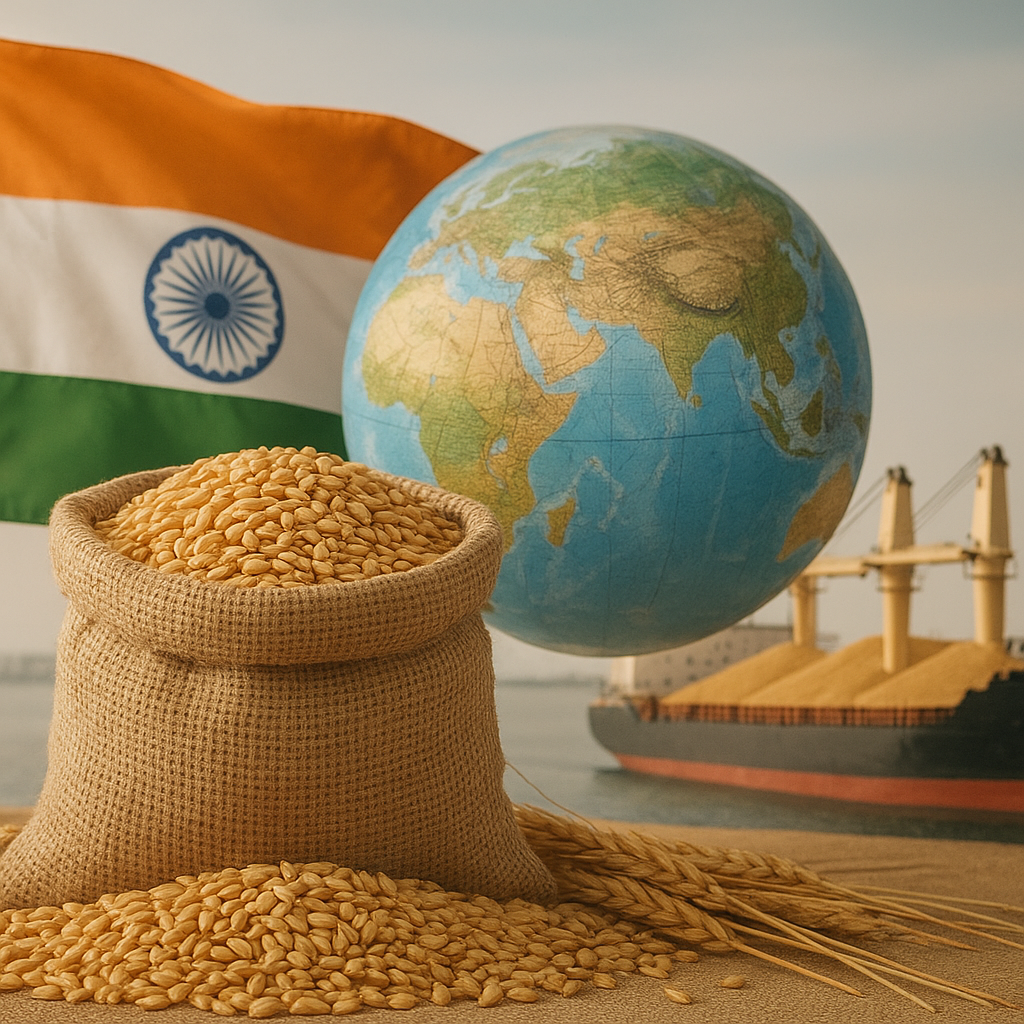
The Growing Influence of India on Global Grain Trade has become hard to ignore as the country cements its position among the world’s leading exporters. With a remarkable surge in production and strategic policy shifts, India is reshaping trade routes, creating new partnerships, and challenging established players. This article examines the key drivers behind India’s emergence, the strategic reforms that have fueled its expansion, and the wider implications for the international grain market.
Agricultural Transformation and Production Surge
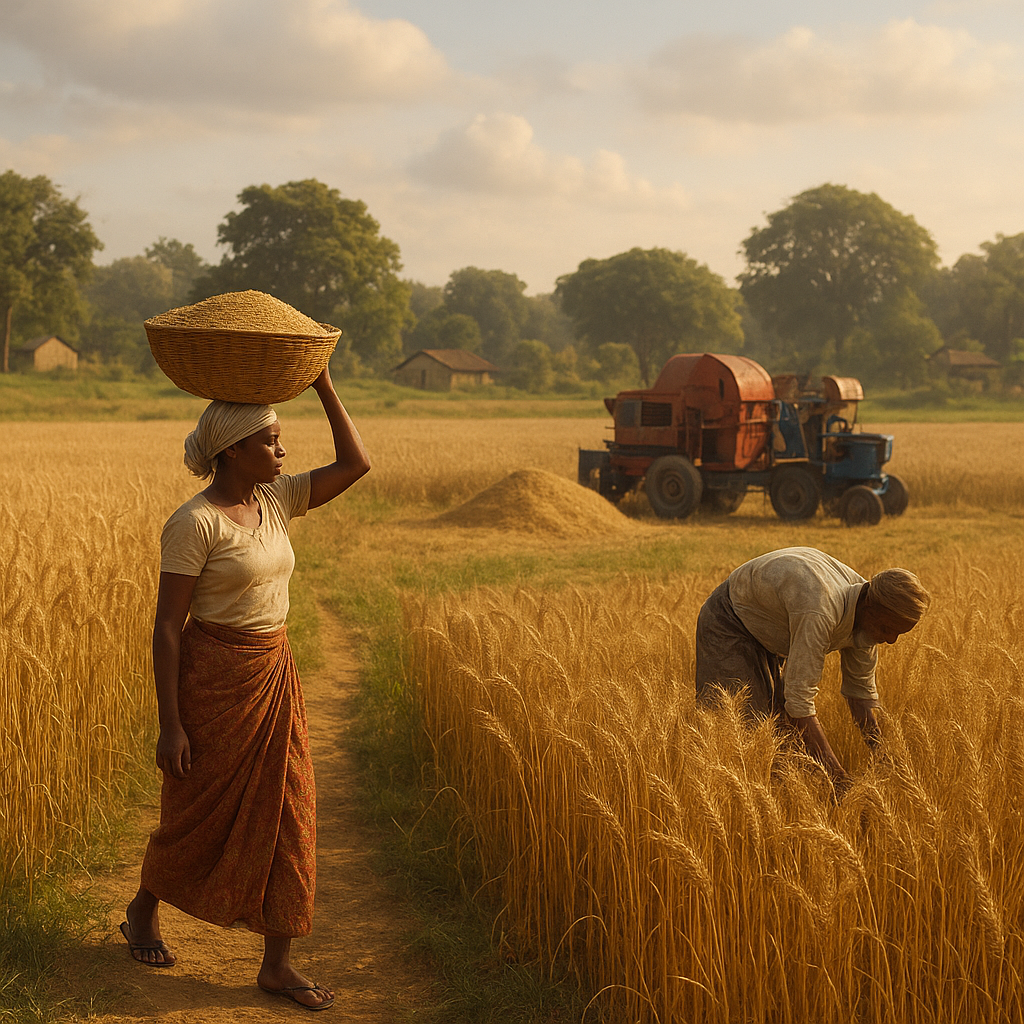
Over the past decade, India has recorded one of the most significant increases in grain output anywhere in the world. A combination of modern techniques, expanded irrigation networks, and improved seed varieties has boosted wheat and rice production to unprecedented levels. The introduction of innovation in farm machinery and the widespread adoption of precision agriculture have also contributed to minimizing waste and maximizing crop yield. As smallholders gain access to better tools and fertilizer resources, their productivity has climbed steadily.
Technological Adoption
- Drip irrigation systems cutting water usage by up to 60%
- Satellite-based monitoring for real-time crop health assessment
- Mobile apps delivering market price information directly to farmers
Government initiatives such as the Pradhan Mantri Krishi Sinchai Yojana have significantly expanded irrigation coverage, ensuring that rainfall patterns—especially the critical monsoon season—no longer solely determine output. In parallel, research institutions have developed high-yield wheat and rice hybrids that demonstrate greater resilience to drought and pests, directly reducing post-harvest losses.
Expansion of Cultivated Areas
Beyond technology, India has brought vast tracts of fallow land under cultivation through better land-use planning. This expansion has been supported by targeted subsidies on seeds and agrochemicals, which incentivize farmers to diversify cropping patterns. Today, even traditionally non-agricultural regions are producing significant volumes of grains, making India’s overall output one of the fastest-growing globally.
Policy Reforms and Export Strategies
India’s ascent on the global stage is not accidental. A series of bold policy reforms have created a more transparent and efficient grain marketing environment. The implementation of e-National Agriculture Market (e-NAM) has revolutionized procurement and trading by connecting more than a thousand regulated markets electronically, reducing intermediaries and ensuring farmers receive competitive prices.
Procurement and Pricing
- Minimum Support Price (MSP) guarantees for core staples such as wheat and rice
- Direct Benefit Transfers (DBT) ensuring timely subsidy distribution
- Decentralized procurement systems to reach remote farming zones
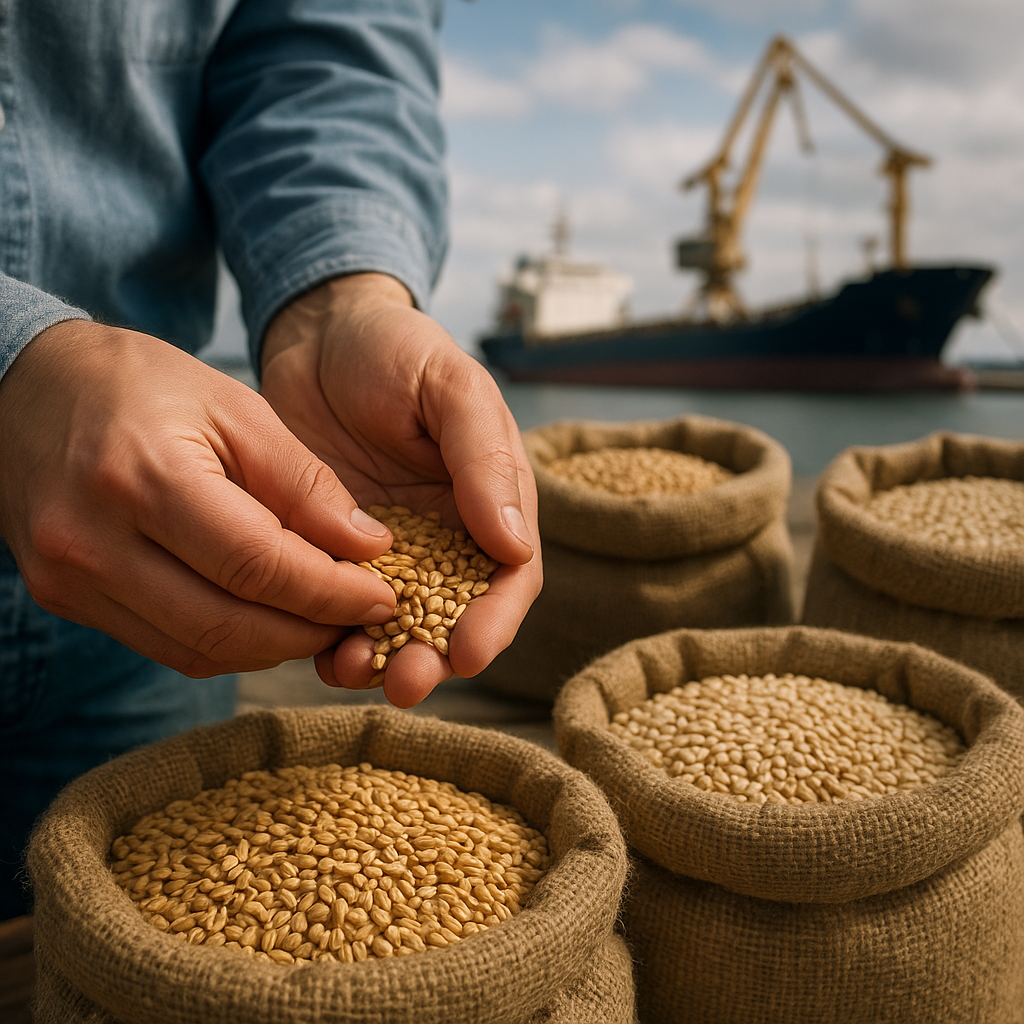
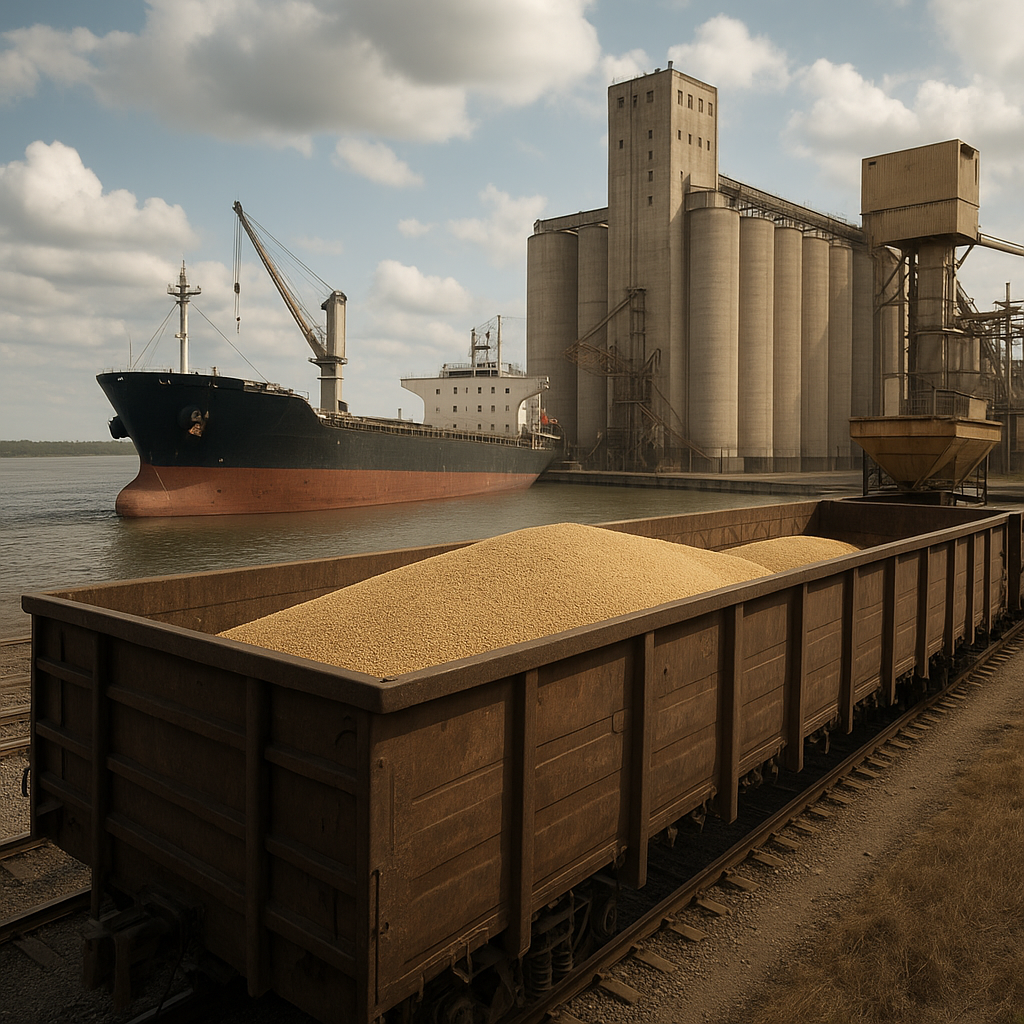
Crucially, the government has diversified its export portfolio by easing restrictions on non-basmati rice and allowing private players to participate more actively in international tenders. This shift has expanded India’s traditional markets in Asia and Africa, while forging new agreements with European and Latin American importers. In turn, these export-oriented measures have strengthened the logistics infrastructure, catalyzing further investments in port terminals, cold chains, and inland rail corridors.
Trade Partnerships and Agreements
India has signed bilateral agreements with several nations, reducing tariff barriers and ensuring consistent off-take for grains. Regional trade collaborations, such as the Bay of Bengal Initiative for Multi-Sectoral Technical and Economic Cooperation (BIMSTEC), have also created frameworks to stabilize supply and demand. Such arrangements enhance India’s bargaining power and cement its reputation as a dependable supplier in times of global shortages.
Global Market Dynamics and Sustainability Challenges
While India’s emergence as a grain powerhouse offers new opportunities, it also poses challenges—both for India and the wider market. Heightened export volumes influence global quality benchmarks, pressing rival producers to upgrade standards. This increased competition can drive down prices, benefiting consumers but squeezing profit margins for farmers unless balanced by continued efficiency gains.
Environmental and Resource Pressures
Accelerated production places stress on water tables, soil health, and agrochemical usage. To address these concerns, India is piloting sustainable farming programs that promote crop rotation, organic fertilizers, and water-saving techniques. Stakeholders recognize that long-term viability hinges on maintaining ecological balance alongside commercial growth.
Market Volatility and Risk Management
Global grain markets are inherently volatile, shaped by weather events, geopolitical tensions, and currency fluctuations. Indian exporters have begun employing hedging strategies and forward contracts to mitigate price risks. At the same time, collaboration with international bodies like the Food and Agriculture Organization helps India stay ahead of potential supply disruptions, ensuring it can fulfill global commitments without jeopardizing domestic food security.
As India continues its trajectory toward becoming a top-tier grain supplier, its influence on global grain trade will expand further. The country’s blend of technological advancement, policy innovation, and strategic partnerships underscores a new era in which India plays a pivotal role in ensuring the world’s food supply remains both abundant and accessible.