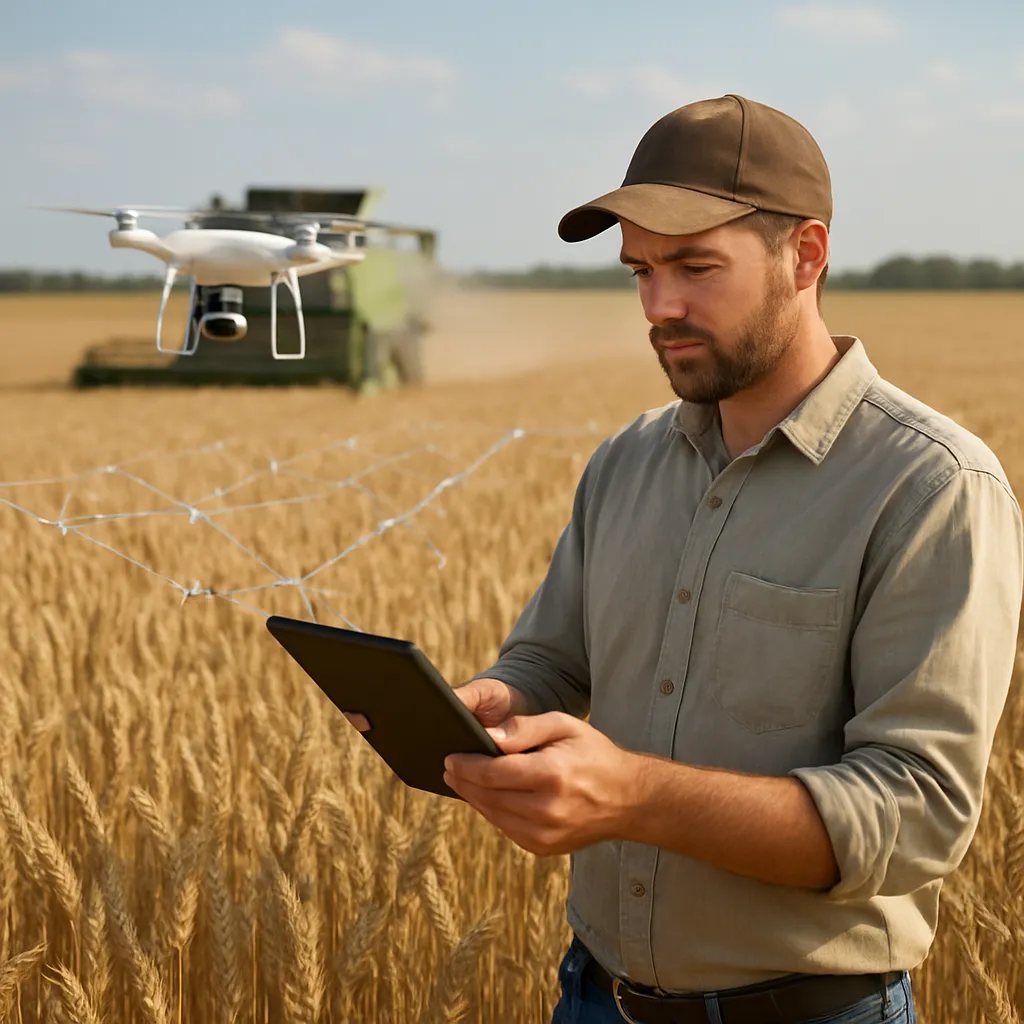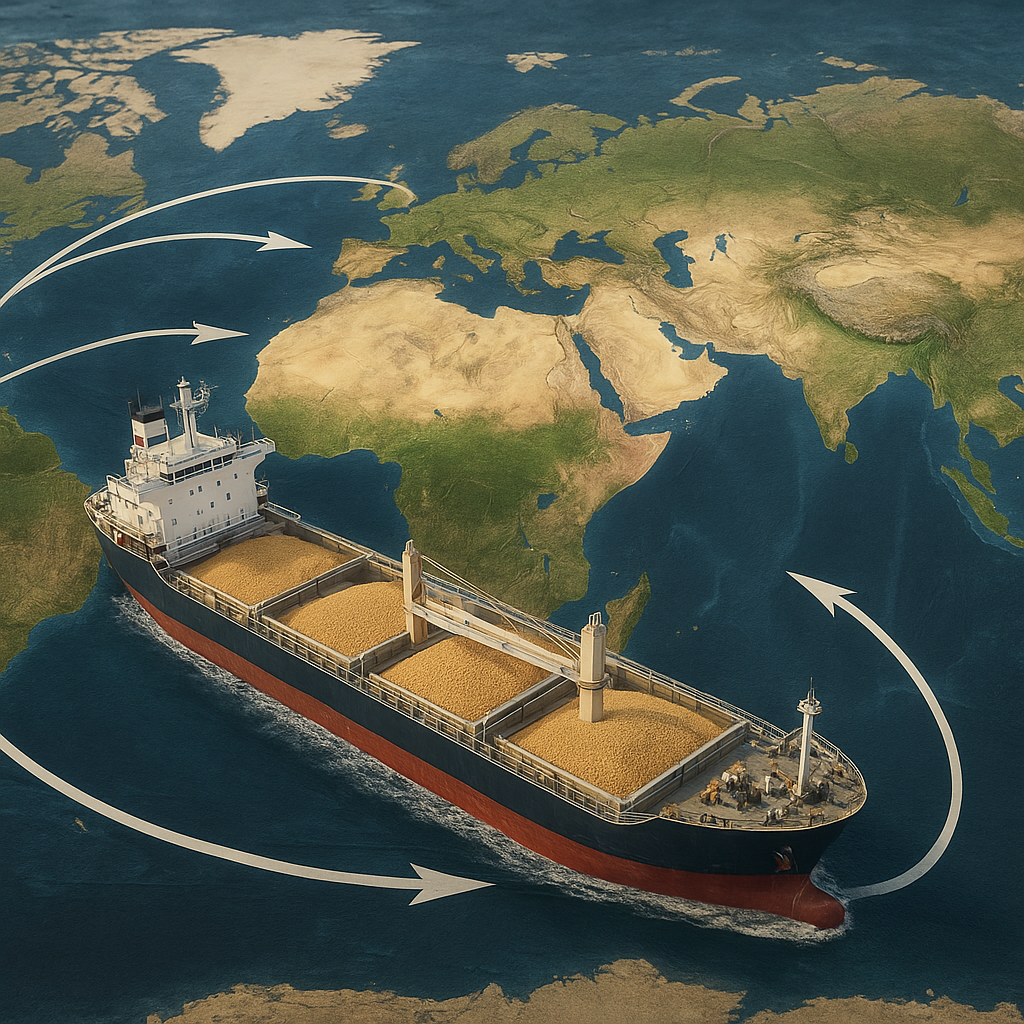





The emergence of vertical grain farming promises a transformative shift in the way we cultivate staple crops. By integrating cutting-edge systems, urban planners and agronomists are exploring solutions that address population growth, resource scarcity, and the unpredictability of weather systems. This article delves into the core aspects of this revolution, examining how innovation in agriculture might reshape global grain markets, bolster food security, and enhance environmental stewardship.
Technological Foundations of Vertical Grain Farming
At the heart of any vertical grain farming venture lies a suite of advanced systems designed to maximize productivity within confined spaces. By leveraging technology and novel growing methods, these facilities can produce high yield outputs per square meter. Key methodologies include:
- Precision lighting systems that optimize photosynthesis cycles and energy consumption.
- Controlled atmosphere chambers to regulate temperature, humidity, and CO₂ concentration with pinpoint accuracy.
- Automated seeding and harvesting robots that streamline labor requirements and improve consistency.
- Hydroponic and aeroponic setups that deliver water and nutrients directly to roots, reducing usage by up to 90% compared to traditional soil-based cultivation.
The integration of real-time sensors and AI-driven analytics allows for the continuous monitoring of plant health indicators, enabling swift corrective actions when deficiencies arise. By gathering data on moisture levels, nutrient uptake, and growth rates, managers can refine protocols to boost efficiency and maintain uniform quality across multiple tiers of grain production.
Economic and Market Implications of Grain-focused Vertical Farming
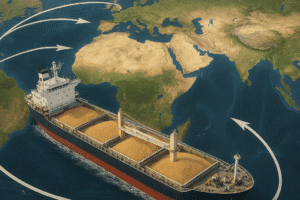
Vertical grain farming presents fresh opportunities and challenges within global commodity markets. The initial capital outlay for constructing multi-story growing facilities can be substantial, but long-term operational efficiencies and yield improvements promise attractive returns on investment. Several economic factors come into play:
- Supply chain resilience: Urban farms located near consumption hubs reduce transportation costs and spoilage risks, offering a competitive edge in fresh grain delivery.
- Price stabilization: By diversifying production locations and employing scalable modular units, producers can respond swiftly to market fluctuations, softening the impact of crop failures elsewhere.
- Market differentiation: Premium branding of sustainably grown grains can command higher prices among environmentally conscious consumers and specialty food manufacturers.
Investors are increasingly drawn to vertical grain farming startups, viewing them as a hedge against traditional agricultural uncertainties. Partnerships between tech firms, finance groups, and existing agribusinesses are fueling research and development, further accelerating commercialization efforts. However, achieving profitability requires careful calibration of operational expenses, energy costs, and labor management.
Environmental and Social Impacts
As the planet grapples with climate change and diminishing arable land, the environmental footprint of vertical grain farming is under close scrutiny. Proponents highlight several ecological benefits:
- Drastically reduced water usage compared to field cultivation, preserving precious freshwater resources.
- Minimal land conversion, protecting natural habitats and biodiversity.
- Elimination of pesticides and herbicides through closed-loop systems, resulting in cleaner run-off and healthier ecosystems.
On the social front, these urban farms can revitalize underserved neighborhoods by creating new employment opportunities centered on specialized skills such as data analysis, automated maintenance, and plant physiology. Educational programs tied to vertical farming sites foster community engagement, promoting awareness of sustainable food systems and potential career paths in agri-tech.
Nevertheless, concerns persist about energy consumption, especially in regions where electricity is predominantly fossil-fuel based. To counteract this, many vertical grain farms incorporate renewable energy sources, such as rooftop solar panels or on-site wind turbines, underscoring a commitment to carbon neutrality.
Future Prospects and Challenges
Looking ahead, the success of vertical grain farming will hinge on continuous innovation and agility. Key trends shaping the next decade include:
- Integration of advanced genetic techniques to develop grain varieties optimized for stacked-layer environments, with enhanced nutrient profiles and rapid growth cycles.
- Expansion into diversified crops beyond wheat and barley, exploring millet, quinoa, and sorghum to meet evolving dietary preferences.
- Implementation of circular economy principles by recycling nutrients, capturing waste heat, and repurposing agricultural byproducts for secondary markets such as biofuel production.
Addressing technical and economic barriers will require collaboration among policymakers, researchers, and industry leaders. Regulatory frameworks must adapt to accommodate novel farming methods, ensuring food safety standards while encouraging experimentation. Financial incentives, such as grants or tax breaks, could accelerate adoption by offsetting initial costs and spurring infrastructure development.
Ultimately, vertical grain farming embodies a paradigm shift—one that offers scalable, resilient, and environmentally conscious solutions for feeding a growing global population. By melding the precision of modern technology with sustainable practices, this approach aims to secure the future of staple crops and redefine the contours of the grain market for generations to come.