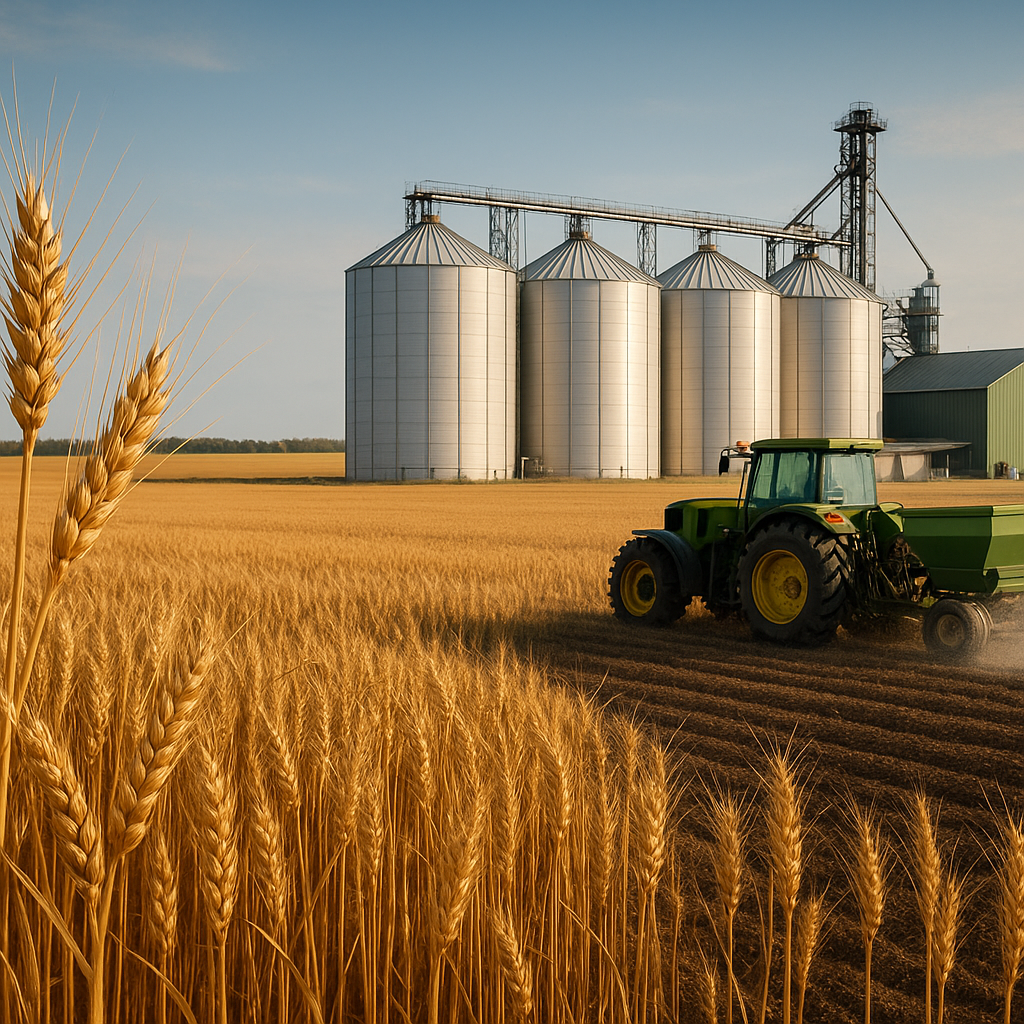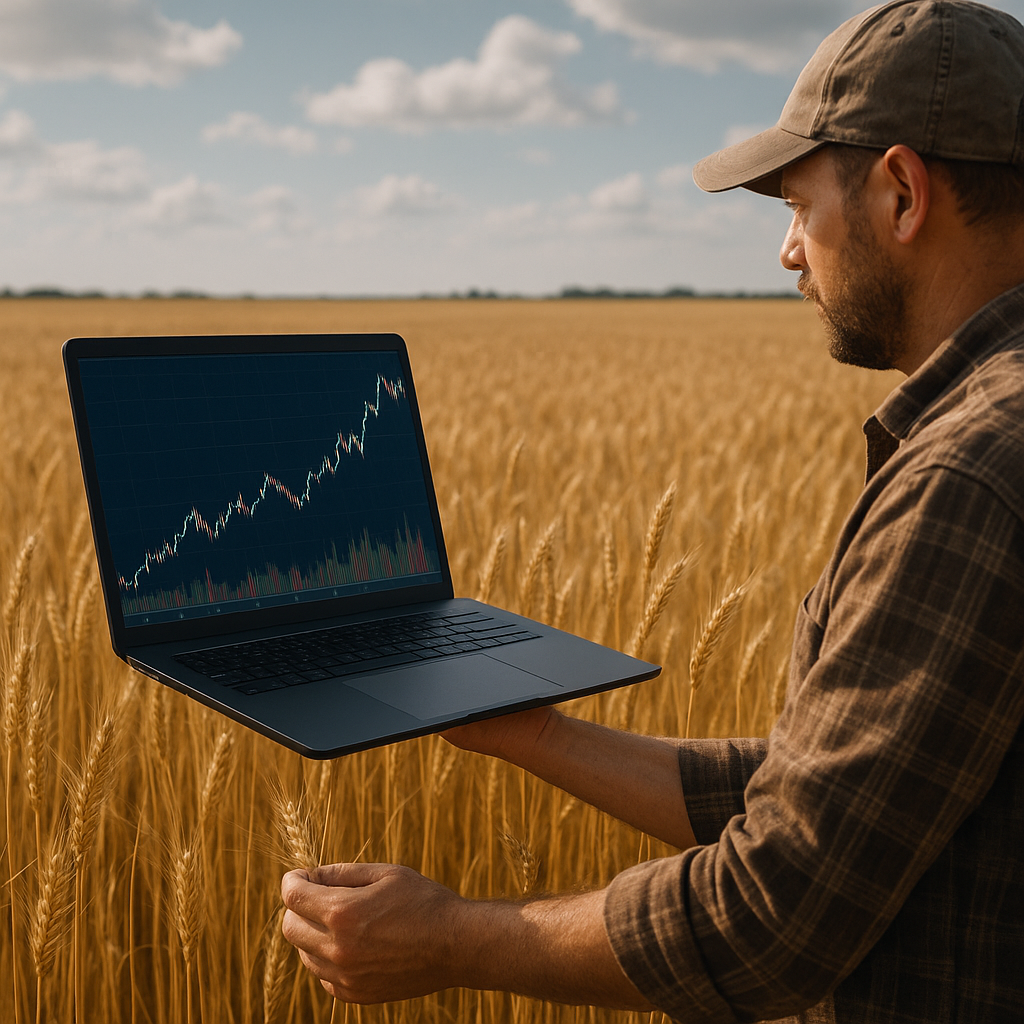
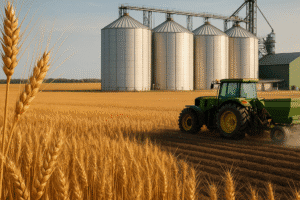


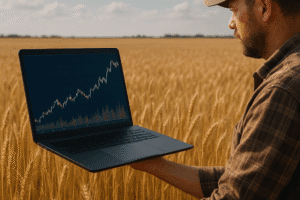

The landscape of the global grain market is undergoing a profound transformation driven by geopolitical tensions, climate variability and rapid technological progress. As stakeholders from farmers to policymakers grapple with mounting uncertainties, the contours of future regulation will determine not only price stability but also the broader objectives of equitable access and environmental stewardship. This article explores emerging trends, novel frameworks and integrative strategies that promise to reshape grain market regulation for the coming decades.
Global Trends Shaping Grain Dynamics
Market forces and policy interventions have long influenced the supply and demand of staple grains such as wheat, maize and rice. Today, multiple vectors intersect to create a highly fluid environment. Persistent weather extremes, from droughts in major producing regions to unseasonal floods, highlight the imperative of enhancing resilience across value chains. Simultaneously, shifting dietary preferences in emerging economies are altering consumption patterns, while trade disputes and export bans remain potent tools of national strategy.
Geopolitical Pressures and Trade Policies
- Export quotas and tariffs: Governments employ these tools to curb domestic price inflation or to secure strategic reserves.
- Food diplomacy: Grain shipments have become instruments of international leverage, shaping alliances and humanitarian aid.
- Regional blocs: Organizations such as Mercosur and ASEAN pursue harmonized standards to facilitate intra-bloc trade.
In this context, the interplay between market liberalization and protective measures underscores the need for transparent frameworks ensuring market stability without distorting incentives for producers.
Climate Risks and Adaptive Strategies
Climate models project growing volatility in precipitation and temperature profiles, threatening yields and storage integrity. Policymakers are responding with support for climate-smart agriculture, offering risk-sharing schemes and index-based insurance. Such programs aim to underwrite farmer incomes against crop failure and to foster sustainable practices that mitigate greenhouse gas emissions. Central to these efforts is the notion of sustainability—not merely as a buzzword but as a governance imperative.
Innovative Regulatory Frameworks
Traditional grain regulations have emphasized quotas, quality grades and sanitary standards. The next wave of policy innovation will expand into digital interfaces, enabling near real-time compliance monitoring and mutually recognized certification across borders.
Blockchain and Traceability
Distributed ledger technology offers a transparent record of every transaction in the supply chain, from seed procurement to retail distribution. By embedding unique identifiers in grain consignments, authorities and consumers can verify origin, storage conditions and processing methods. This approach boosts trust and minimizes fraud, thereby reinforcing transparency and reducing the costs associated with manual audits.
Smart Contracts and Automated Enforcement
Smart contracts—self-executing agreements encoded on blockchain—can automate tariff adjustments, enforce quality thresholds and even trigger payment disbursements upon arrival. When linked with Internet of Things (IoT) sensors in silos or transport containers, these contracts ensure compliance with temperature, humidity and pest control requirements. The result is a more agile regulatory apparatus that reacts instantly to deviations and significantly cuts bureaucratic overhead.
Technological Integration and Compliance
Beyond blockchain, a constellation of digital tools promises to redefine regulatory supervision and risk management.
Data Analytics and Early Warning Systems
Advanced analytics platforms aggregate satellite imagery, weather data and market indicators to forecast production shortfalls or logistic bottlenecks. Regulators can leverage these insights to preemptively authorize emergency imports, adjust reserve stocking or coordinate international relief. Embedding such predictive capabilities enhances biosecurity by swiftly identifying potential disease outbreaks or invasive pests before they spread.
AI-Powered Inspection and Quality Assurance
Machine learning algorithms trained on vast image libraries can instantly detect grain defects, moisture anomalies or foreign matter in shipments. Coupled with robotic sampling arms at ports and rail terminals, AI systems ensure consistent enforcement of grade standards, while speeding up clearance times. This level of precision underpins consumer confidence and elevates the efficiency of customs procedures globally.
Environmental and Social Considerations
Future regulations must strike a balance between commercial objectives and broader societal goals, including regenerative agriculture, rural livelihoods and food security.
Incorporating Ecosystem Services
Innovative policy packages are emerging that reward farmers for delivering ecosystem services such as carbon sequestration, soil regeneration and biodiversity conservation. Through nutrient trading schemes and green bonds, private capital can flow toward agricultural practices that enhance long-term landscape health. Such mechanisms prioritize innovation in cultivation methods and valorize environmental stewardship as a core market metric.
Smallholder Inclusion and Equity
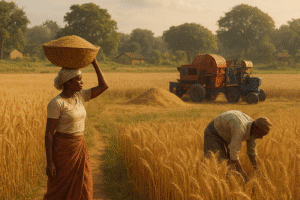
Approximately half of global grain volumes originate from small-scale farms. Regulatory blueprints of the future must ensure equitable access to credit, technologies and export channels for these producers. Digital platforms featuring micro-smart contracts allow smallholders to pool grain, negotiate better terms and comply with export quality requirements. This democratization of market participation strengthens rural economies and advances collective food security.
As the global grain ecosystem evolves, the fusion of policy foresight, digital innovation and participatory governance will chart the course toward a more stable, equitable and sustainable future. Embracing these transformations will require collaboration across public, private and civil society sectors, reinforcing the grain market’s pivotal role in nourishing both people and the planet.