



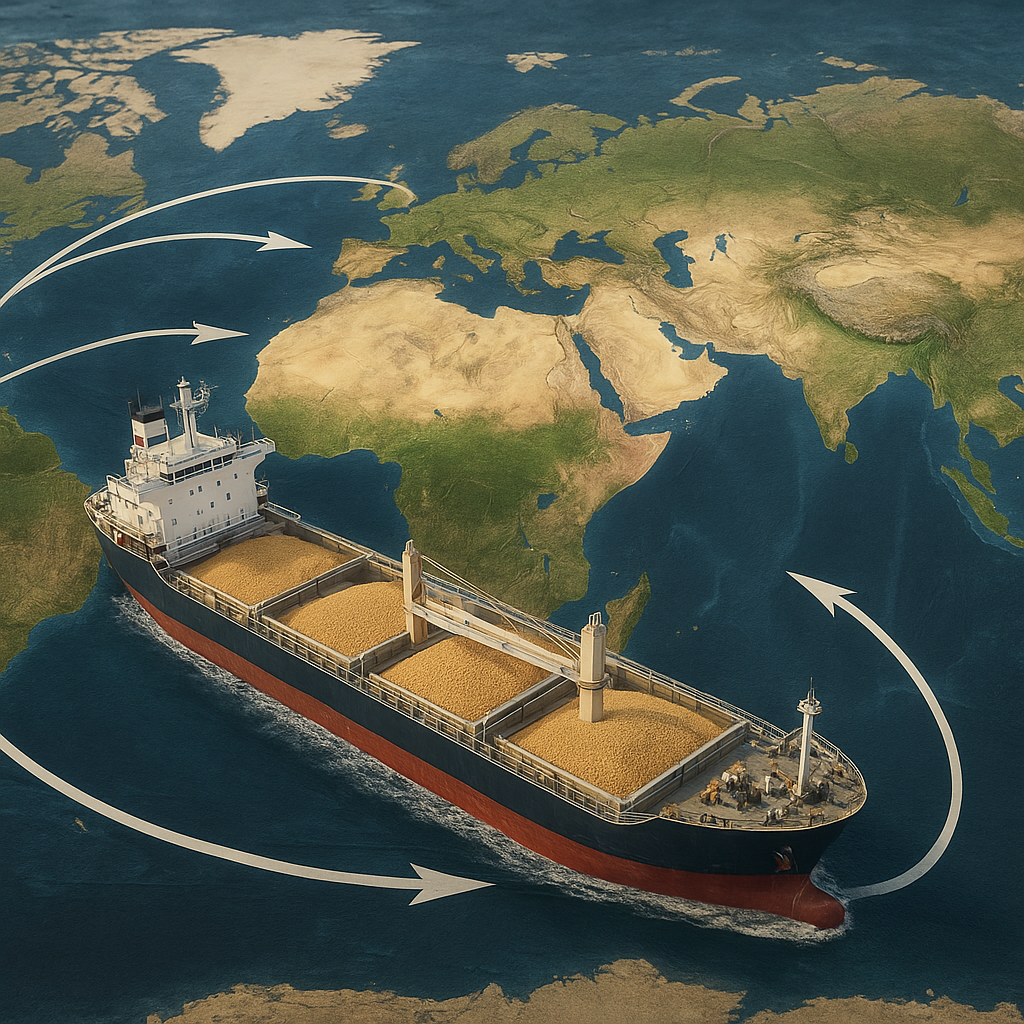
The global grain trade, a cornerstone of food security and economic stability, is undergoing transformational shifts as new routes emerge, technologies advance, and sustainability becomes a paramount concern. This article examines the evolving landscape of grain markets, highlighting how changes in supply chains, geopolitical alignments, cutting-edge innovation, and environmental imperatives will shape trade routes over the coming decades.
Evolving Grain Supply Chains and Logistics
Historical Context
For centuries, major grain exporters like the United States, Canada, Russia, and the European Union relied on traditional corridors—rivers, railways, and established sea lanes—to move wheat, corn, and barley to global markets. These routes were defined by colonial trade patterns, port capacities, and the stability of overland connections. In the latter half of the 20th century, containerization and the proliferation of bulk carriers revolutionized the movement of grains, reducing costs and transit times. Yet, the system remained vulnerable to bottlenecks in key choke points such as the Bosporus Strait, the Suez Canal, and the Panama Canal.
Modern Logistics Networks
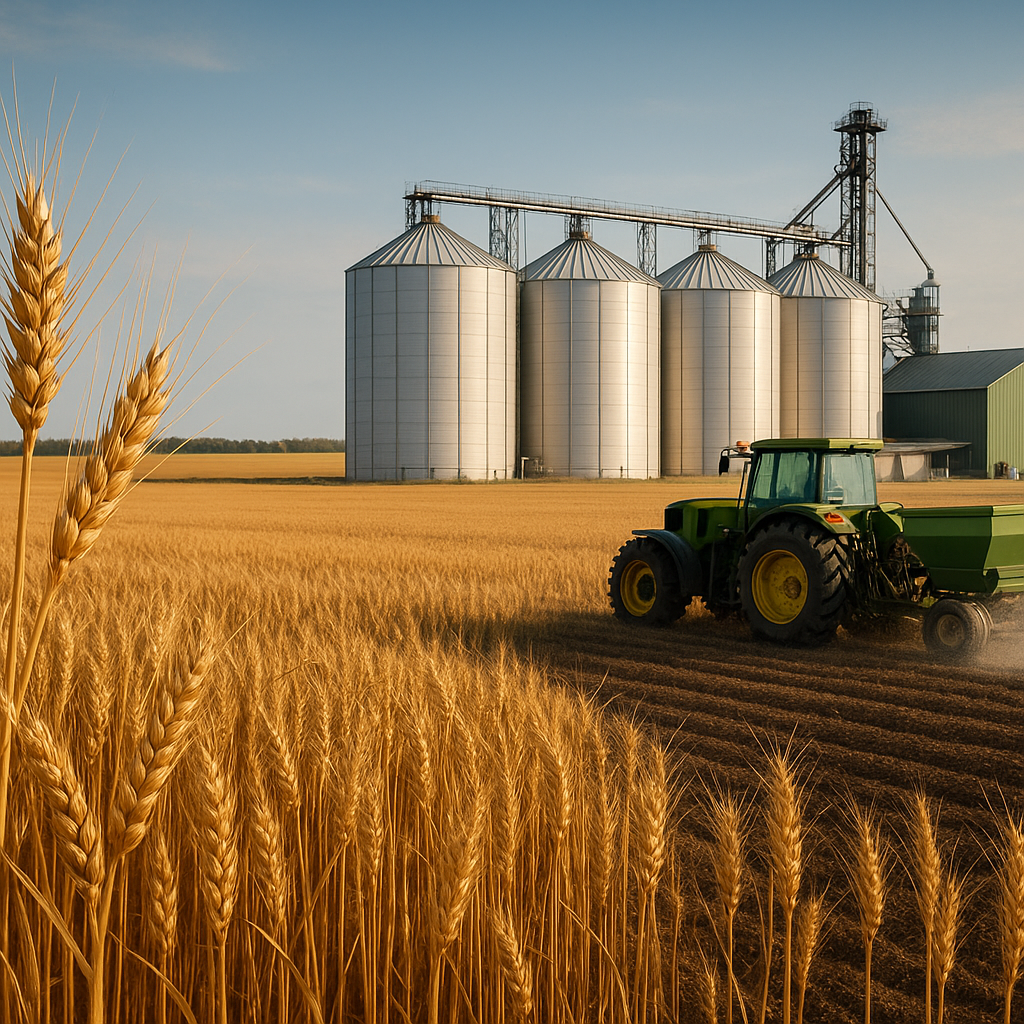
Today’s grain trade hinges on an intricate web of multimodal transport solutions. Efficient logistics hubs integrate rail terminals with deepwater ports, while inland barge systems connect flood-prone agricultural basins to coastal export terminals. Countries are investing in high-capacity silos, automated loading systems, and rail upgrades to boost throughput. Public–private partnerships are funding new grain corridors that promise faster turnarounds and reduced handling losses.
- Expansion of rail gauge interoperability across borders
- Upgrades to port infrastructure for Panamax and post-Panamax vessels
- Enhanced digital tracking for real-time cargo visibility
- Integration of inland waterways into national transport grids
These measures aim to increase efficiency and mitigate risks associated with climatic events, equipment breakdowns, and labor disruptions.
Emerging Trade Corridors and Geopolitical Dynamics
New Routes Across Eurasia
The revival of overland corridors linking China and Europe has broad implications for grain exporters. The China–Europe rail network, part of the Belt and Road Initiative, offers a shorter transit time than maritime routes, especially for northbound grain flows from Ukraine and Kazakhstan. While rail rates remain higher than sea freight, the reliability and speed appeal to buyers seeking to hedge against shipping delays. As Central Asian nations expand rail capacity, transit volumes of barley, millet, and sorghum could surge.
African and South American Opportunities
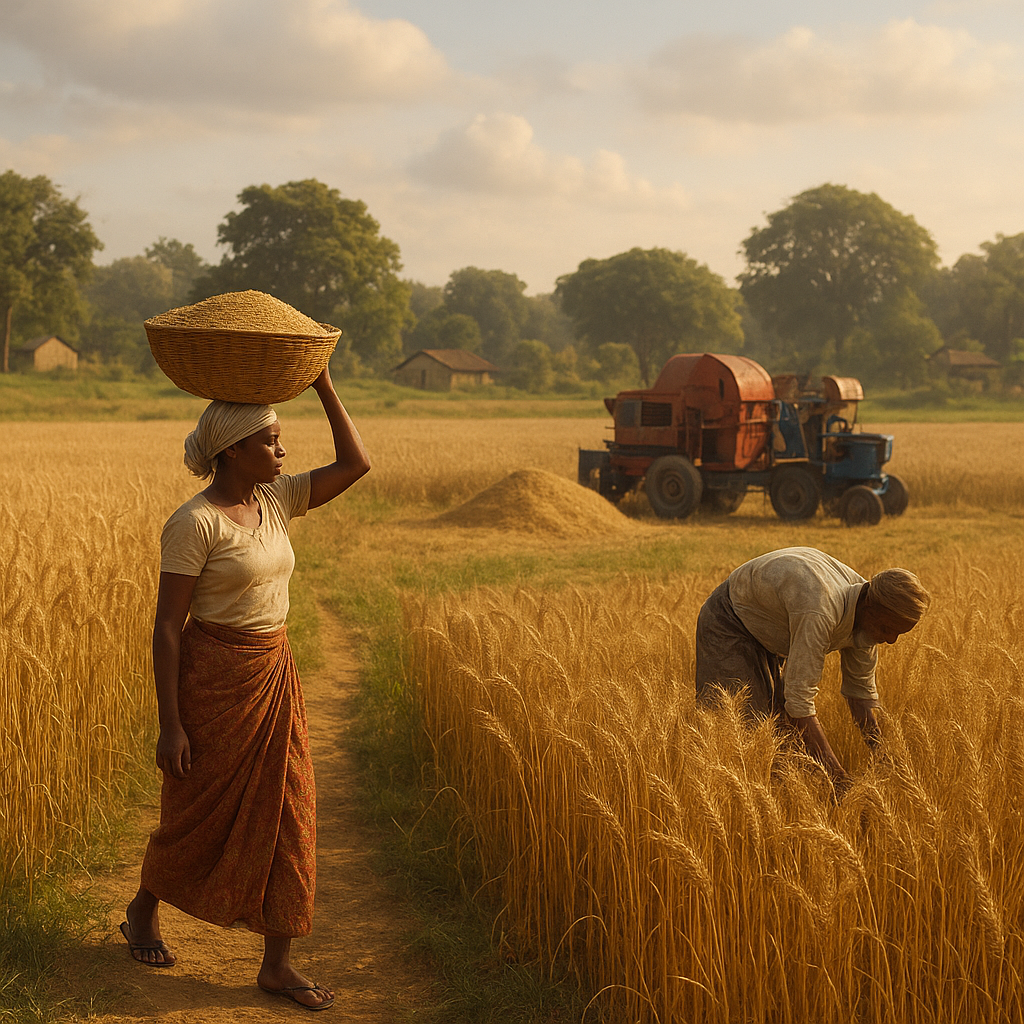
Africa’s grain imports have skyrocketed as populations grow and domestic production struggles to keep pace. The expansion of West African deepwater ports combined with Chinese-funded rail lines could transform coastal hubs in Senegal and Nigeria into major grain entrepôts. In South America, Brazil and Argentina are deepening ties with Asia-Pacific markets. Investments in port terminals along the Paraná–Plata waterway and upgraded rail links to the Pacific coast unlock new routes for soymeal and wheat shipments to Indonesia and Malaysia.
- Strengthened geopolitical alliances influencing export quotas
- Regional free-trade agreements reducing tariffs on agricultural products
- Strategic stockpiling in transit hubs to cushion against supply shocks
Technological Innovations Shaping Grain Markets
Digitalization and Transparency
Blockchain platforms and Internet of Things (IoT) sensors are increasing transparency in grain trade. From the moment grains leave farm silos to final delivery, stakeholders can monitor quality parameters—moisture levels, temperature, and spoilage risks—in real time. These innovations reduce disputes over cargo conditions and lower insurance costs. Market participants can leverage smart contracts to automate payments once a shipment meets predefined criteria, accelerating cash flow and mitigating counterparty default.
Automation in Storage and Transportation
Robotic systems for loading and unloading bulk carriers minimize manual intervention, boosting safety and turnaround times at ports. Automated guided vehicles (AGVs) ferry grain bags within terminals, while drones conduct inventory surveys in vast grain yards. On the water, autonomous barges are in trial phases along the Mississippi River and the Rhine, offering a glimpse into maritime transport’s future. These unmanned vessels promise fuel savings, reduced labor costs, and more consistent scheduling.
- Use of machine learning for predictive maintenance of loaders and conveyors
- Deployment of handheld scanning devices for on-the-spot quality grading
- Integration of AI-driven demand forecasting with procurement platforms
Sustainability and Future Resilience
Climate-Smart Agriculture
As climate volatility intensifies, grain producers must adopt sustainability measures to ensure stable yields. Precision agriculture—using satellite imagery, variable-rate seeding, and micro-dosing of fertilizers—maximizes output while minimizing environmental footprint. Conservation tillage and cover cropping enhance soil health, sequester carbon, and reduce erosion. When these practices become mandatory criteria for trade agreements, exporters will gain access to premium markets that value resilience and environmental stewardship.
Decarbonizing the Value Chain
The grain sector’s carbon footprint extends from fertilizer production to long-haul shipping. Initiatives to power elevators with renewable energy, electrify rail locomotives, and deploy biofuels in bulk carriers are gaining momentum. Several global grain traders have pledged net-zero greenhouse gas emissions by 2050, investing in carbon capture and offset projects. These commitments are reshaping procurement policies, as importers increasingly prefer suppliers with robust decarbonization roadmaps.
- Investments in wind and solar arrays at grain terminals
- Trial runs of hydrogen-powered locomotives for short-haul rail
- Collaborative platforms to trade carbon credits among agribusinesses
By fostering a culture of continuous improvement and cross-industry collaboration, the grain trade can meet rising demand while safeguarding the planet. The interplay of advanced digitalization, efficient infrastructure, and forward-looking policy frameworks will determine which nations emerge as dominant players on the global stage. In this dynamic environment, stakeholders who embrace innovation and prioritize long-term sustainability will shape the future of grain trade routes for decades to come.