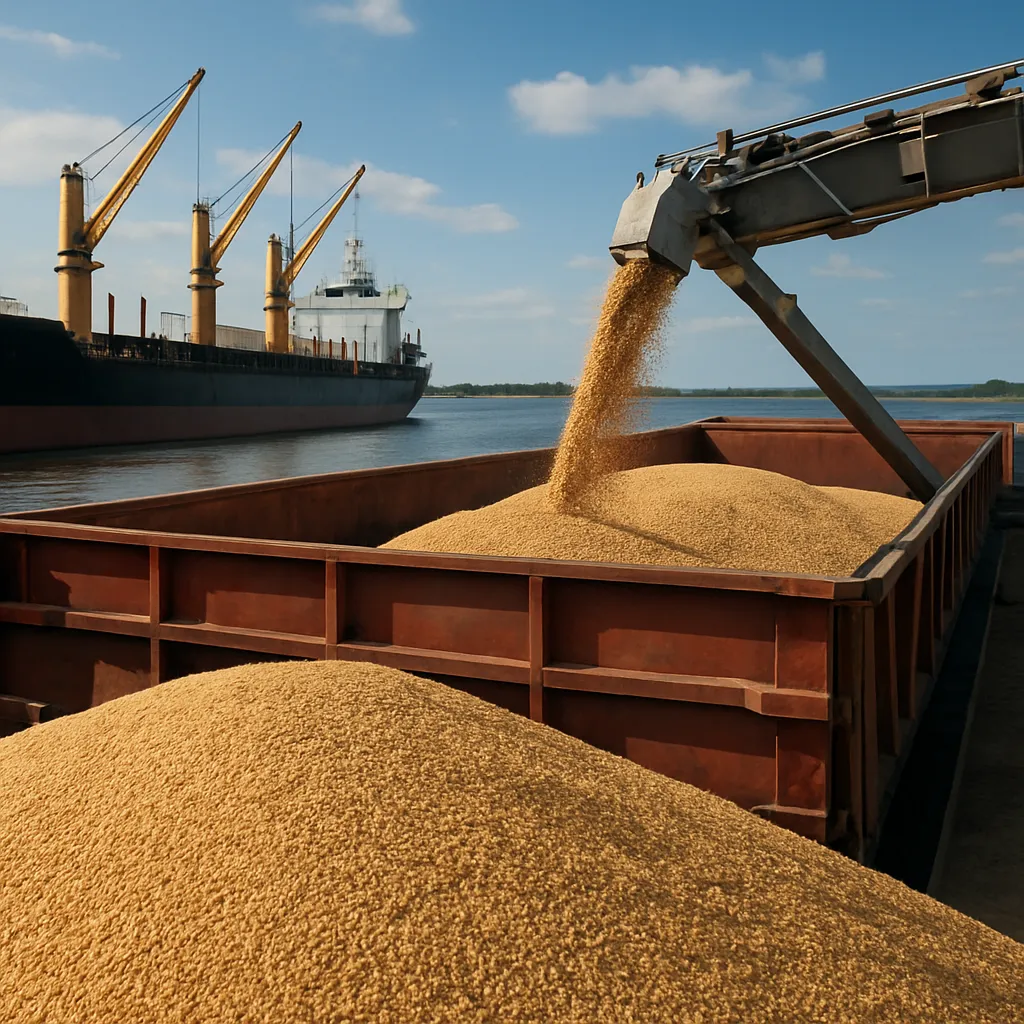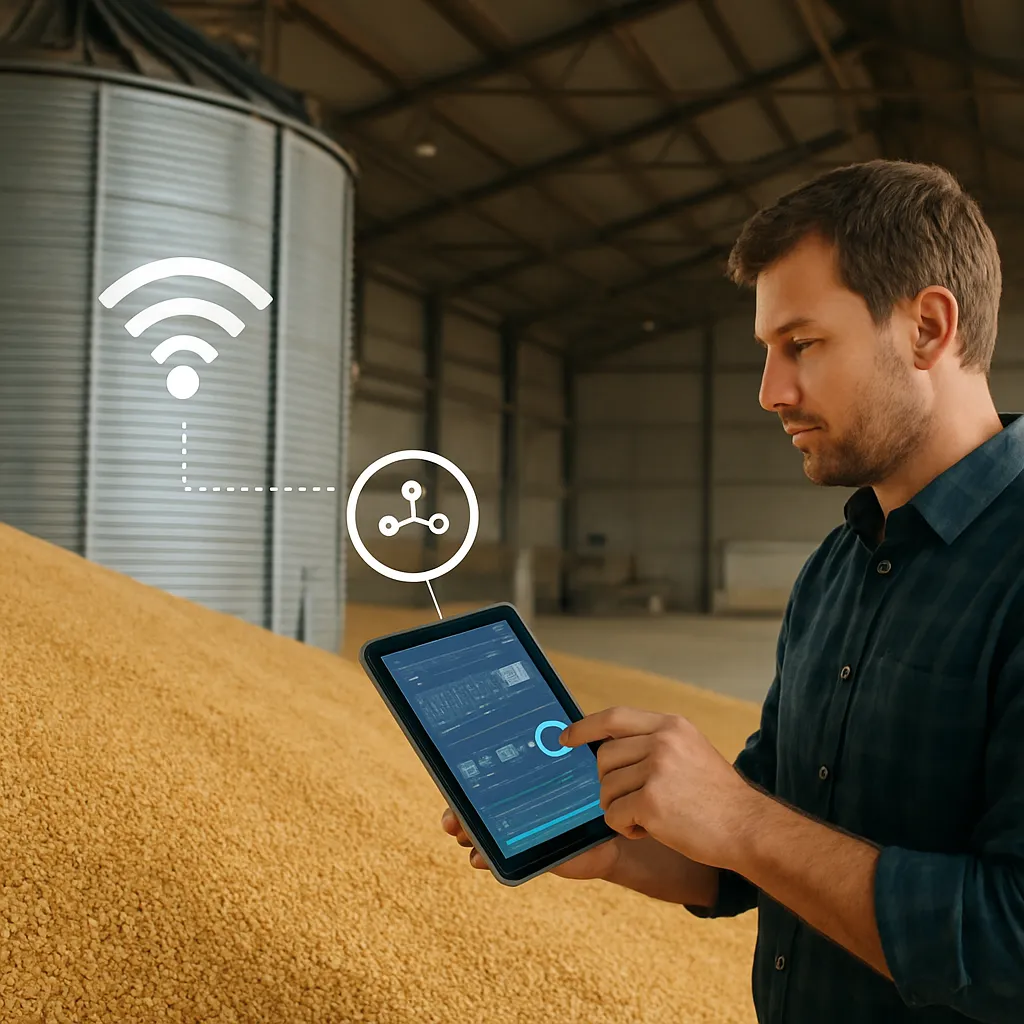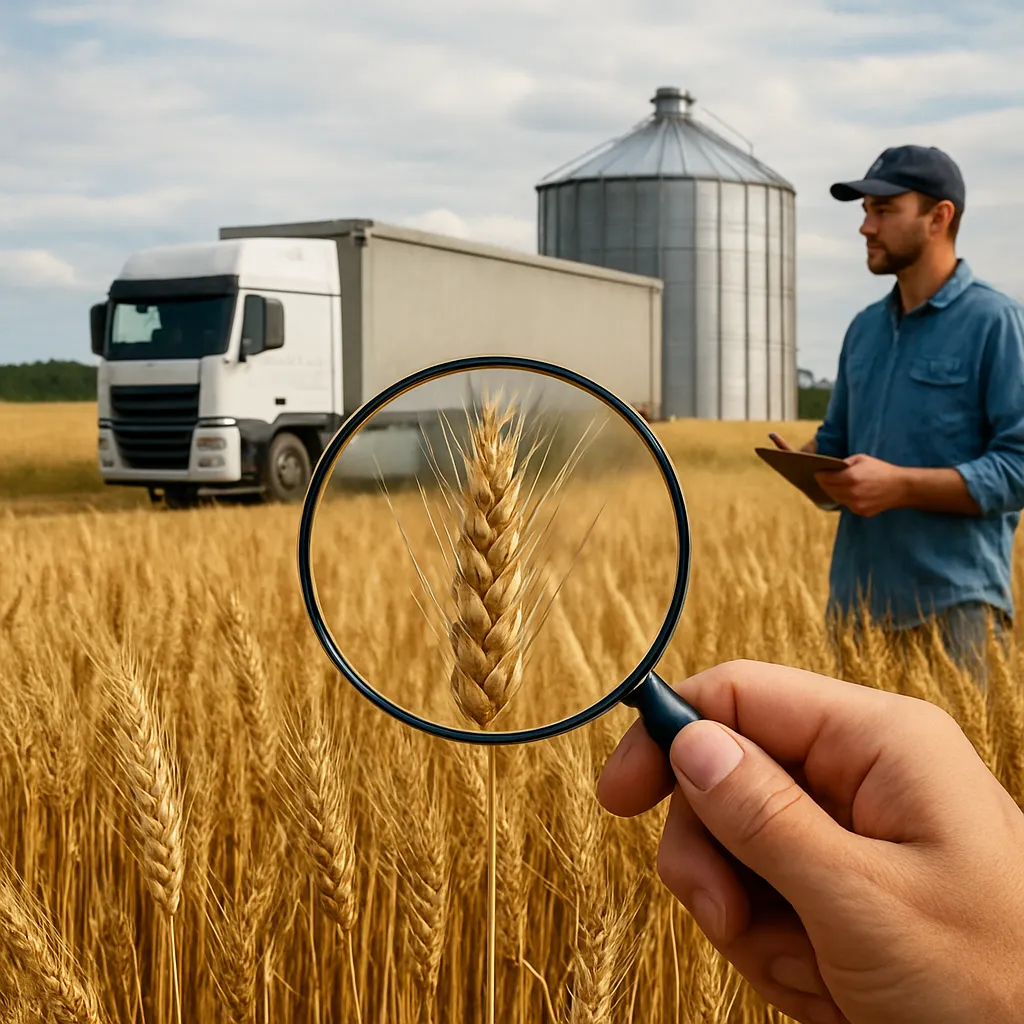


The Future of Digital Grain Marketplaces explores the transformative trends reshaping the global grain trade. As stakeholders embrace new technologies and evolving regulations, an interconnected ecosystem emerges, promising greater transparency, enhanced efficiency, and improved access to vital data. From seed to silo, digital solutions are redefining how farmers, traders, processors, and consumers interact across the supply chain.
Market Evolution and Drivers
The traditional grain trade has long relied on manual paperwork, phone calls, and fragmented communication channels. Over time, digital platforms have addressed critical pain points by centralizing information and simplifying transactions. Key drivers behind this shift include:
- Globalization: With growing demand in emerging markets, producers must navigate complex export processes and currency fluctuations.
- Data Accessibility: Real-time data on weather, crop yields, and market prices equips stakeholders to make informed decisions.
- Regulatory Changes: Governments worldwide are imposing stricter quality controls and traceability requirements.
- Risk Management: Digital tools help manage price volatility, credit exposure, and logistical bottlenecks.
From Manual to Automated Workflows
Legacy processes often involve paper-based contracts and siloed record-keeping systems. By contrast, modern platforms integrate:
- Electronic contract execution and digital signatures
- Automated quality inspection reports
- Shipment tracking with GPS and IoT sensors
- Blockchain-based traceability records
Such capabilities reduce errors, accelerate turnaround times, and foster trust among participants.
Technological Innovations Shaping the Landscape
Emerging technologies are driving the next wave of transformation in grain marketplaces. Key innovations include:
Blockchain and Distributed Ledgers
Blockchain offers immutable records of every transaction, from farm gate to end consumer. By timestamping events, platforms deliver end-to-end visibility and guard against fraud. Benefits include:
- Traceability: Consumers can verify origin and quality claims.
- Smart Contracts: Automated payments release upon verification of delivery milestones.
- Enhanced security through decentralized consensus.
Artificial Intelligence and Predictive Analytics
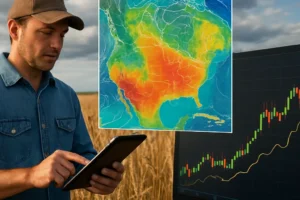
AI-driven models process vast datasets—covering weather patterns, satellite imagery, and historical yield data—to forecast crop output and price trajectories. These insights enable:
- Dynamic pricing strategies
- Optimized inventory management
- Early warning systems for pest outbreaks or extreme weather events
Internet of Things (IoT) and Smart Logistics
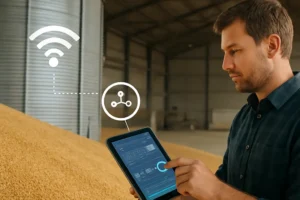
IoT sensors embedded in silos, trucks, and shipping containers continuously monitor temperature, humidity, and location. Integration with digital platforms ensures:
- Real-time alerts for spoilage risks
- Automated compliance reporting
- Seamless coordination between carriers and warehouses
Challenges and Opportunities
Transitioning to digital grain marketplaces presents both hurdles and prospects. Understanding these factors is crucial for stakeholders seeking to capitalize on modern platforms.
Data Quality and Standardization
Inconsistent data formats and varying measurement standards can impede seamless information exchanges. To address this, industry consortia are working on unified schemas and:
- Interoperability frameworks
- Standardized quality grading scales
- Common APIs for data sharing
Infrastructure Gaps and Connectivity
Rural regions with limited internet access pose a barrier to digital adoption. Stakeholders are investing in:
- Satellite-based connectivity solutions
- Offline-capable mobile applications
- Local data hubs to cache and sync records when online
Regulatory Compliance and Traceability
Governments worldwide demand rigorous documentation of pesticide use, GMO status, and environmental impact. Digital platforms simplify compliance by:
- Recording chemical applications in immutable ledgers
- Tracking carbon footprints across the supply chain
- Generating automated reports for certifying bodies
Stakeholder Adoption and Skill Development
Effective use of these advanced technologies requires upskilling across the value chain. Programs focus on:
- Training farmers and agronomists on IoT sensor deployment
- Educating traders and logistics providers on platform integration
- Offering digital literacy courses for smallholder communities
Emerging Business Models and Value Propositions
Innovative marketplace models are redefining how participants engage and capture value. Key approaches include:
Peer-to-Peer Trading Networks
Decentralized platforms empower farmers to list their grain directly, bypassing intermediaries. Advantages include:
- Higher margins for producers
- Competitive pricing driven by transparent bids
- Direct communication between buyer and seller
Subscription-Based Storage and Financing
New services offer flexible storage contracts combined with working capital loans. Using digital collateral tracking, lenders can:
- Disburse funds against stored grain
- Adjust interest rates based on market movements
- Mitigate default risk through real-time inventory visibility
Integrated Value Chain Platforms
End-to-end solutions bring together farming inputs, processing, logistics, and trading under one roof. Core features include:
- Embedded procurement of seeds and fertilizers
- Quality assurance tools for millers
- Retail distribution networks for branded grain products
Future Trajectories and Strategic Insights
As the digital grain ecosystem matures, several trends will shape its evolution:
- Sustainability Focus: Consumers and regulators will demand greener practices, driving platforms to incorporate carbon tracking and regenerative agriculture credits.
- Data Monetization: Farmers will gain new revenue streams from selling anonymized yield and soil data to research institutions.
- Interoperability Hubs: Cross-border grain flows will rely on shared digital infrastructure to reduce friction in customs and quality certification.
- AI-Enabled Decision Support: Advanced machine learning models will offer prescriptive advice on planting, harvesting, and market timing.
- Collaboration Maps: Consortiums of stakeholders will co-develop open-source tools to drive down costs and accelerate innovation.
Ultimately, the convergence of blockchain, AI, IoT, and seamless logistics promises a more resilient, inclusive, and transparent grain marketplace. Industry players that embrace these technologies stand to unlock new efficiencies, tap into emerging markets, and build stronger relationships across the supply chain.