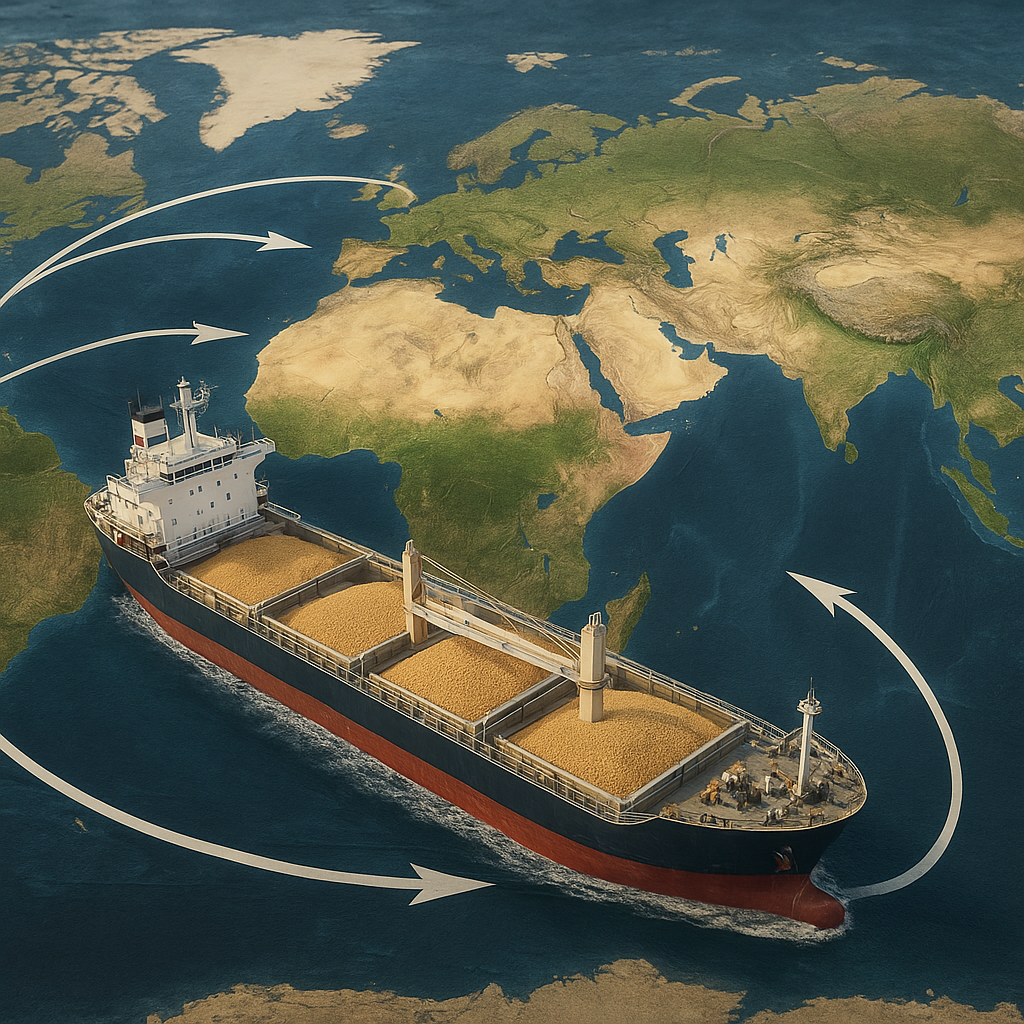



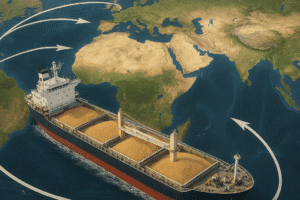
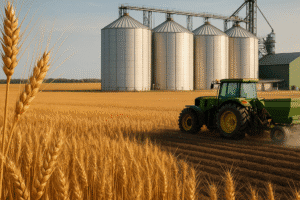



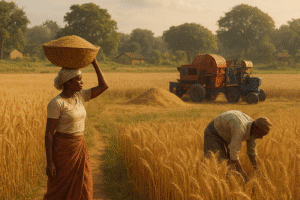
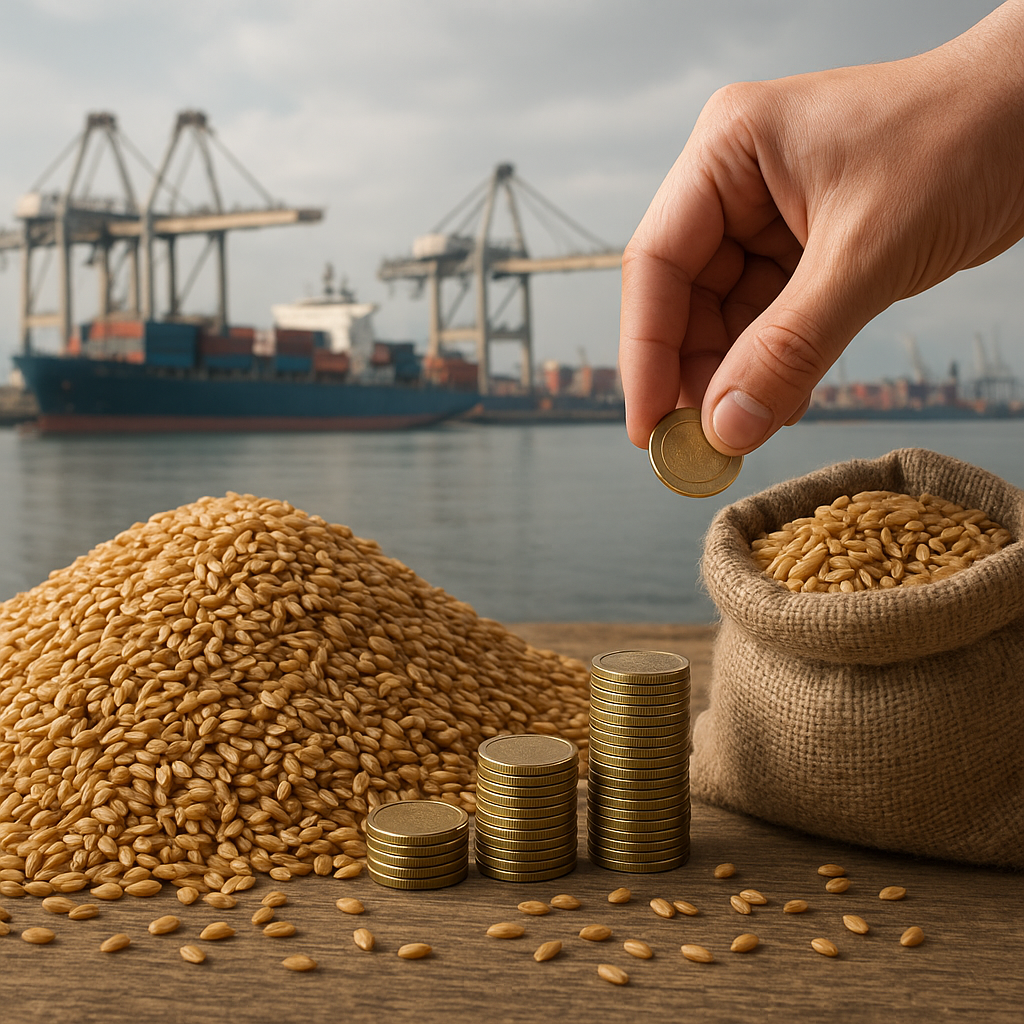
The shift towards grain import substitution has emerged as a critical strategy for many nations seeking to enhance food security, stabilize domestic markets, and reduce dependence on volatile international supply chains. This article delves into the multifaceted economics behind grain import substitution, examining its foundations, market dynamics, and policy implications. By exploring the drivers, challenges, and strategic considerations, we aim to shed light on how countries can foster self-sufficiency while navigating global trade pressures.
Economic Foundations of Grain Import Substitution
Supply-Demand Balance in Domestic Agriculture
Achieving a balance between domestic production and consumption is at the heart of import substitution. When local output lags behind demand, governments face heightened price volatility and potential social unrest. Boosting domestic yields requires investment in:
- Modern farming technologies (precision agriculture, irrigation systems)
- Improved seeds and fertilizers targeting regional climates
- Extension services and farmer training on best practices
Cost-Benefit Analysis of Local Production
Decision-makers often conduct a thorough cost-benefit assessment to compare:
- Marginal cost of domestic cultivation versus import prices
- Opportunity costs linked to land use and water resources
- Environmental externalities, including soil degradation and sustainability concerns
Governments use these analyses to determine whether subsidizing local farmers or imposing import tariffs yields a net welfare gain for society.
Market Dynamics and International Trade
Impact of Tariffs and Quotas
Protectionist measures such as tariffs and quotas directly affect the price structure of imported grain. While they can shield domestic producers, they also risk:
- Higher consumer prices
- Retaliatory trade measures from partner countries
- Market distortions that discourage long-term competitiveness
Policymakers must weigh short-term gains against potential losses in export markets.
Role of Subsidies and Incentives
Government support in the form of direct payments, tax breaks, or subsidized credit can accelerate the adoption of higher-yielding practices. Key considerations include:
- Targeting smallholder farmers versus large agribusinesses
- Ensuring risk management tools for price or weather shocks
- Monitoring for budgetary sustainability and avoiding market crowding-out effects
Global Price Signals and Import Dependence
International commodity prices serve as powerful incentives. A spike in world grain prices may:
- Send signals to expand local planting areas
- Encourage speculative stockpiling by private traders
- Trigger temporary subsidy schemes to shield consumers
Conversely, depressed global prices can undermine local production and lead to a resurgence in import dependence.
Policy and Strategic Implications
Diversification of Grain Sources
Rather than relying solely on domestic output, many countries pursue a diversified import portfolio to improve resilience. Strategies include:
- Long-term contracts with multiple exporting nations
- Participation in regional grain reserves and emergency stocks
- Investment in maritime and overland transport infrastructure
Investment in Infrastructure and Logistics
Efficient storage, processing, and distribution networks are essential to realize the benefits of import substitution. Critical areas for development include:
- Modern silos with temperature and humidity control
- Rail and port upgrades to minimize turnaround times
- Digital platforms for real-time supply chain monitoring
Environmental and Social Considerations
Scaling up domestic grain production can raise environmental issues such as water depletion and pesticide overuse. A balanced approach emphasizes:
- Sustainability standards in land management
- Promotion of agroecological methods and organic farming
- Equitable distribution of benefits to rural communities
Long-Term Strategic Outlook
Import substitution is not merely a stopgap measure; it can form part of a broader strategy toward agricultural modernization. Key elements include:
- Continuous research and development into drought-tolerant and high-protein grain varieties
- Institutional reforms to streamline land tenure and credit access
- Regional partnerships to foster collective food security in the face of climate challenges
Conclusion
The economics of grain import substitution demand a fine-tuned interplay between market incentives, policy instruments, and strategic foresight. By carefully calibrating tariffs, subsidies, and infrastructure investments, nations can enhance their self-sufficiency, mitigate price swings, and build a more sustainable agricultural future without sacrificing access to global markets.