

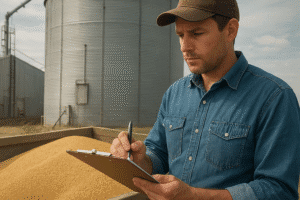
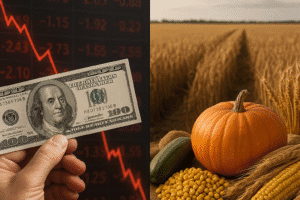
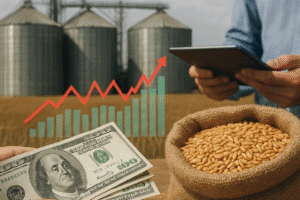

The Connection Between Grain Markets and Food Security explores how global trade, local production, and strategic interventions intertwine to influence the availability and affordability of staple foods. This analysis delves into the underlying forces that drive grain prices, the resilience of supply chains, and the measures needed to safeguard food security in an era of heightened uncertainty.
Market Dynamics in Global Grain Trade
Price Volatility and Speculation
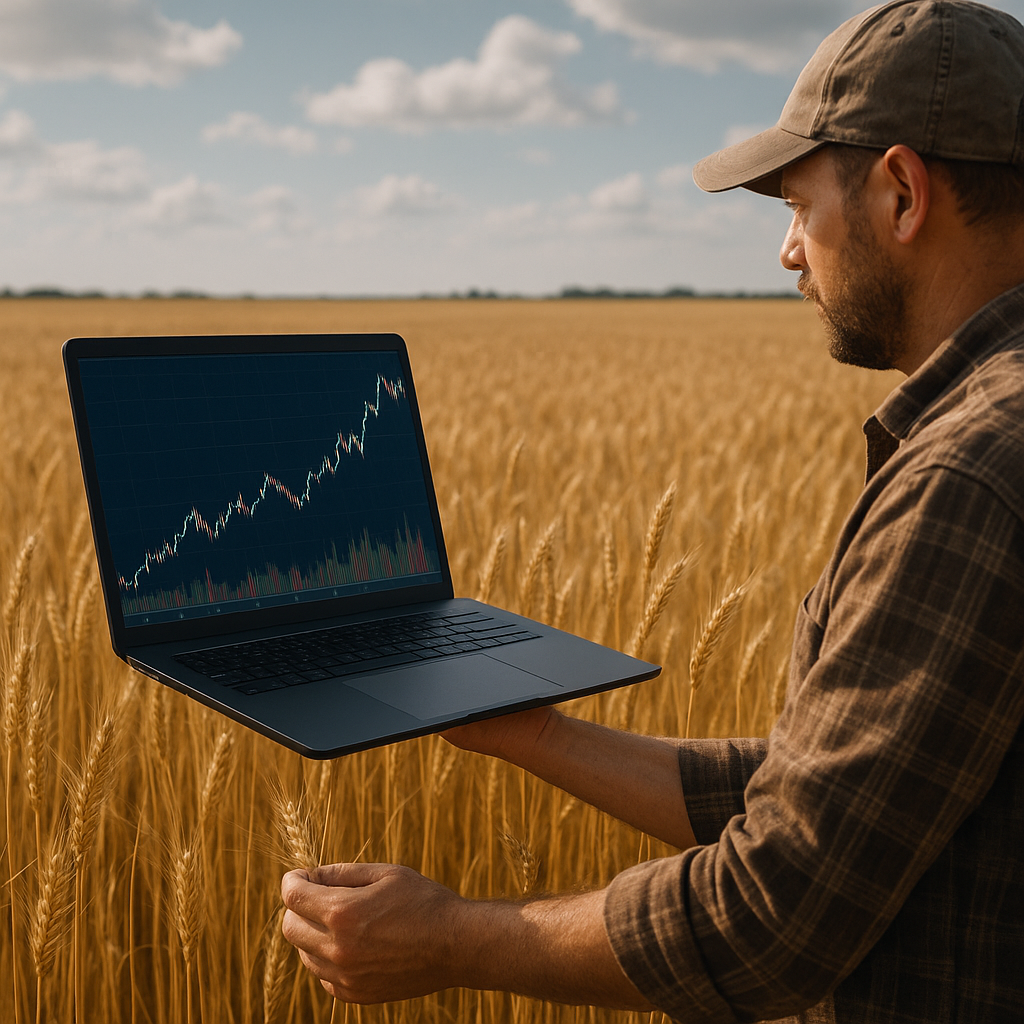
Grain markets are notorious for their volatility, driven by factors such as weather shocks, geopolitical tensions, and speculative trading. Sudden shifts in temperature or unexpected droughts can cause production shortfalls, triggering rapid price hikes. At the same time, financial speculators seeking quick returns may amplify those price swings, exacerbating risks for small-scale farmers and low-income consumers.
- Weather-driven supply shortages
- Increased activity by commodity investors
- Impact on futures contracts and spot prices
Role of Major Exporters and Importers
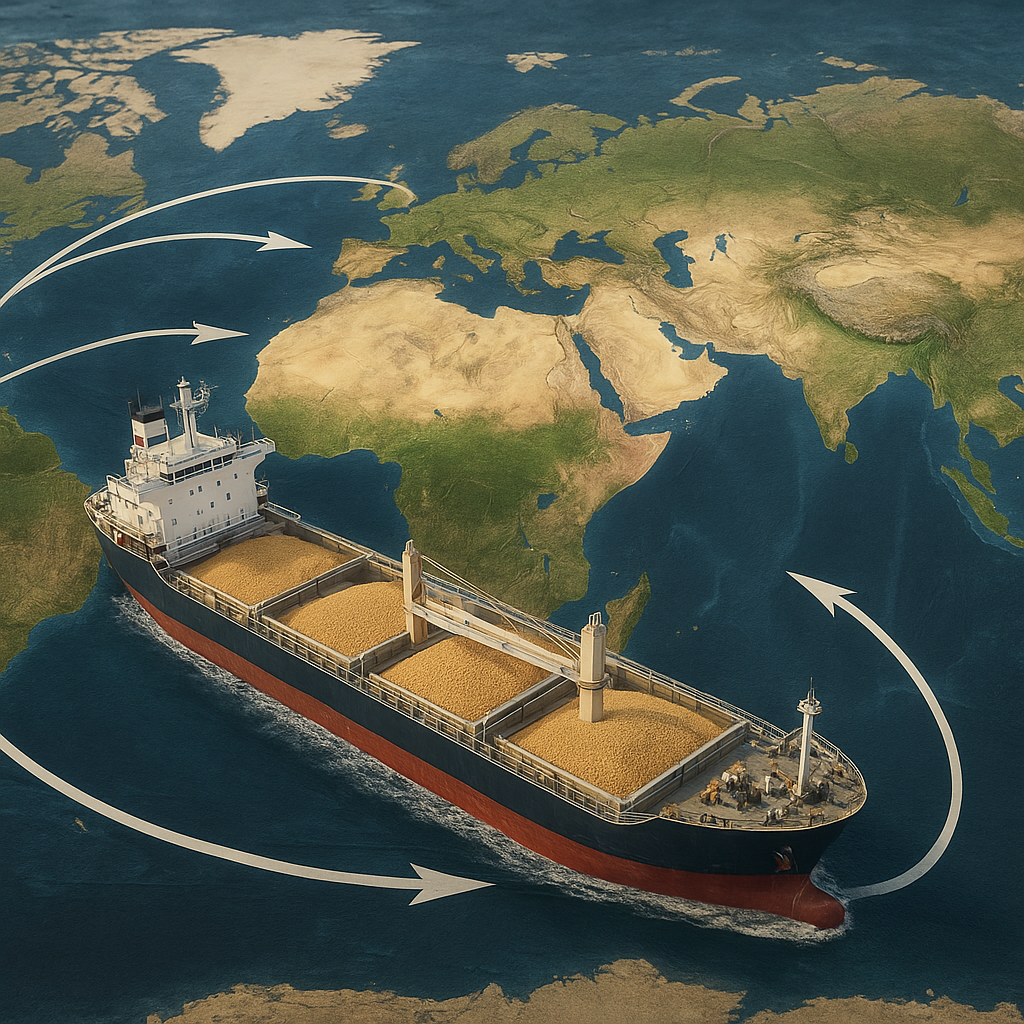
Certain countries wield outsized influence on global grain flows. Export giants such as the United States, Russia, and Argentina can sway world prices by adjusting export quotas or tariffs. Meanwhile, import-dependent nations—often in Africa, the Middle East, and parts of Asia—face heightened vulnerability to external policy changes. This dynamic underscores the importance of balanced trade relations and transparent information sharing.
Resilience of Supply Chains and Distribution
Infrastructure and Logistics Challenges
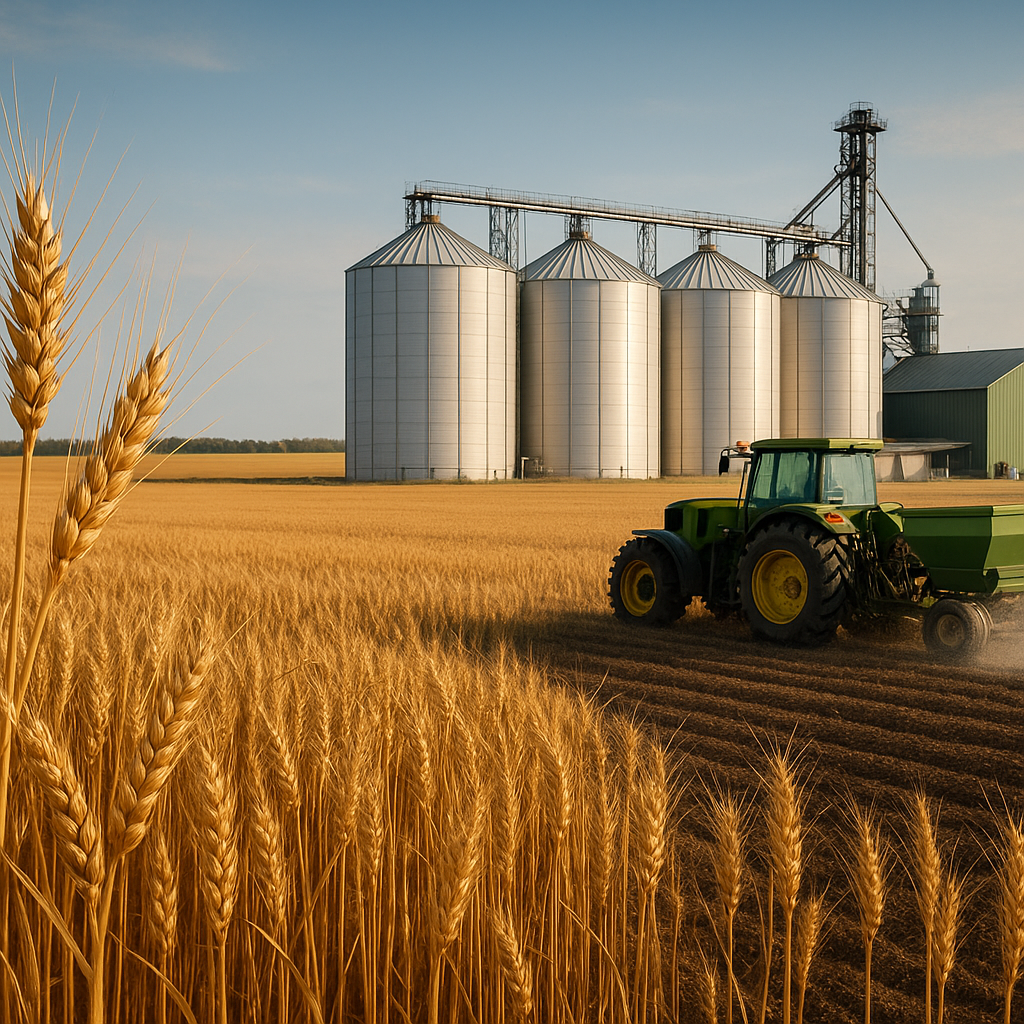
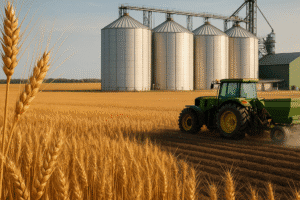
Efficient transportation and storage are critical for stabilizing grain availability. Poorly maintained roads, limited rail capacity, and inadequate port facilities can create bottlenecks that disrupt supply chains. Quality losses during transit—due to pests, moisture, or spoilage—further undermine both producers and end-users. Investments in modern silos, refrigerated containers, and digital tracking systems can mitigate these losses and enhance transparency.
Smallholder Integration and Market Access
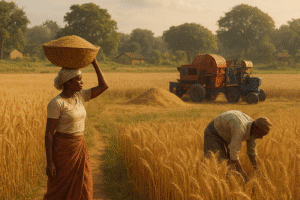
Millions of smallholder farmers contribute a significant share of global grain output. However, many lack reliable access to formal markets, credit facilities, and extension services. Without integration into established value chains, these growers cannot capitalize on price improvements or hedge against adverse conditions. Promoting cooperatives, mobile trading platforms, and microfinance solutions helps bridge the gap between rural producers and urban demand centers.
Impact on Food Security and Nutrition
Affordability and Household Diets
Rising grain prices directly affect household budgets, forcing vulnerable families to substitute diverse diets with cheaper staples. Such dietary shifts can lead to malnutrition, stunting in children, and long-term health consequences. Ensuring stable grain supplies—through well-calibrated reserves and targeted subsidies—remains crucial for preserving nutritional standards across socio-economic strata.
Strategic Reserves and Emergency Response
Government-held grain reserves serve as shock absorbers during crises. When domestic production falters or import costs soar, these stockpiles can be released to stabilize local markets and counter speculative hikes. Effective reserve management requires transparent release protocols, regular quality assessments, and coordination with humanitarian agencies to deliver relief where it is most needed.
Policy Measures and Future Outlook
Regulatory Frameworks and Trade Agreements
Sound policy frameworks are essential for harmonizing domestic objectives with international commitments. Regional trade agreements can lower barriers, foster diversification of supply sources, and reduce dependency on a few exporters. Yet overly restrictive export bans or high import duties risk fragmenting global markets and diminishing overall resilience.
Innovations in Sustainable Production
Pursuing agricultural sustainability minimizes environmental footprints while ensuring long-term yields. Techniques such as precision farming, drought-resistant seed varieties, and integrated pest management boost productivity and resource efficiency. Additionally, adopting circular economy practices—like converting grain by-products into animal feed or bioenergy—enhances overall value extraction from each harvest.
Risk Management and Digital Solutions
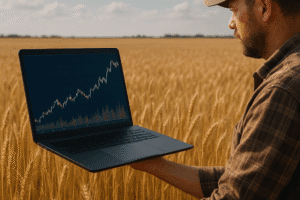
Emerging digital platforms offer real-time price data, weather forecasts, and buyer-seller matchmaking, empowering stakeholders with actionable insights. Coupled with tailored risk management instruments—such as weather-indexed insurance and forward contracts—these tools fortify the ability of farmers and traders to anticipate challenges and secure stable revenues.
Building Inclusive and Adaptive Systems
Ensuring equitable access to grain and achieving global food security demands collaborative efforts across public, private, and non-governmental sectors. By integrating smallholders, modernizing logistics, and aligning policy incentives, stakeholders can craft resilient systems capable of withstanding future shocks. Continued investment in research, capacity-building, and transparent governance will be vital to navigate the evolving landscape of grain trade and safeguard the nutritional well-being of populations worldwide.