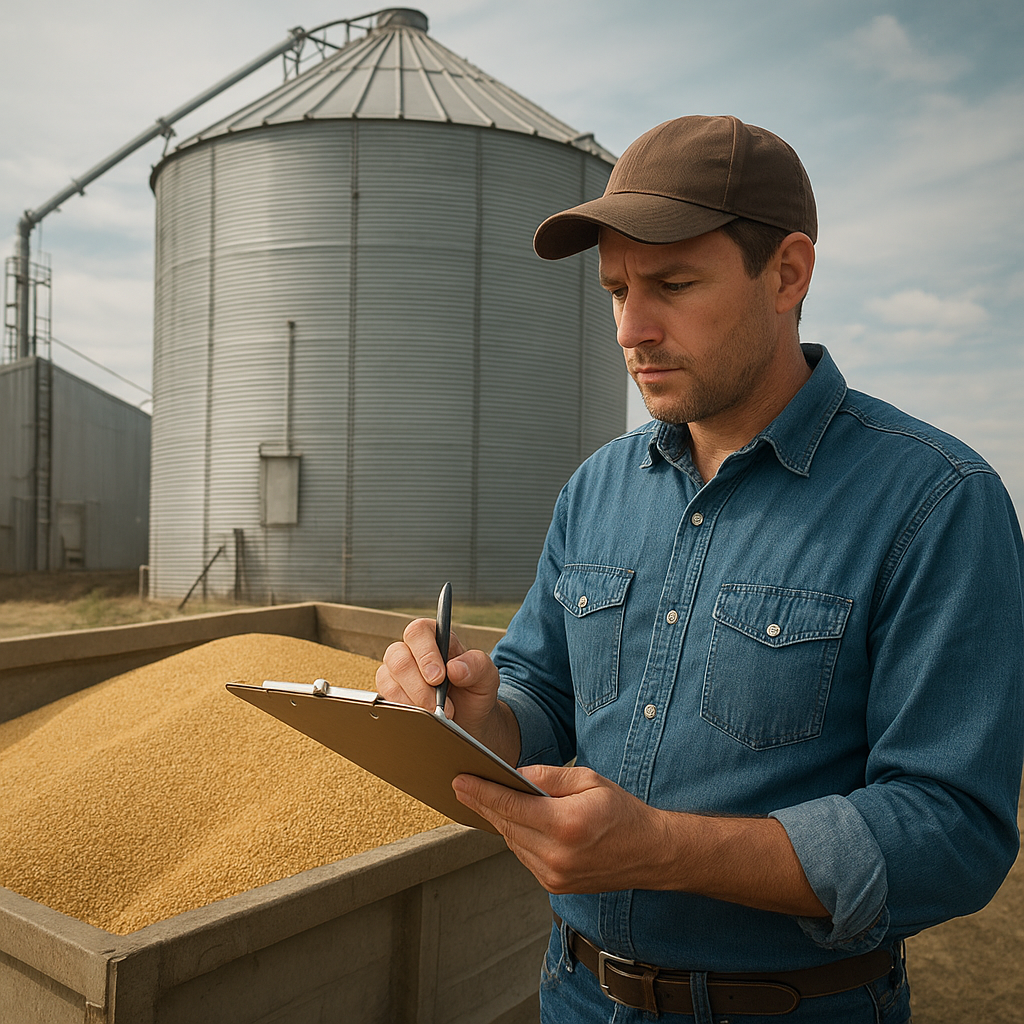






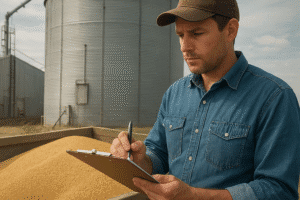

Consumers and stakeholders across the globe are increasingly attentive to agricultural practices that safeguard the environment, support local communities, and ensure economic viability. Grain producers and traders are meeting this demand through recognized sustainability frameworks, which validate responsible farming methods and foster trust in the marketplace. The following exploration delves into the most influential standards, their effects on the grain market, and the challenges that accompany widespread adoption.
Understanding Sustainability Certifications
At its core, a sustainability certification is an independent verification process that assesses agricultural operations against predefined criteria. These standards aim to address environmental stewardship, social responsibility, and economic resilience. For grain farmers, obtaining a label indicates adherence to practices that improve soil health, conserve water, and reduce greenhouse gas emissions.
Key objectives of these schemes include:
- Ensuring transparency in supply chains
- Promoting fair labor conditions and wages
- Encouraging biodiversity-friendly land management
- Maintaining financial stability for farming communities
In many regions, governments and industry associations collaborate to develop localized certification criteria, recognizing the unique ecological and cultural contexts of grain production.
Key Certification Standards
GlobalGAP
GlobalGAP is a widely recognized standard that covers Good Agricultural Practices (GAP) for crops worldwide. For grain production, it emphasizes risk assessment, record-keeping, and compliance with legal and environmental regulations. Producers certified by GlobalGAP demonstrate robust farm management systems that prioritize food quality and safety.
Rainforest Alliance
The Rainforest Alliance seal is synonymous with environmental conservation. Grain operations under this certification must implement agroforestry or habitat restoration initiatives, safeguarding native flora and fauna. A critical requirement is the maintenance of wildlife corridors, empowering smallholders to protect biodiversity while cultivating staple crops.
Fairtrade
Fairtrade certification champions equitable trading partnerships. Small-scale grain farmers benefit from a guaranteed minimum price and an additional premium to invest in community projects. This model strengthens social cohesion, enhances farm resilience, and reduces vulnerability to volatile market swings.
Organic
Organic labels prohibit synthetic fertilizers and pesticides, compelling producers to adopt natural fertilizers and integrated pest management strategies. The focus on regenerative practices bolsters soil health and long-term productivity, albeit requiring more rigorous documentation and transition periods for compliance.
Impact on Farmers and the Supply Chain
Securing a sustainability certification typically involves an upfront investment in training, infrastructure, and monitoring systems. However, the benefits can far outweigh the costs:
- Access to premium markets that reward certified products
- Improved farm yields through better resource management
- Enhanced bargaining power and stable contracts
- Recognition of ethical practices among consumers and retailers
Supply chain actors—mills, processors, and exporters—must ensure that certified grains maintain their status through proper traceability. Robust digital platforms and blockchain pilots are emerging to track grain from field to final product, minimizing risks of contamination or fraud.
Market Dynamics and Consumer Trends
Retailers and food manufacturers respond to shifting consumer preferences by sourcing grains with reputable sustainability badges. Market surveys suggest that shoppers are willing to pay a premium of 5–15% for products bearing trusted labels, especially those linked to fair trade and environmental integrity.
Major food brands are setting ambitious targets to procure 100% certified grains by 2030. These commitments stimulate investments in rural communities, foster partnerships with local cooperatives, and help secure supply chains against climate-related disruptions. The rising demand also encourages certification bodies to streamline audit procedures, reducing bureaucratic barriers for smallholders.
Challenges and Future Outlook
Despite the positive momentum, several obstacles remain:
- High certification costs can exclude marginalized farmers
- Inconsistent standards across regions create complexity
- Long transition periods delay market access for new entrants
- Verification fatigue arises from overlapping audit requirements
To overcome these challenges, stakeholders propose:
- Harmonizing criteria among leading certification schemes
- Leveraging digitalization to automate record-keeping
- Developing scalable financing options for smallholders
- Encouraging public–private partnerships to share costs
As the grain market evolves, the role of sustainability certifications will expand beyond risk mitigation to become a driver of innovation and rural development. Improved connectivity, data-driven management, and collaborative governance can pave the way for a resilient and equitable grain industry that meets both economic and environmental goals.