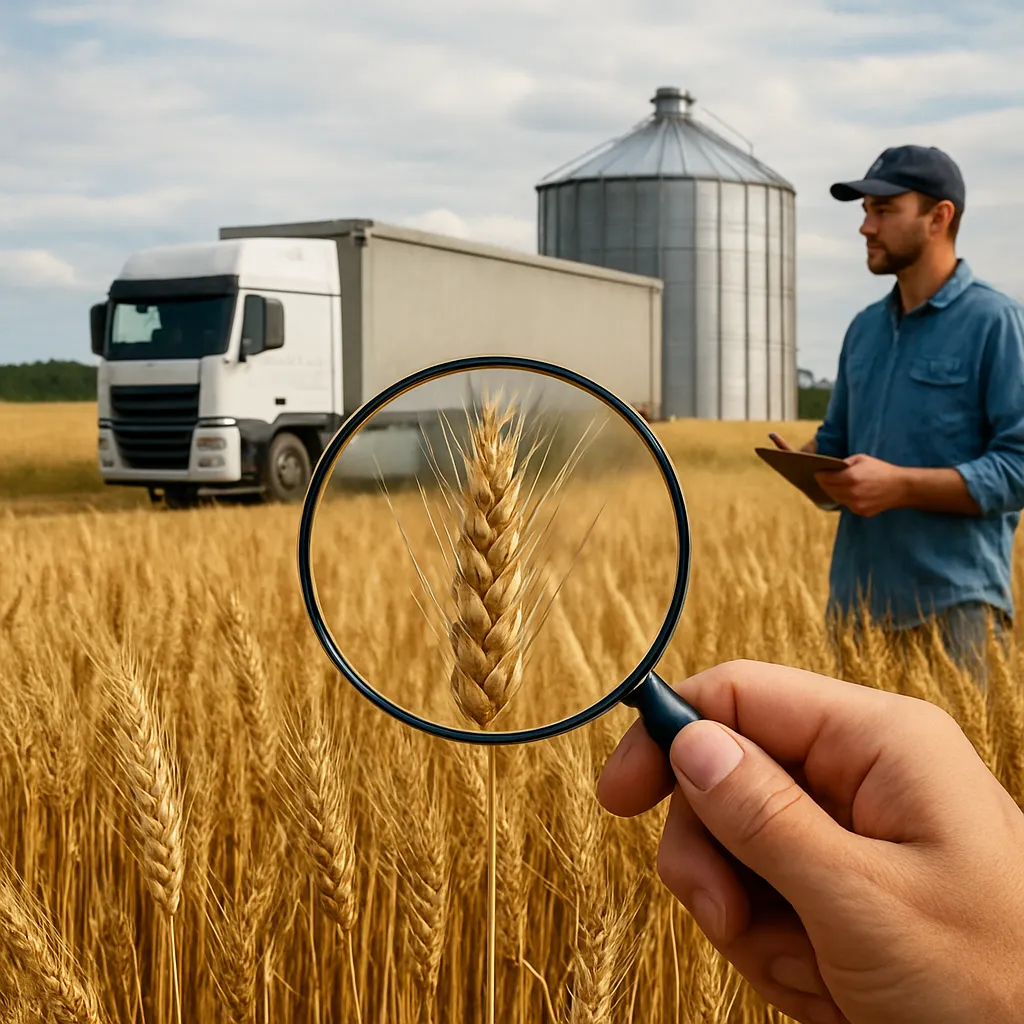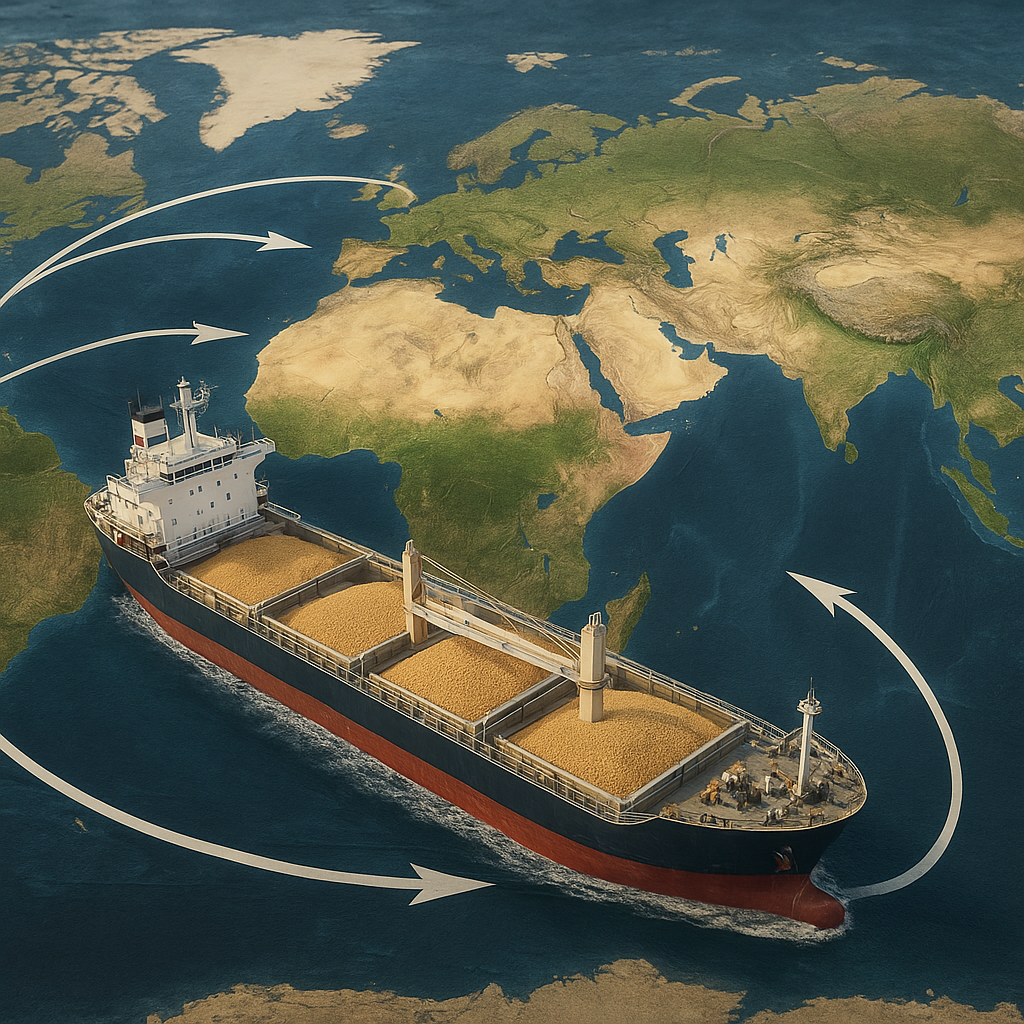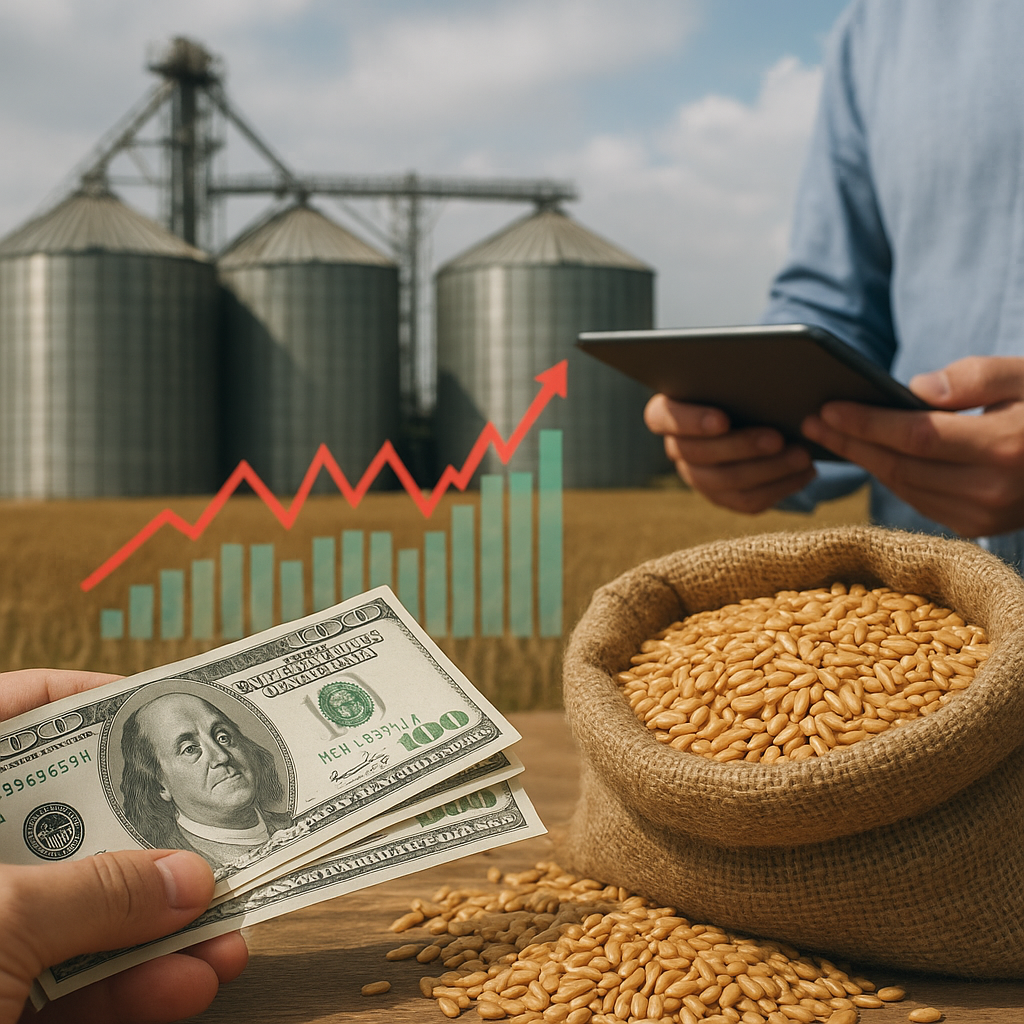





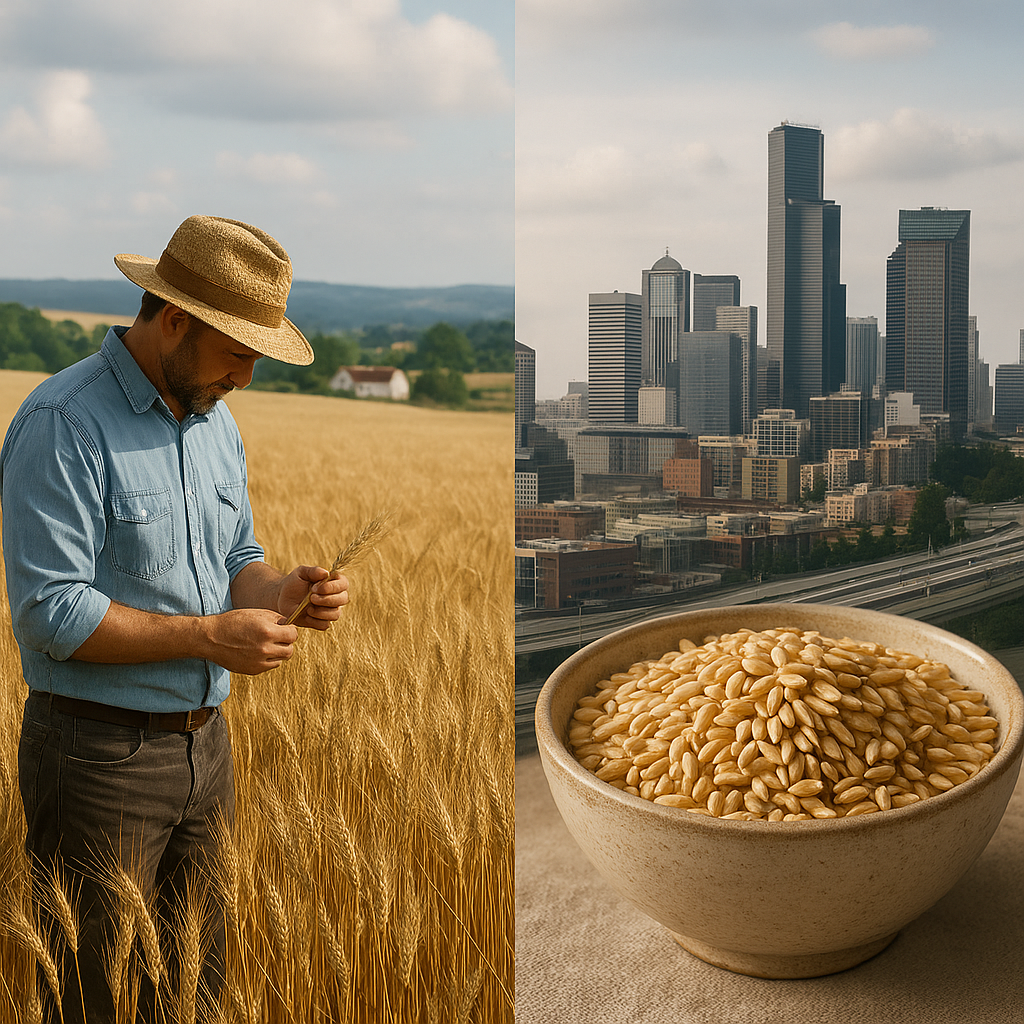
Urbanization has reshaped the way societies source, process, and consume **grains**, with profound implications for dietary patterns, market dynamics, and **sustainability**. As more people relocate to cities in search of economic opportunities, traditional eating habits evolve. This article explores the intricate relationship between urban growth and **grain consumption** patterns, highlighting key changes, market responses, and future challenges.
Changing Dietary Preferences in Urban Areas
Migration and Its Impact on Grain Demand
Rural-to-urban **migration** often brings individuals into contact with diverse food environments. In many developing nations, new city dwellers trade homegrown staple grains like millet and sorghum for more accessible imports such as rice and wheat. This shift is driven by several factors:
- Economies of **scale**: Urban markets can procure and distribute large quantities of standardized grains at lower per-unit costs, influencing consumer choices.
- Exposure to global diets: Restaurants, street vendors, and supermarkets introduce novel grain-based dishes, from pasta to flatbreads, broadening preferences.
- Time constraints: Busy urban lifestyles increase demand for processed grain products that require minimal cooking time.
Consequently, per capita consumption of grains like rice and maize often rises in cities, while less common local cereals see declining popularity.
Convenience Foods and the Rise of Processed Grains
Urban consumers frequently opt for foods that align with their fast-paced routines. This trend is characterized by:
- Instant noodles and ready-to-eat breakfast cereals.
- Pre-packaged bread, pastries, and snack items.
- Frozen or canned grain dishes that can be reheated quickly.
The processing industry leverages value addition techniques—enrichment with vitamins, fortification with minerals, and flavor enhancements—to appeal to health-conscious buyers. However, these convenience options often come with higher price tags and may compromise nutritional quality compared to freshly prepared grain meals.
Grain Market Dynamics Under Urban Pressure
Supply Chain Adaptation and Logistics
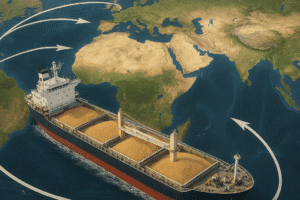
Meeting the escalating urban demand for grains requires efficient supply chains. Key adaptations include:
- Construction of large-scale grain **storage** facilities near urban centers to ensure a steady supply.
- Investment in cold-chain logistics for perishable grain products, such as certain fortified flours and ready-to-eat meals.
- Development of digital platforms for real-time tracking of grain shipments, reducing waste and pilferage.
These advancements help stabilize prices and ensure **quality**, but they also demand significant capital and policy support.
Trade, Price Volatility, and Market Fluctuations
Urban populations tend to be more vulnerable to price swings due to their reliance on purchased food rather than self-produced crops. When global grain prices rise—driven by factors like weather shocks, geopolitical tensions, or export bans—urban households face food security risks. Governments and private traders have responded by:
- Implementing **subsidies** or price controls for staple grains to shield consumers.
- Diversifying import sources to mitigate risks associated with single-country dependency.
- Engaging in futures markets to hedge against extreme price swings, though this can increase speculation and instability.
Such interventions can alleviate short-term pressure but may introduce distortions that discourage local grain production.
Sustainability and Future Outlook
Technological Innovations in Urban Grain Systems
As cities grow, so does the challenge of feeding their residents sustainably. Technological breakthroughs offer promising solutions:
- Vertical farming: Producing high-nutrient grains and sprouts within urban environments, reducing transport emissions.
- Precision agriculture linked to city demand forecasts: Farmers use satellite imagery and IoT sensors to optimize **yield** and align production volumes with urban consumption patterns.
- Biotechnology: Developing drought-resistant and high-protein grain varieties tailored to both industrial processing and local culinary preferences.
These innovations can enhance resilience against climate variability while narrowing the gap between city demand and rural supply capacity.
Policy, Infrastructure, and Social Equity
Effective policy frameworks and infrastructure investments are critical to ensuring equitable access to **grains** in urban settings:
- Urban planning that incorporates food markets into transit-oriented development, facilitating affordable grain access for low-income neighborhoods.
- Regulatory support for small-scale millers and artisan bakers, preserving traditional grain varieties and fostering **cultural** diversity in urban diets.
- Public-private partnerships to expand cold storage, transportation networks, and digital marketplaces, reducing post-harvest losses and **enhancing** traceability.
By integrating sustainability targets into broader urban agendas, municipalities can balance economic growth with food security and environmental stewardship.
Conclusion
Urbanization exerts multifaceted pressures on grain consumption patterns, reshaping diets, market systems, and sustainability pathways. As cities continue to expand, coordinated efforts among policymakers, industry stakeholders, and research institutions will be essential to create resilient grain markets that serve both urban and rural populations equitably.