
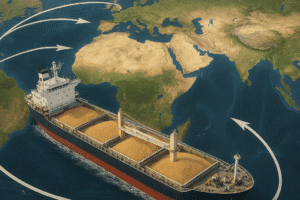
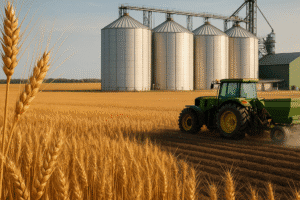



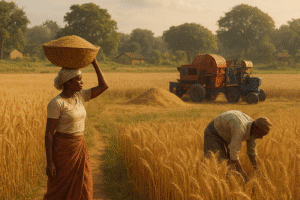
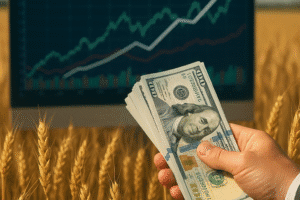

In recent years, **globalization** and geopolitics have converged on the **grain** sector with unprecedented intensity. As nations impose **tariffs**, retaliatory measures and **export** restrictions, the delicate balance of **supply** and **demand** in the international **commodity** markets faces growing **volatility**. Farmers, processors, traders and consumers find themselves navigating a web of shifting regulations that can drive prices upward in one region while depressing them elsewhere. Understanding how these disputes reverberate through the complex chain connecting fields to tables is crucial for stakeholders aiming to mitigate risks and seize emerging opportunities.
Trade War Mechanisms and Grain Supply
At the heart of any trade dispute lie instruments that governments deploy to protect domestic industries or leverage political concessions. When applied to staple grains such as wheat, corn and soybeans, these measures can rapidly reshape **market** expectations and actual flows of produce:
- Tariffs: Import duties imposed on foreign commodities. Sudden hikes discourage purchases from targeted exporters and encourage buyers to seek alternative sources.
- Quotas: Quantity limits on the volume of grain entering a country. By capping imports, governments artificially tighten domestic availability.
- Subsidies: Financial support for local farmers. While intended to boost national production, subsidies can lead to oversupply and depressed international prices.
- Export restrictions: Bans or levies on outbound shipments. Destabilizes global supply by retaining domestic stocks, often in response to rising domestic prices or shortages.
Supply Chain Disruptions
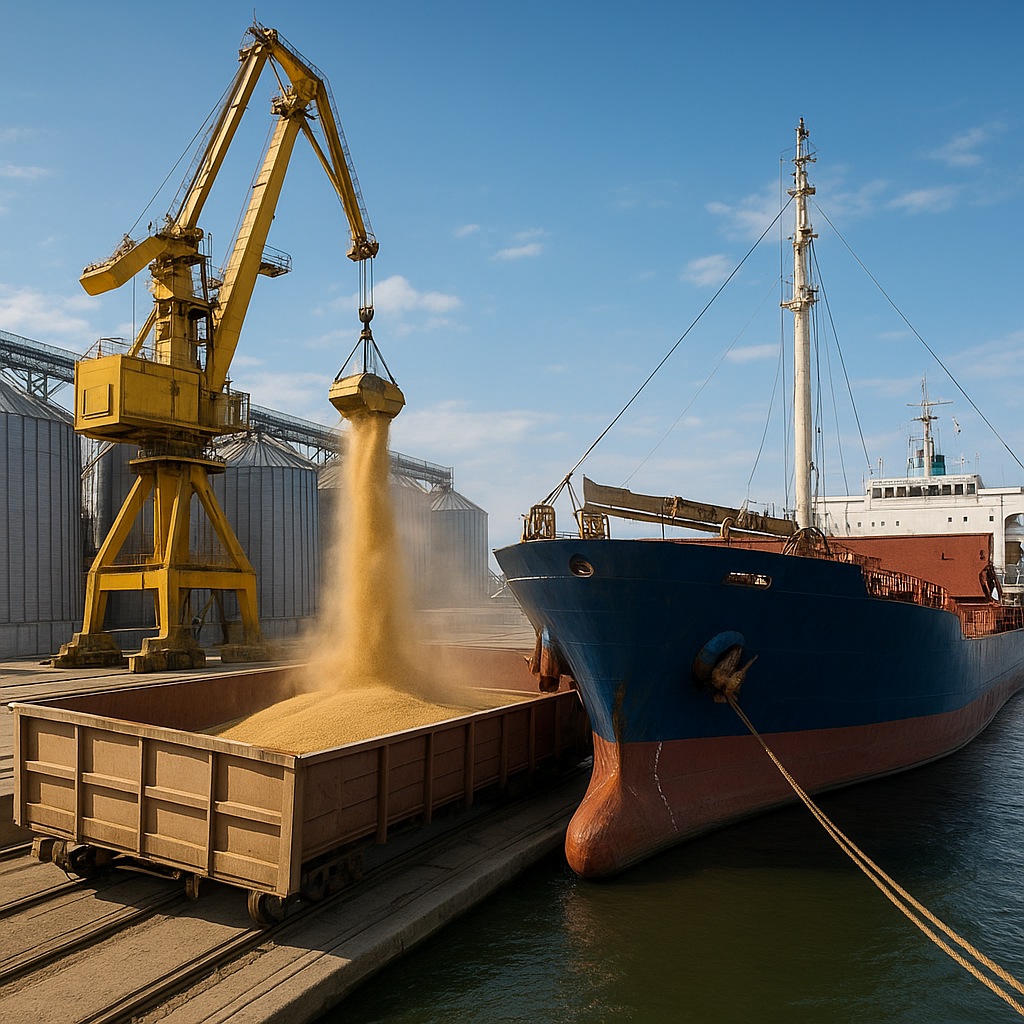
Every link in the grain chain—from seeding and harvesting to storage, transport and milling—can be affected by policy shifts. Higher tariffs on steel and aluminum, for instance, increase costs for farm machinery and storage facilities. Ancillary industries such as fertilizers and shipping react to **import** barriers and fuel surcharges, further stretching lead times and raising expenses for producers who must then recalibrate planting and distribution plans.
Price Transmission and Market Volatility
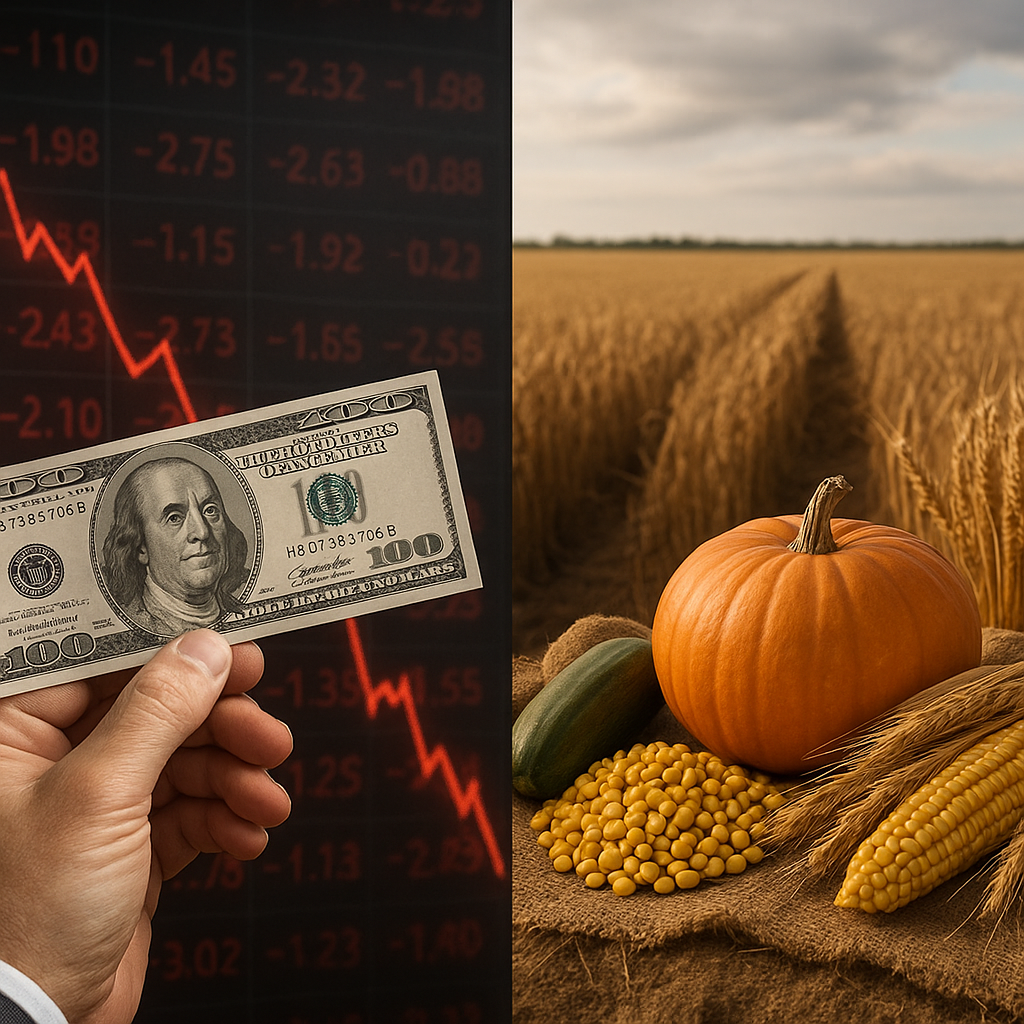
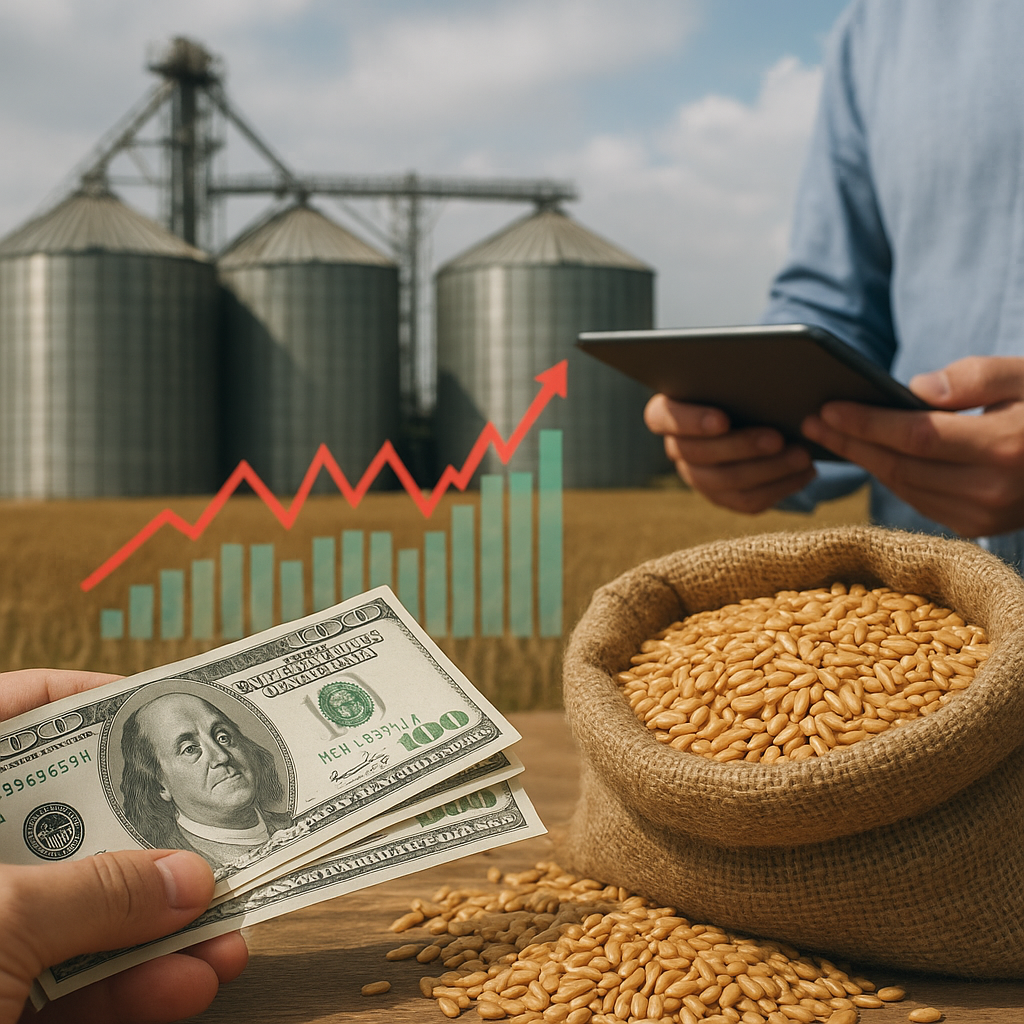
Prices in global grain markets are determined through a dynamic interplay of supply forecasts, **demand** projections and speculative activity. Trade wars inject additional uncertainty that traders and hedgers must integrate into futures contracts and spot quotes. The consequences can be observed across various metrics:
- Widening spreads between contract months on futures exchanges reflect bets on evolving policy standoffs.
- Regional price differentials, known as basis, shift as grain is diverted from high-tariff destinations to more accessible markets, creating localized gluts or shortages.
- Insurance and shipping surcharges rise as insurers price in the risk of route blockades and port inspections.
Role of Speculation
Wall Street funds and commodity traders increasingly factor geopolitical developments into **price** models. A rumored escalation in **export** levies can trigger a speculative squeeze, sending spot prices sharply upward even before any official action. Conversely, the announcement of a temporary truce or negotiation restart can prompt steep sell-offs. This heightened **volatility** not only affects commercial participants but can also trigger margin calls that ripple through financial systems.
Government Policies and Strategic Stockpiling
In response to unpredictable cross-border flows, many countries resort to strategic measures aimed at insulating domestic markets:
- Buffer stocks: Governments buy and store staple grains to stabilize local prices during global shocks.
- Minimum price guarantees: Assurances to farmers that they will receive a set price per bushel, preventing income loss during international downturns.
- Export credits: Subsidized financing that helps domestic exporters compete despite foreign **tariffs**.
Fiscal Implications
While protective policies can deliver short-term relief, they carry significant budgetary burdens. Maintaining public silos and covering interest on export credits diverts resources from other priorities. Over time, the distortionary effects of **subsidies** and stockpiles can dampen private investment in innovation, reducing long-term competitiveness.
Impact on Consumer Prices and Food Security
When trade disputes escalate, the consequences are not confined to wholesale markets. Retail prices for flour, bread, cooking oil and livestock feed respond almost immediately to cost pressures upstream. Lower-income households, particularly in import-dependent countries, experience the greatest strain as staple foods account for a larger share of their budgets. Key considerations include:
- Affordability: Elevated **prices** can push millions into food insecurity, especially in regions lacking social safety nets.
- Diversity: Consumers may switch from higher-priced grains to cheaper alternatives, altering dietary patterns and nutritional outcomes.
- Market access: Smallholder farmers in exporting nations can suffer when major markets impose retaliatory restrictions, reducing their livelihood options.
Social Stability
History has shown that spikes in staple-grain prices can fuel unrest and political upheaval. Governments facing rising food inflation may resort to price controls or subsidies, but these emergency measures often exacerbate market distortions and lead to corruption or black market activity.
Adaptation Strategies and Future Trends
Despite the challenges, various stakeholders are seeking ways to build resilience against trade-related shocks:
- Diversification: Exporters are exploring new markets and forging regional trade agreements to reduce reliance on a single buyer.
- Technological innovation: Advances in precision agriculture, drought-resistant crops and digital platforms enhance production efficiency and market connectivity.
- Vertical integration: Grain firms are investing in processing and distribution networks abroad to bypass tariff barriers and capture value closer to consumers.
Emerging Alliances
Regional blocs, from ASEAN to the African Continental Free Trade Area, aim to foster intra-regional grain flows that are less susceptible to superpower rivalries. By pooling resources and harmonizing standards, member countries seek to create robust corridors capable of sustaining food supplies even if major exporters impose restrictions on each other.
Ultimately, the interplay of **trade** policies and grain markets will remain a defining feature of the 21st-century agricultural landscape. Market participants who stay informed, flexible and proactive in restructuring their operations will be best positioned to navigate the shifting currents of geopolitics and maintain a reliable supply of affordable staples.