



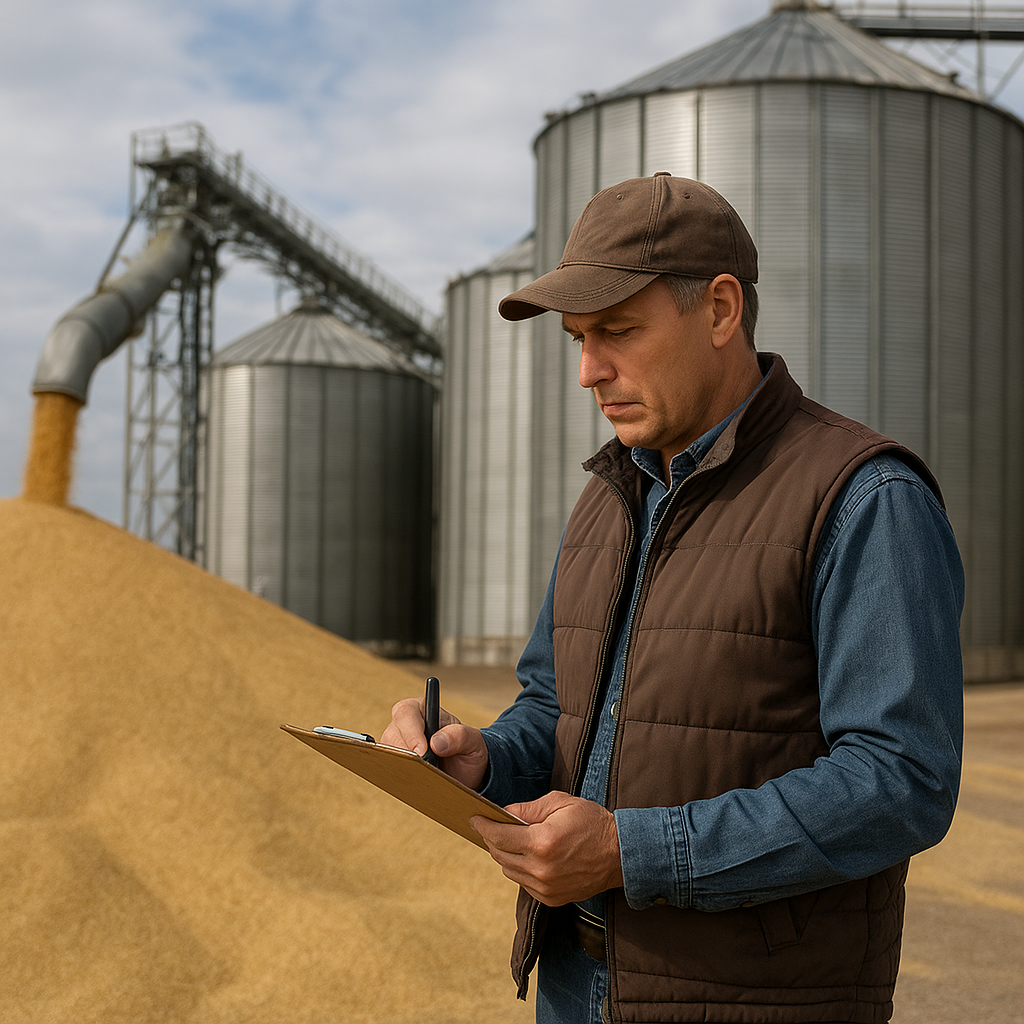
The complexity of the grain market demands proactive measures to safeguard the flow of cereals from farm to fork. Effective management of supply chain risks enhances resilience, fortifies stakeholder trust and secures stable revenues while ensuring consistent quality and food security.
Risk Identification and Assessment
Managing grain supply chain risks begins with a thorough risk identification process. By mapping every stage—from planting and harvest to storage, transport and distribution—businesses gain clarity on potential disruptions and vulnerabilities.
Mapping Critical Nodes
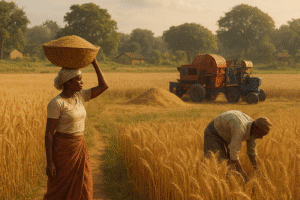
- Production centers: Climate extremes, pest outbreaks, and crop diseases can affect yields and quality.
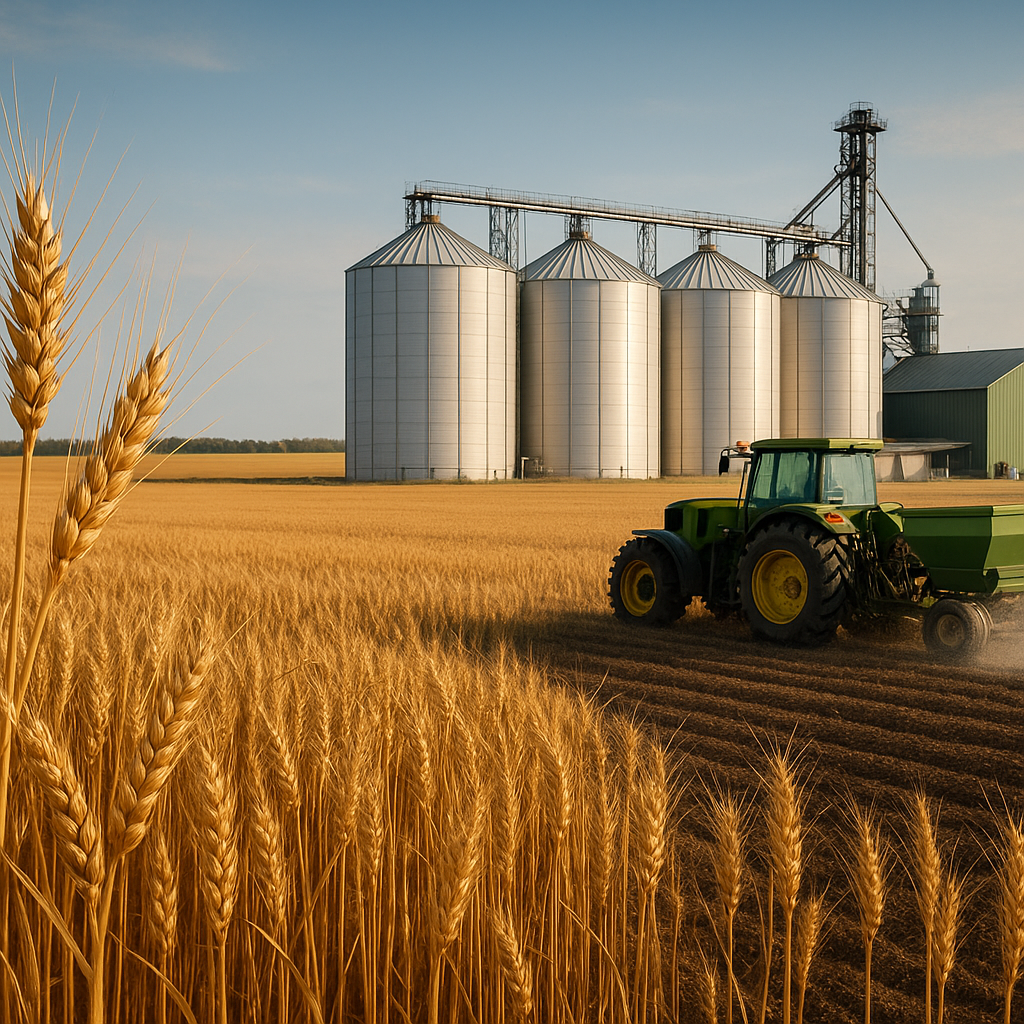
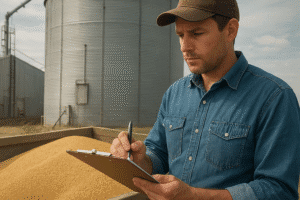
- Storage facilities: Inadequate moisture control, pest infestation and mechanical failures jeopardize grain integrity.
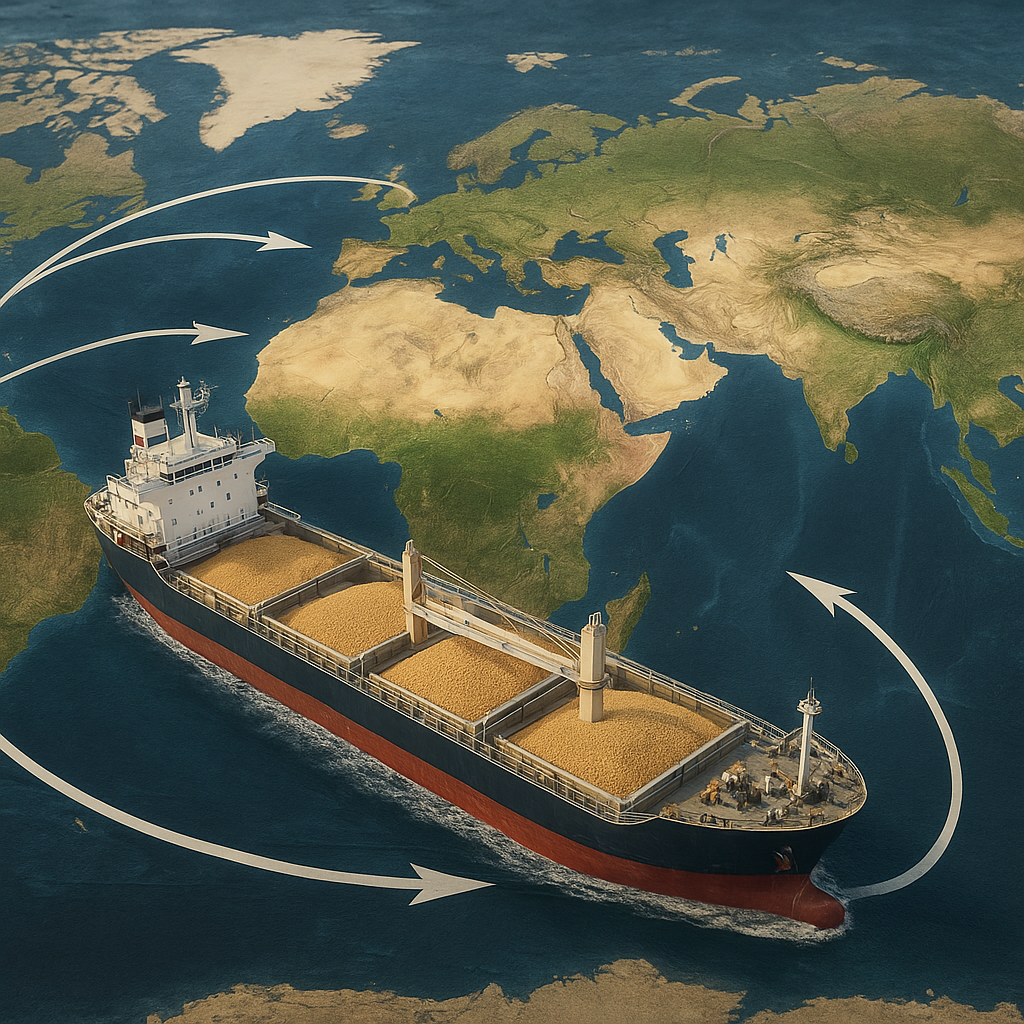
- Transportation routes: Congestion, infrastructure breakdowns and geopolitical tensions pose logistical challenges.
- Processing and export terminals: Regulatory inspections, port closures and labor disputes may delay shipments.
Quantifying Risk Severity
Assign numerical ratings to each identified hazard by evaluating the likelihood of occurrence and the potential impact on operations:
- Probability: Historical data analysis and climate modeling can estimate event frequency.
- Impact: Financial losses, reputational damage and regulatory fines are key metrics.
This assessment creates a risk matrix, highlighting high-risk areas that demand immediate attention.
Implementing Mitigation Strategies
Once risks are identified, robust mitigation plans are essential. Organizations can deploy a combination of tactical and strategic measures to minimize exposure and maintain continuity.
Diversification and Sourcing
- Geographic diversification: Procuring grain from different regions reduces reliance on a single climate zone.
- Supplier portfolio: Engaging multiple vetted suppliers prevents single points of failure.
- Contract terms: Flexible contracts with force majeure clauses provide legal protection when unforeseen events strike.
Inventory and Storage Solutions
- Dynamic buffer stocks: Calibrated safety inventories accommodate demand spikes and supply shortfalls.
- Advanced storage systems: Temperature and humidity controls, along with fumigation protocols, maintain product integrity.
- Regular audits: Scheduled inspections and grain sampling ensure early detection of spoilage or contamination.
Transportation and Logistics Protocols
- Route optimization: Using real-time traffic and weather data to select reliable corridors.
- Backup carriers: Prequalified alternative transport providers guarantee continuity when primary carriers fail.
- Insurance policies: Comprehensive coverage for cargo, liabilities and delays secures financial stability.
Leveraging Technology and Innovation
Technological tools empower stakeholders to predict, monitor and respond to risks more effectively. Adoption of advanced solutions enhances transparency and decision-making across the supply chain.
Data Analytics and Forecasting
- Predictive analytics: Machine learning models forecast crop yields, market prices and logistical bottlenecks.
- Early warning systems: Satellite imagery and IoT sensors detect weather anomalies and soil conditions in real time.
- Dashboards and KPIs: Centralized platforms visualize performance metrics for rapid insight generation.
Traceability and Transparency
- Digital tagging: RFID and QR codes track grain lots throughout the lifecycle.
- Blockchain platforms: Immutable ledgers enhance security and build stakeholder confidence through end-to-end traceability.
- Supply chain mapping tools: Interactive maps display supplier networks and critical dependencies.
Automation and Remote Monitoring
- Automated storage controls: Sensors manage temperature, moisture and aeration automatically.
- Drone surveillance: Aerial inspections identify crop health issues and storage anomalies.
- Robotic handling: Automated loading and unloading reduce labor risks and contamination.
Collaboration, Compliance and Sustainability
Strong partnerships, regulatory adherence and commitment to environmental stewardship are pillars of a resilient grain supply chain. Aligning with stakeholders fosters collective risk management and long-term growth.
Supplier and Buyer Engagement
- Joint risk assessments: Collaborate with suppliers and customers to align risk perceptions and mitigation plans.
- Communication protocols: Establish clear channels for incident reporting and status updates.
- Capacity building: Offer training programs on best practices in storage, quality control and safety standards.
Regulatory Alignment
- Global standards: Comply with ISO, Codex Alimentarius and local food safety regulations.
- Certification programs: Participation in GMP, HACCP and other schemes demonstrates compliance and reliability.
- Audit readiness: Maintain documentation and trace records for seamless inspections.
Sustainable Practices
- Resource efficiency: Optimize water usage, energy consumption and waste management in production and logistics.
- Carbon footprint reduction: Implement renewable energy sources and eco-friendly packaging materials.
- Social responsibility: Support fair labor practices, community development and ethical sourcing to strengthen collaboration.
Building Future-Ready Grain Networks
Emerging trends and evolving consumer demands will reshape grain supply chains in the coming years. Fostering agility and embracing innovation will be critical to thrive in a dynamic market:
- Integrated digital platforms: Unified systems for blockchain-based contracts, live tracking and automated settlement.
- Advanced breeding techniques: Developing climate-resilient crop varieties through biotechnology and data-driven agronomy.
- Circular economy models: Transforming by-products into value-added goods, reducing waste and enhancing sustainability.
- Strategic alliances: Public-private partnerships and industry consortia to share resources, knowledge and risk.
- Continuous improvement: Ongoing review of risk frameworks, leveraging new tools and adapting to regulatory changes.
By systematically identifying vulnerabilities, deploying targeted countermeasures and harnessing cutting-edge technologies, stakeholders can unlock new opportunities in the global grain trade. This multifaceted approach builds a secure, efficient and sustainable supply chain that stands resilient against future uncertainties.