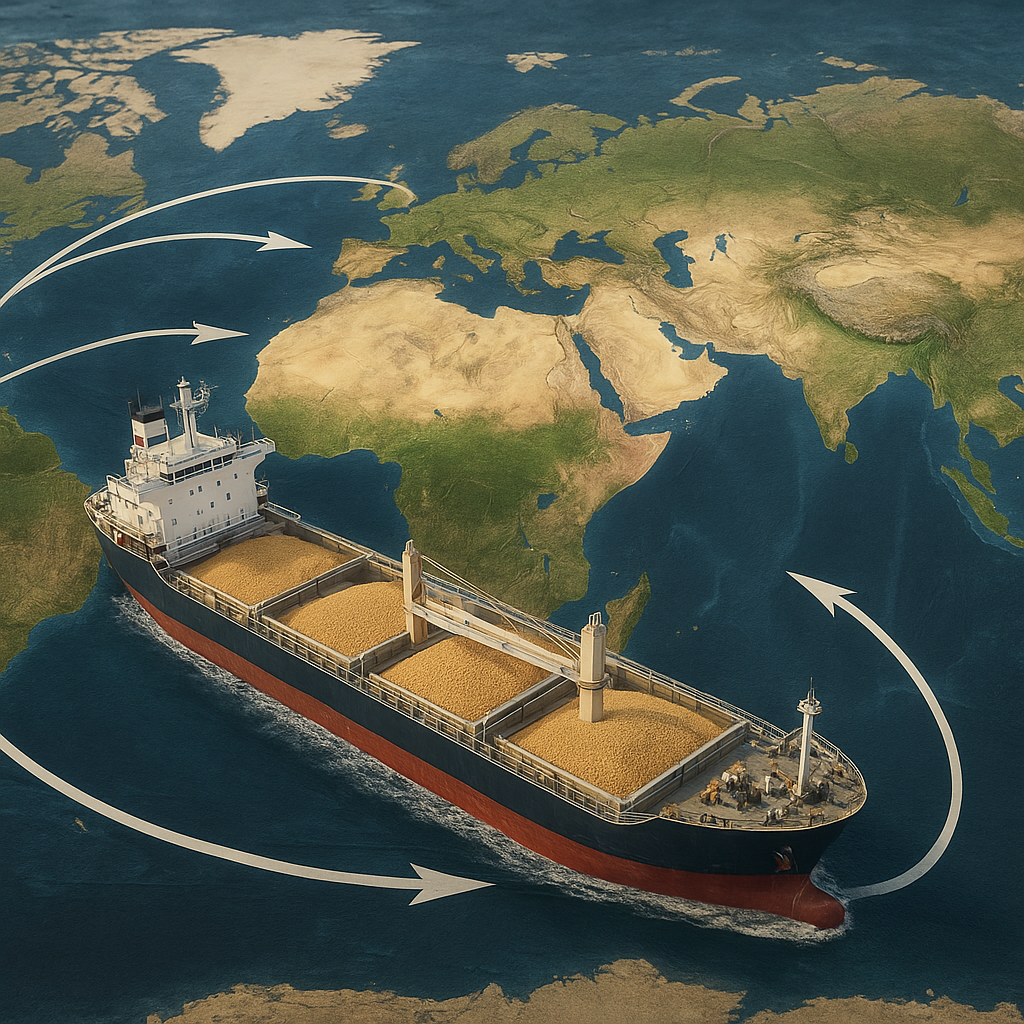








Effective management of international grain trading hinges on the ability to identify, quantify, and mitigate a wide array of risk factors. Grain markets are influenced by dynamic forces such as weather extremes, shifting demand patterns, and policy changes. Traders, exporters, and importers must deploy comprehensive strategies to protect their interests while seizing profit opportunities. This article examines core principles and practical tools that market participants use to navigate uncertainty and secure stable outcomes in the global grain landscape.
Understanding Market Volatility and Price Drivers
Volatility in grain markets arises from complex interactions among supply, demand, and external shocks. Tracking these fluctuations is critical for proactive decision-making. Market participants rely on a combination of historical data and real-time indicators to gauge price trajectories.
Fundamental Analysis and Supply Dynamics
Fundamental analysis begins with evaluating global production estimates, crop yields, and planting intentions. Key elements include:
- Weather patterns: Droughts or excessive rainfall can drastically alter projected harvest volumes.
- Pest outbreaks: Infestations may force adjustments in planting or chemical input usage, affecting overall output.
- Government policies: Export restrictions, import tariffs, and subsidy programs shape the available supply and impact trading flows.
Demand Trends and Consumption Forecasts
On the demand side, consumer preferences and industrial needs determine consumption rates across regions. Important factors include:
- Biofuel mandates: Ethanol requirements can shift corn usage away from feed or food applications.
- Population growth: Rising incomes in emerging economies lead to higher per-capita grain consumption.
- Feedstock competition: Alternative feed ingredients, such as distillers grains, influence the demand for primary grains like wheat and barley.
Identifying and Measuring Key Risks
Effective risk assessment requires recognizing various categories of exposure. By quantifying these risks, traders and agribusinesses can prioritize their hedging and mitigation efforts.
Price Risk and Market Exposure
Price risk refers to the possibility of adverse price movements that reduce profit margins. To measure this risk, market participants often use:
- Value-at-Risk (VaR): A statistical technique that estimates the maximum expected loss over a given time horizon at a specified confidence level.
- Historical simulation: Analyzing past price changes to project future volatility under similar market conditions.
Credit and Counterparty Risk
International grain transactions expose parties to credit risk if a buyer or seller defaults on contractual obligations. Mitigation tools include:
- Letters of credit: Issued by banks to guarantee payment upon presentation of shipping documents.
- Credit insurance: Protects exporters against nonpayment due to insolvency or political upheaval.
Logistics and Transportation Risk
Disruptions in the transportation network—such as port congestion, shipping delays, or insurance claims—can derail delivery schedules and inflate costs. Key measures:
- Route diversification: Using multiple shipping corridors to avoid chokepoints.
- Third-party logistics (3PL): Hiring specialized logistics providers with risk management expertise.
Hedging Strategies and Financial Instruments
Deploying derivatives and other financial tools enables market participants to lock in prices and limit downside exposure. Understanding the mechanics and costs of each instrument is vital for optimal hedging.
Futures Contracts and Basis Risk
Grain futures traded on major exchanges allow traders to commit to a future delivery price. However, basis risk—the difference between local cash prices and futures prices—must be managed:
- Local basis analysis: Monitoring seasonal trends in basis levels helps adjust hedge ratios.
- Rolling strategies: Extending or shifting futures positions to maintain alignment with physical positions.
Options and Premium Considerations
Options offer asymmetric payoff profiles, giving holders the right but not the obligation to buy or sell at a fixed strike price. Benefits include:
- Downside protection: Limited to the option premium, while preserving upside participation.
- Versatility: Structures like collars and spreads can tailor risk-reward profiles to specific objectives.
Effective use of options requires analysis of implied volatility and careful selection of strike prices to balance cost against desired protection.
Over-the-Counter (OTC) Swaps
OTC instruments—such as price swaps—enable bespoke arrangements between parties. This flexibility comes at the expense of counterparty risk, underscoring the need for strong credit support and collateral agreements.
Advanced Modeling and Decision Support
Cutting-edge risk management integrates quantitative models, scenario analysis, and real-time data feeds. Sophisticated tools help stakeholders anticipate stress conditions and react swiftly.
Scenario Planning and Stress Testing
By constructing adverse scenarios—extreme weather events, geopolitical tensions, or financial market shocks—companies can evaluate portfolio resilience. Stress testing often involves:
- Monte Carlo simulations: Generating thousands of random price paths to estimate probability distributions of returns.
- Sensitivity analysis: Varying key parameters to observe impact on profit and loss under multiple configurations.
Supply Chain Visibility and Analytics
Digital platforms and Internet of Things (IoT) sensors enhance transparency throughout the supply chain. Granular data on storage levels, grain quality, and transit times feed predictive algorithms for:
- Real-time risk alerts: Automated notifications when inventory deviates from target thresholds.
- Predictive maintenance: Forecasting equipment failures in storage or transportation to prevent spoilage.
Integration with Enterprise Resource Planning (ERP)
Linking risk models with ERP systems streamlines reporting and supports strategic decision-making. Unified platforms allow risk managers to recalibrate hedges dynamically as operational data evolves.
Managing Geopolitical and Regulatory Uncertainty
Geopolitical developments and evolving regulations can introduce abrupt barriers to trade. Proactive strategies help firms stay compliant and adjust supply networks in a timely fashion.
Trade Policy Monitoring
Customs regulations, biosecurity protocols, and embargoes all affect cross-border grain flows. Staying current with policy updates involves:
- International trade databases: Subscriptions to services that track tariff changes and non-tariff measures.
- Local partnerships: Collaborating with agents on the ground to interpret regulatory notices and secure timely clearances.
Geopolitical Risk Assessment
Events such as conflicts, sanctions, or currency devaluations can upend established trading relationships. Tools for managing geopolitical risk include:
- Risk mapping: Scoring countries based on stability, governance, and supply chain dependencies.
- Scenario hedges: Holding alternative origin contracts to pivot sourcing away from high-risk regions.
Operational and Inventory Controls
Beyond financial hedges, operational practices play a crucial role in risk mitigation. Proper execution ensures that physical positions complement paper strategies.
Optimal Inventory Management
Balancing inventory levels is critical to maintaining liquidity and preventing spoilage. Key tactics include:
- Just-in-time (JIT) models: Reducing holding periods without compromising service levels.
- Quality monitoring: Regular testing to detect moisture or pests early and safeguard value.
Warehouse and Storage Risk
Facilities must incorporate robust controls to limit losses. Important considerations:
- Insurance coverage: Policies that cover natural disasters, fire, and theft.
- Security protocols: Surveillance systems and access controls to prevent tampering or diversion.
Building a Comprehensive Risk Management Framework
Establishing a formal framework aligns risk appetite with business objectives. Core components include governance structures, policy manuals, and continuous performance reviews.
Governance and Reporting
A centralized risk oversight committee monitors exposures and enforces limits. Effective reporting combines quantitative dashboards with qualitative insights from market analysts.
Training and Continuous Improvement
Regular workshops ensure that trading teams and operations staff understand approved strategies and comply with policy guidelines. Post-event reviews of significant market moves yield lessons that refine models and procedures.
Leveraging Technology and Partnerships
Collaborations with fintech providers and analytics firms bring innovative solutions to the table. Advances in artificial intelligence and machine learning promise to enhance predictive accuracy and automate routine risk tasks.