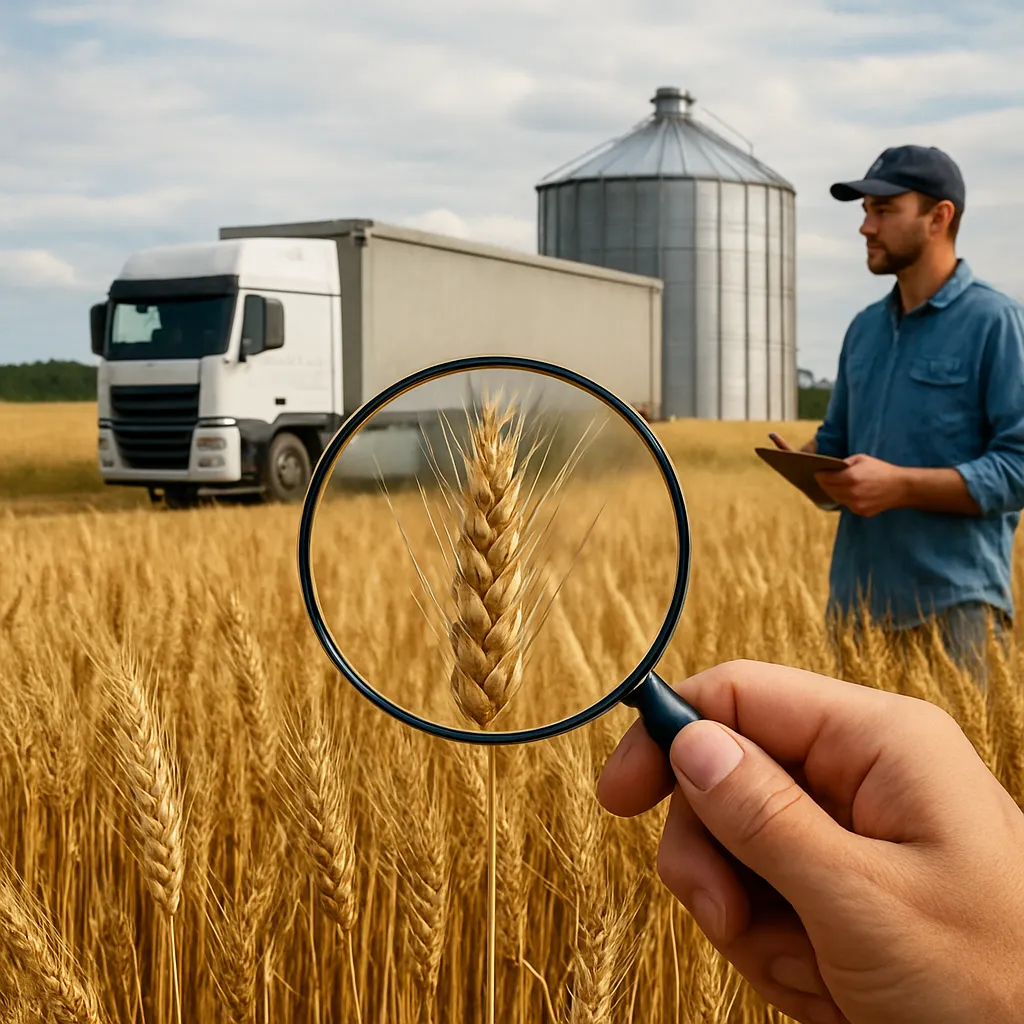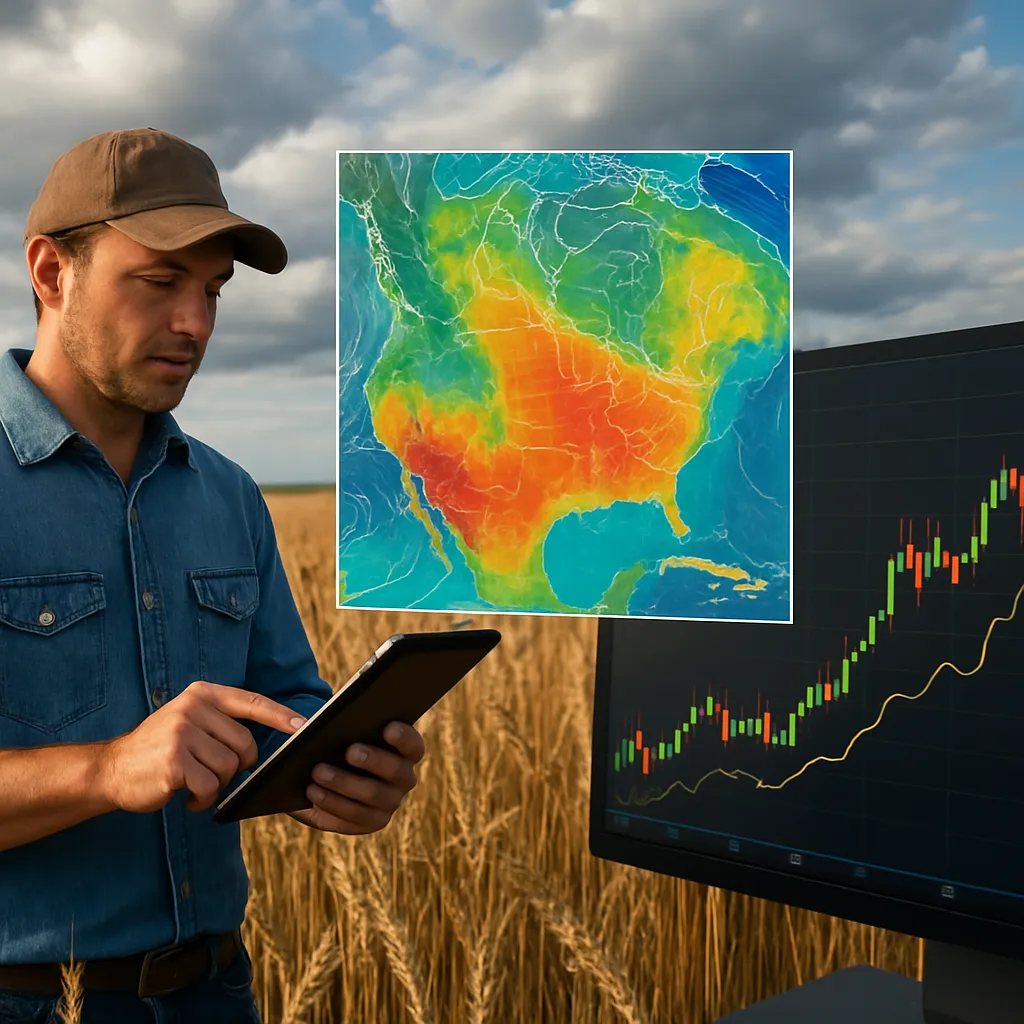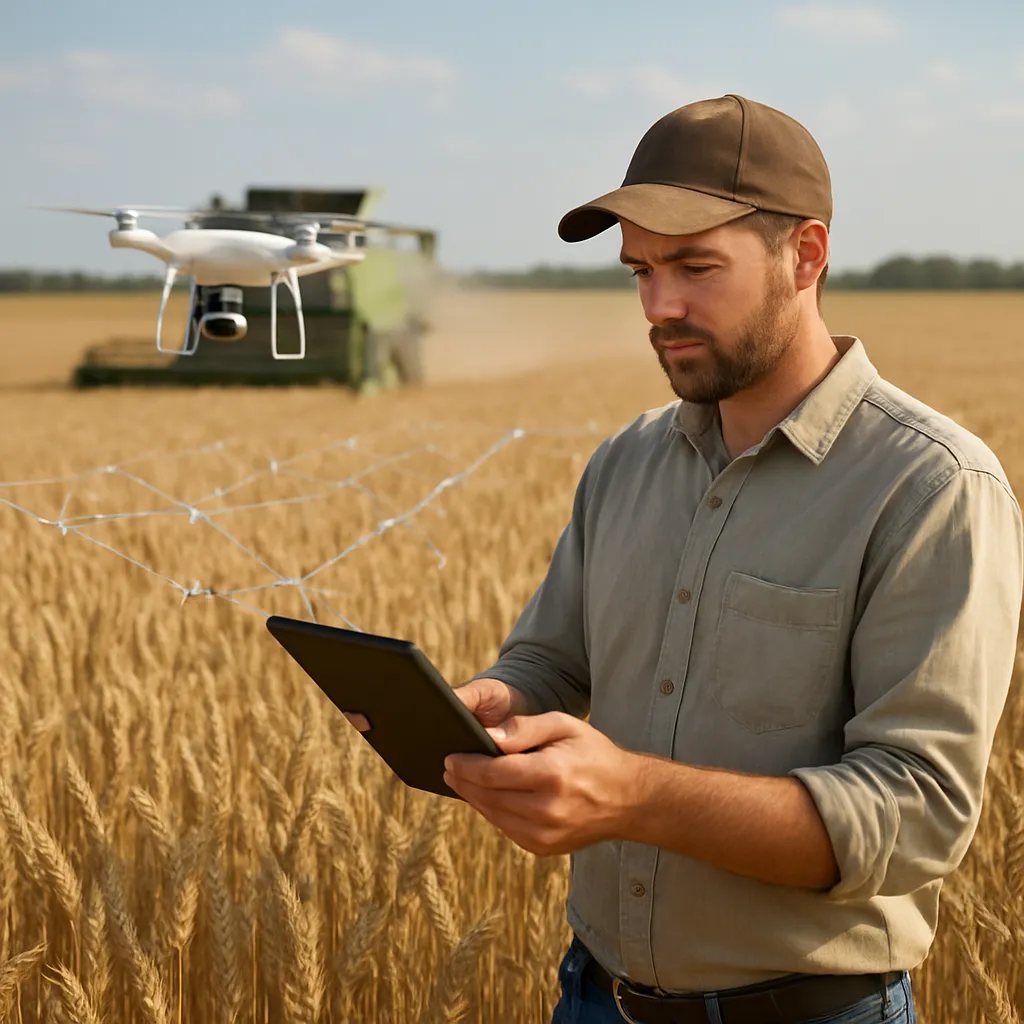


Grain production chains have evolved from simple silo storage to sophisticated networks of monitoring devices that provide unprecedented visibility. Through the adoption of the Internet of Things, agricultural stakeholders can now harness sensor-driven insights to optimize every stage of grain handling. As global demand for cereals, oilseeds, and pulses continues to rise, the integration of IoT into grain monitoring systems is no longer a luxury but a strategic necessity. By embedding smart sensors in storage bins, transport containers, and processing lines, producers gain access to real-time data that enhances efficiency, ensures quality control, and strengthens traceability across the entire supply chain. This article explores how emerging technologies are reshaping the grain market, delivering actionable intelligence that drives profitability and sustainability.
IoT Technologies Transforming Grain Monitoring
The adoption of wireless networks and miniature monitoring devices has revolutionized how operators track the condition of grains such as wheat, corn, and barley. At the core of this transformation are:
- Moisture sensors that continuously measure humidity levels inside storage facilities. By detecting small fluctuations in moisture, these sensors help prevent mold, mycotoxin formation, and insect infestation.
- Temperature sensors that monitor hotspots within bulk grain piles. Early identification of temperature anomalies allows for targeted aeration or cooling, reducing spoilage and maintaining seed viability.
- Carbon dioxide and gas sensors that measure off-gassing from biological activity. Elevated CO₂ readings often signal active respiration or pest presence, prompting timely intervention.
- RFID and GPS tags that enable real-time location tracking for grain shipments. This connectivity ensures visibility during transit, protects against theft, and verifies delivery schedules.
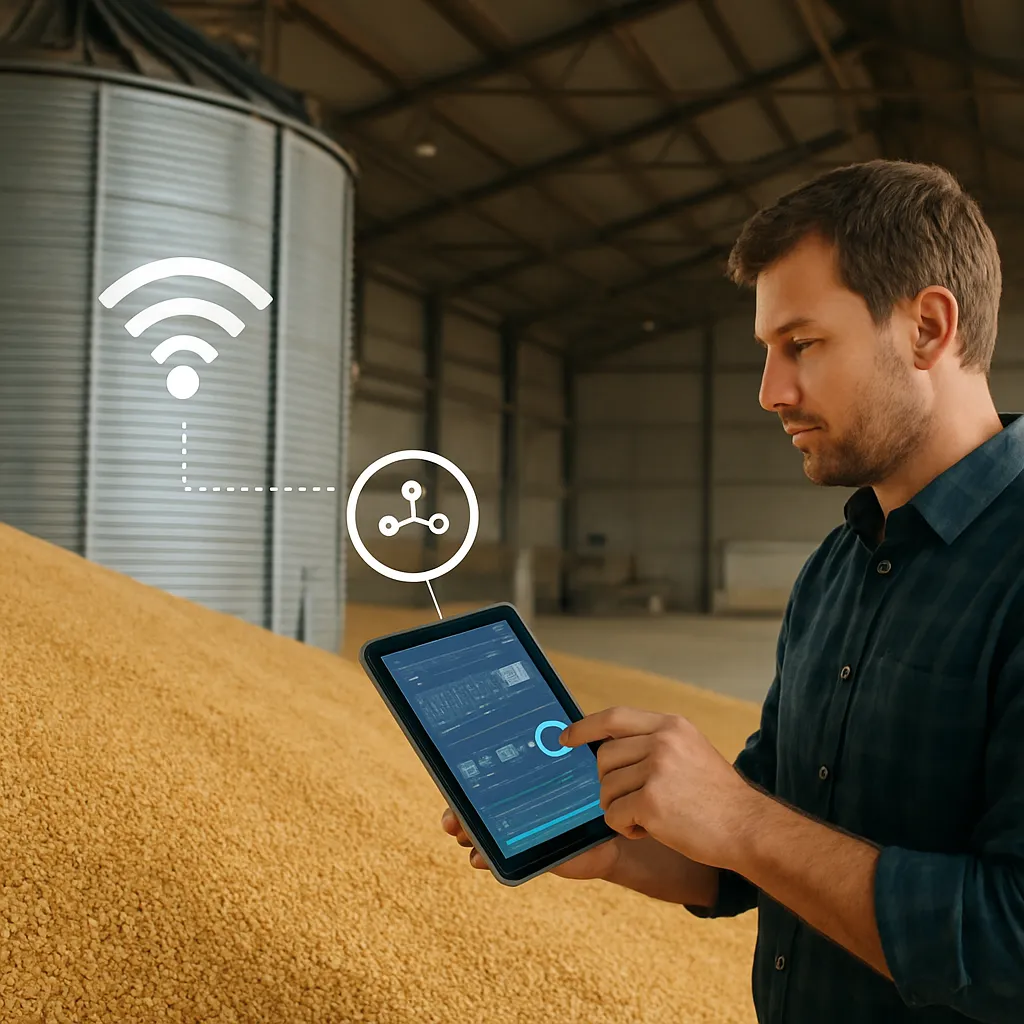
- Edge computing modules that perform local data processing and filter out noise before transmitting essential metrics to the cloud over LPWAN or cellular connections.
By deploying a network of these devices, grain managers achieve greater operational control. Alerts can be configured to trigger when sensor values cross predefined thresholds, enabling automated aeration fans, dehumidifiers, or corrective measures without human intervention. Moreover, open communication protocols and standardized interfaces facilitate seamless integration of multi-vendor equipment, paving the way for comprehensive monitoring ecosystems.
Real-Time Data and Predictive Analytics
Collecting raw sensor readings is only the first step in harnessing the power of the Internet of Things. Advanced analytics platforms aggregate and visualize data streams to unlock deeper insights:
- Time-series analysis reveals long-term trends in temperature and moisture, allowing managers to anticipate storage issues before they escalate.
- Machine learning models predict spoilage risk based on historical patterns, ambient weather forecasts, and grain type. These algorithms can forecast quality degradation days or weeks ahead.
- Digital twins of grain silos simulate airflow dynamics, enabling operators to optimize aeration schedules and energy consumption while maintaining ideal conditions.
- Dashboards present key performance indicators—such as efficiency ratios, energy usage, and spoilage rates—in clear visual formats accessible on desktop or mobile devices.
With these capabilities, large agribusinesses and independent farmers alike gain a predictive edge. Instead of reacting to emergencies, they proactively schedule maintenance, plan inventory flows, and negotiate better prices by guaranteeing superior grain quality. Real-time alerts can even integrate with automated controls: if a moisture sensor exceeds a safe limit, an aeration fan initiates until humidity returns to an acceptable range. This closed-loop approach maximizes storage life and minimizes waste.
Benefits for Stakeholders in the Grain Market
From farm gates to global exporters, every participant in the supply chain experiences tangible gains:
- Producers reduce post-harvest losses by up to 20% through continuous monitoring and swift corrective actions. Better quality also translates into premium pricing.
- Elevator operators lower operating costs by optimizing fan runtimes and energy usage, thanks to precise environmental control based on actual sensor readings.
- Logistics providers enhance shipment visibility with GPS-enabled tracking, ensuring on-time deliveries and reducing spoilage during transit.
- Processors and mills secure raw materials with consistent quality parameters, minimizing downtime and product recalls caused by contaminated or discolored grain.
- Traders and exporters leverage documented traceability records to comply with international food safety standards, opening new markets and commanding higher export premiums.
- Consumers benefit indirectly through improved food safety, fewer supply disruptions, and a more transparent origin story for their staple foods.
As an example, a cooperative in the Midwest implemented an IoT-enabled grain bin network and achieved a 30% reduction in spoilage claims within the first harvest cycle. Meanwhile, a shipping consortium in the Black Sea region integrated temperature monitors into bulk carriers, cutting insurance costs by demonstrating reduced risk of cargo damage.
Challenges and Future Directions
Despite its promise, widespread IoT adoption in grain monitoring faces several hurdles:
- Connectivity gaps in rural areas can hamper real-time data transmission, necessitating hybrid networks that combine satellite, cellular, and local mesh technologies.
- Data security concerns arise when sensitive operational metrics become vulnerable to cyber attacks. Encryption, secure authentication, and regular firmware updates are essential safeguards.
- Interoperability remains a challenge as legacy systems and proprietary protocols complicate seamless integration. Industry-wide standards are needed to ensure plug-and-play compatibility.
- Initial investments in hardware, software, and training may deter small-scale producers. Subsidies, leasing options, and cooperative models can lower the barrier to entry.
- Data ownership and governance questions emerge when third-party service providers collect and process farm-level information. Transparent data-sharing agreements and privacy policies are critical.
Looking ahead, the convergence of IoT with blockchain and artificial intelligence promises even greater enhancements. Blockchain can provide immutable transaction ledgers for grain origin and handling events, while AI-driven optimization engines could autonomously adjust environmental controls based on predictive forecasts. As 5G networks expand into rural regions, ultra-low latency connections will unlock new applications, such as real-time video monitoring of silo interiors via drone cameras integrated with IoT platforms.
By embracing these innovations, the grain industry stands to achieve unmatched levels of quality assurance, resource efficiency, and market transparency—fueling the next era of agricultural productivity without compromise.