

Effective management of post-harvest losses remains a critical challenge for the global grain market. By integrating cutting-edge technologies, stakeholders can achieve significant improvements in efficiency, cost savings, and food preservation. This article explores key innovations that are transforming the way grains are stored, processed, and distributed, ensuring higher returns for producers and greater food security for consumers.
Technological Innovations in Grain Storage
Storage facilities have evolved from simple warehouses to sophisticated environments that safeguard grain quality through precise control of temperature, humidity, and atmospheric composition. These developments not only reduce spoilage but also contribute to better quality control and longer shelf life.
Controlled Atmosphere Storage
Controlled Atmosphere (CA) systems adjust oxygen, carbon dioxide, and nitrogen levels inside storage units. By lowering oxygen concentrations and elevating CO₂, CA storage slows metabolic activity in pests and microbes. Key benefits include:
- Reduced biological activity and infestation
- Minimized fungal growth and mycotoxin development
- Extended safe storage duration
Hermetic and Vacuum-Sealed Bins
Hermetic storage creates airtight conditions, preventing external gases and insects from compromising grain integrity. Vacuum-sealed bins take this further by extracting air entirely, creating near-zero oxygen environments. Main advantages:
- Complete insect containment without chemicals
- Preservation of seed viability for future planting
- Lower reliance on fumigants, promoting sustainability
Advanced Drying and Sorting Techniques
Improving efficiency during the initial drying and sorting phases is crucial for preventing quality degradation. Modern systems harness renewable energy, automation, and precise measurement tools to optimize these processes.
Solar-Assisted and Hybrid Dryers
Traditional mechanical dryers often rely on fossil fuels, but solar-assisted models integrate photovoltaic panels or solar thermal collectors. Hybrid dryers switch seamlessly between solar and gas or electricity. Benefits include:
- Lower operational costs and carbon footprint
- Consistent drying performance during variable weather
- Scalable designs suitable for smallholders and large cooperatives
Optical Sorting and Grain Cleaning
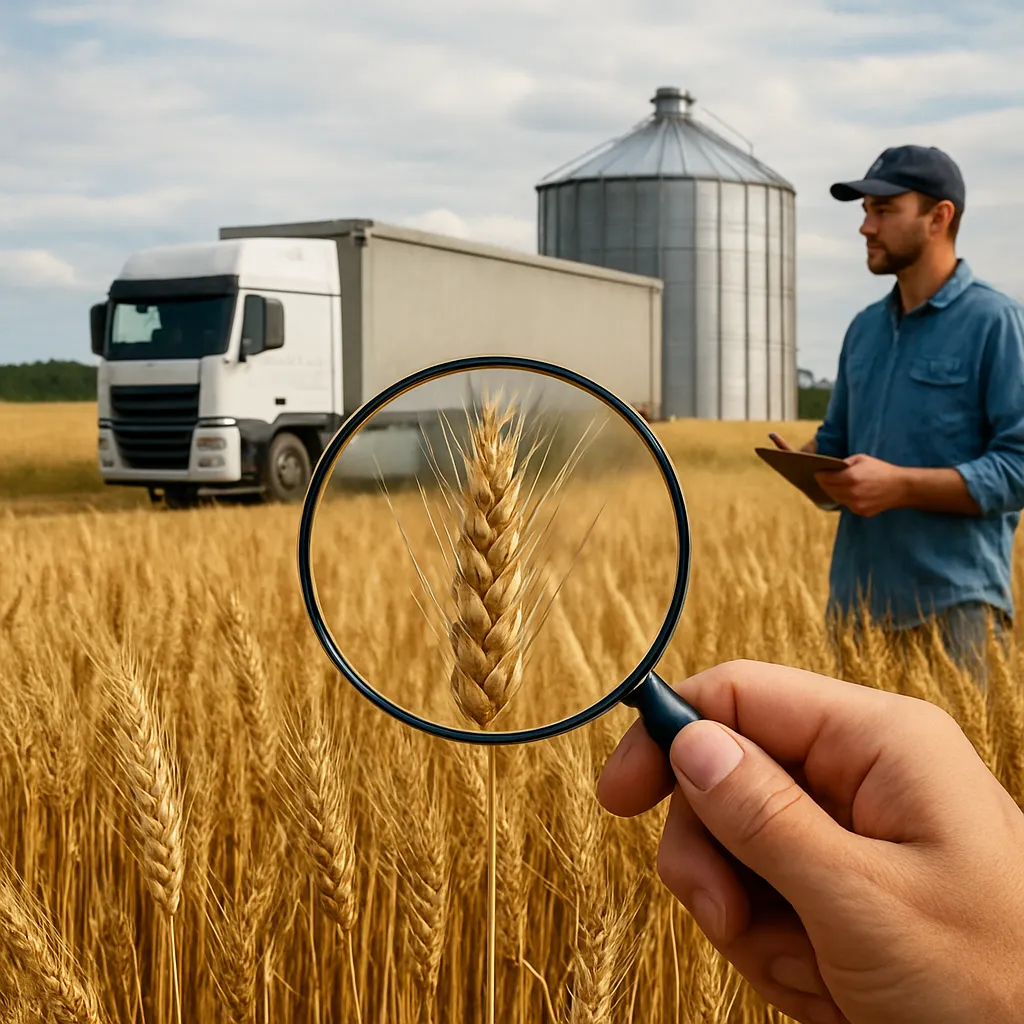
Optical sorters use cameras, lasers, and air jets to detect and remove discolored, insect-damaged, or contaminated grains. When combined with magnets and density separators, these systems achieve remarkable optimization of final product quality:
- Enhanced removal of foreign materials
- Minimized manual labor and errors
- Improved marketability and higher premiums
Digital Monitoring and Data Analytics
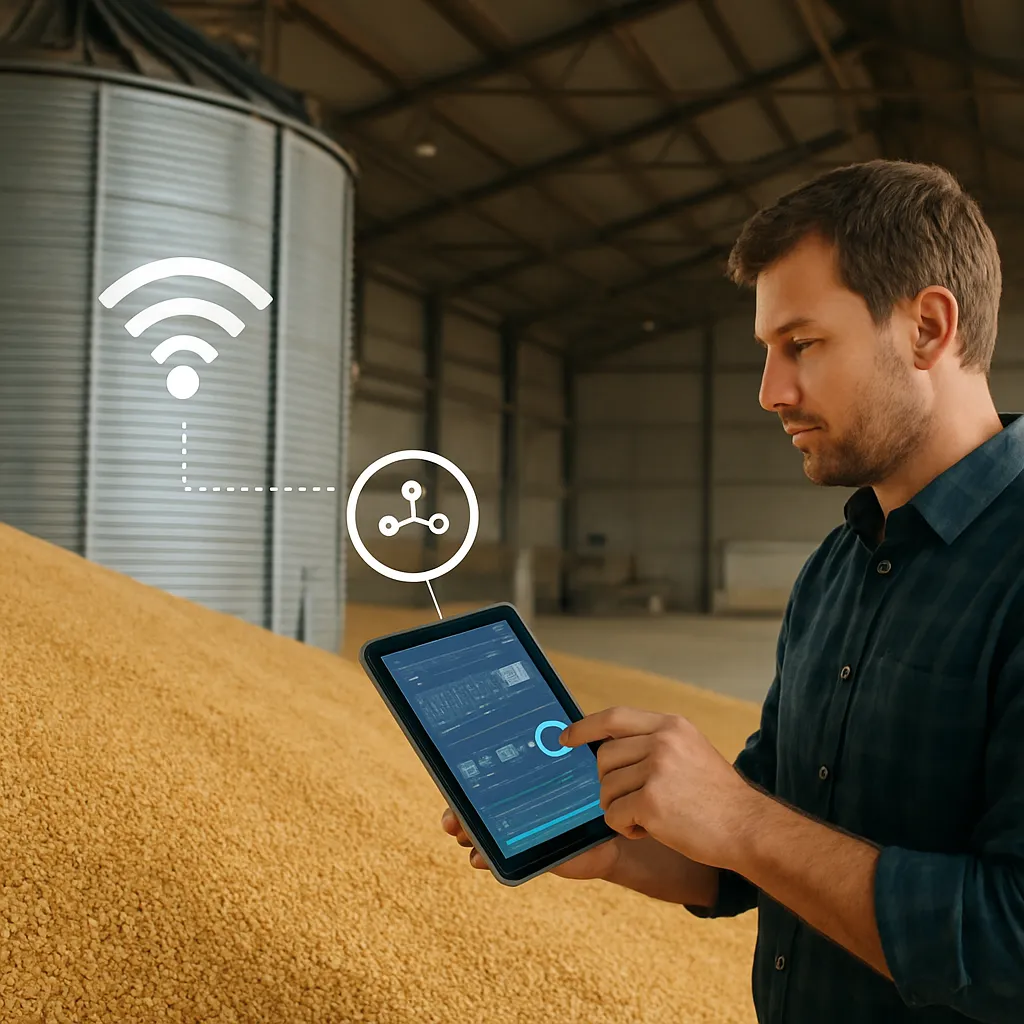
Real-time information is essential for proactive decision-making. Digital tools, connected sensors, and cloud-based platforms provide continuous insight into storage conditions, enabling managers to react before losses escalate.
Sensors and Internet of Things (IoT)
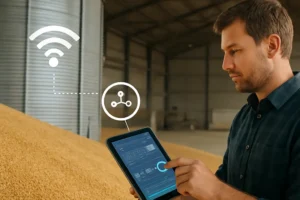
IoT devices track grain temperature, moisture content, and gas concentrations at multiple points within a silo. Data is transmitted to a centralized dashboard for analysis. Core advantages:
- Instant alerts on threshold breaches
- Reduction of hot spots and mold outbreaks
- Lower energy consumption via targeted interventions
Predictive Analytics and Machine Learning
By applying machine learning algorithms to historical and real-time data, platforms can forecast potential risks such as insect infestations or moisture spikes. These predictive models enable:
- Early warning systems that prioritize actions
- Resource allocation based on probability of spoilage
- Continuous improvement through feedback loops
Blockchain for Traceability
Blockchain provides immutable records of a grain’s journey from farm to final user. Each transaction—harvest date, storage conditions, transport milestones—is logged in a distributed ledger. Key outcomes:
- Enhanced traceability and transparency
- Faster recall management in case of contamination
- Increased trust among supply chain participants
Integration of Robotics and Automation
Reducing manual handling in grain operations lowers the risk of contamination and human error. Automated systems, from loading conveyors to robotic sampling arms, streamline workflows and reinforce safety protocols.
Automated Conveyance Systems
Robust conveyor networks equipped with variable speed drives and weight sensors regulate flow rates to prevent grain damage. These systems:
- Maintain uniform loading and unloading
- Minimize spillage and dust generation
- Optimize labor utilization for higher throughput
Robotic Sampling and Quality Inspection
Robotic arms collect representative grain samples for on-site testing. Integrated spectrometers can measure moisture, protein, and contamination levels instantly. Benefits include:
- Elimination of sampling bias
- Rapid feedback for continuous monitoring
- Reduced downtime compared to manual labs
Emerging Trends and Future Outlook
The convergence of biotechnology, nanotechnology, and advanced engineering promises further reductions in post-harvest losses. Innovations such as enzyme-based treatments, nano-coatings for grain kernels, and autonomous mobile storage units are on the horizon.
Biocontrol Agents and Biopesticides
Microbial formulations target specific pathogens and pests without harming beneficial organisms. These sustainable solutions work in tandem with hermetic storage, offering a chemical-free approach to preservation.
Nano-Encapsulation for Extended Shelf Life
Nano-coatings loaded with natural antioxidants and antimicrobials can be applied to grains, forming a protective barrier. Expected benefits:
- Continuous release of preserving agents
- Protection against moisture ingress
- Reduced reliance on temperature control alone
Autonomous Mobile Silos
Self-navigating storage modules can relocate grain to optimal environmental zones based on real-time weather and market demand. These units will feature integrated automation and AI-driven route planning to minimize handling and distribution inefficiencies.