



The prospect of adjusting government support mechanisms holds the potential to redefine the global grain landscape. As policymakers debate the future of subsidies, producers, traders and consumers anticipate shifts in production patterns, price structures and risk management strategies. This article explores how targeted reforms could trigger a cascade of developments across the spectrum of grain agriculture and trade, with implications for market efficiency, food security and environmental stewardship.
Economic Impacts of Subsidy Reforms
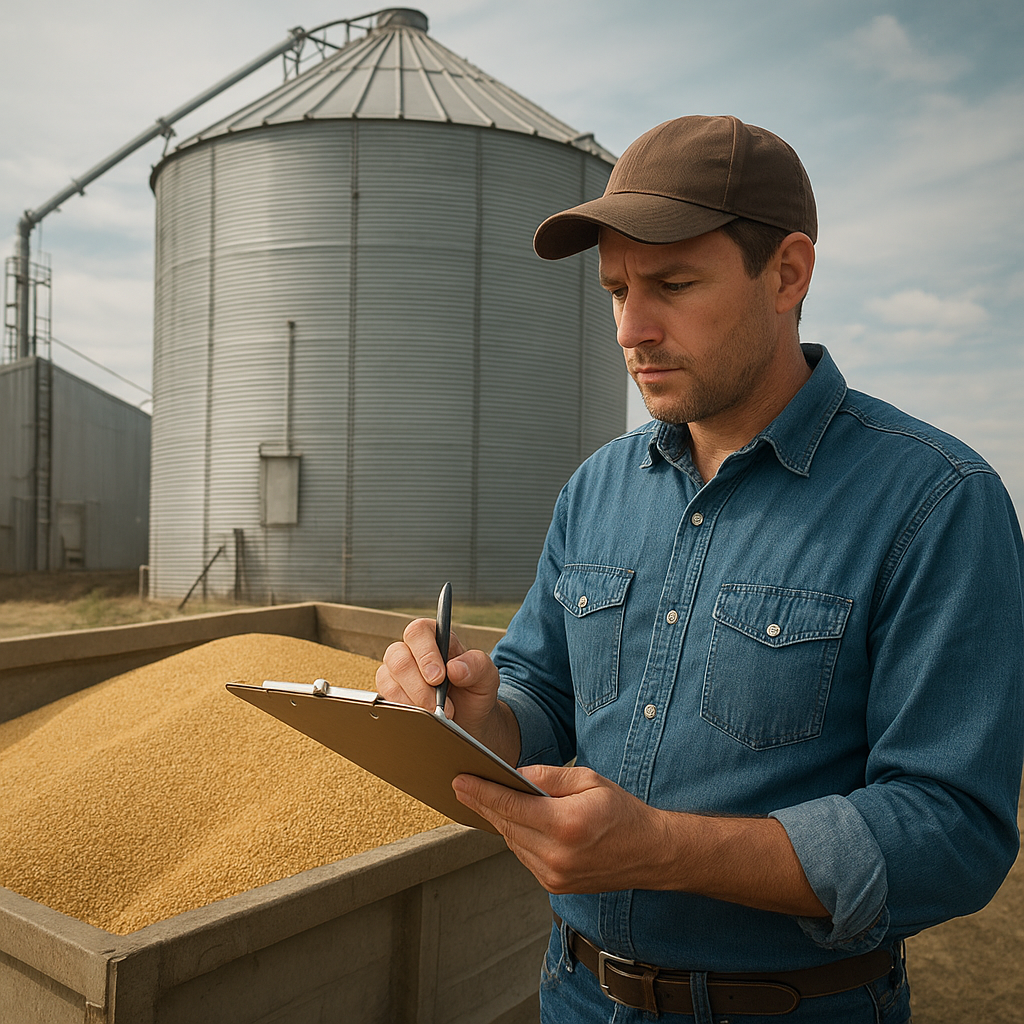
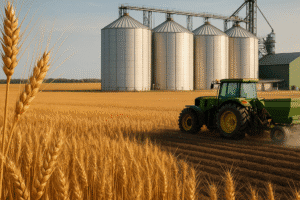
Adjusting or eliminating traditional farm payments may spark significant changes in production incentives. In regions where support schemes have long shielded farmers from market fluctuations, reform could lead to a more responsive allocation of land, capital and labor. Lower-cost producers with access to advanced technology may expand acreage, while less competitive operations could downsize or exit the sector. Over time, this rebalancing can enhance overall efficiency in grain production.
However, the transition period could be marked by increased volatility in farm incomes. Without guaranteed transfers, smaller or specialized growers may struggle to manage unexpected yield shortfalls or commodity price swings. Brokered hedging and insurance products will become more attractive, but their adoption often lags behind policy shifts. In the absence of effective risk management tools, governments could face pressure to reintroduce ad hoc supports at times of crisis.
Reallocation of Resources
- Land use: Marginal fields may convert to alternative crops, bioenergy or conservation cover if cereals lose relative profitability.
- Capital investment: Farms may accelerate mechanization or precision agriculture to reduce per-unit costs and protect margins.
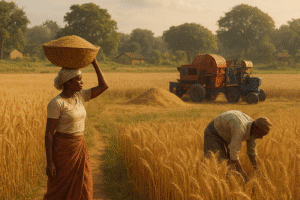
- Labor: Regions with lower productivity could see workforce migration toward urban centers or higher-value segments of agriculture.
As the subsidy regime evolves, international competitiveness will also adjust. Regions with naturally favorable climates, established value chains and robust infrastructure will attract more investment. By contrast, high-cost areas may cede volume to imports, reshaping global trade balances.
Supply Chain and Trade Dynamics
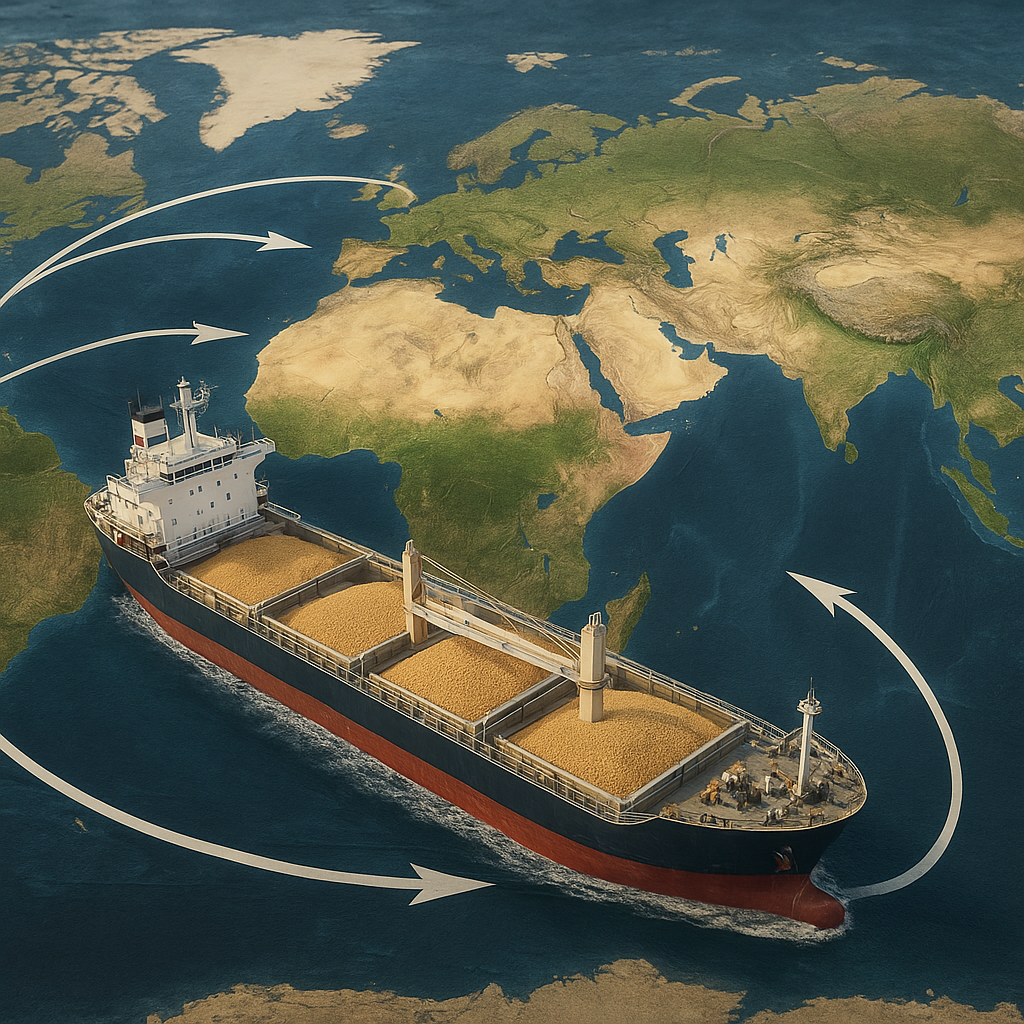
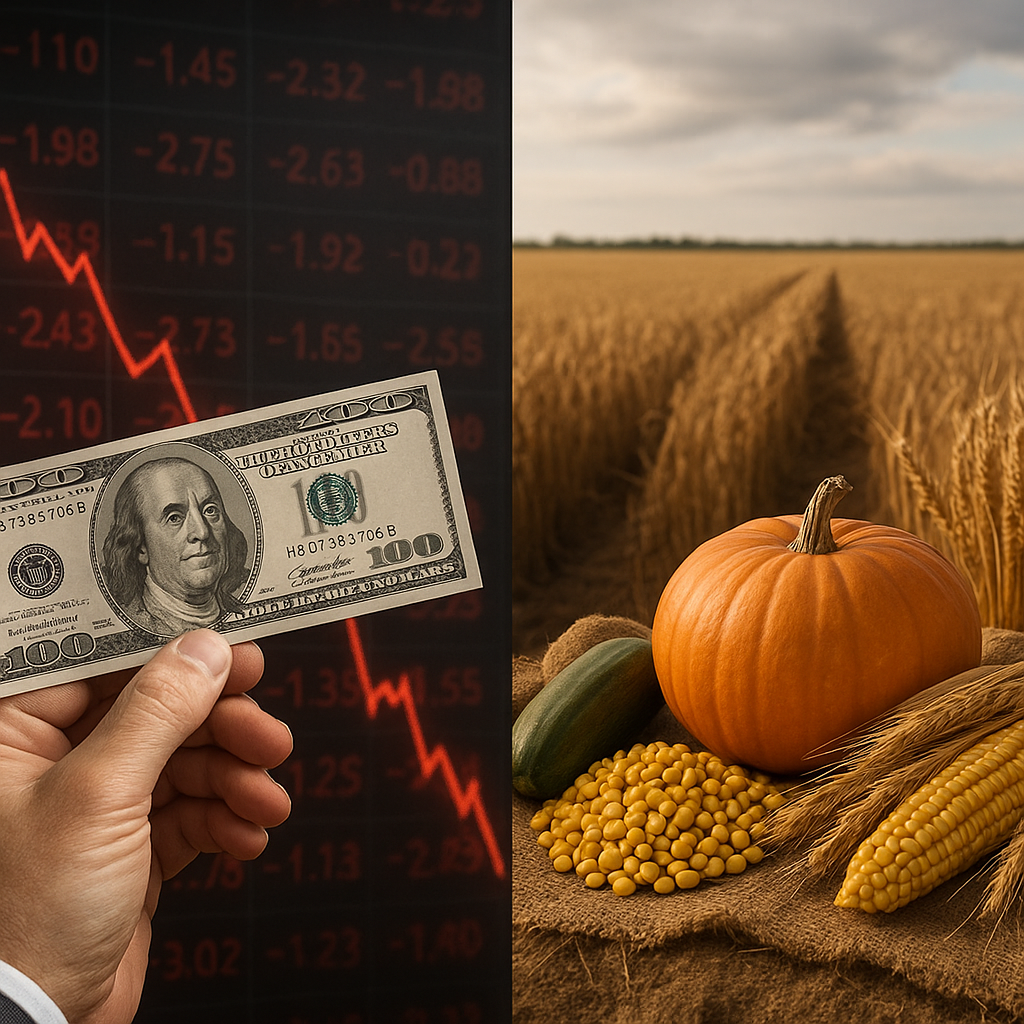
Subsidy reforms in large exporting countries can influence global flows of wheat, maize, rice and barley. When major producers reduce exportable surpluses, world prices may firm, benefiting farmers in net-importing nations but raising concerns over affordability. Conversely, if reforms unlock latent capacity in cost-efficient regions, grain supplies may swell, exerting downward pressure on international quotations.
Logistical factors—ports, rail networks and storage—will play a pivotal role in determining which grains respond most quickly to policy changes. Improved supply chain integration enhances the ability to match surplus with demand, mitigating temporary shortages or surpluses that could otherwise amplify price spikes.
Trade Policy Interactions
- Tariffs and quotas: Nations may adjust trade barriers to protect domestic producers facing new market realities.
- Regional agreements: Free trade pacts could accelerate shifts in trade flows by reducing transaction costs.
- Non-tariff measures: Sanitary and phytosanitary standards may be leveraged to manage import volumes.
Beyond raw volumes, reform-driven shifts may alter quality segmentation in export markets. For instance, premium milling wheat could see different trade patterns from feed-grade corn, depending on local subsidy structures and processing capacities.
Environmental and Social Considerations
Reforming direct payments offers an opportunity to align agricultural practices with broader ecological objectives. By redirecting support toward outcomes—such as reduced soil erosion, enhanced water quality or increased carbon sequestration—policymakers can incentivize sustainable intensification rather than blanket area-based subsidies. Programs that reward ecosystem services encourage innovation in crop rotation, cover cropping and precision nutrient management.
At the same time, subsidy withdrawal may expose vulnerable farming communities to economic hardship. Without transitional assistance or targeted retraining, rural depopulation could accelerate, undermining the social fabric in areas historically reliant on grain cultivation. A balanced approach often includes safety-net measures that phase out traditional payments while introducing measures for sustainability and resilience.
Climate Resilience and Adaptation
- Drought insurance: Linking support to adoption of drought-tolerant varieties reduces risk while promoting climate-smart agriculture.
- Soil health incentives: Payments for practices that boost organic matter help to maintain long-term yield potential.
- Water management: Subsidies tied to efficient irrigation technologies can conserve scarce freshwater resources.
By focusing on long-term resource preservation, governments can foster a grain sector capable of withstanding future climatic shocks without resorting to emergency bailouts.
Policy Recommendations and Future Outlook
Designing effective subsidy reforms requires a nuanced understanding of local agronomic conditions, market structures and social dynamics. Policymakers should consider the following strategic elements:
- Gradual phase-out: Implementing multi-year transition plans reduces market disruption and gives farmers time to adapt.
- Targeted support: Redirecting funds toward research, innovation and risk management tools can bolster competitiveness without distorting production choices.
- Monitoring and evaluation: Robust data collection and analysis ensure that reforms achieve desired outcomes and enable timely course corrections.
Looking ahead, global grain markets may emerge more market-driven and less dependent on direct payments. Producers who embrace innovation in genetics, mechanization and digital agriculture will likely gain an edge, while those that rely solely on price supports may face consolidation pressures. Ultimately, the realignment of incentives could foster a more resilient, efficient and environmentally conscious grain sector—provided that reforms are carefully calibrated to minimize unintended social and economic side effects.