




The intricate web of global grain trade has become increasingly sensitive to political maneuvering, with government-imposed sanctions reshaping traditional corridors, altering price dynamics, and testing the very resilience of agrifood systems. By examining how restrictions on key players disrupt supply chains from harvest to market, this analysis sheds light on the ripple effects across economies, logistics networks, and national food security. Understanding these mechanisms is vital for stakeholders seeking to navigate an era marked by growing geopolitical fragmentation.
Geopolitical Tensions and Market Disruptions
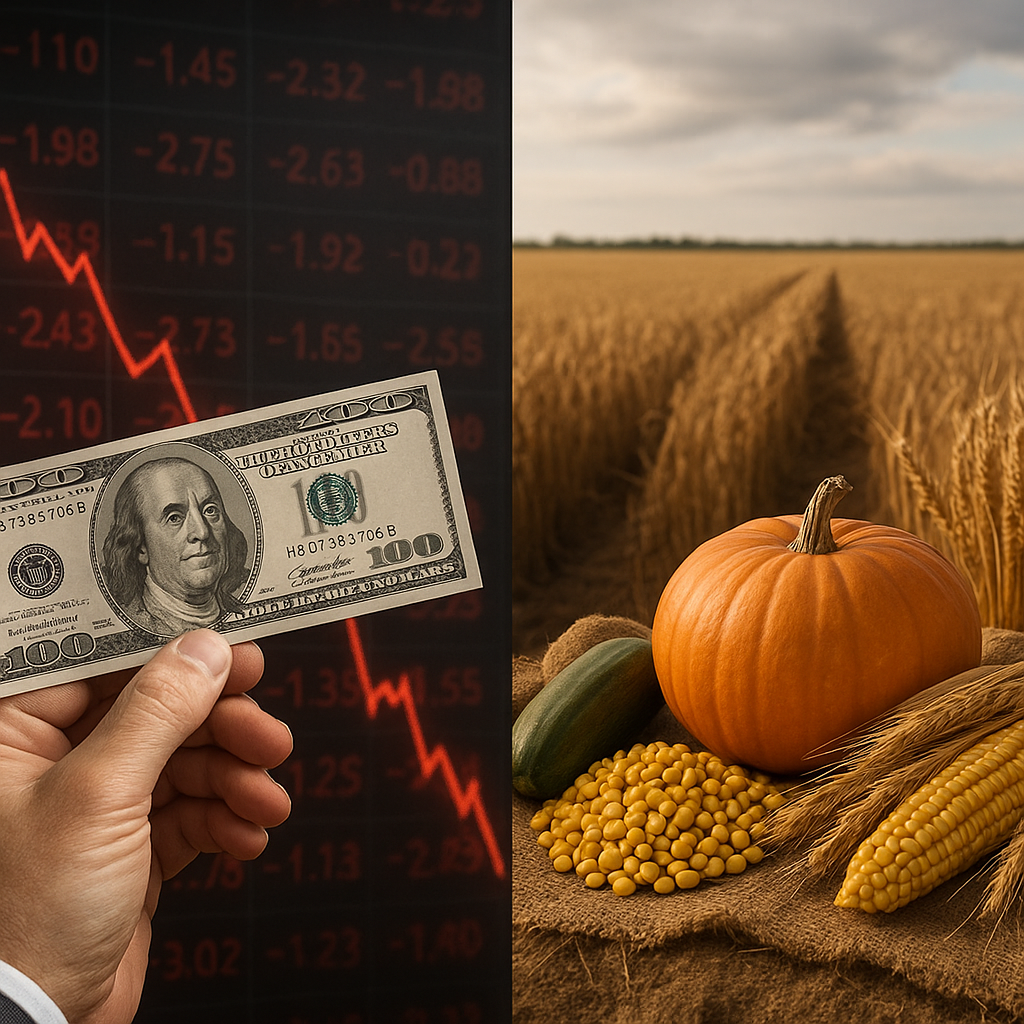
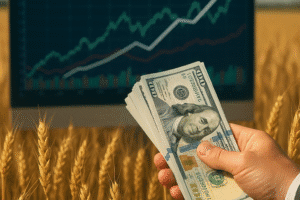
Geopolitical disputes often translate into targeted measures against a nation’s agricultural exports. When major grain suppliers face export bans, freezing of trade assets, or restrictions on maritime access, global commodity markets experience immediate tremors. For instance, sanctions on a top wheat exporter can drive up futures prices on international exchanges, prompting speculators to bid up contracts and spurring purchasing nations to scramble for alternative sources. These policy tools may aim to isolate governments, but their unintended consequences frequently manifest as higher consumer costs and supply shortages in regions far removed from the point of origin.
Key channels through which sanctions disrupt trade include:
- Blocking of financial transactions: Without the ability to insure shipments or process payments, exporters struggle to enter long-term contracts, while importers face credit constraints.
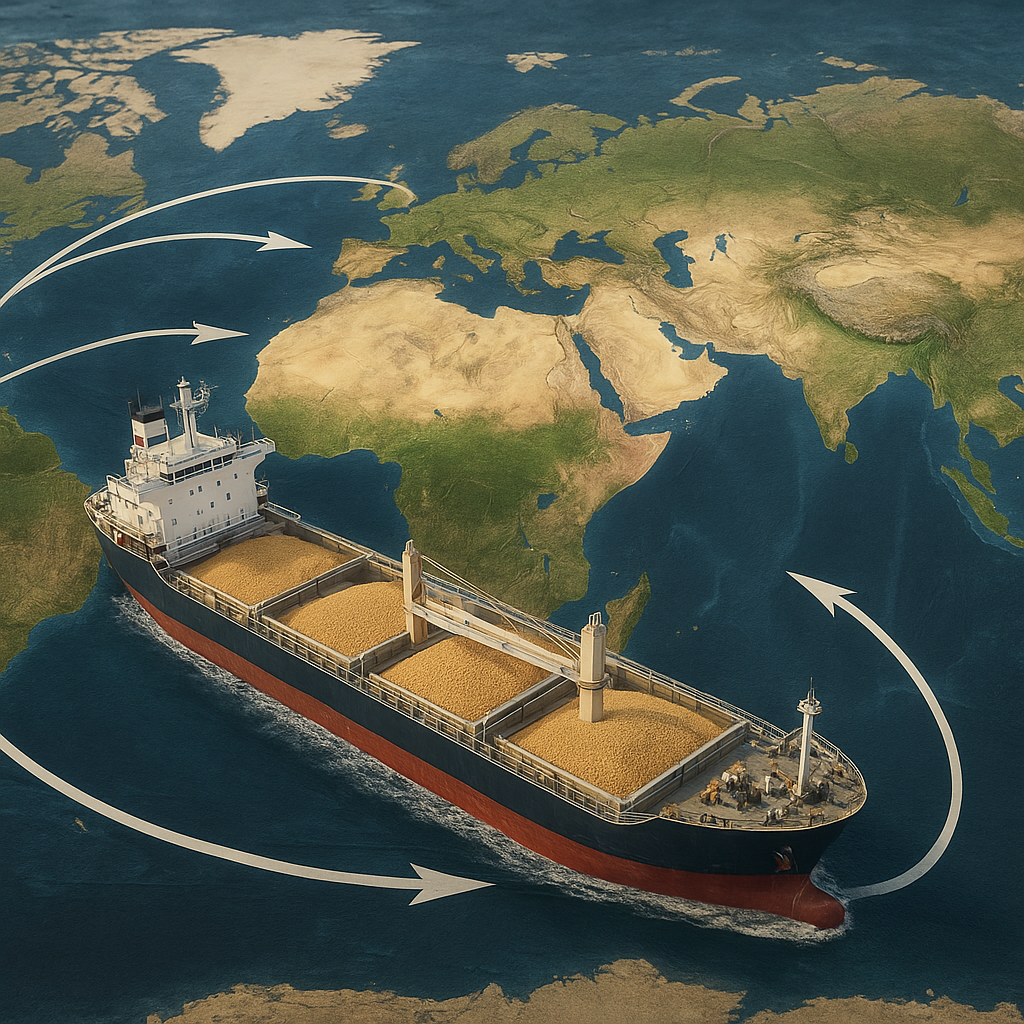
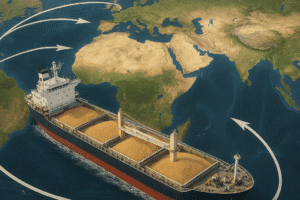
- Port closures or limited access: Restrictions on shipping lanes create bottlenecks, forcing vessels to reroute through longer, costlier corridors.
- Trade embargoes: Comprehensive bans on commodity sales effectively remove suppliers from the global pool, amplifying volatility in supply-demand balances.
Impact on Exporting Countries
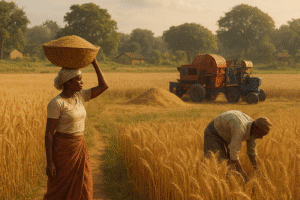
Sanctioned grain producers often witness dramatic shifts in their agricultural economies. Domestic growers may suffer from price collapses if traditional foreign buyers pivot to alternative suppliers. In response, governments might introduce producer subsidies or guaranteed minimum prices to stabilize rural incomes. While such interventions cushion farmers in the short term, they can distort market signals and hamper long-term competitiveness.
Case Study: Black Sea Wheat Flows
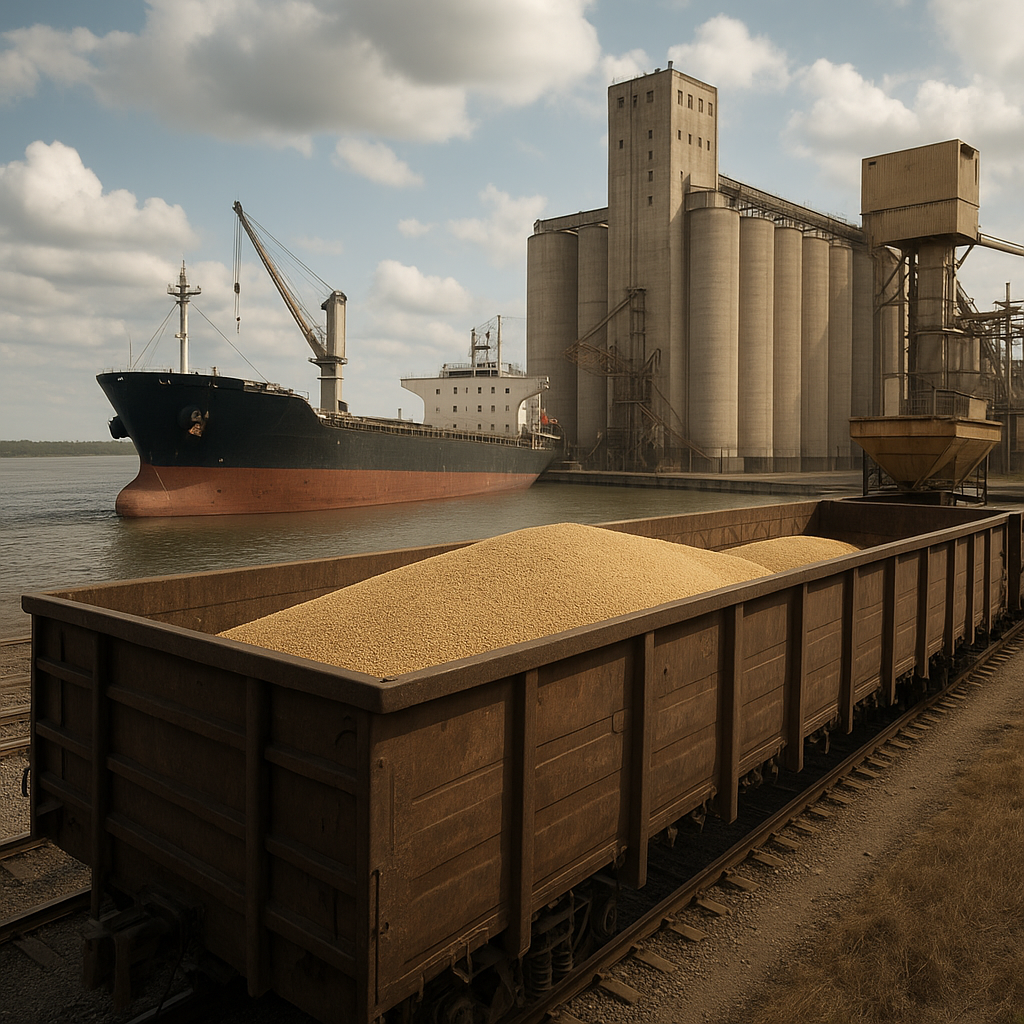
When sanctions targeted shipping companies and port facilities in a major exporting region, grain shipments were rerouted through neighboring countries’ terminals. This strategy alleviated some export capacity but came at a steep logistical premium. Trucks and railcars replaced bulk carriers for first-mile transport, driving up freight costs by an estimated 20% and slowing down delivery times by weeks. The cumulative effect translated into higher global wheat prices, illustrating how even partial sanctions can have outsized consequences.
Domestic Adjustments and Social Strain
- Inventory buildup: Exporters holding unsold stocks may see storage costs soar while waiting for market reentry.
- Labor displacement: Dockworkers and grain handlers face layoffs when port throughput declines.
- Fiscal pressure: Governments ramp up budget outlays to support farmers, diverting funds from other public services.
Challenges for Importing Nations
Economies that rely heavily on imported cereals—such as wheat, maize, and barley—find themselves vulnerable when long-standing suppliers become inaccessible. To secure essential foodstuffs, importers must explore alternative regions, often at higher costs and with lower reliability. Such shifts can exacerbate inflationary pressures, especially in low-income countries where food constitutes a large share of household expenditures.
Primary obstacles include:
- Limited supplier diversification: Countries formerly dependent on one or two exporters may lack established trade relationships elsewhere.
- Currency instability: Paying for new suppliers’ grain in different currencies can expose importers to forex risks.
- Quality and phytosanitary standards: Grain from new regions may require additional testing and handling protocols, delaying market entry.
Logistics, Insurance, and Financial Hurdles
The physical movement of grain relies on a finely tuned interplay of shipping companies, rail networks, port infrastructure, and warehousing facilities. Sanctions frequently target the financial lifelines of these operators. Without access to international insurance or correspondent banking, logistics firms face route cancellations, leading to container shortages and skyrocketing premiums.
Insurance Restrictions
Global maritime insurance pools often exclude vessels associated with sanctioned entities, leaving shippers to secure risk coverage at vastly inflated rates or forgo service altogether. The absence of legitimate insurance can trigger cascading refusals by ports to handle uncertified cargo, further fragmenting logistics chains.
Payment and Credit Barriers
When banks are barred from facilitating grain trade finance, exporters and importers resort to alternative settlement methods, such as barter arrangements or complex cross-border clearing systems. While these workarounds can keep commerce afloat, they introduce legal ambiguities and raise the cost of capital, impeding efficient market functioning.
Adaptation Strategies in Grain Supply Chains
Stakeholders have devised multiple strategies to mitigate the fallout from political sanctions. By enhancing agility and broadening their network of partners, both public and private actors aim to preserve food availability and price stability.
Diversification of Trade Partners
Relying on a single or limited set of exporters amplifies vulnerability. Importing nations increasingly seek grain from emerging suppliers—such as Australia, Brazil, and select African producers—to spread risk. This trend fosters a more balanced global trade ecosystem, albeit one that may sacrifice economies of scale.
Investment in Alternative Corridors
- Overland routes: Expanding railway connections and transshipment hubs reduces dependence on vulnerable maritime passages.
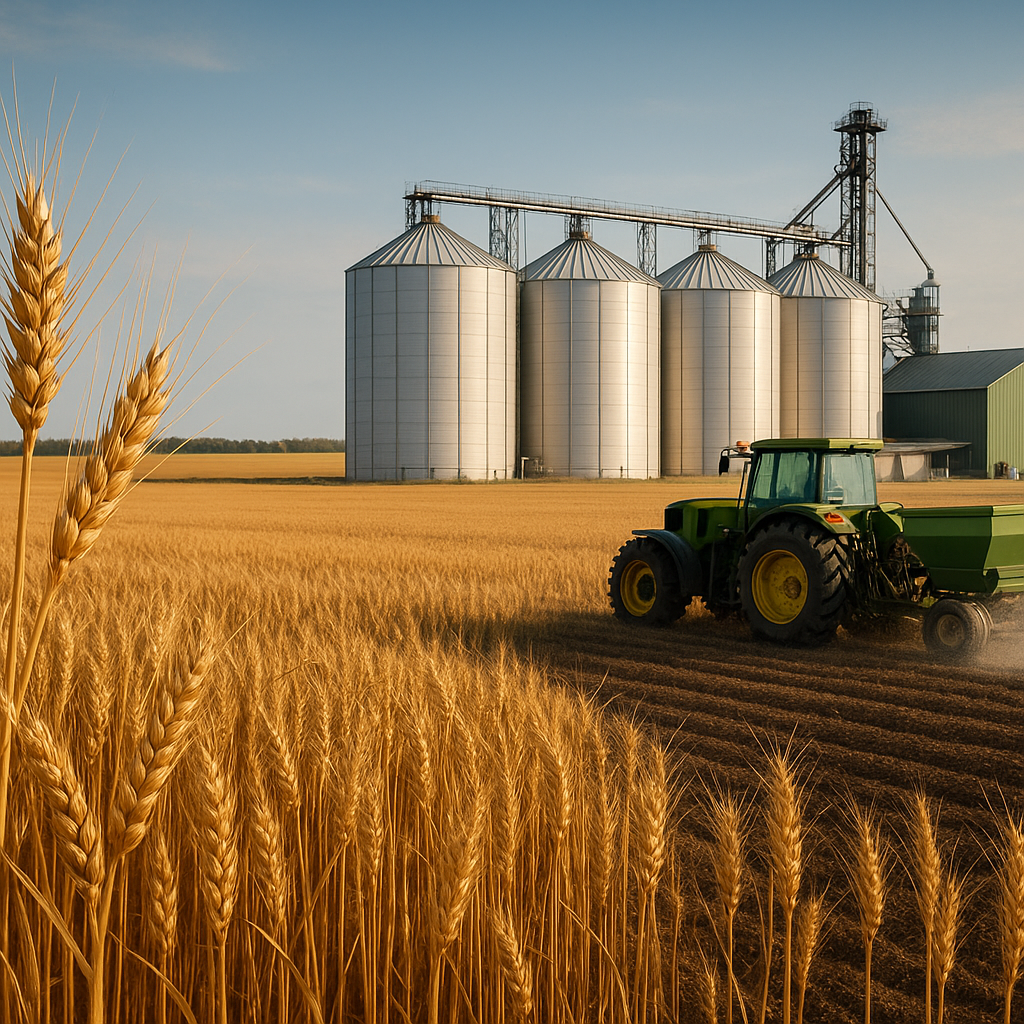
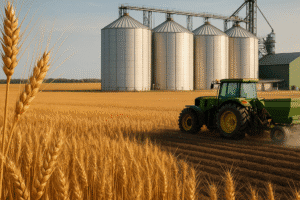
- Inland storage: Building additional silos and grain elevators near agricultural zones improves buffer capacity against external shocks.
- Digital platforms: Blockchain-based traceability systems streamline customs procedures, cutting days off clearance times.
Emerging Technologies and Policy Innovation
New technological and regulatory solutions promise to enhance supply chain transparency and flexibility. Innovations in freight tracking, real-time market intelligence, and smart contracts can circumvent traditional chokepoints. Meanwhile, multilateral forums are exploring guidelines that preserve humanitarian grain flows even amid sanctions regimes.
- Predictive analytics: AI-driven forecasting helps stakeholders anticipate shortages and price spikes, enabling preemptive sourcing decisions.
- Public-private partnerships: Collaborative investment in greenfield port terminals and cold chain infrastructure bolsters capacity.
- Humanitarian carve-outs: Agreements to exempt food shipments from certain sanctions reduce the risk of unintended deprivation in conflict zones.
Future Outlook and Policy Considerations
As geopolitical tensions persist, the global grain trade faces the challenge of balancing legitimate security concerns with the need for uninterrupted food flows. Policymakers must weigh the efficacy of sanctions against their potential to disrupt essential supplies, especially in regions already grappling with food insecurity. Strengthening multilateral coordination, promoting financial inclusion for agribusiness, and fostering resilient logistics networks emerge as key priorities for safeguarding the world’s grain supply in an era of heightened political fragmentation.