


The dynamic interplay of news releases, weather forecasts, trader behavior, and macroeconomic trends profoundly affects how grain prices fluctuate. Understanding the role of market sentiment offers valuable insight into these complex movements. By exploring key indicators, behavioral drivers, and strategic responses, stakeholders can better navigate the ever-evolving grain landscape.
Understanding Market Sentiment in Grain Markets
Market sentiment refers to the overall attitude of participants toward the grain market. This collective mood can be bullish, bearish, or neutral, and it often diverges from what pure fundamentals might suggest. While basic factors like crop yields, planting intentions, and global consumption are critical, psychology and perception can amplify or mute their impact.
- Producer Confidence: Surveys of farmers and agribusinesses measure optimism about production prospects and pricing expectations.
- Trader Positioning: Commitments of traders reports reveal the size of long and short positions held by speculators and commercials.
- News Flow: Headlines on export bans, geopolitical tensions, and policy shifts can quickly change market tone.
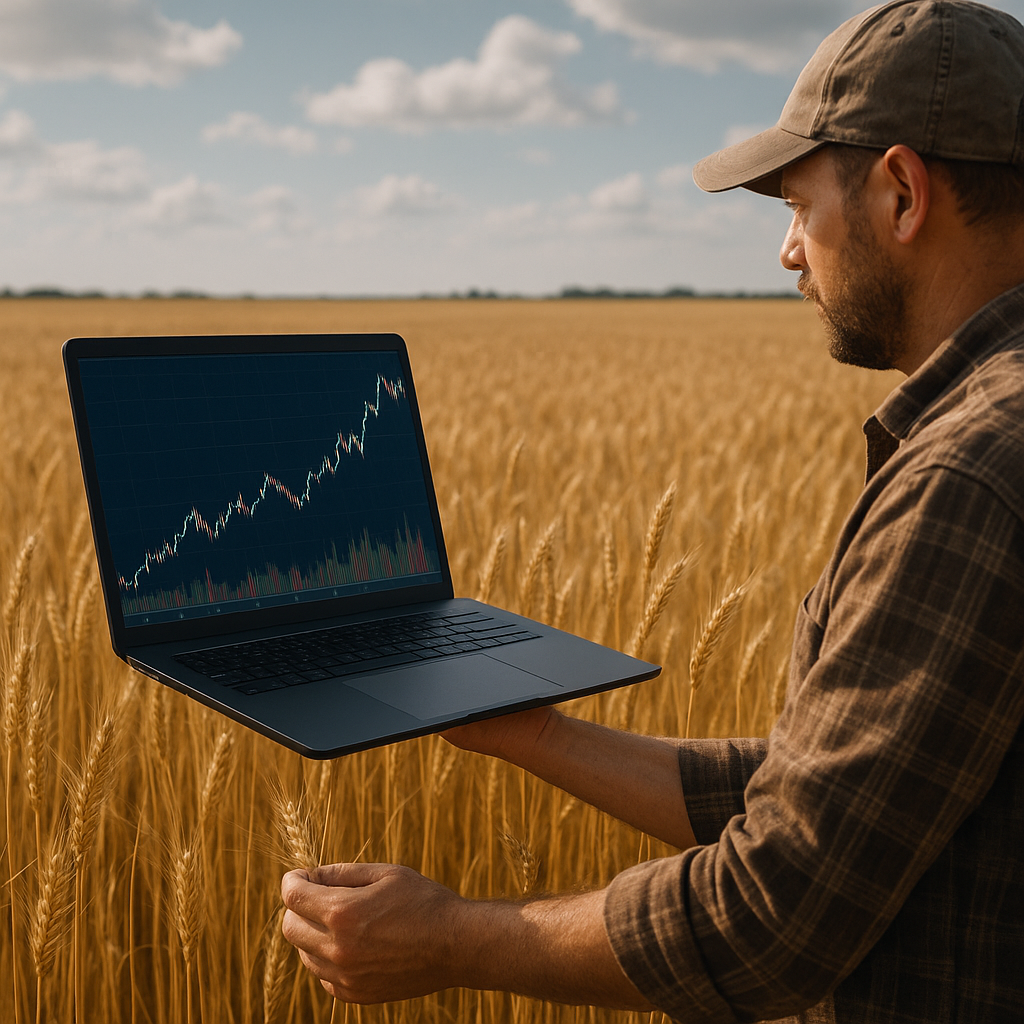
- Technical Trends: Chart patterns and momentum indicators often reflect underlying sentiment shifts before the fundamental data are fully digested.
Sentiment Indicators and Their Influence on Price Movements
Speculative Positions and Commitment Reports
The weekly breakdown of trader commitments offers a snapshot of who is speculation driving price swings. Large speculator shorts can signal pessimism, while a rapid influx of long contracts often indicates burgeoning optimism. These shifts in positioning can trigger stop-loss orders or trend-following strategies, boosting volatility and causing sharp price moves that may not align with immediate supply and demand data.
Weather Forecasts and Media Narratives
Weather plays a pivotal role in grain production. When drought warnings or flood risks dominate headlines, market participants tend to front-run potential supply disruptions. This herd-like behavior can lead prices to overshoot, only to correct later when conditions stabilize. Thus, the interplay between meteorological data and how it’s portrayed in the media can magnify market sentiment beyond objective crop estimates.
Macro Drivers and Cross-Market Influence
Global risk appetite, currency moves, and energy prices often bleed into grain markets. A weakening dollar may embolden buyers, fueling bullish sentiment. Conversely, rising interest rates can dampen risk assets, leading to subdued demand. Traders watch broader indices and commodity benchmarks, seeking correlations that inform grain trading strategies.
Psychology and Behavioral Drivers
Human decision-making often deviates from rational calculation. Cognitive biases, such as confirmation bias and recency bias, shape how news is interpreted. For instance, a minor crop setback can be perceived as a sign of deeper, systemic trouble if recent headlines have already emphasized agricultural risks.
- Herd Behavior: Investors tend to follow the crowd, reinforcing trends until a reversal is forced by extreme valuations.
- Anchoring: Traders may cling to past price levels as reference points, slow to adjust to new realities.
- Loss Aversion: Fear of losing capital leads to quicker selling in falling markets, intensifying downturns.
By recognizing these biases, analysts can better forecast when sentiment-driven rallies might fade or when bearish pressure could exhaust itself, setting the stage for recovery.
Risk Management and Strategic Responses
Grain producers, processors, and investors employ various techniques to shield themselves from erratic price swings driven by market sentiment. Key approaches include:
- Hedging with futures contracts to lock in prices and mitigate downside exposure.
- Purchasing options to retain upside potential while limiting losses if prices move against expectations.
- Utilizing spread trades to benefit from relative moves between different grain types or delivery months.
- Adjusting allocations in diversified commodity portfolios to balance risk and return objectives.
- Implementing systematic trading models that combine sentiment indicators with fundamental triggers for disciplined entries and exits.
Accurate assessment of market mood can refine timing decisions. For example, layering into positions when pessimism peaks may offer favorable entry points, while scaling back in euphoric conditions helps protect gains.
Emerging Trends and the Role of Technology
Advancements in data analytics and artificial intelligence are transforming sentiment analysis. Machine learning algorithms sift through vast volumes of social media posts, news articles, and satellite imagery to generate real-time indicators of farmer sentiment, crop health, and shipping activity. Such tools enhance transparency and may reduce the lag between sentiment shifts and price reactions.
- Sentiment Scores: Quantified measures of bullish versus bearish language in relevant publications.
- Mapping and Imagery: Satellite data tracks planting progress, drought severity, and harvest rates to corroborate or challenge prevailing narratives.
- Blockchain Traceability: Greater supply chain visibility fosters confidence among market participants, potentially dampening speculative extremes.
Conclusion
Market sentiment acts as both amplifier and moderator of grain price dynamics. While solid grounding in fundamentals remains essential, incorporating sentiment analysis provides a more complete perspective. By combining traditional agronomic data with behavioral insights and technological innovations, stakeholders can better anticipate price swings, refine their risk management approach, and capitalize on opportunities that emerge when sentiment diverges from reality.