



As global demographics shift and human societies expand, the agriculture sector must adapt to rising demands for cereals and other grains. A combination of demographic trends, evolving dietary preferences, and market dynamics is reshaping the landscape for wheat, rice, maize, and other essential crops. This article explores how population growth influences grain consumption patterns, supply chain adjustments, technological breakthroughs, regional differences, and the challenges of securing long-term sustainability.
Population Dynamics and Grain Consumption Trends
Population forecasts from leading research institutes predict nearly 10 billion people by mid-century. This surge places significant pressure on grain production. Historically, per capita cereal consumption has risen alongside income growth, urban migration, and changing food cultures. In many emerging economies, consumers are diversifying diets beyond traditional staples, fueling demand for specialized grains such as quinoa and barley.
Key factors driving increased grain demand include:
- Higher household incomes leading to elevated meat consumption, which in turn boosts demand for feed grains like maize and sorghum.
- Rapid urbanization that alters purchasing habits and reduces subsistence farming, increasing reliance on commercial grain markets.
- Governmental policies aimed at ensuring national food security, such as grain stockpiling and import quotas.
Meeting these needs requires focusing on enhanced agricultural productivity and efficient resource use. While traditional expansion of cropland has diminished due to land constraints, innovations in crop management and biotechnology offer pathways to higher yields per hectare. Yet, the tension between maximizing output and preserving soil health remains a delicate balance.
Market Forces and Supply Chain Adaptations
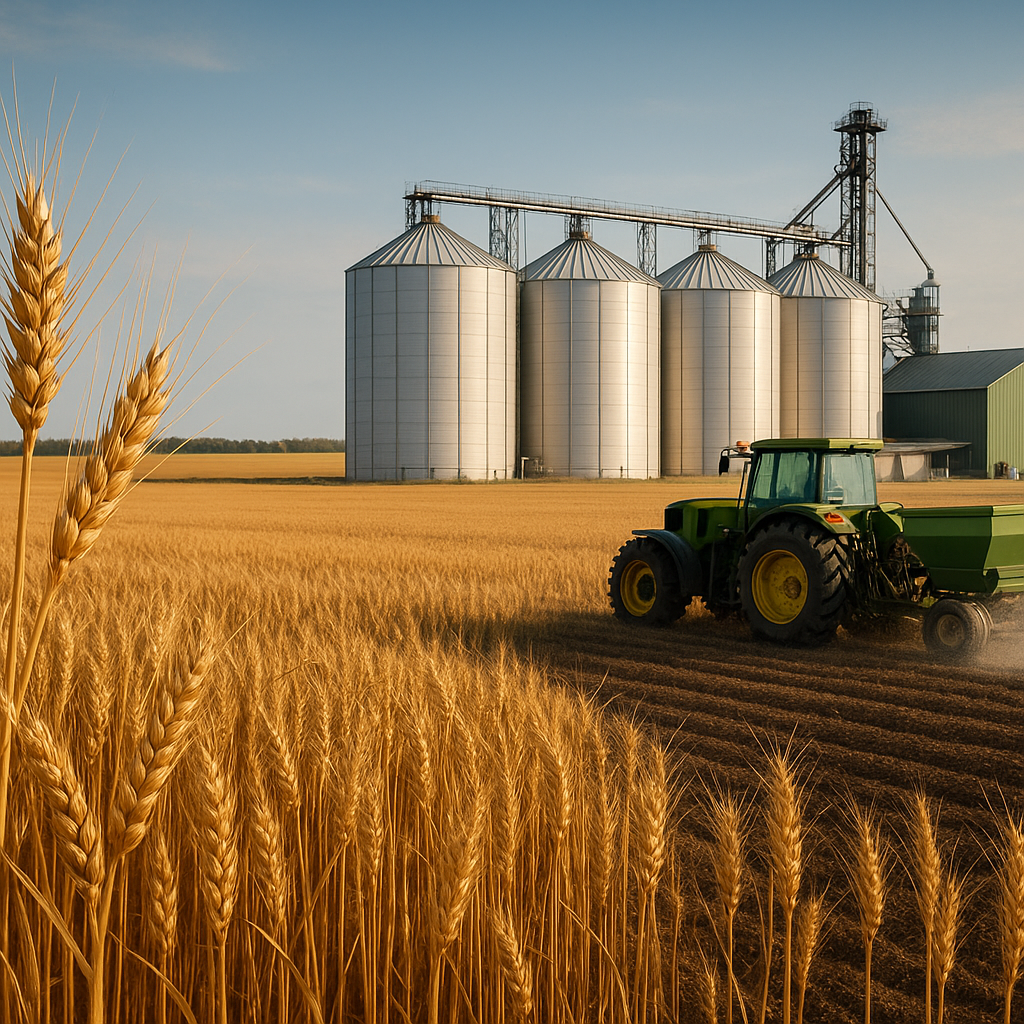
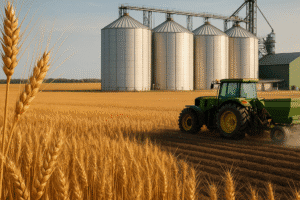
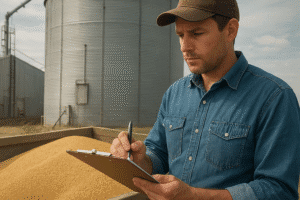
Global grain markets are characterized by complex networks of producers, traders, processors, and consumers. Price volatility can result from weather shocks, policy shifts, or logistical disruptions. To stabilize supplies, many nations invest in modern storage facilities and streamlined distribution systems.
Recent developments include:
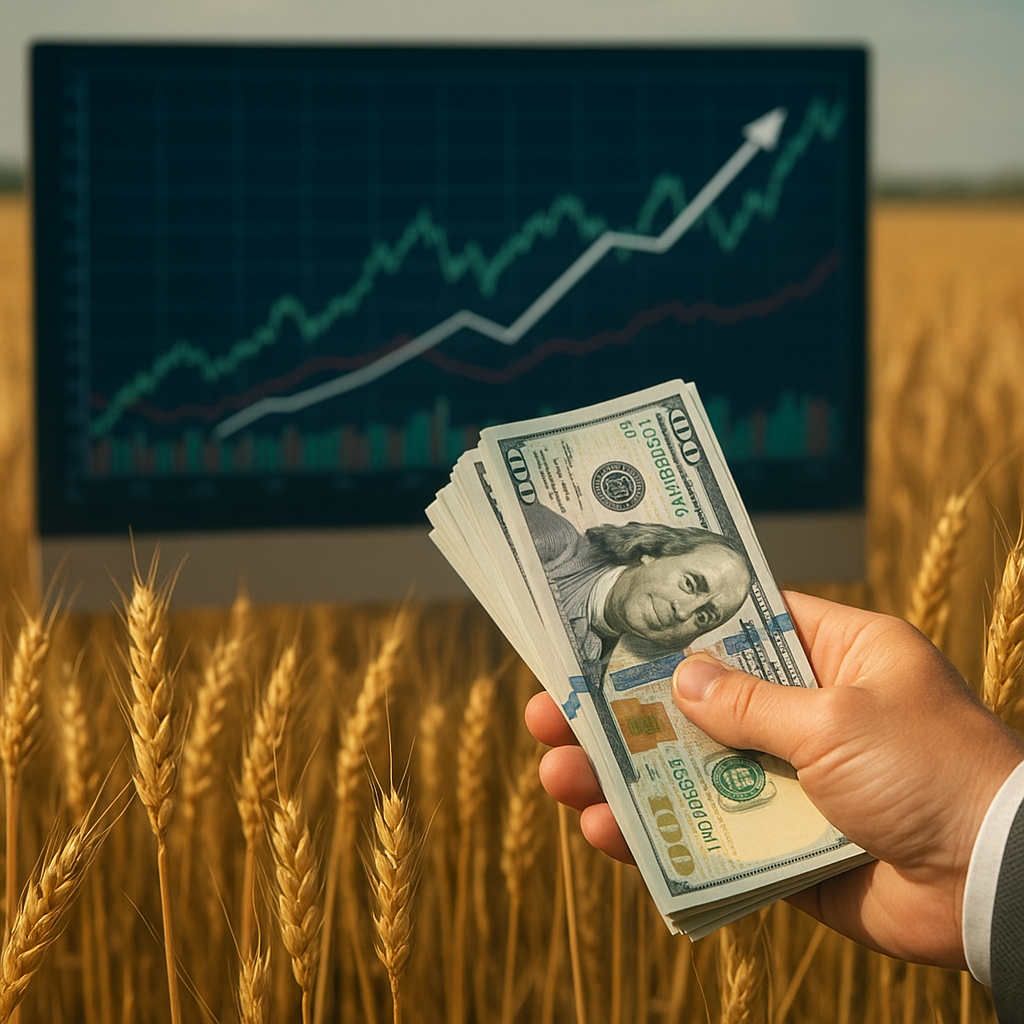
- Digitized commodity exchanges enhancing price transparency for wheat, rice, and maize futures.
- Improved transportation infrastructure such as high-capacity rail corridors and port upgrades, reducing spoilage and transit times.
- Public–private partnerships that finance rural grain silos, ensuring smallholder farmers secure fair prices year-round.
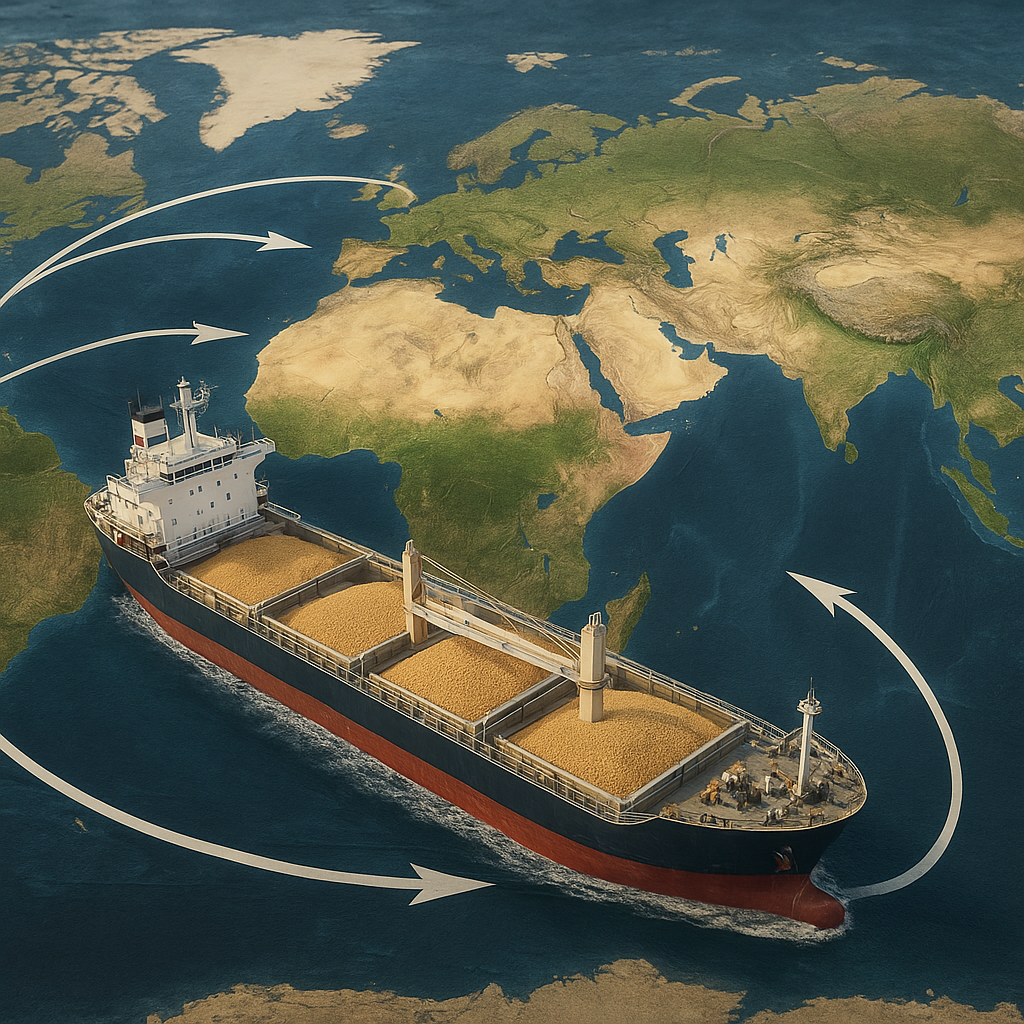
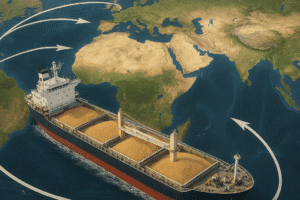
International trade remains a cornerstone of global grain availability. Major exporters like the United States, Brazil, and Australia coordinate through bodies such as the International Grains Council to monitor supply–demand balances. Importing regions in Africa and Asia rely on these shipments to fill gaps created by local production deficits, especially during drought years.
Technological Advances and Sustainable Practices
Advances in agricultural science play a pivotal role in meeting the needs of a burgeoning population. Precision farming techniques employ satellite imagery and sensor networks to optimize water usage, fertilizer application, and pesticide timing, boosting crop yield while minimizing environmental impact.
Biotechnological Innovations
Genetic research has produced resilient grain varieties resistant to pests, diseases, and heat stress. Biotechnology firms collaborate with academic institutions to engineer strains of rice and wheat with enhanced protein content, addressing nutritional deficits in vulnerable populations.
Regenerative Agriculture
A growing movement toward regenerative methods focuses on restoring soil organic matter and biodiversity. Practices like cover cropping, crop rotation, and reduced tillage improve carbon sequestration and water retention, creating more resilient farming systems.
- Cover crops enrich soil biota and suppress weeds.
- Integrated pest management reduces reliance on chemical inputs.
- Agroforestry integrates trees into grain landscapes for ecosystem services.
Regional Disparities and Policy Responses
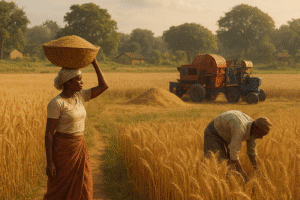
Despite global totals indicating rising grain output, regional disparities persist. Sub-Saharan Africa lags behind in average yields due to limited access to modern inputs and financing. Conversely, parts of Europe and North America have plateaued, with incremental gains harder to achieve on already productive lands.
Policy initiatives vary widely:
- In Southeast Asia, targeted subsidies for hybrid rice have doubled output in some provinces.
- Latin American nations emphasize trade liberalization, opening new export corridors to Asia and the Middle East.
- Government grants for irrigation projects aim to reduce yield variability in arid zones of Central Asia.
Balancing national interests with global responsibilities remains a diplomatic challenge. Collaborative frameworks under the Food and Agriculture Organization (FAO) seek to harmonize standards and facilitate technology transfer between developed and developing regions.
Future Outlook and Global Collaboration
Looking ahead, the interplay between demographic growth and grain demand will test the resilience of food systems. Continued investment in research and development is crucial for breakthroughs that can unlock yield plateaus and combat biotic stresses. Moreover, digital platforms connecting farmers, distributors, and consumers will enhance market responsiveness.
International cooperation on trade policies, climate mitigation, and resource sharing will determine whether the world can sustainably support its expanding population. By aligning incentives for innovation and reinforcing commitments to sustainable practices, stakeholders can strive for a future where abundant, nutritious grains are accessible to all.